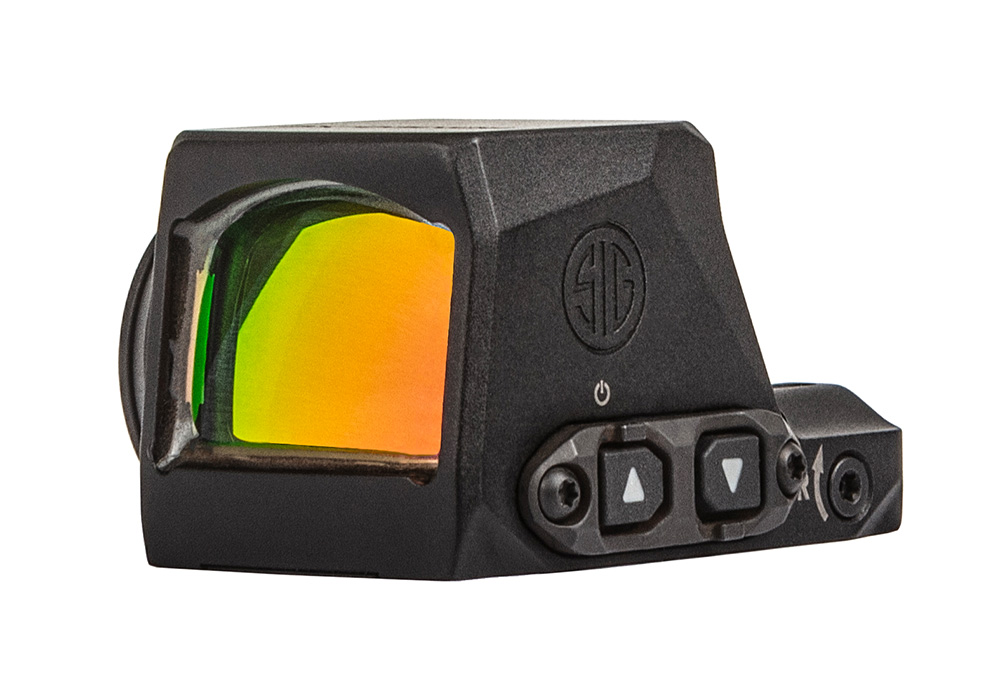
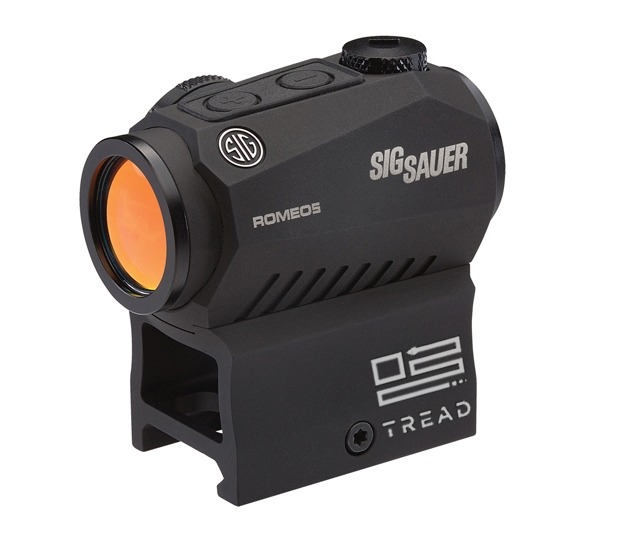
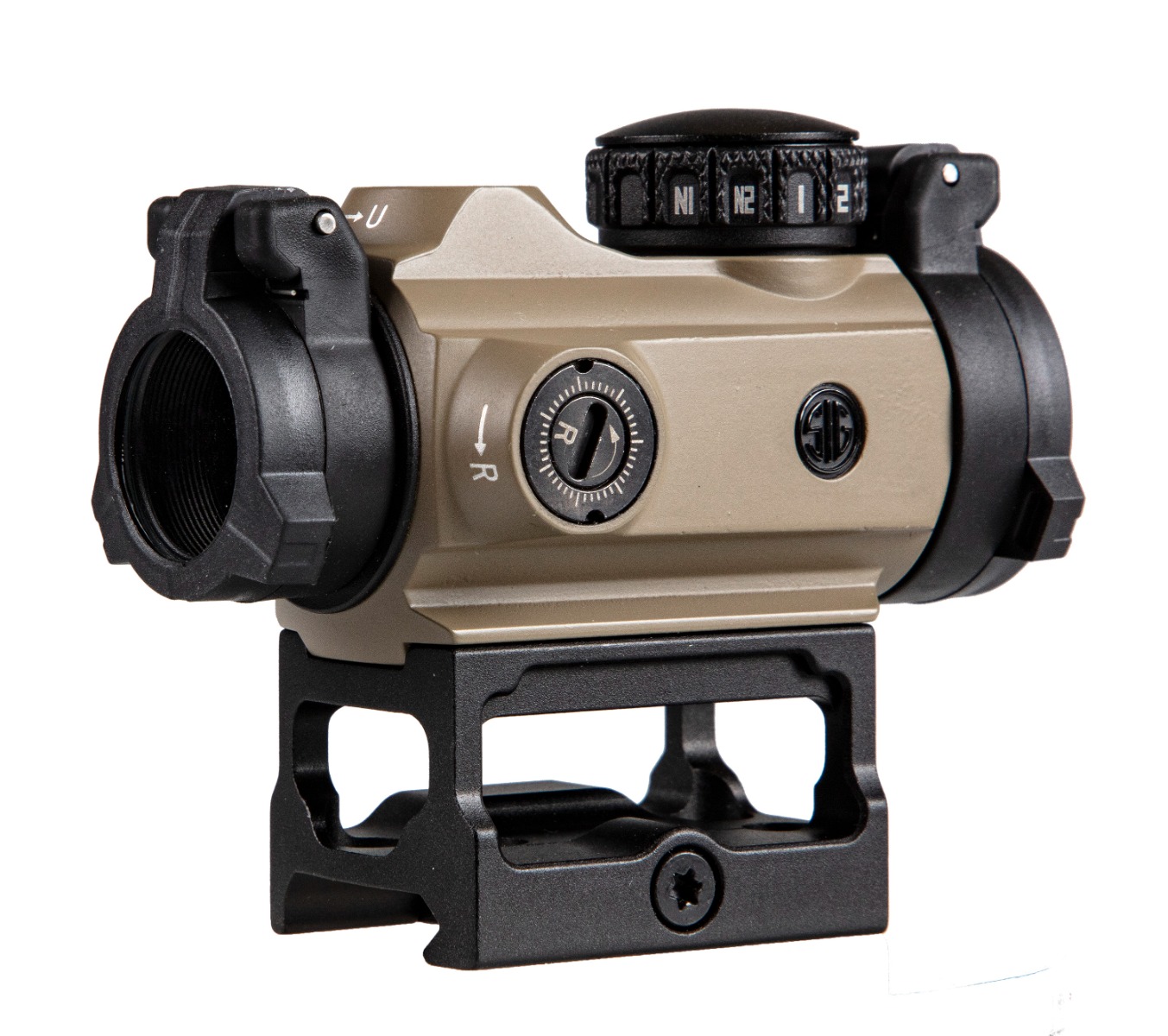
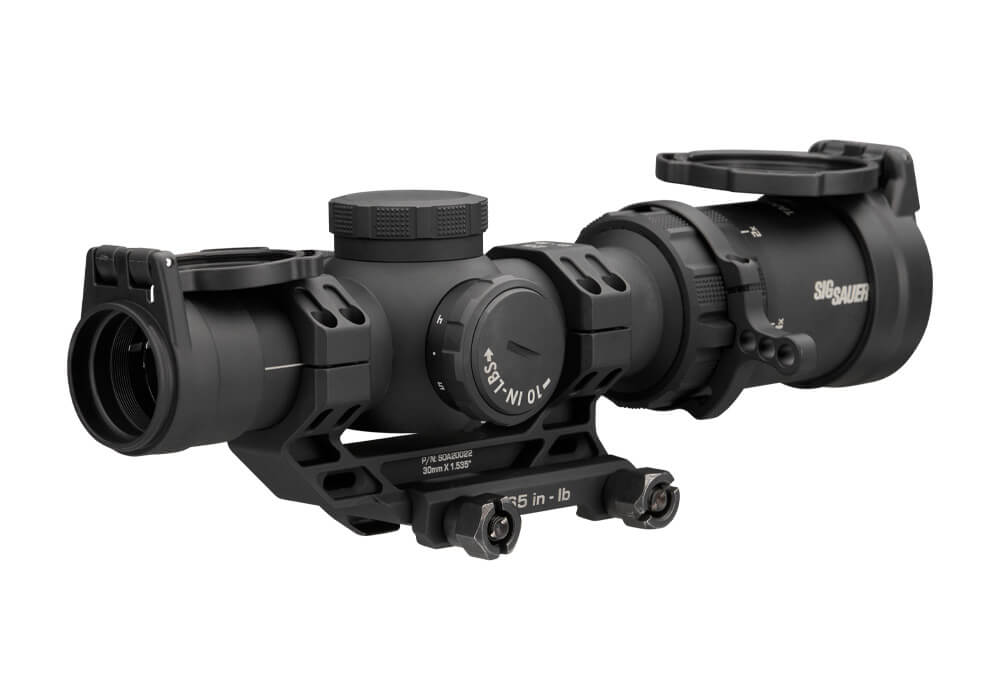
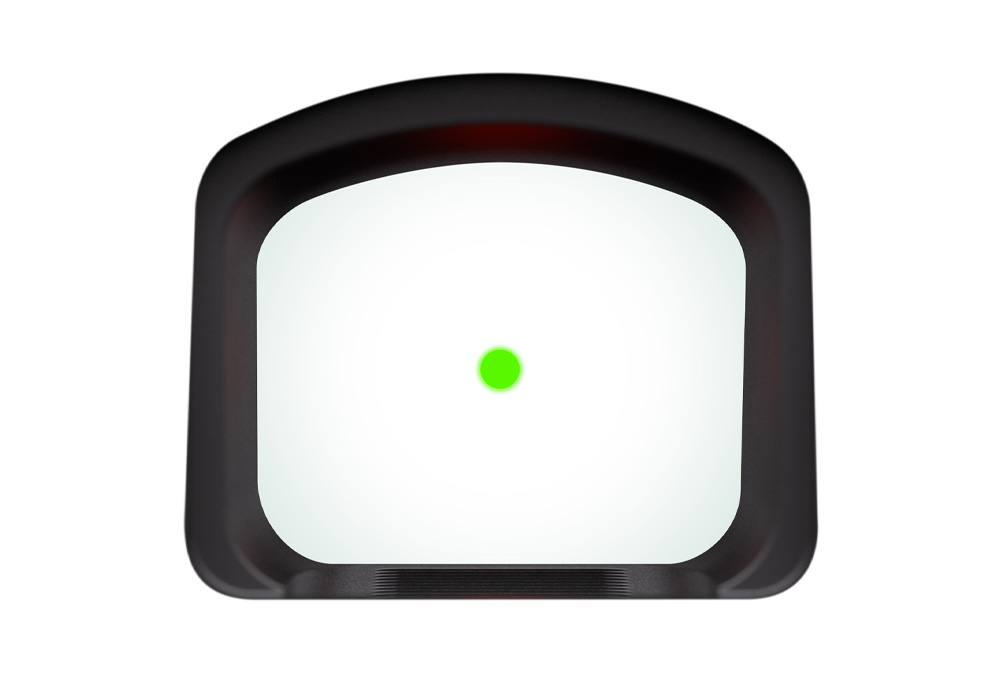
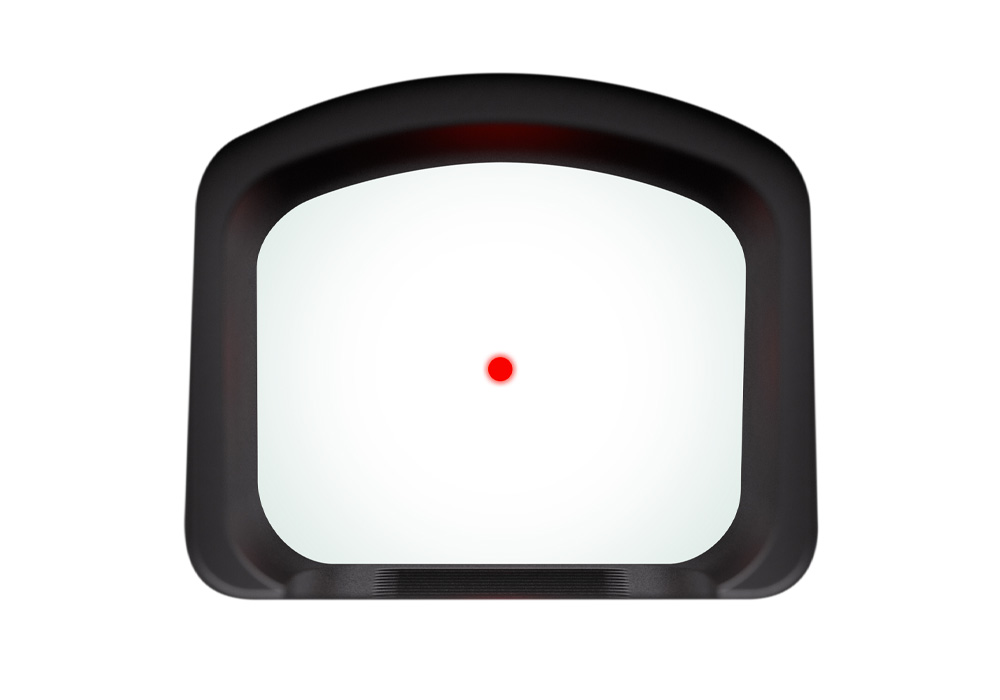
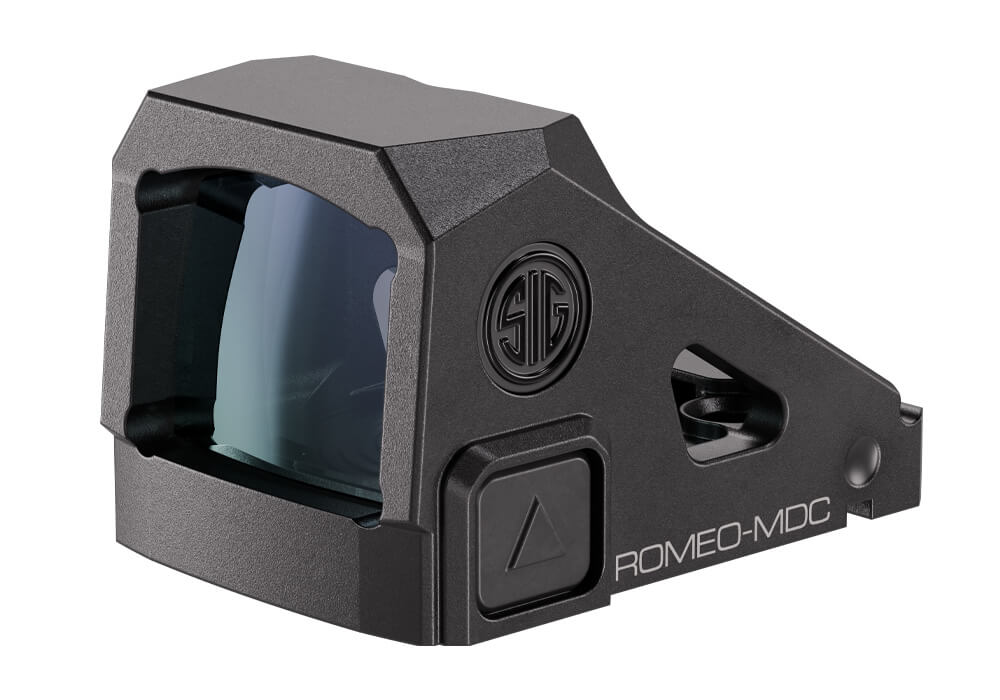
Compact optics for AR pistols are designed to preserve the quick, balanced feel of a short firearm while adding a clear aiming reference that is easier to use than traditional iron sights alone. Micro red dots and compact 1x prism scopes are especially popular because they keep overall weight and bulk to a minimum, allowing the platform to remain responsive when carried, stored, or used at the range. A red dot projects an illuminated aiming point onto a transparent lens, while a prism optic uses an etched reticle that remains visible even when illumination is turned off. Both designs can provide a wide field of view and straightforward target engagement at typical close-to-moderate distances, but each offers a different viewing experience. Buyers who prefer the simplest sight picture may appreciate a crisp single-dot reticle, while those with astigmatism or other vision concerns may find an etched prism reticle easier to see. Magnification is another important consideration: a compact 1x optic maintains a natural, unmagnified view and supports fast transitions between targets, whereas magnified options can add detail at distance but may feel less natural on a compact platform. Before selecting an optic, consider the firearm’s intended role, the distances normally used at the range, the available mounting space, and how much additional weight is comfortable. An optic that looks small on a product page can still alter the balance of an AR pistol once a mount, backup sights, light, or sling are added, so a streamlined setup is often the most practical choice for users who value maneuverability.
Durability and usability matter just as much as size. An optic for an AR pistol may experience repeated recoil, bumps against a case or safe, changing temperatures, and the general handling that comes with regular practice. Look for a housing and lens system suited to firearm use, dependable adjustment controls, a reticle that remains visible in bright daylight, and illumination settings that can be adjusted without taking attention away from the firearm. Battery life is also worth comparing, particularly for users who store their setup for extended periods between range visits. Motion-activated illumination can be convenient, while manual controls may appeal to shooters who prefer a simple, predictable interface. A low-profile design may help maintain a compact presentation, but the mount height should still allow a comfortable cheek weld and an unobstructed view. Co-witness compatibility with backup iron sights can provide an additional aiming option, provided the optic, mount, and sights are selected as a compatible combination. Lens tint, window size, reticle shape, and adjustment increments can all affect the experience on the firing line. Spend time checking the manufacturer’s specifications for footprint, mounting hardware, water and impact resistance, battery type, and operating temperature before purchase. It is also important to confirm that the optic and mount are compatible with the specific upper receiver and rail system. For shoppers comparing a broader range of configurations, Precision Optics for AR Platforms offers another category to explore when a larger viewing window, additional reticle features, or a different form factor better suits the setup.
These optics can be a practical choice for recreational shooters, new AR-pistol owners building a first sighting system, and experienced users refining a lightweight range configuration. They may also make a thoughtful gift for a shooter who has recently added an optic-ready platform to a collection, especially when the recipient’s preferences are known. Since mounting footprints, preferred reticle styles, and sight heights vary, gifting an optic is best approached with attention to the recipient’s existing firearm and accessories; a gift card or coordinated selection can be more useful than choosing a model without checking compatibility. At the range, a compact optic can make the process of establishing a consistent sight picture feel more intuitive, helping the shooter spend less time aligning front and rear sights and more time concentrating on steady presentation, trigger control, and safe handling. During the cooler months, clear glass, tactile controls, and an optic that can be operated with gloved hands may be especially welcome during outdoor practice. Storage deserves equal attention: keep the firearm unloaded and secured according to applicable laws and manufacturer guidance, protect the optic from unnecessary moisture and impacts, and inspect the mount and fasteners periodically. Before use, verify zero at a safe, approved range and confirm that the reticle remains properly aligned after transport or maintenance. Firearm laws, storage requirements, and rules governing AR pistols and accessories vary by jurisdiction, so review current federal, state, and local regulations and seek qualified instruction when needed. With the right combination of compact dimensions, dependable construction, clear optics, and compatible mounting hardware, a compact sight can complement an AR pistol without overwhelming its lightweight design.