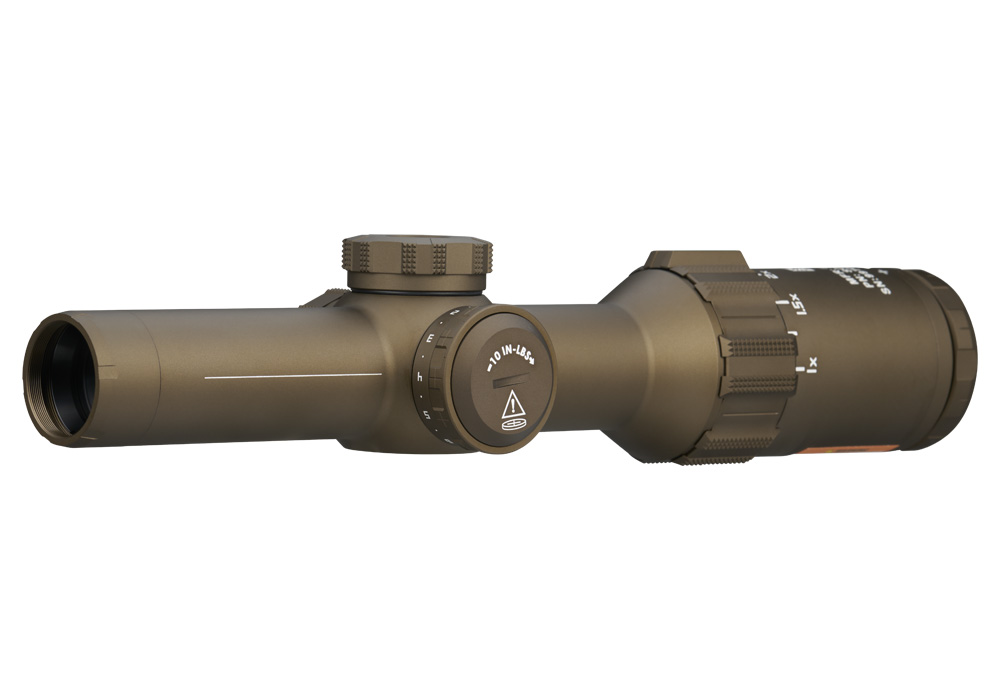
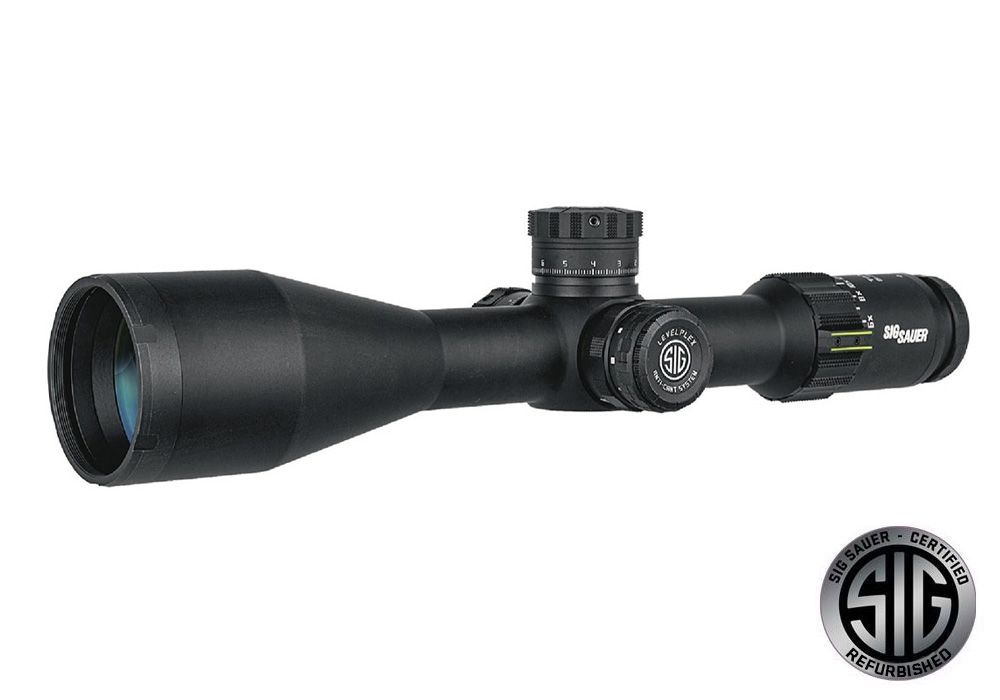
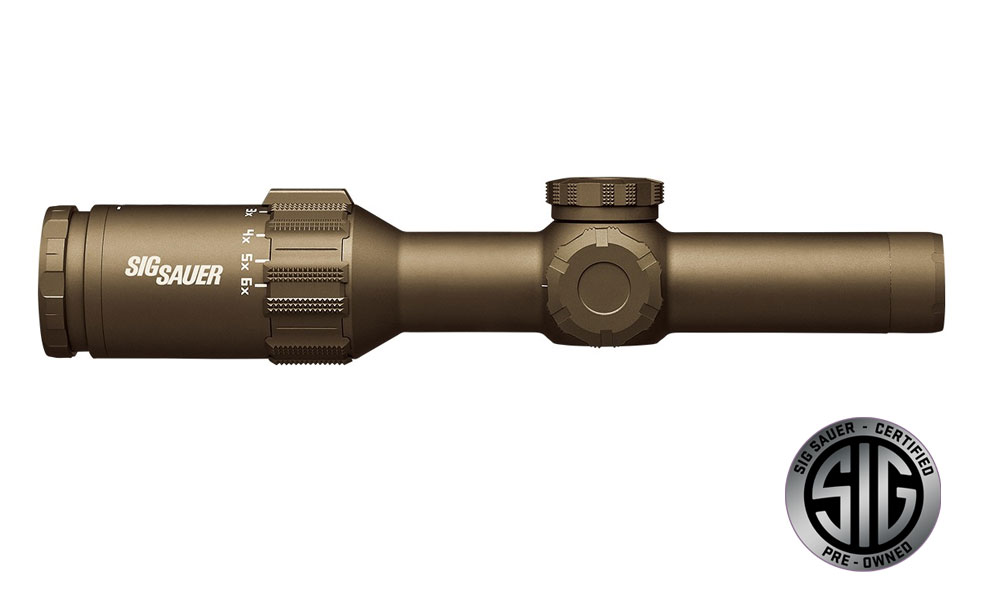
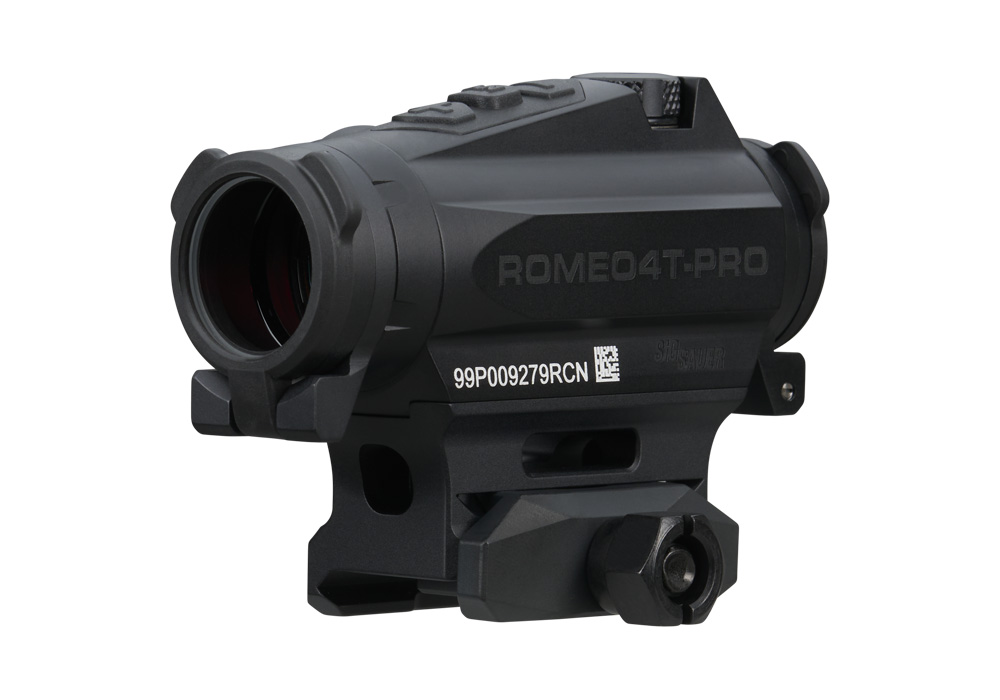
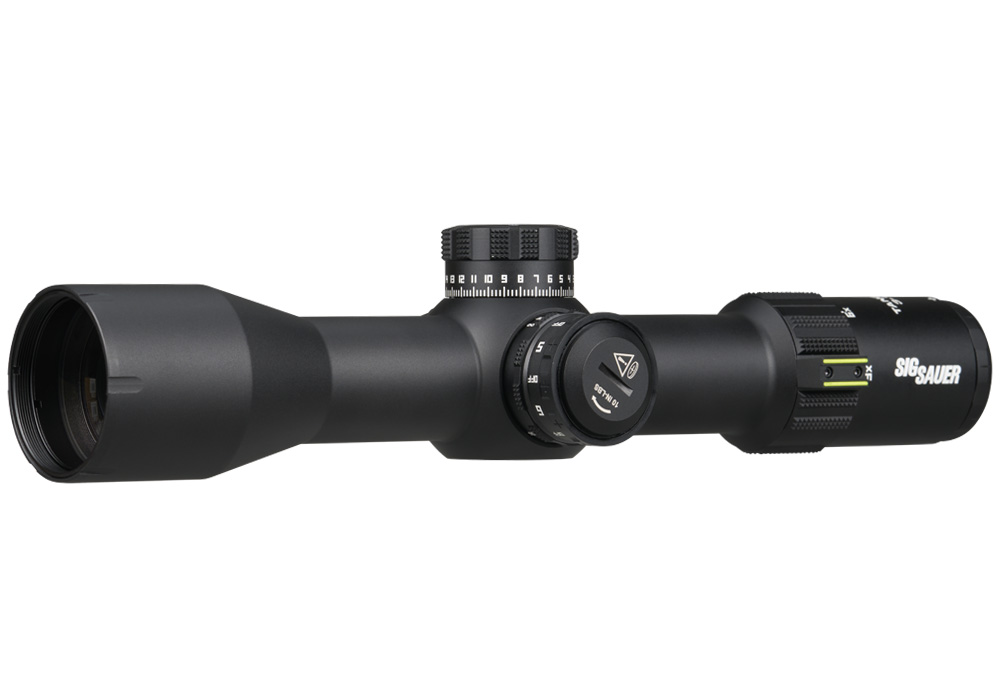
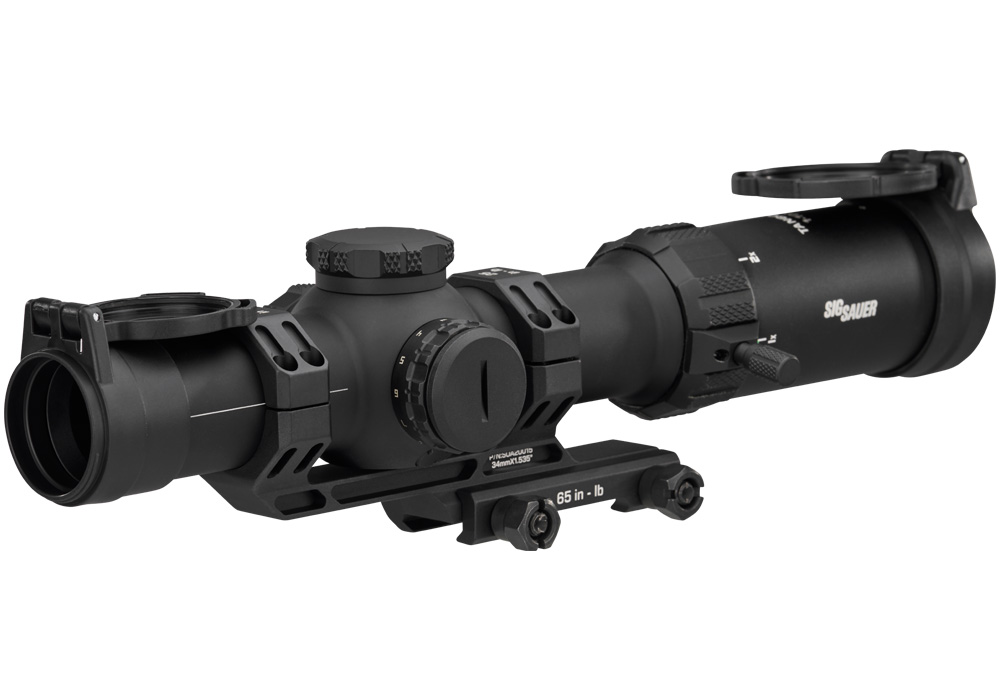
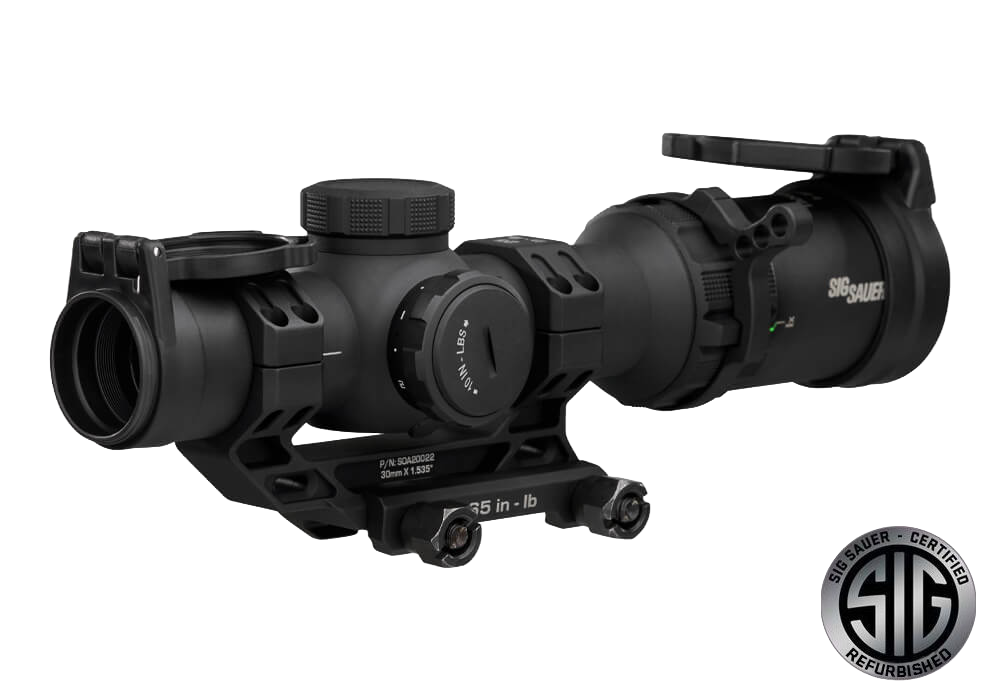
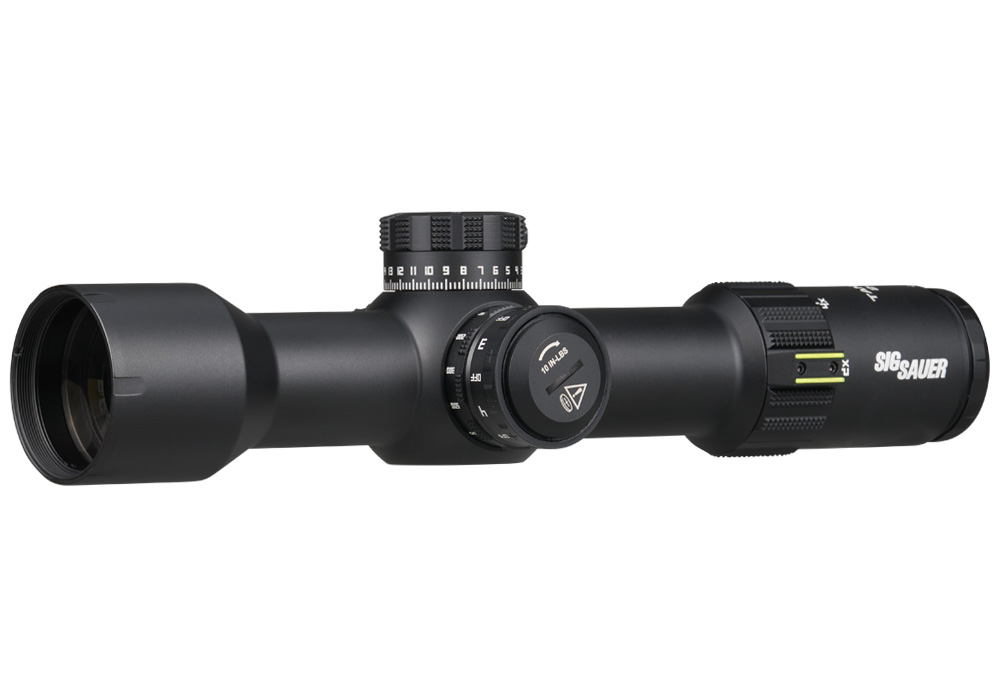
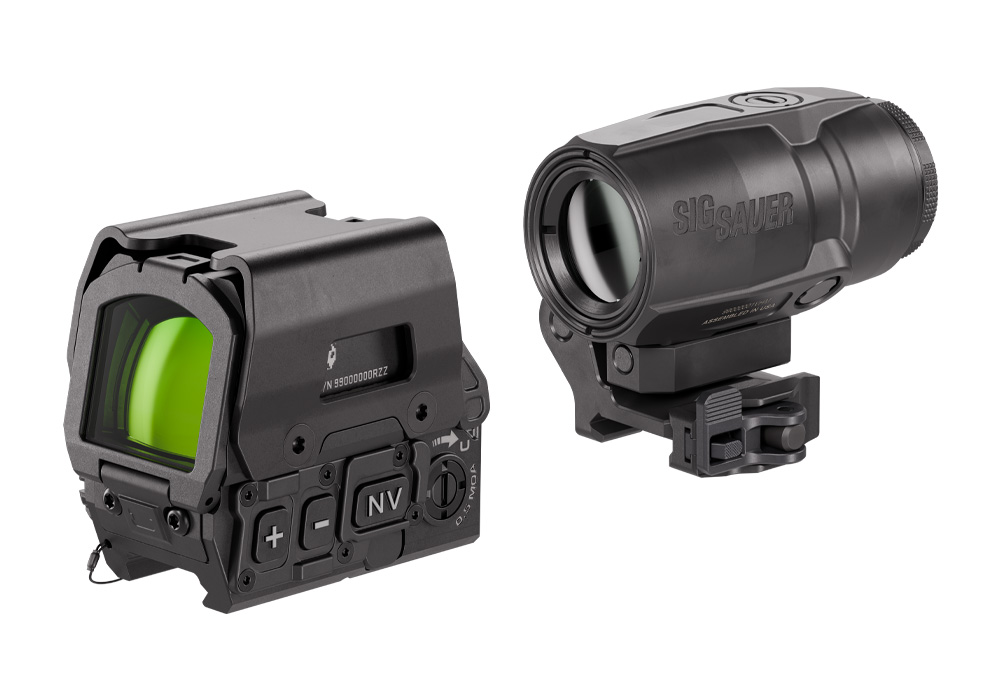
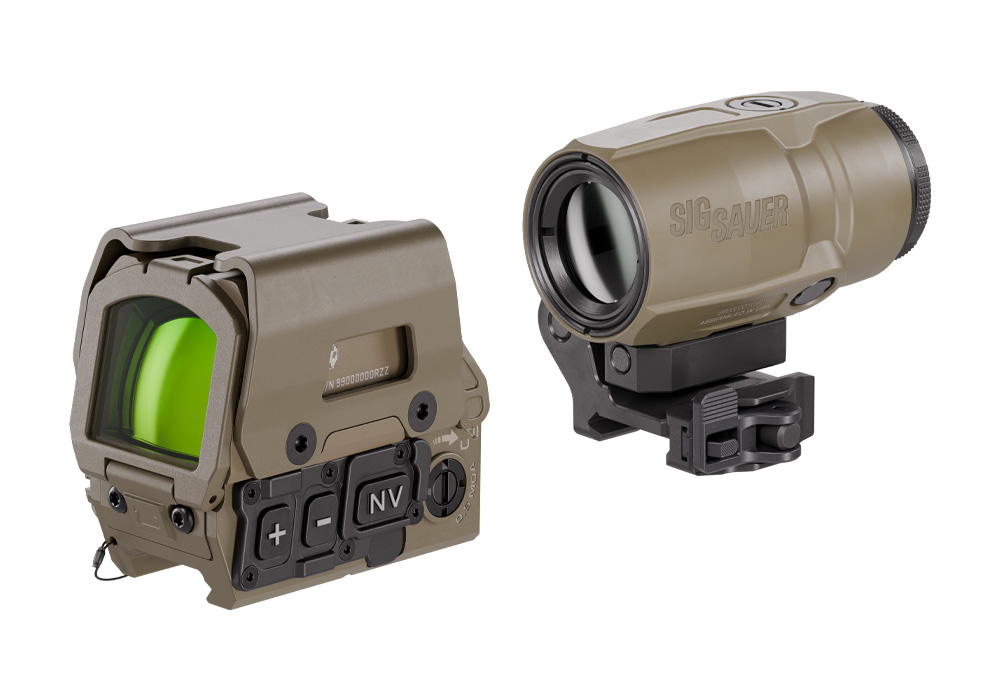
Precision optics for AR platforms include magnified riflescopes, low-power variable optics, prism sights, and red dot sights, with suitability shaped by intended use, typical viewing distance, mounting compatibility, and the preferred sight picture. For recreational target shooting, organized competition, and sporting applications, those differences matter more than magnification alone. A clear, uncluttered view can be especially valuable when a paper target blends into a busy range backdrop, while additional magnification can make smaller target details easier to distinguish. Conventional riflescopes emphasize an enlarged view and often provide a broader selection of reticle configurations. Low-power variable optics combine a relatively wide view at their lowest setting with additional magnification for more detailed observation. Compact prism sights offer another approach, pairing fixed magnification with an optical system that can support an etched reticle. Red dot sights favor a simple illuminated aiming reference and relatively flexible eye positioning, although they do not provide magnification on their own. These categories serve different preferences rather than forming a simple progression from basic to advanced. Optical quality depends on how well the complete system manages clarity, contrast, distortion, and reflections. Lens coatings can improve light transmission and help reduce distracting glare, but a long feature list does not necessarily describe the experience behind the optic. Fine target lines should remain distinguishable, the center of the image should feel easy to acquire, and the reticle should be visible without obscuring the detail that matters. Reticle complexity is another meaningful distinction: a restrained pattern can keep the view open, while additional reference marks may appeal to experienced sporting shooters who prefer more information in the image. For anyone comparing precision optics for an AR-style rifle, the most useful background is an understanding of how these optical characteristics relate to an actual range session, rather than an assumption that the largest objective lens or highest magnification will always be the best fit.
Fit involves the relationship between the optic, its mount, and the rifle as a complete system. A compatible mounting interface is essential, and compatibility should be confirmed through the published specifications for both the optic and the mounting hardware. Riflescope tube diameter, mounting footprint, rail interface, overall length, and available mounting space can all affect whether a particular configuration is appropriate. The stock position and the shooter’s usual posture also influence how naturally the eye meets the sight picture. Eye relief describes the distance between the viewing lens and the eye at which the intended image is visible; the eye box describes the usable range of eye positions around that view. A generous, accessible image can feel less demanding during a long practice session, while a restrictive viewing position may become noticeable when moving between a bench and other established sporting positions. Weight deserves similar attention. An optic that feels manageable by itself can change the balance of a rifle once the mount and other accessories are included, particularly when the rifle spends more time supported by the shooter than resting on a bench. Durable construction helps protect the optical system through ordinary handling and transport. Aluminum housings are common because they combine relatively low weight with structural strength, while protective finishes help limit surface wear. Sealed construction can help keep dust and moisture away from internal components, though resistance ratings and care requirements vary by design. Adjustment controls should have legible markings and a feel suited to their intended use; protective caps and locking features can be useful where supported by the design. Illuminated optics add considerations such as brightness range, control placement, battery type, and access to the battery compartment. Automatic illumination management may reduce routine attention to power controls, but electronic convenience remains separate from optical clarity and mechanical durability. The overall package matters: a compact sight that fits comfortably in a padded rifle case may suit frequent range travel, while a larger scope may be a reasonable choice for a rifle used primarily from a supported position.
Ownership also includes protecting the lenses, preserving mounting integrity, and keeping controls in good working order. An optic carried between home, a range bench, and a storage case encounters fingerprints, airborne grit, and contact with other equipment even when it is handled carefully. Lens covers and a protective case help reduce unnecessary exposure, while cleaning supplies intended for coated optical glass support appropriate routine care. Grit should not be rubbed across a lens, and household cleaners or abrasive cloths can damage delicate coatings. Manufacturer care instructions remain the appropriate reference for cleaning methods, approved materials, battery replacement, and any service requirements. Before cleaning or checking an optic attached to a firearm, the firearm should be unloaded and handled according to its safety instructions. Exterior inspection after transport can reveal a loose cover, damaged control, or other change that deserves attention before the next range visit. Long-term satisfaction often comes from these practical details as much as from the view through the glass. Readable controls, accessible lens protection, and a straightforward maintenance routine become especially noticeable after repeated use. These considerations are relevant to experienced competitors, recreational target shooters, hunters where lawful, and newer AR owners building familiarity with optical sighting systems. Optics can also be thoughtful gifts for an established shooting-sports enthusiast, provided the recipient’s platform, mounting requirements, and preferences are known; magnification and reticle style are personal choices rather than interchangeable features. The related collection, Advanced Optics For Tactical Applications, provides another relevant category for exploring optical sighting equipment. Across these categories, precision is best understood as a combination of a clear image, suitable magnification, dependable construction, and compatibility with the intended platform. The result should be an optic that feels appropriate to the rifle and its lawful sporting purpose, with features that remain useful beyond an initial specification comparison. A well-matched optical system supports a consistent viewing experience without adding unnecessary bulk, complexity, or maintenance demands.