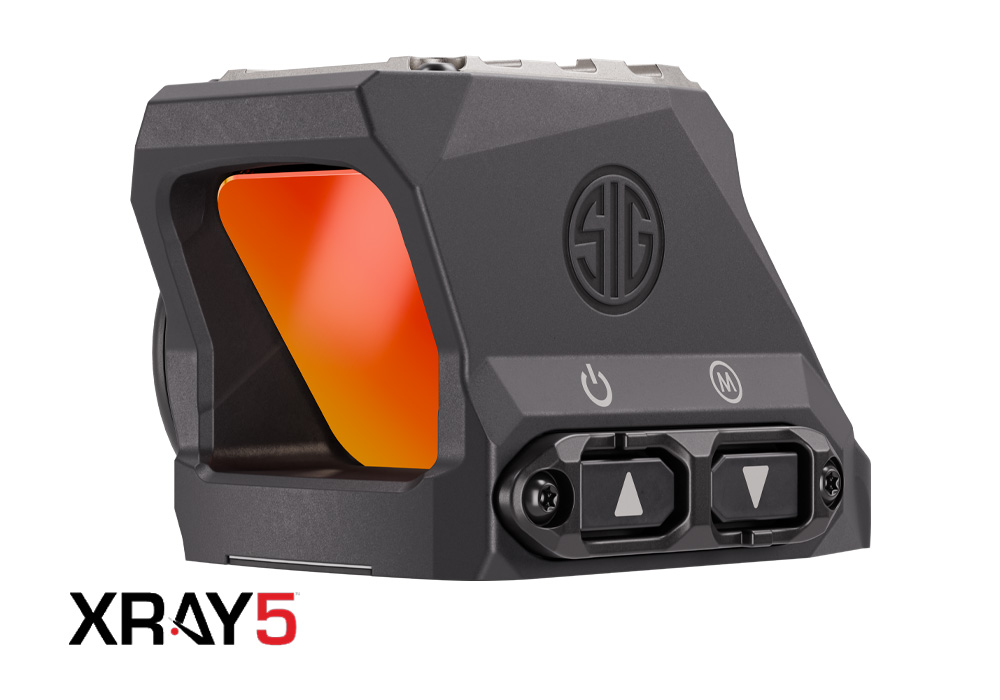
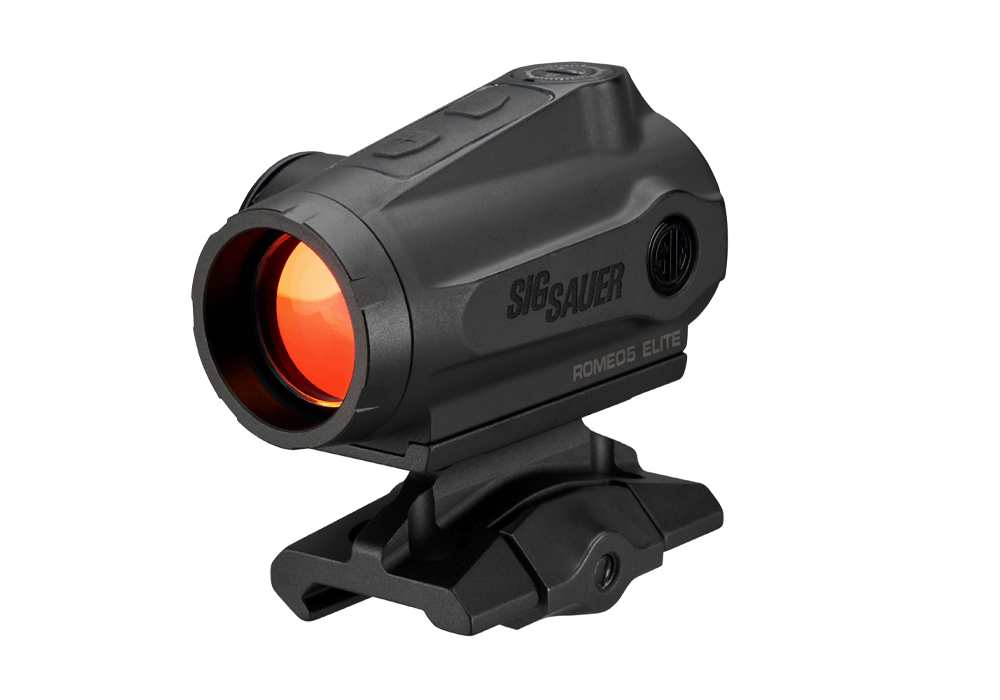
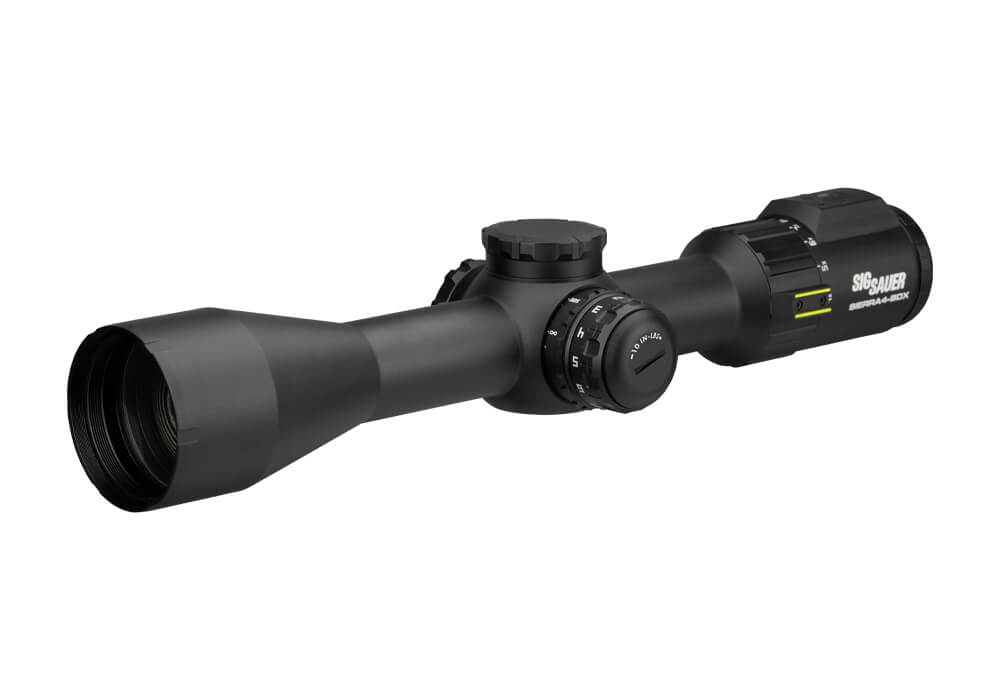
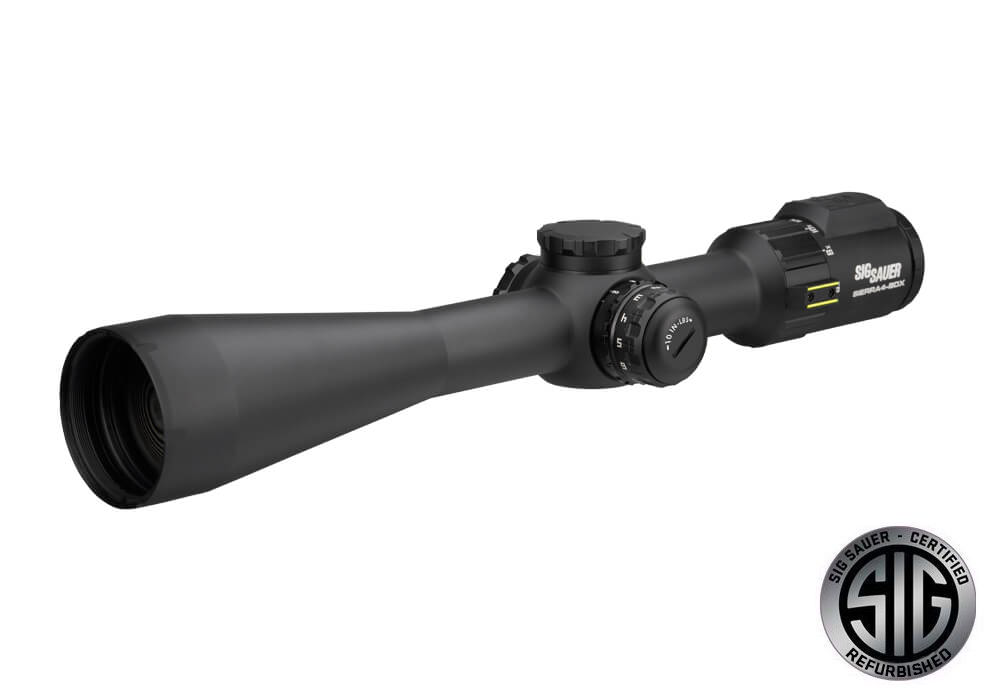
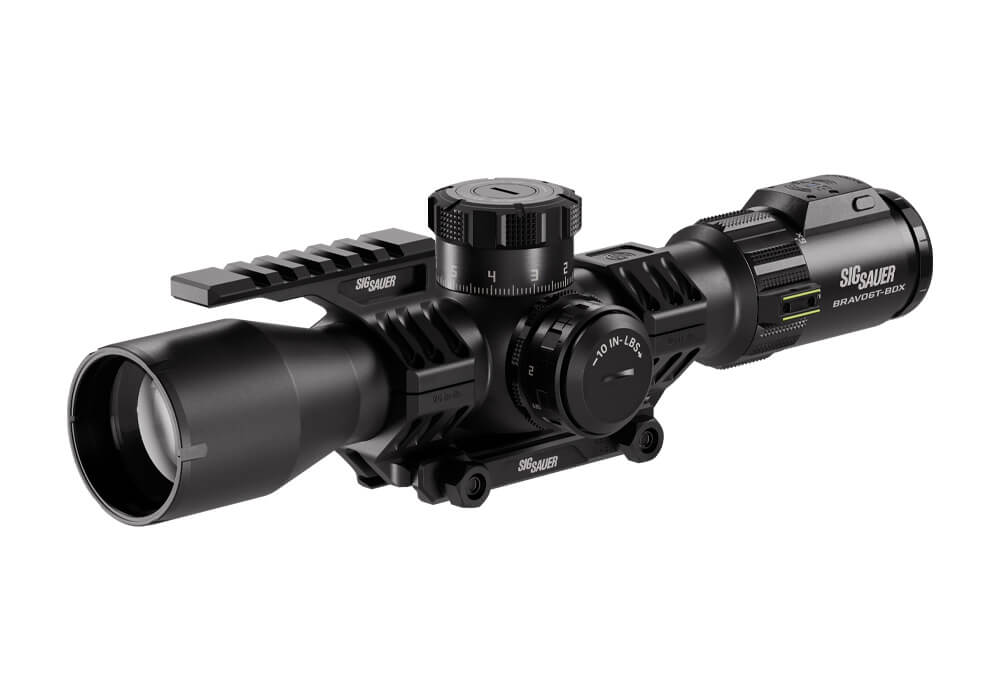
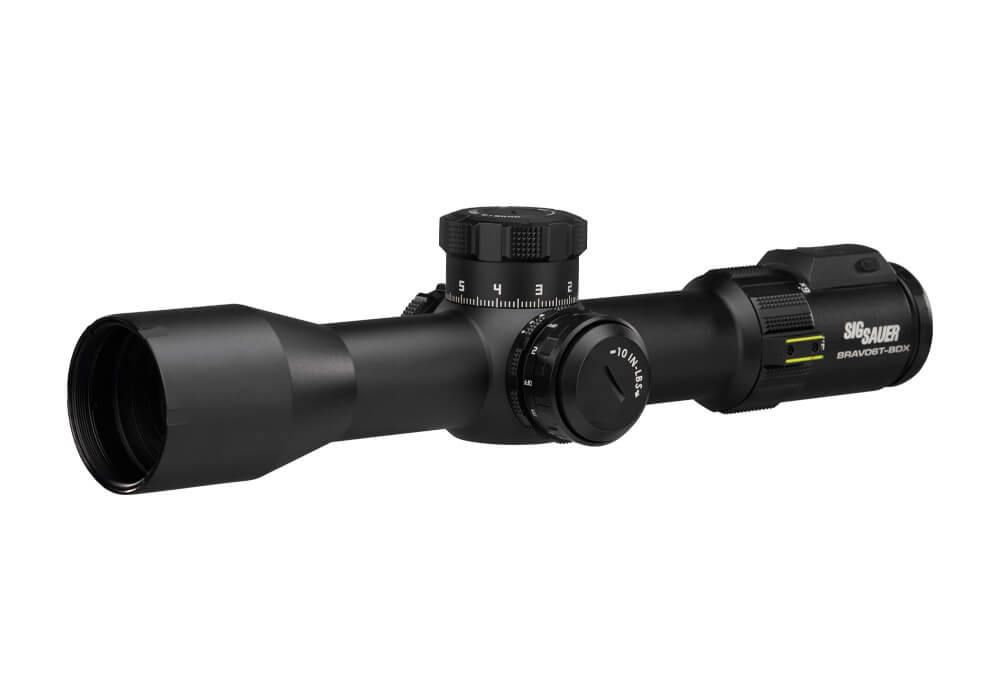
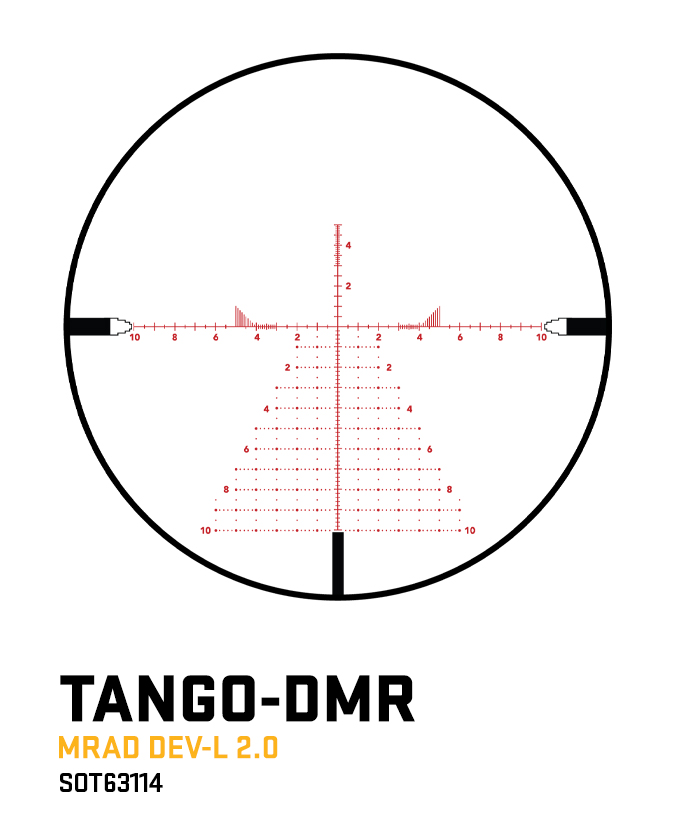
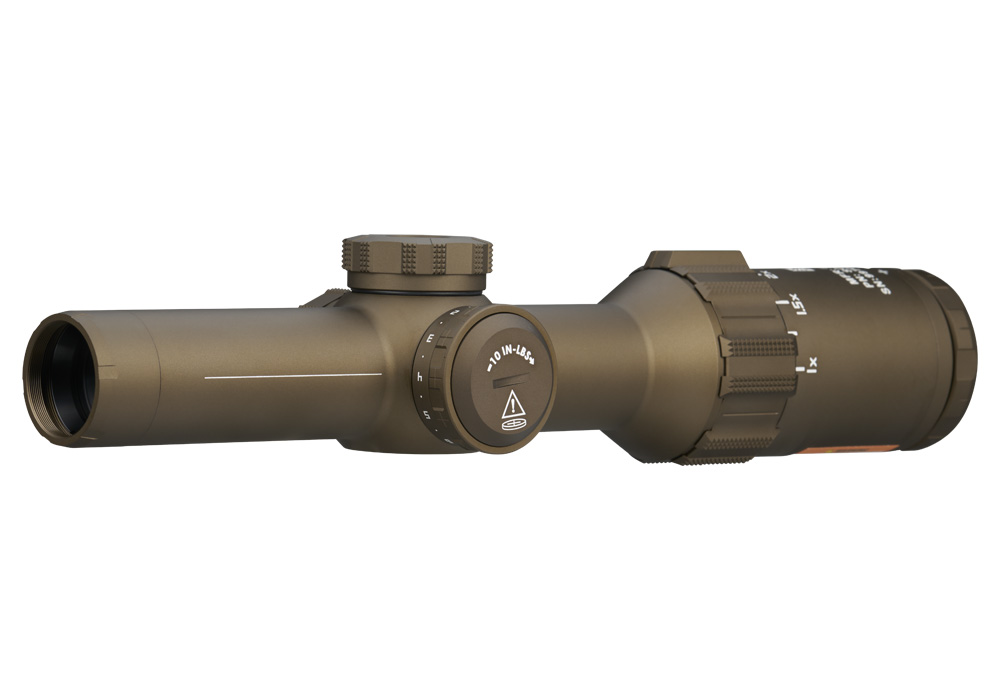
Advanced reticle optics bring more information into the sight picture, helping shooters make informed aiming decisions without relying solely on repeated turret adjustments. Depending on the design, an advanced reticle may include graduated holdover marks, windage dots, a grid layout, or a Christmas tree pattern that provides reference points for elevation and wind corrections at varying distances. Bullet Drop Compensation (BDC) reticles use marked lines or dots to help account for the way a projectile’s path changes over distance, while grid-style and Christmas tree reticles offer a denser arrangement of aiming references for precision shooting, changing conditions, and multiple target positions. These systems are especially useful when a shooter wants to maintain a consistent cheek weld and keep both hands focused on the firearm rather than pausing to dial turrets between shots. For those comparing magnified optics, first focal plane (FFP) reticles preserve the relationship between the reticle markings and the target as magnification changes, keeping the subtensions useful throughout the optic’s power range. Second focal plane designs may appear the same size as magnification changes, which can provide a cleaner sight picture at lower power while requiring the shooter to understand which magnification setting corresponds to the reticle’s calibrated references. A reticle that looks straightforward on a product page can feel very different behind the glass, particularly when a shooter is working from a shaded firing line toward a sunlit field or tracking a target against uneven terrain. Reviewing reticle diagrams, magnification ranges, eye relief, field of view, and adjustment specifications before purchasing helps ensure the optic’s layout matches the way it will be used.
Choosing among advanced reticle optics begins with the intended platform, distance, and shooting environment. A compact red dot or reflex sight may be the practical choice for rapid target acquisition at shorter distances, while a magnified rifle scope with an illuminated BDC, grid, or Christmas tree reticle can provide more aiming information for hunting, target shooting, competition, and precision-oriented applications. Reticle illumination can make selected aiming references easier to see in dim conditions, dense cover, or against dark targets, but illumination should complement—not replace—a well-designed etched reticle. Glass-etched systems remain visible without battery power, giving the optic a dependable aiming pattern when illumination is switched off or unavailable. When comparing illuminated models, consider brightness control, daylight visibility, low-light settings, battery access, and whether the illumination can be used without washing out the target. Optical clarity also matters. Look for a sight picture that remains sharp from edge to edge, generous eye relief suited to the firearm, and a forgiving eye box that helps maintain a clear image when the shooting position is not perfectly settled. Turret design, travel range, parallax adjustment, mounting compatibility, and overall size can be just as important as the reticle itself. BDC references should be treated as a starting point rather than a universal promise, since bullet weight, muzzle velocity, barrel length, atmospheric conditions, and sight height all influence trajectory. A careful owner confirms the optic’s markings at the range, records the results, and learns how wind and elevation references correspond to the chosen ammunition. During the cooler months, a crisp morning on the range can reveal details that are easy to miss indoors: how quickly the reticle settles, whether the ocular lens fogs when moving between temperatures, and how comfortably the optic balances on the firearm.
These optics suit a wide range of lawful shooting activities and experience levels. A hunter moving through timber may appreciate an illuminated center point that remains distinct in changing light, then use additional holdover references when a clear opening stretches across a hillside. A recreational marksman may prefer a clean grid that makes it easier to observe groups and refine fundamentals at different distances. Competitive shooters and precision-minded enthusiasts often value dense windage and elevation references because they can make corrections while keeping the target, reticle, and surrounding conditions in view. Newer shooters can also benefit from a carefully selected advanced reticle, provided they take time to understand each mark rather than treating every line as an automatic answer. A printed reticle guide, a confirmed zero, and practice from supported and field-style positions can turn a busy pattern into a familiar visual language. For a thoughtful gift, advanced reticle optics can be a strong choice for a hunter, range regular, or firearm enthusiast who has already identified the mounting footprint and intended application; when those details are unknown, a gift card or an opportunity to choose together may be more practical than guessing. Anyone shopping across a broader selection can also review Advanced Optical System Scopes for additional configurations and features. Before installation, verify ring height, tube diameter, mounting hardware, and firearm compatibility, then follow the optic manufacturer’s instructions for mounting, leveling, bore sighting, and zeroing. Store the optic with its lenses protected, keep illumination controls and battery compartments accessible, and use lens covers or a soft cloth to preserve clarity in dust, rain, and cold air. With the right reticle and a little time behind the glass, an advanced optic becomes more than a magnified view—it becomes a consistent reference system that helps the shooter read distance, account for conditions, and stay focused on safe, deliberate shot placement.