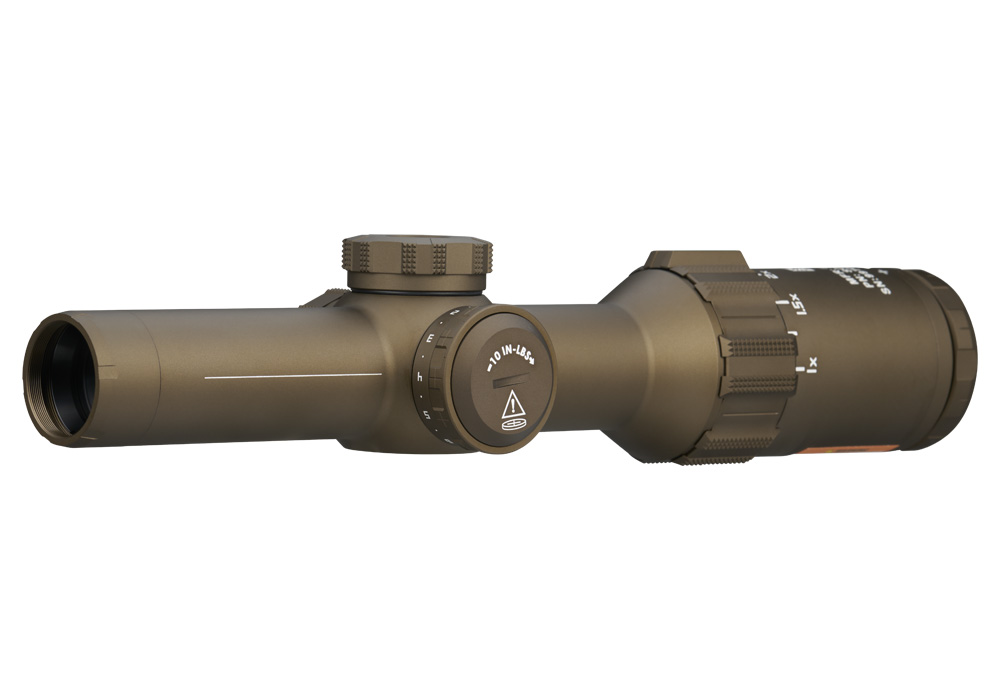
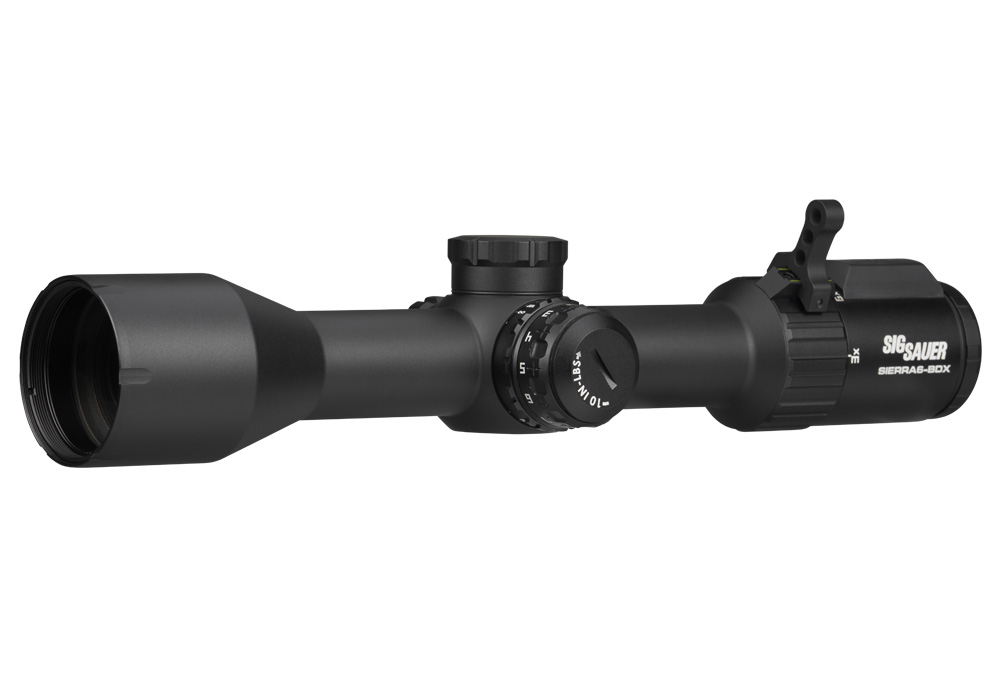
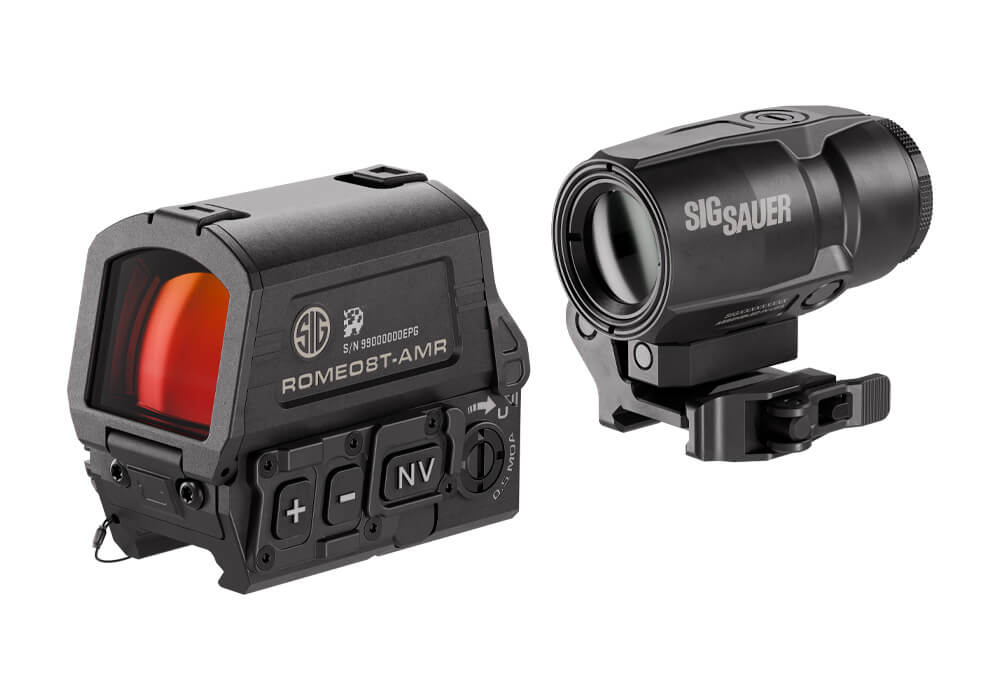
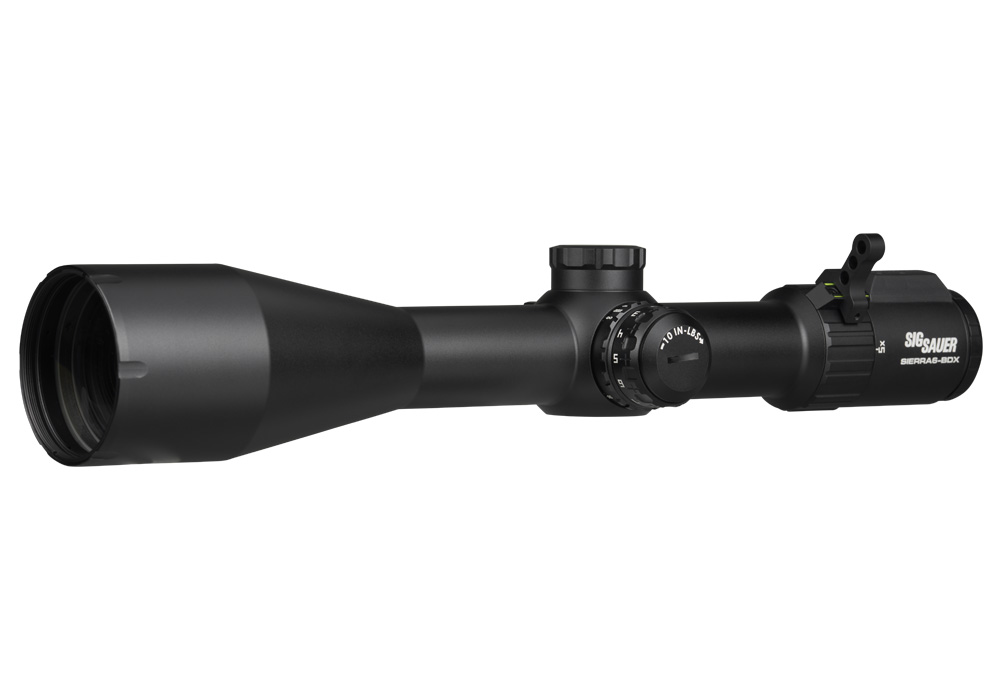
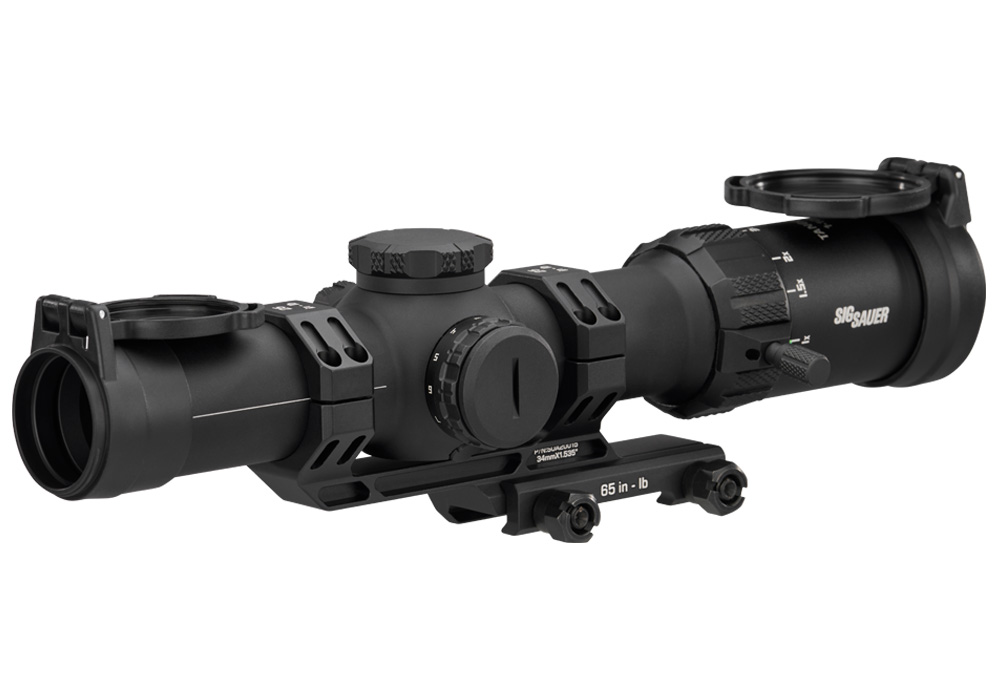
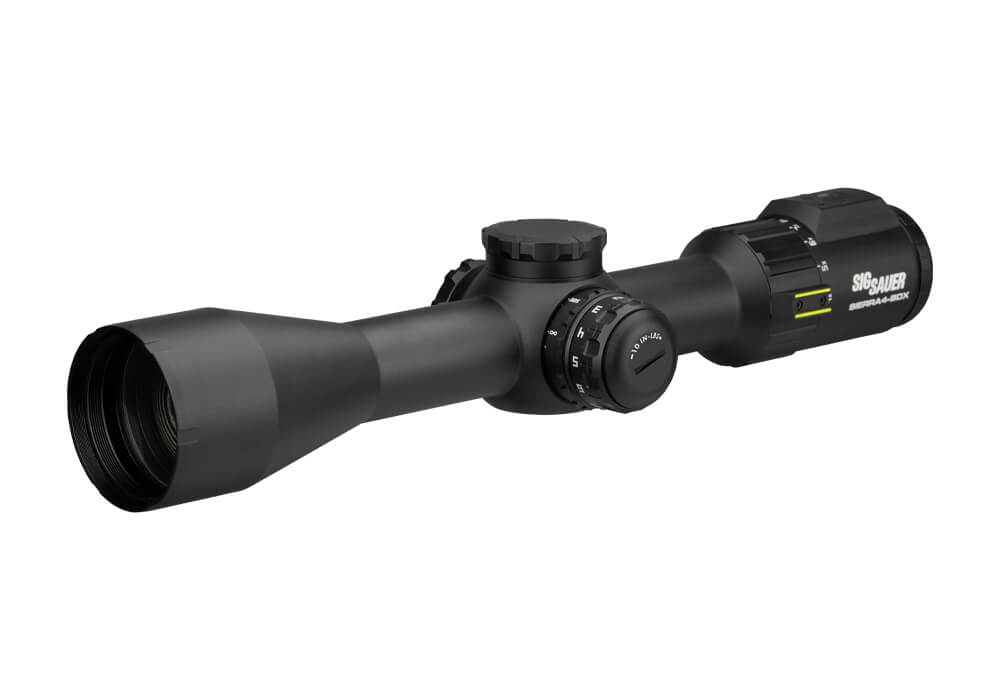
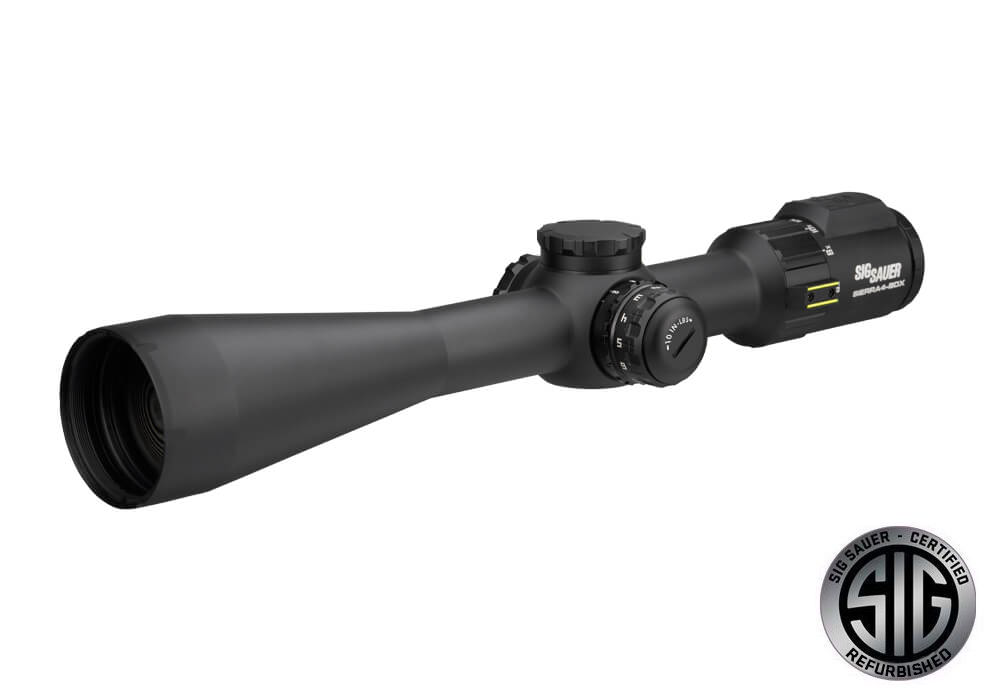
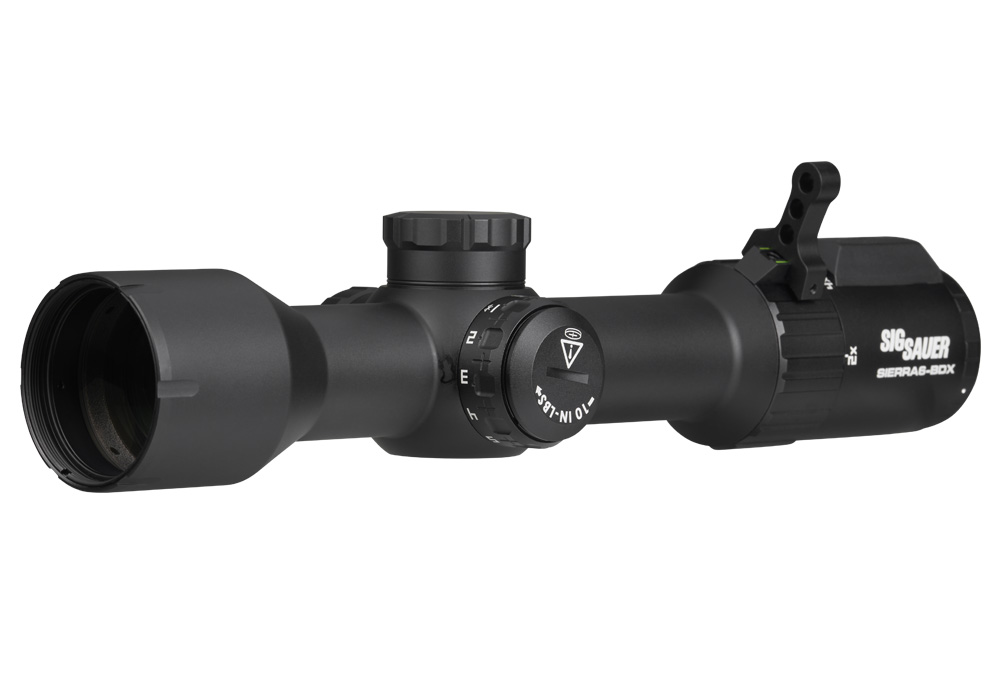
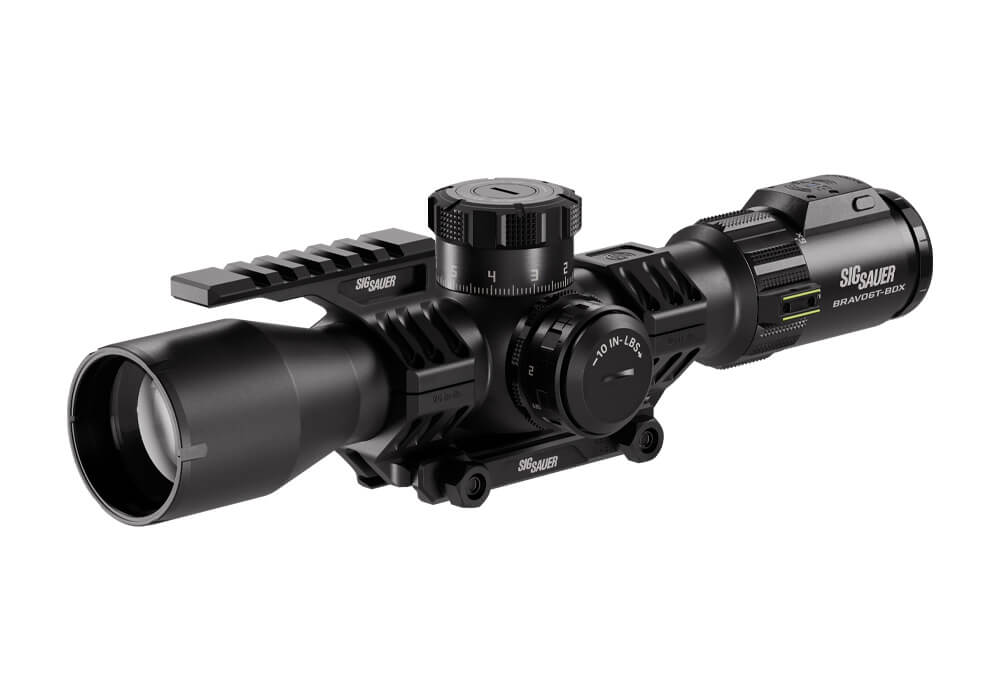
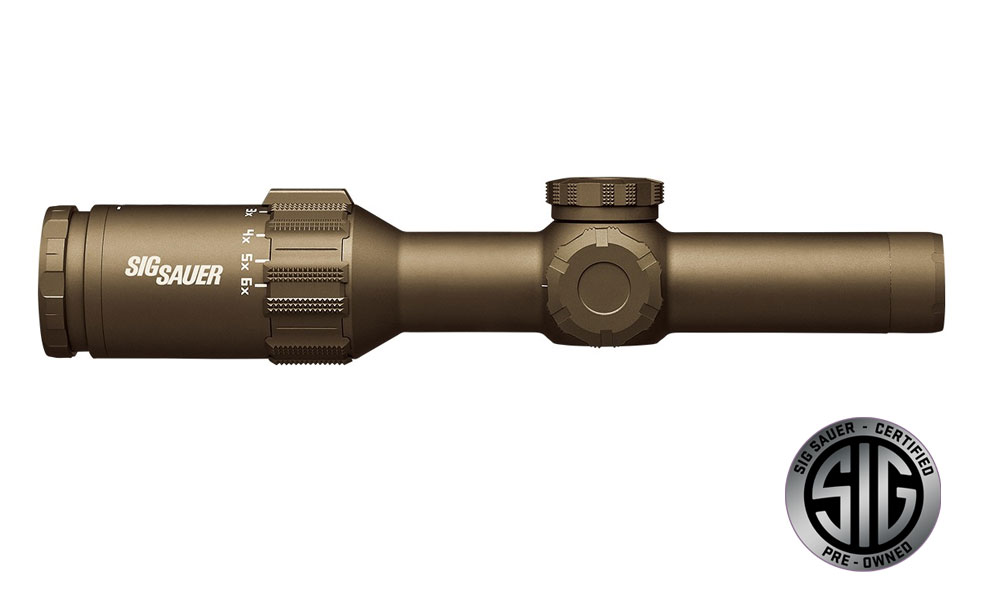
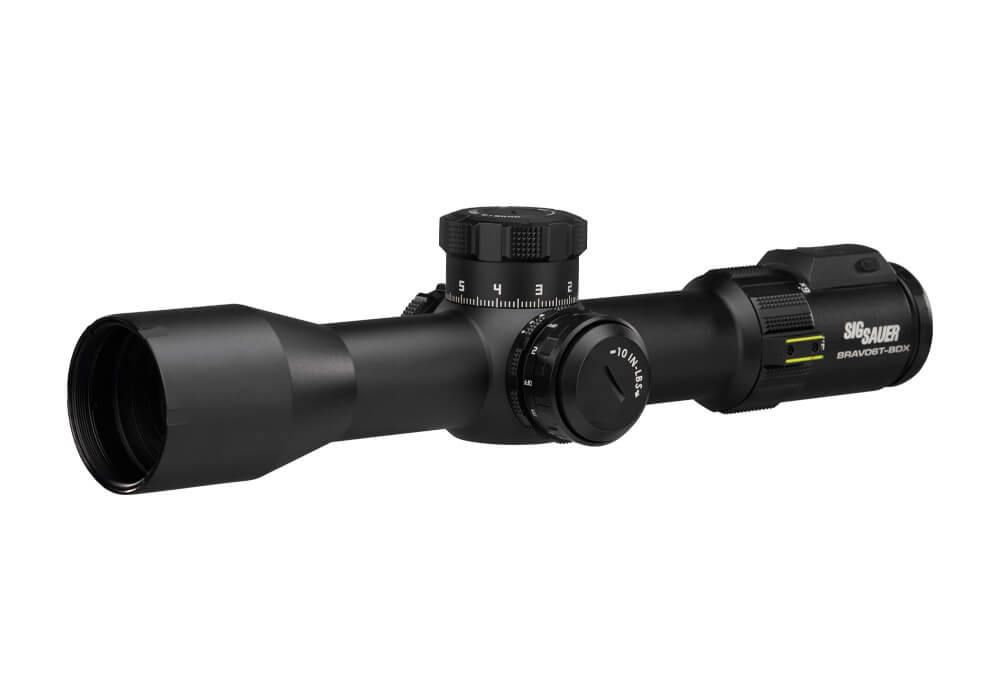
Advanced optical system scopes are riflescopes that combine carefully engineered lenses, optical coatings, and precise mechanical components to deliver a clear sight picture and consistent adjustment. The term describes an approach to optical performance rather than a single standardized feature set, so individual designs can differ considerably in magnification, reticle layout, illumination, and electronic functions. For recreational target shooters, competitors, and hunters, the most meaningful benefits are often visible in small details: a sharply defined target edge, readable markings without distracting glare, and an image that remains useful beyond the center of the lens. Premium optical glass and specialized lens elements can help control color fringing, while antireflective coatings reduce reflections at glass surfaces to improve light transmission and contrast. These qualities work together; magnification alone does not determine how much usable detail a scope reveals. A higher magnification setting can enlarge an image without resolving fine features if the underlying optics are not equally capable. Objective lens diameter also influences the viewing experience, although a larger objective does not automatically mean a brighter or better image under every condition. Exit pupil, magnification, coating quality, and the observer’s own eye all contribute. Edge-to-edge clarity deserves attention as well, particularly when comparing scopes with similar specifications on paper. A clean view across much of the image can feel less tiring during an extended range session than a view that softens noticeably toward its perimeter. Reticle illumination serves a different purpose from optical brightness: it helps the aiming pattern stand out against the background but does not illuminate the scene itself. Adjustable brightness can keep an illuminated reticle visible without overwhelming fine detail. Shoppers comparing these characteristics may also find Bright Optical System Scopes relevant, especially when image clarity, contrast, and comfortable viewing are central to the selection. The strongest optical package is the one whose features support the intended activity rather than simply offering the longest specification list.
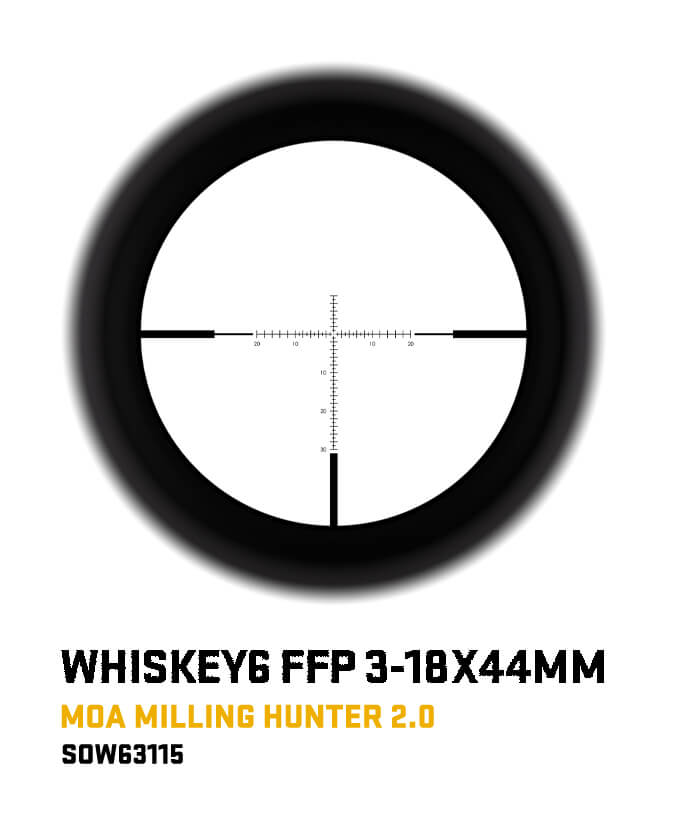
The right advanced optical system scope should feel proportionate to the firearm and appropriate for its intended use. A compact design may suit someone who carries equipment over considerable distances, while a larger optic with more magnification may appeal to a target shooter who spends most of a session at a fixed firing position. Weight, overall length, and control placement all influence that balance. A broad magnification range offers flexibility, but field of view and viewing comfort remain important throughout that range. Eye relief describes the distance between the eyepiece and the eye at which the full image is visible; adequate clearance is an important compatibility consideration on firearms with substantial recoil. The eye box describes the range of eye positions that still permit a usable sight picture. A forgiving eye box can make an optic more comfortable for users whose head position varies slightly between viewing sessions. Mounting compatibility depends on tube diameter, ring dimensions, objective clearance, and the firearm’s mounting interface, not just the scope’s outward appearance. Professional installation can help confirm a secure fit and appropriate positioning without putting unnecessary stress on the tube. Reticle design is another meaningful distinction. A simple pattern keeps the view relatively open, while a more detailed pattern provides additional reference marks that some target shooters prefer. In a first focal plane scope, the reticle changes apparent size as magnification changes, maintaining its proportional relationship to the viewed scene. In a second focal plane scope, the reticle appears the same size, and its measurement references generally correspond to a designated magnification setting. Neither layout is universally preferable; visibility and intended use matter. Clearly marked controls, positive adjustment feel, and readable scales can also make ownership more straightforward. Some scopes include digital imaging, integrated distance measurement, or connectivity, but those functions are not inherent to every advanced optical system. Where electronics are present, battery requirements, display readability, control complexity, and compatibility with other equipment deserve as much attention as the optical specifications.
Materials and construction help determine how well a scope maintains its performance through repeated use, transport, and routine handling. Aluminum alloy housings are common because they offer a useful balance of strength and weight, while surface treatments help protect exposed metal from wear and corrosion. A one-piece main tube is a familiar design feature, but tube construction alone does not establish overall durability. Internal assembly, lens retention, adjustment mechanisms, and the quality of seals all contribute to long-term reliability. Recoil resistance should match the intended firearm, and any resistance rating should be evaluated according to the manufacturer’s stated testing rather than assumed from a rugged exterior. Sealed housings and internal gas purging can help limit moisture intrusion and internal lens fogging, although they do not eliminate the need for sensible care. Protective lens covers are useful during transport and storage, particularly when a scope shares a case with other equipment. Fine grit on a lens can become abrasive if rubbed across the surface, so loose particles should be removed before using an approved lens-cleaning method. A clean optical cloth and a compatible cleaning solution are preferable to clothing, paper towels, or household cleaners that may leave residue or affect coatings. Controls and exterior surfaces also benefit from gentle cleaning, with maintenance kept within the manufacturer’s recommendations rather than extending to disassembly. For electronically equipped scopes, accessible battery compartments and clear power-status indicators can simplify preparation and upkeep. Storage deserves similar attention: a protective case, secure separation from loose accessories, and a clean, dry location help preserve both the finish and the optics. These practical details matter to frequent range visitors as well as occasional users who expect their equipment to remain dependable between outings. An advanced scope can also be a thoughtful gift for an experienced shooting-sports enthusiast, provided the recipient’s firearm compatibility, preferred reticle, and intended activity are known. Because fit and viewing preferences are personal, those details matter more than choosing the largest objective or highest magnification. A well-matched optic brings together a clear image, comfortable viewing, suitable dimensions, and construction that supports years of responsible use.