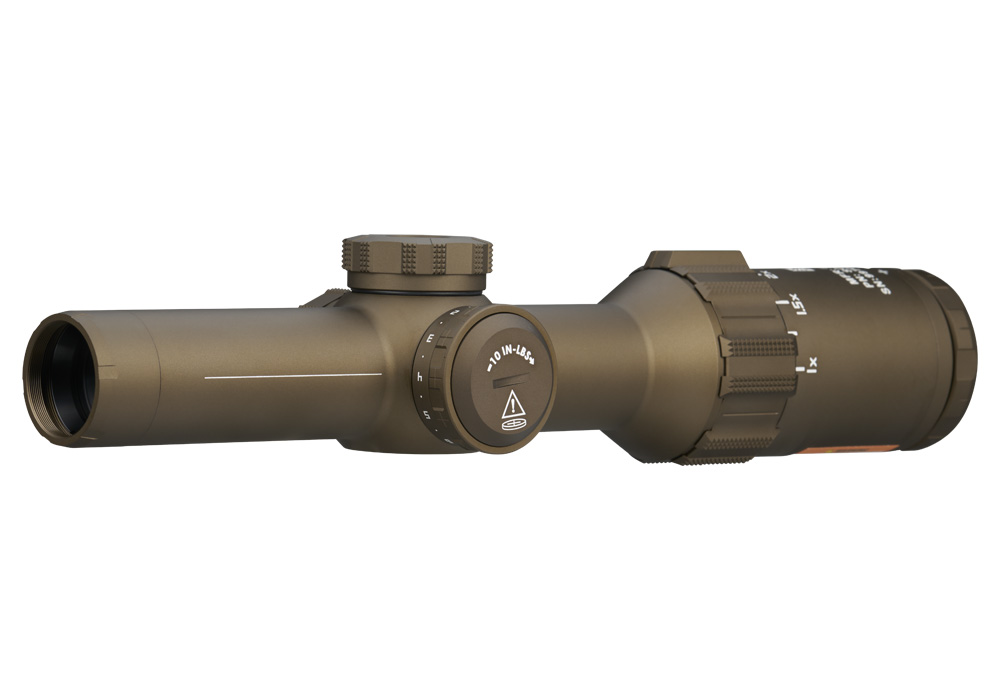
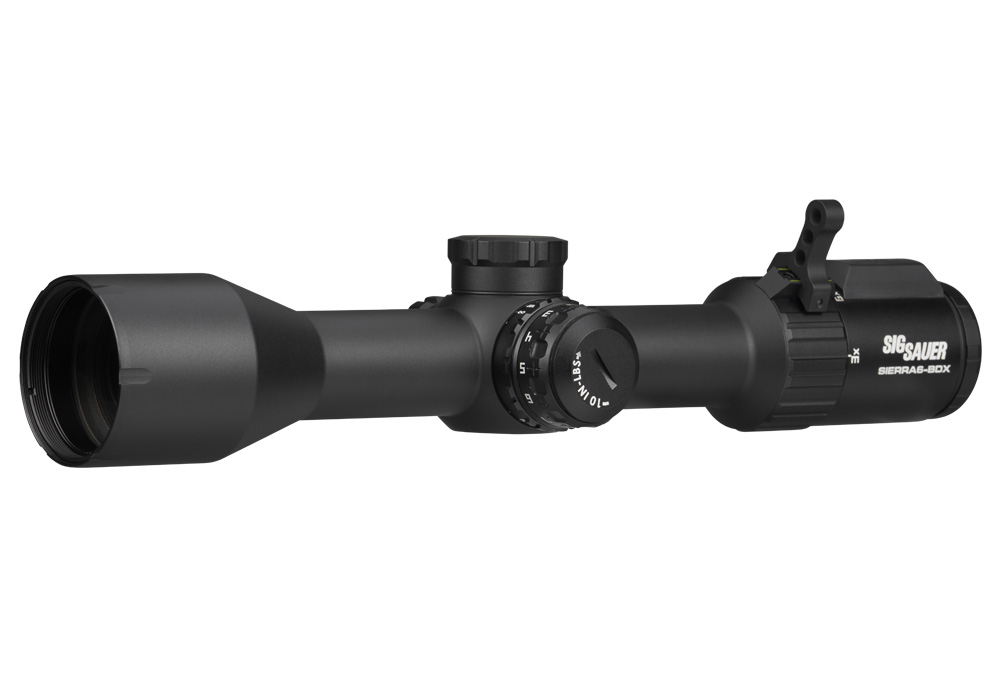
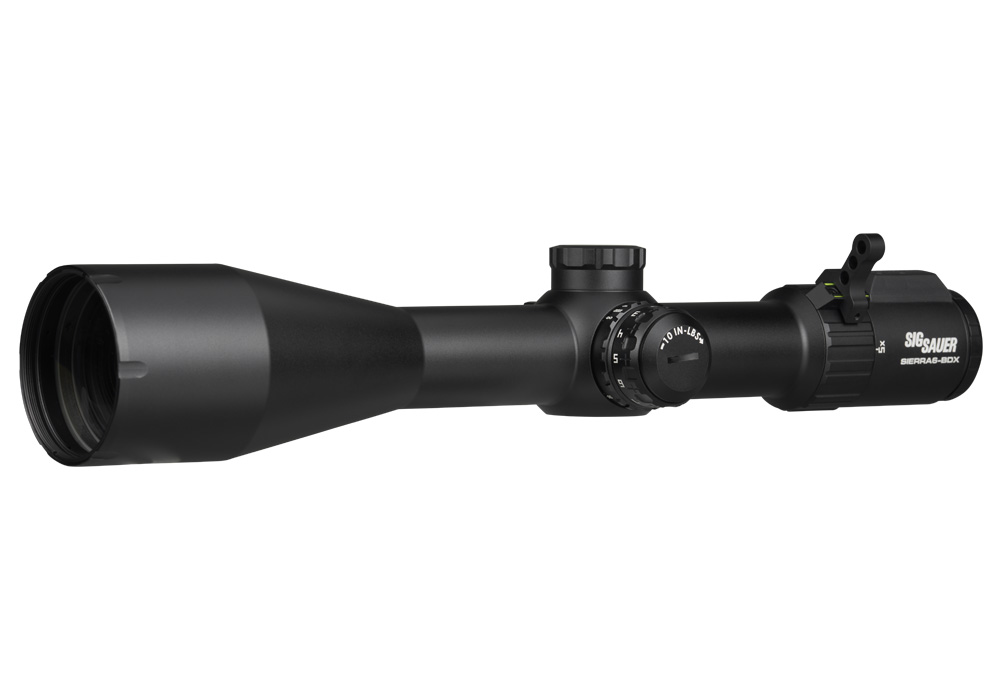
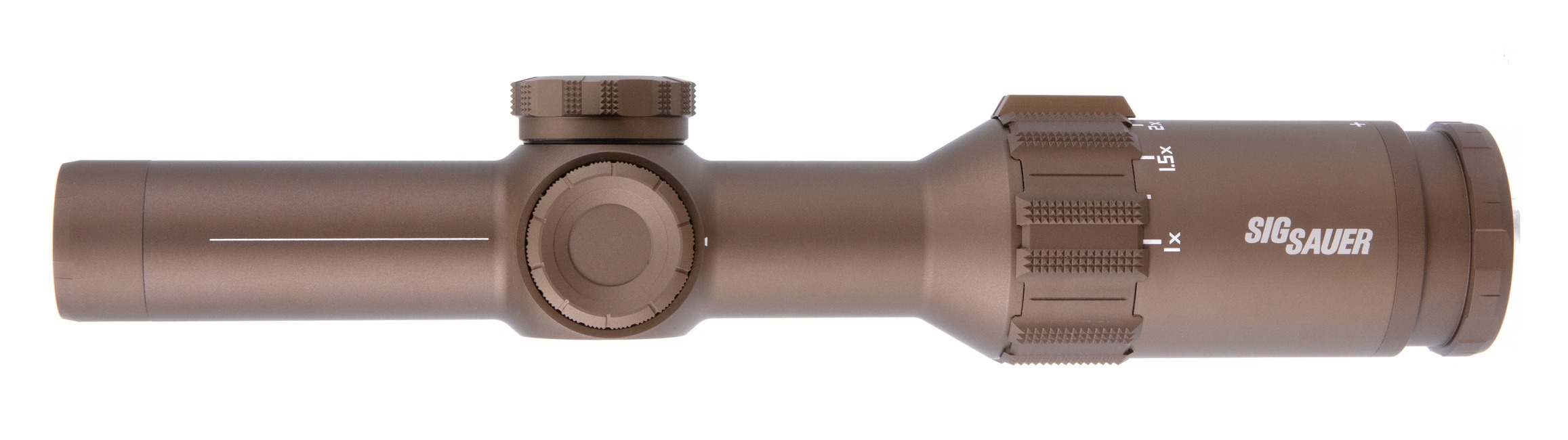
Bright Optical System Scopes bring a vivid, daylight-visible aiming point to the familiar sight picture of a riflescope. These optics are designed around illumination systems that gather and direct available light through fine fiber-optic strands or use a high-intensity LED emitter to brighten the center point of the reticle. The result is a sharp point of contrast that can remain easy to see against sunlit grass, pale timber, dark brush, or other visually busy backgrounds. Unlike a conventional etched reticle that may appear subdued in strong daylight, a fiber-optic reticle can provide a noticeably brighter focal point, helping the eye settle quickly at low magnification. Many of these scopes are low-power variable optics, allowing a broad field of view at the lower settings while offering additional magnification when a more detailed view is useful. At 1x, the experience can feel similar to using a red dot sight, with both eyes open and a natural, fast sight picture. As magnification increases, the same optic can support more deliberate observation across open ground or along a distant treeline. Brightness settings, reticle color, eye relief, adjustment range, and optical clarity all deserve close attention when comparing options. A reticle that looks brilliant in direct sun may need a lower setting beneath a covered stand, while a softer setting can preserve detail and reduce distraction in changing light. Color selection also matters: red, green, amber, or blue illumination may appear differently depending on individual vision, surrounding colors, and the time of day. Buyers who spend time in mixed terrain often appreciate a system that remains legible as the background shifts from bright field to shadowed woodland.
Selecting a Bright Optical System Scope begins with considering the firearm, the distances involved, and the way the optic will be carried and used. A compact, lightweight scope can be a practical choice for a rifle that travels through thick cover or spends long hours in a field position, while a more robust optic with greater magnification may suit open terrain and longer viewing distances. Check that the scope’s mounting configuration matches the available rail or rings, and compare the tube size, total length, and weight before committing to a setup. Eye relief is especially important on a rifle that may be shouldered quickly; generous eye relief can help create a comfortable sight picture without requiring an exact head position every time. Field of view is another useful comparison point. A wide view at low power helps the user locate a moving animal, scan a property, or observe a distant point without feeling boxed in by the optic. Turret style and adjustment markings should be easy to understand by touch and sight, particularly when the scope is used in cool weather while wearing gloves. Look for clear glass, dependable illumination controls, a reticle that remains useful with the illumination switched off, and a housing suited to the conditions in which it will be carried. Water resistance, fog resistance, and shock resistance can be valuable when a rifle moves between a heated vehicle, damp ground, and crisp outdoor air during the cooler months. Battery life matters for LED illumination, while fiber-optic systems can draw on ambient daylight without relying solely on battery power. Even with a bright center point, careful zeroing remains essential. Confirm the sight picture at the intended distance, verify that the selected brightness does not overpower the target, and spend time practicing the transition between low and higher magnification. For an overview of leading options and useful comparison points, visit Best Scopes.
These scopes can serve a wide range of users, from hunters who need a fast sight picture in changing woodland light to recreational shooters who enjoy practicing at varied distances. They can also be a thoughtful gift for someone setting up a first serious rifle, refining a field kit, or replacing an older optic whose illumination no longer feels easy to see. A bright reticle is particularly helpful for shooters who find a fine black pattern difficult to separate from a shaded target or a sunlit background. It may also suit an experienced user who wants one optic to cover close, fast-moving views and more deliberate shots farther away. During early fall, changing leaves and angled sunlight can create strong contrast one moment and muted shadows the next; during winter, low sun, pale ground, and dark evergreens can produce an equally demanding sight picture. Bright optical systems give the user more control over that visual transition, though no illumination setting can replace a clear view, a stable position, and sound marksmanship habits. Before heading outdoors, confirm the reticle color and brightness in the type of light where the scope will be used, then practice bringing the rifle to the shoulder while keeping both eyes open at low power. A small amount of familiarization can make the controls feel natural when gloves, cold air, or thick clothing are part of the day. Keep lenses protected when the optic is stored or transported, use a soft lens cloth for fingerprints and dust, and follow the optic’s care instructions for seals, battery access, and mounting hardware. With the right combination of brightness, magnification, eye relief, and rugged construction, a Bright Optical System Scope can provide a clear, adaptable view for range sessions, field observation, and responsible hunting pursuits across changing seasons.