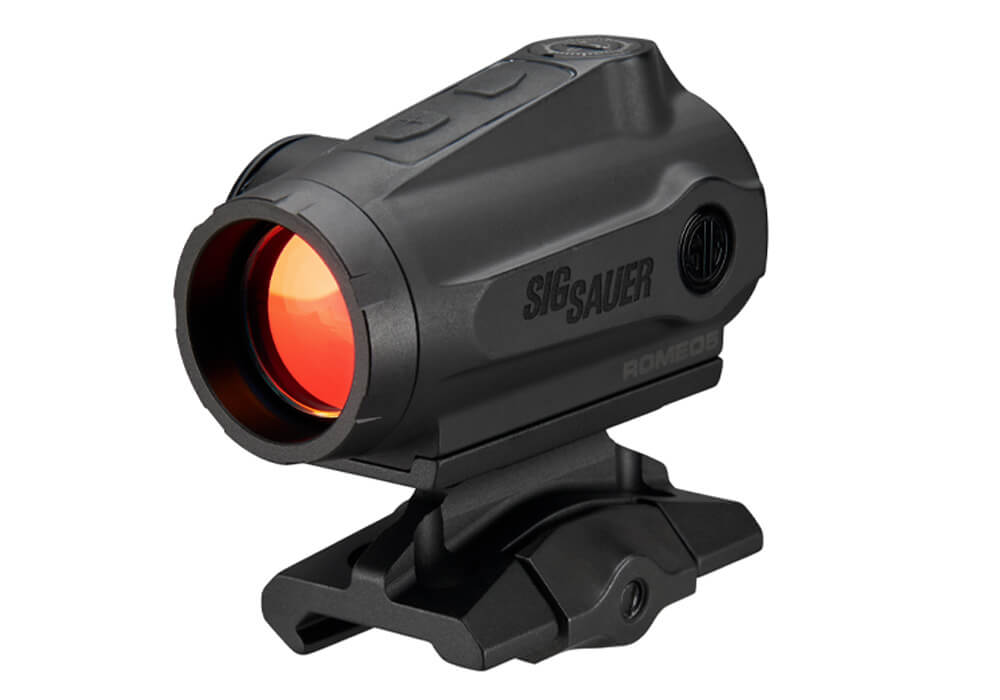
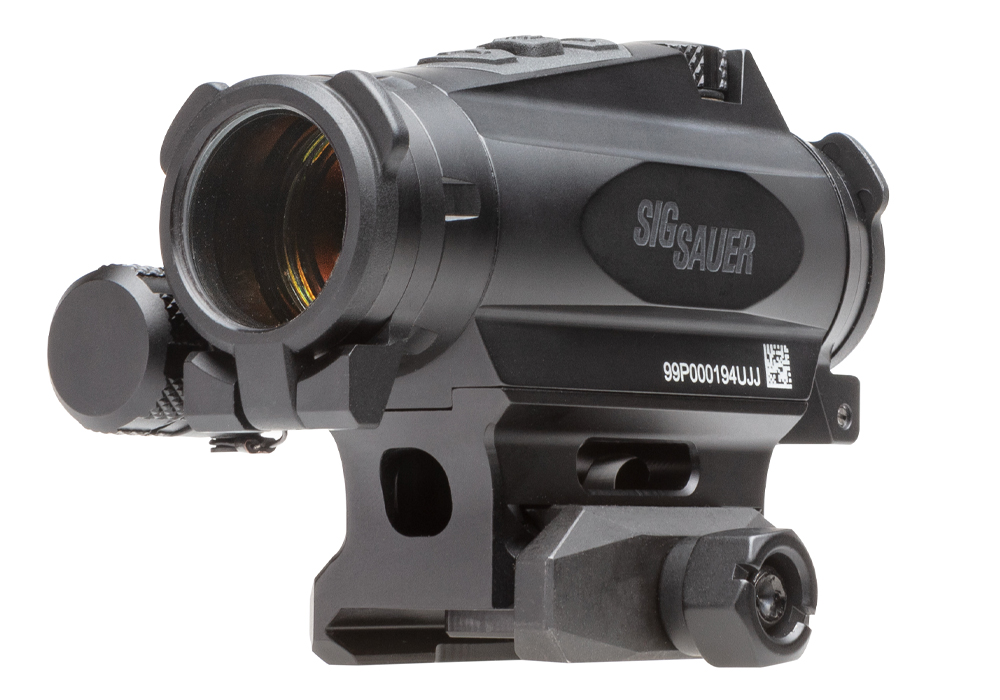
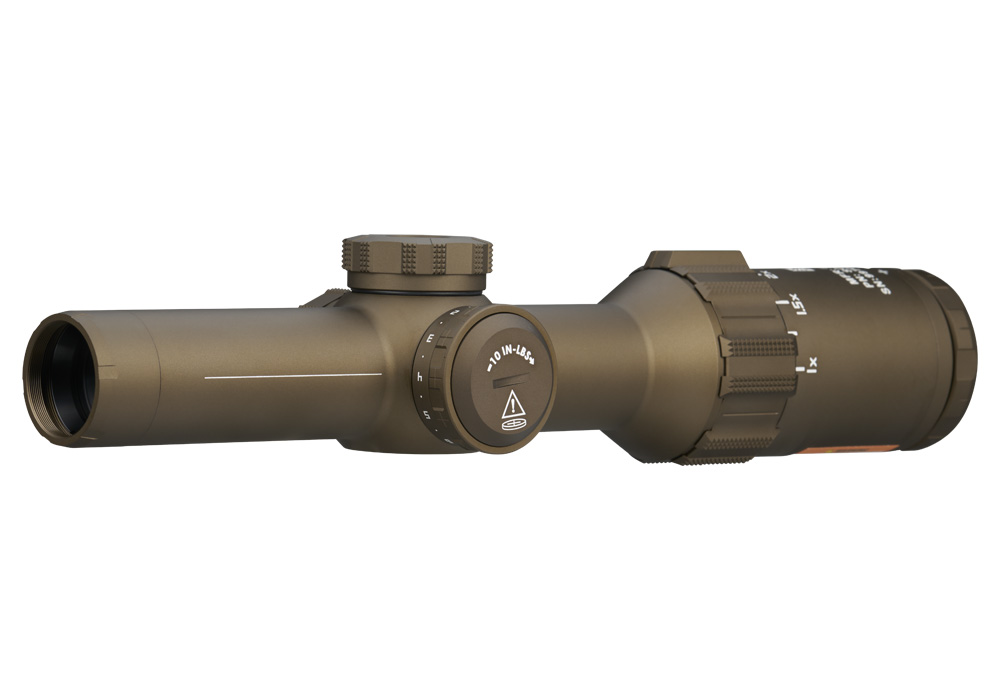
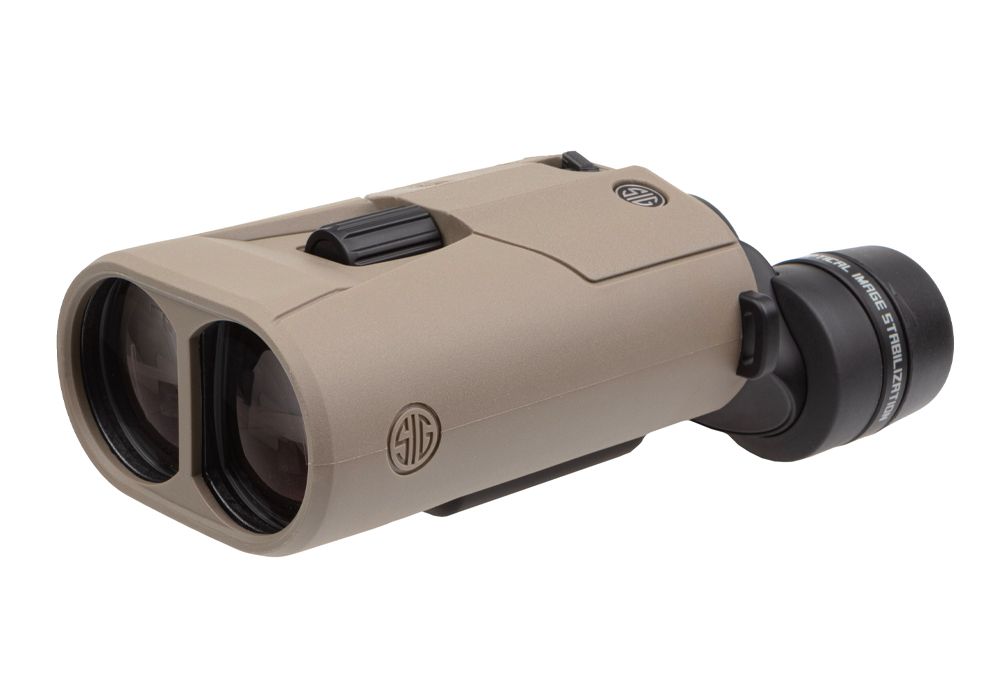
High-resolution scopes help preserve the details that matter in an image: the outline of an animal against uneven terrain, the separation between overlapping branches, or the definition of a distant aiming point. The term covers several types of optics, including thermal scopes, digital night-vision scopes, and conventional glass riflescopes with exceptional optical clarity. Each produces its image differently. Thermal scopes detect infrared energy associated with heat and translate those differences into a visible picture, while digital night-vision scopes use an electronic sensor to capture visible or near-infrared light. Conventional riflescopes transmit light through lenses rather than presenting a sensor-generated image. For thermal and digital optics, resolution is commonly expressed as horizontal and vertical pixel counts. Thermal sensor formats such as 256 × 192, 384 × 288, 640 × 512, and 1280 × 1024 describe increasingly larger pixel arrays. With other factors equal, more sensor pixels can represent finer scene detail and help an image remain useful as digital magnification increases. A 1280 × 1024 sensor contains four times as many pixels as a 640 × 512 sensor, although that does not automatically translate into four times the identification distance. Smaller arrays can suit closer observation, while larger arrays offer more image information for examining distant subjects. Digital scopes described as 4K often use a 3840 × 2160 imaging format, but visible-light digital resolution and thermal resolution are not interchangeable measures of performance. Sensor sensitivity, lens quality, focus, image processing, and display resolution also influence the view. A sharp display cannot recover detail that the sensor never captured, and digital zoom enlarges existing image information rather than adding new optical detail. Field of view depends on the optical system and magnification, not resolution alone. High-resolution scopes are therefore best understood as complete imaging systems, with clarity determined by how well their components work together. For glass optics, light transmission, contrast, edge definition, and control of optical distortion remain more meaningful than a pixel specification. Across these categories, a detailed image supports observation, but recognizing a heat signature or seeing movement is not the same as positively identifying a subject and its surroundings.
Intended use gives those specifications practical meaning. A hunter watching the edge of a clearing may value enough field of view to follow movement without constantly repositioning the optic, while a recreational target shooter examining a small aiming mark may place greater emphasis on fine detail at higher magnification. Digital night vision can show familiar visual features when sufficient visible or near-infrared illumination is present; some systems use an infrared illuminator when ambient light is inadequate. Thermal imaging can reveal heat contrast without visible illumination, but it does not see through solid obstacles, and ordinary window glass generally prevents a useful view of thermal energy beyond it. Neither technology removes the need for clear identification, a safe backdrop, and compliance with applicable hunting and firearm regulations. Magnification range, minimum focus distance, refresh rate, and control placement deserve attention alongside resolution. Higher base magnification can help present a distant subject more prominently, but it generally narrows the view and may feel restrictive at shorter distances. A smooth refresh rate helps moving subjects appear more continuous, while accessible focus and magnification controls make small adjustments less distracting. Reticle visibility matters as well: a fine reticle can preserve the view of a small aiming point, whereas a more prominent pattern may be easier to distinguish against a busy background. Fit is equally important because a clear image has limited value when the scope does not sit comfortably on the firearm. Tube diameter or mounting interface, ring dimensions, rail compatibility, objective clearance, and eye relief all affect installation. A larger objective housing may need additional clearance, but excessive mounting height can interfere with a consistent cheek position. Electronic scopes may have different mounting requirements and eye relief than conventional riflescopes. Overall length and weight also influence balance, especially on a firearm carried for extended periods. Controls should remain accessible without awkward hand placement, and the optic should be rated for the intended platform’s recoil. Manufacturer specifications and mounting instructions provide the relevant compatibility details, including appropriate fastener torque. For electronic models, operating time, charging connections, removable batteries, startup behavior, and onboard recording are additional considerations that can shape everyday convenience without changing the underlying optical resolution.
Durability and care help high-resolution scopes retain their usefulness over repeated range sessions, field outings, and transport. Aluminum-alloy housings are common because they combine structural strength with manageable weight, while protective finishes help resist surface wear. Lens coatings can improve light transmission and reduce reflections, though their performance depends on the coating system and the quality of the glass beneath it. Sealed construction helps limit moisture and dust intrusion, but a water-resistance rating should be read according to its stated limits rather than treated as permission for unrestricted immersion. Electronic optics also rely on protected battery compartments, connection covers, and intact seals. Lens caps and a padded case help prevent grit from collecting on exposed surfaces and keep the optic from rubbing against other equipment during travel. Cleaning starts with removing loose particles using an appropriate blower or soft brush; wiping a dusty lens immediately can drag abrasive material across its coatings. A clean microfiber cloth and lens-cleaning solution suitable for coated optics can address fingerprints without relying on household cleaners or rough fabric. The exterior benefits from gentle cleaning, and electronic components should be handled according to the manufacturer’s care instructions. Battery storage, approved charging methods, and supported software updates can be just as relevant to digital performance as keeping the front lens clean. After installation or changes to the mounting setup, secure fit and zero should be verified in an appropriate range setting. These practical details matter to experienced hunters, recreational shooters, and optics enthusiasts alike, whether the priority is a crisp daylight sight picture or an electronic image with clearly separated features. High-resolution scopes can also be thoughtful gifts for recipients with an established interest in shooting sports, provided the optic suits their firearm, preferred activities, and mounting arrangement. Matching those requirements is more useful than choosing by the largest resolution number alone. For a broader look at scope options, Best Scopes offers a related collection to explore alongside the emphasis on image detail here. A well-matched scope combines a readable image, comfortable fit, dependable construction, and controls that suit the person using it.