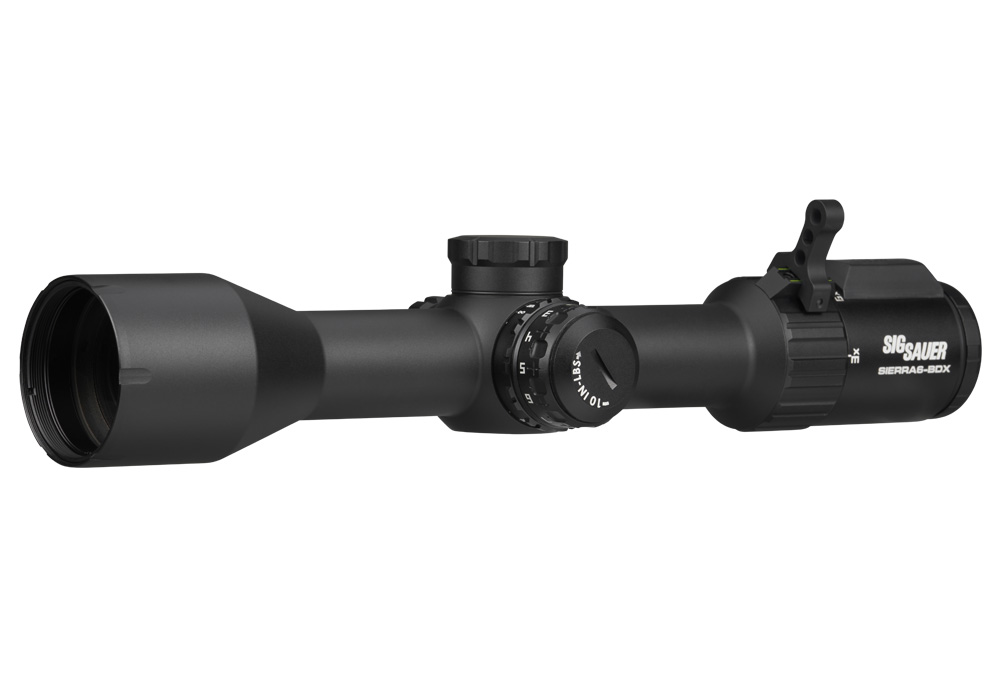
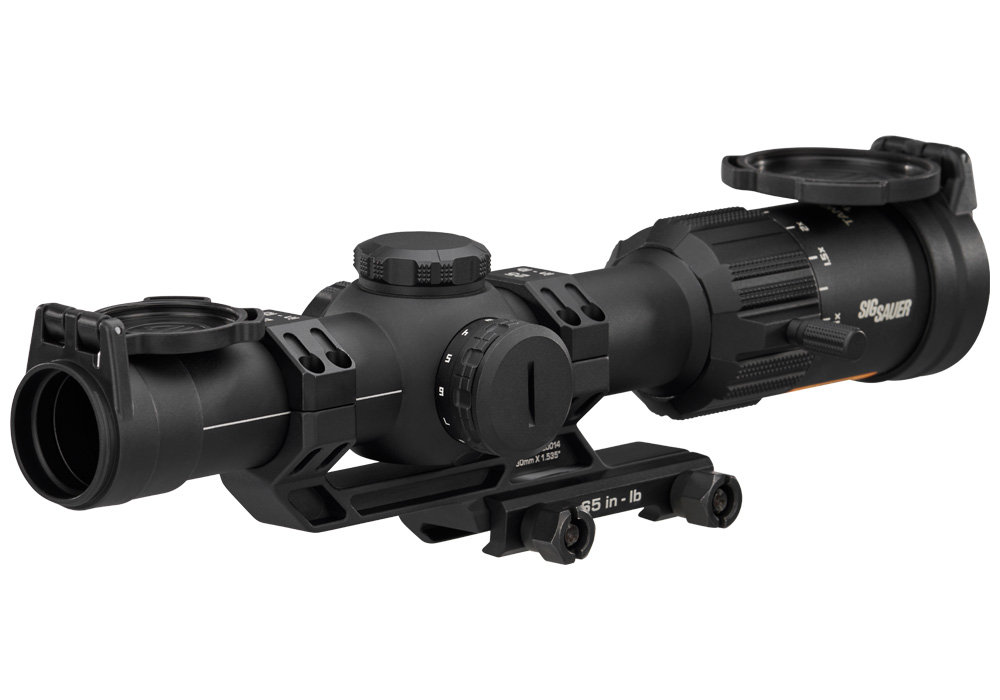
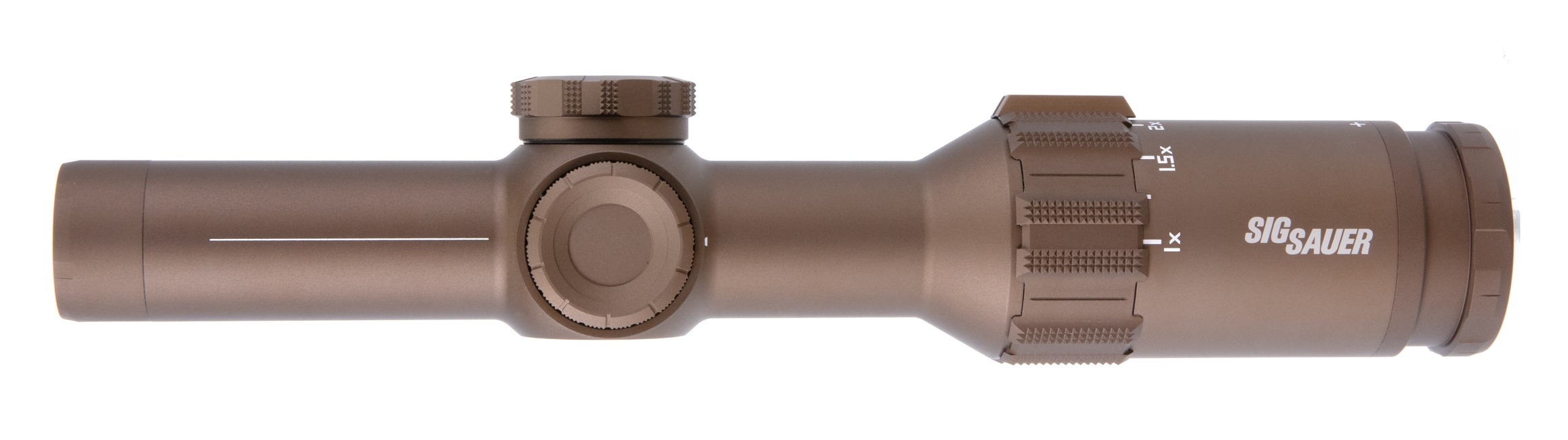
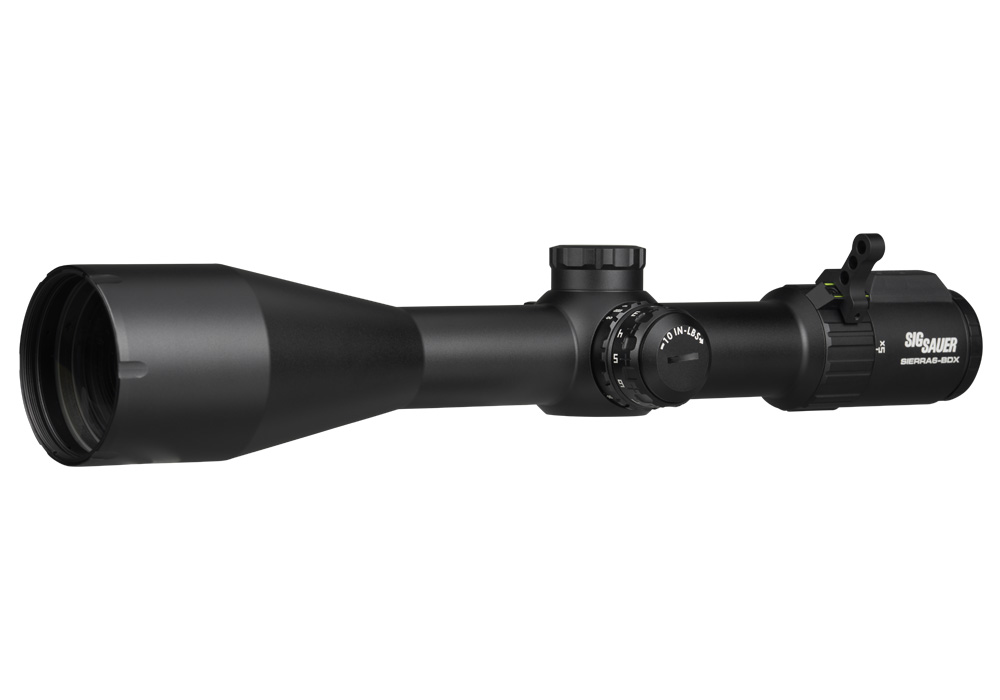
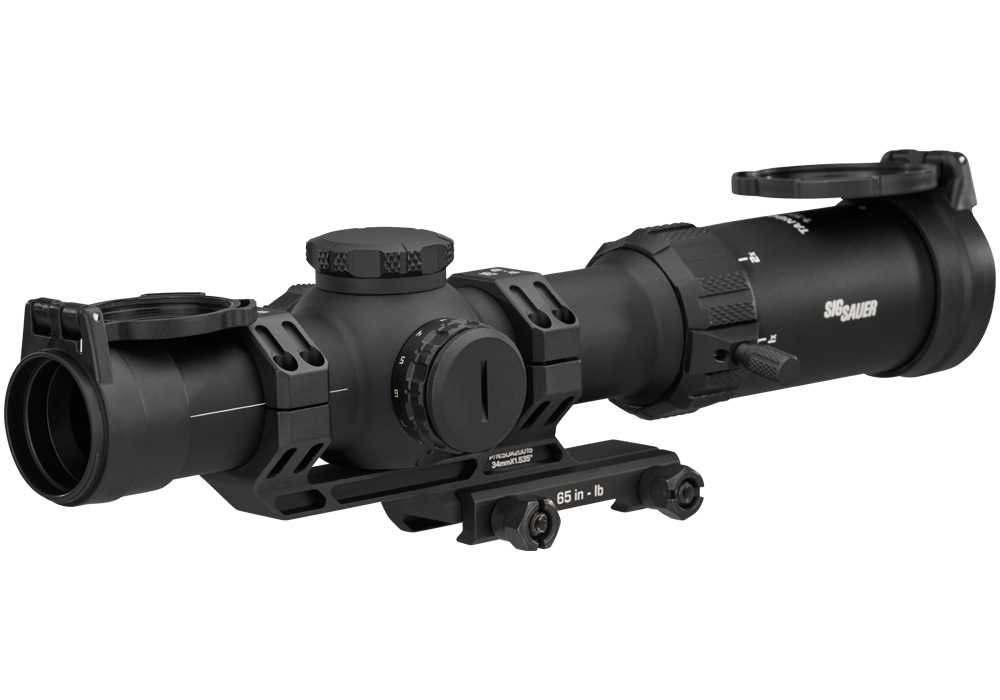
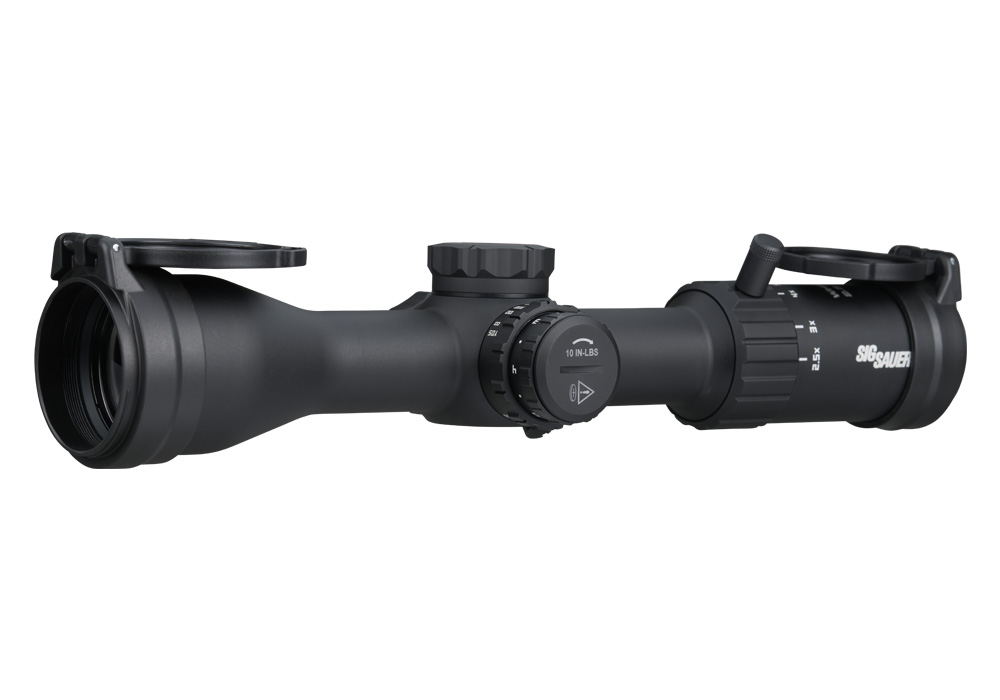
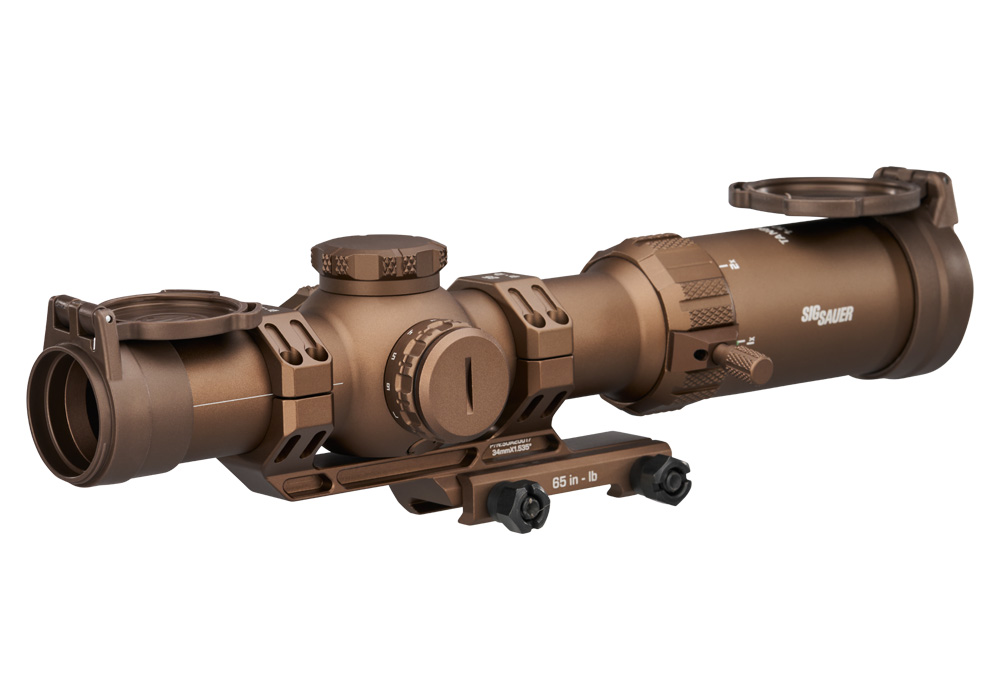
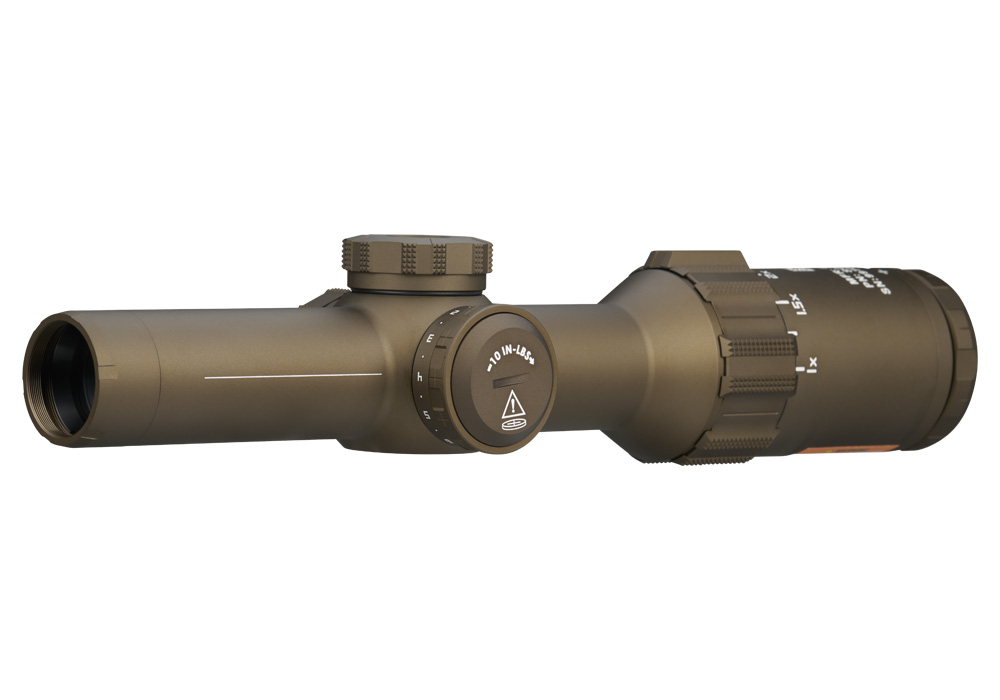
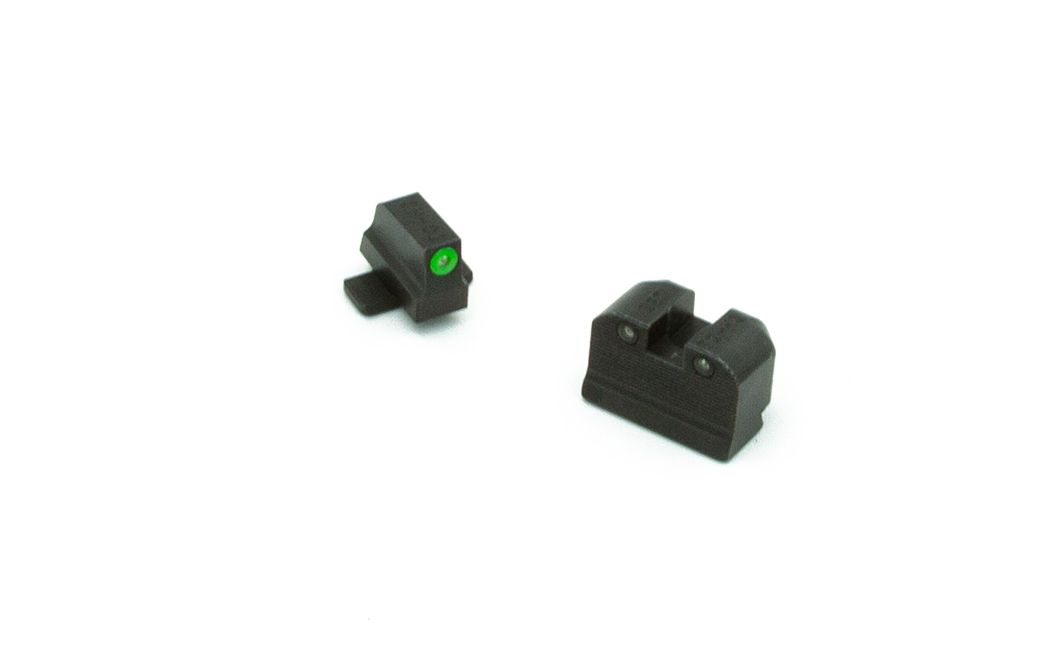
The best scope for a rifle is the one that matches the way the rifle will be used, the distances involved, and the conditions likely to be encountered in the field or on the range. A compact hunting scope with a moderate magnification range can be an excellent choice for carrying through timber, rolling fields, and rough mountain terrain, where a wide field of view helps locate game quickly and a lower-power setting makes it easier to follow movement. A scope with greater magnification may be better suited to open country, long-range target shooting, or precision practice, where a detailed sight picture and carefully measured adjustments matter more than a compact profile. When comparing scopes, consider the entire magnification range rather than focusing only on the highest setting. Lower magnification supports faster target acquisition at closer distances, while higher magnification can help reveal small aiming points and maintain precision farther away. Optical clarity is equally important. Clear glass, strong light transmission, and effective glare control can make a meaningful difference during the soft light of dawn, the shadows along a wooded ridgeline, or the final minutes before daylight fades. Hunters and recreational shooters often appreciate dependable tracking, tactile adjustment turrets, a useful reticle, and consistent return to zero. A scope should also provide adequate eye relief, a comfortable sight picture, and a forgiving eye box so that the shooter can establish a clean view without holding the rifle unnaturally. For those comparing options by optical performance, explore High Resolution Scopes for configurations designed to present a sharp, detailed image across changing distances and light conditions.
Magnification is only one part of choosing among the best scopes. The objective lens diameter affects how much light the optic can gather and can influence the overall size, weight, and mounting height of the setup. Larger objectives may support a bright sight picture in low-light conditions, but they can require taller rings and may add bulk to a rifle that is carried for miles. A smaller, lighter optic can keep a hunting rifle balanced and maneuverable, especially when moving through thick cover or climbing uneven ground. Reticle design should reflect the intended use as well. A simple duplex-style reticle offers an uncluttered aiming point for many hunting applications, while a more detailed graduated reticle can assist with holdovers, wind corrections, and distance estimation. First focal plane designs keep reticle subtensions consistent in relation to the target as magnification changes, which can benefit shooters who rely on measured holds at multiple power settings. Second focal plane designs keep the reticle visually consistent while the target image changes in size, a preference for many traditional hunting setups. Parallax adjustment becomes increasingly valuable as magnification and shooting distance increase, helping the shooter maintain a more precise relationship between the reticle and target. Durability also deserves close attention. A field optic may encounter rain, dust, cold air, brush, recoil, and the occasional bump against a truck door or pack frame. Waterproof, fog-resistant, shock-resistant construction and positive, repeatable controls can provide confidence when conditions turn less predictable during the cooler months. Before purchasing, confirm that the scope’s tube diameter, ring height, mounting system, and adjustment range are compatible with the rifle and intended ammunition. Professional installation and careful zeroing at a safe, appropriate range are worthwhile steps, followed by a practical check from the same positions and distances where the rifle is likely to be used.
These products appeal to a wide range of shooters, from someone setting up a first centerfire rifle to an experienced hunter refining a familiar platform for a new season. A new scope can be a thoughtful gift for a relative who has recently taken up target shooting, a friend preparing for a guided hunt, or a seasoned outdoorsman who values better glass and more precise controls. Gift buyers should consider the recipient’s rifle, preferred activity, and usual shooting distances before selecting an optic, since a scope chosen without those details may not fit the firearm or the shooter’s needs. For a practical hunting setup, a moderate variable-power optic often offers a useful balance of field of view, magnification, size, and weight. For benchrest or precision-oriented use, a larger optic with a broader adjustment range, refined turret system, and more detailed reticle may be the better match. Those who spend long hours behind the rifle will also notice the value of smooth magnification controls, a clearly marked power ring, a fast-focus eyepiece, and an illuminated reticle when available and appropriate for the application. During early fall outings and later cold-weather range sessions, small details become especially apparent: gloves can make a stiff turret difficult to operate, low temperatures can expose weak battery performance, and a poorly positioned scope can make a comfortable cheek weld nearly impossible. Take time to mount the optic securely, level the reticle, establish a repeatable zero, and confirm that the rifle remains comfortable to carry and shoulder. The right scope does more than enlarge a distant target; it connects the shooter to the rifle with a clearer sight picture, more predictable adjustments, and greater confidence in the equipment when the landscape stretches from shaded timber to open ground.