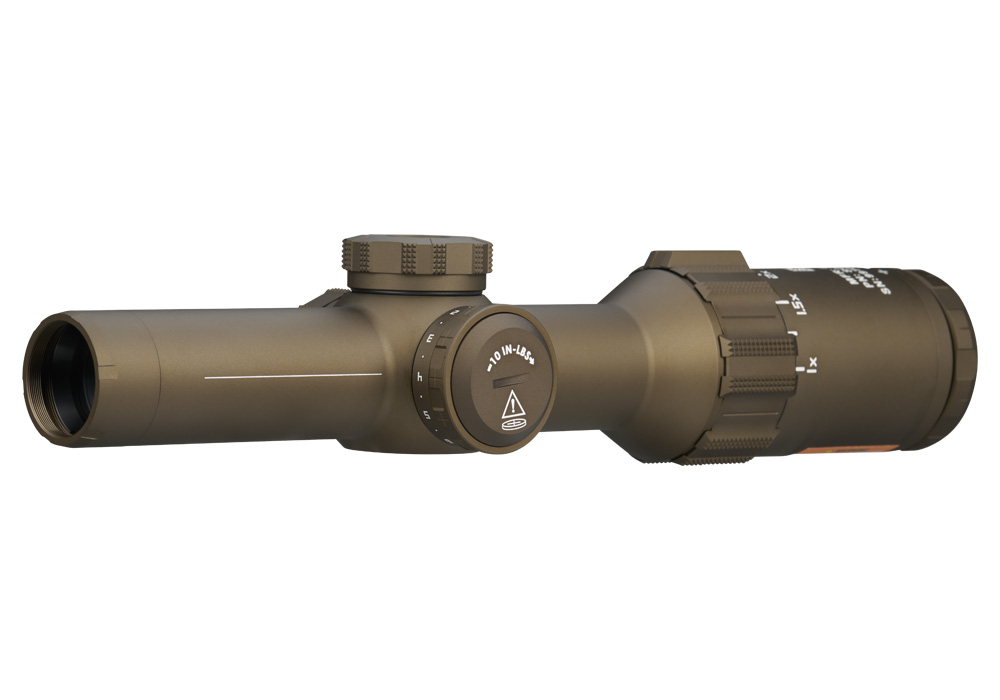
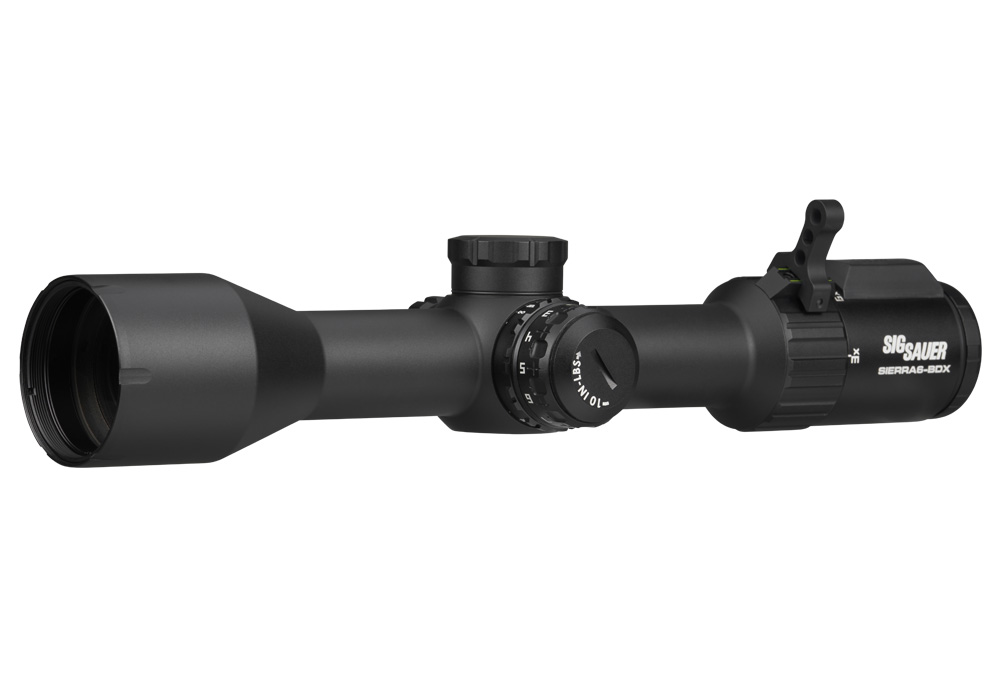
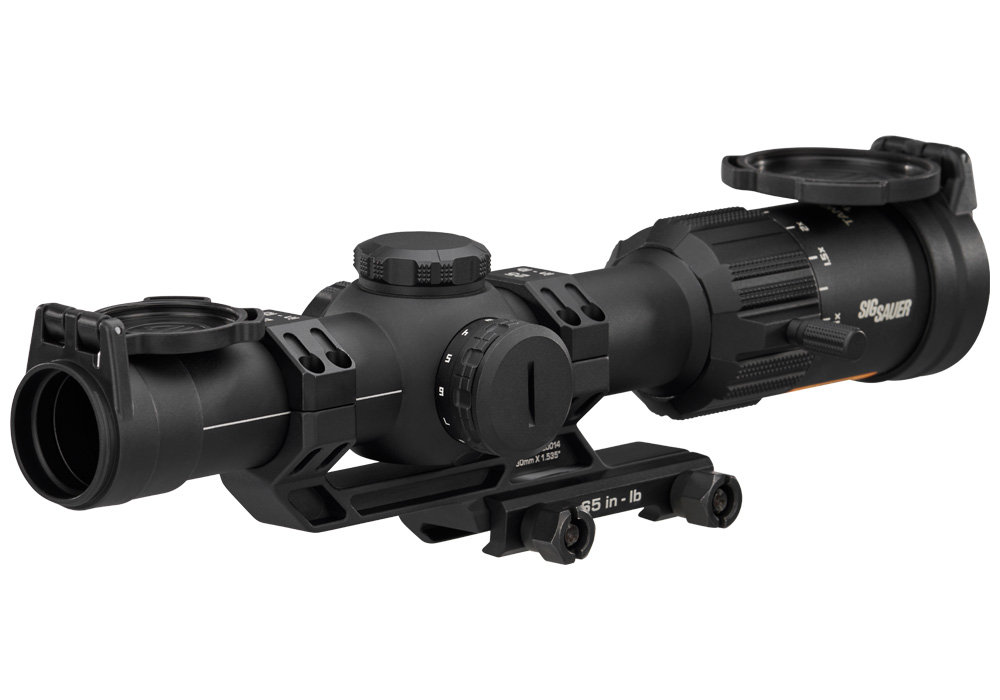
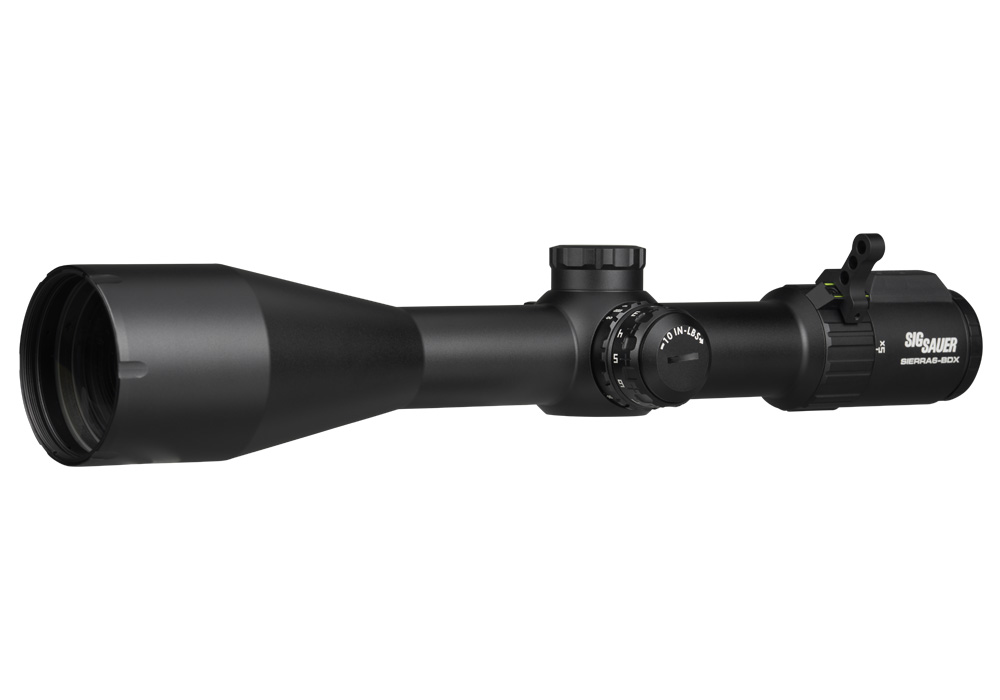
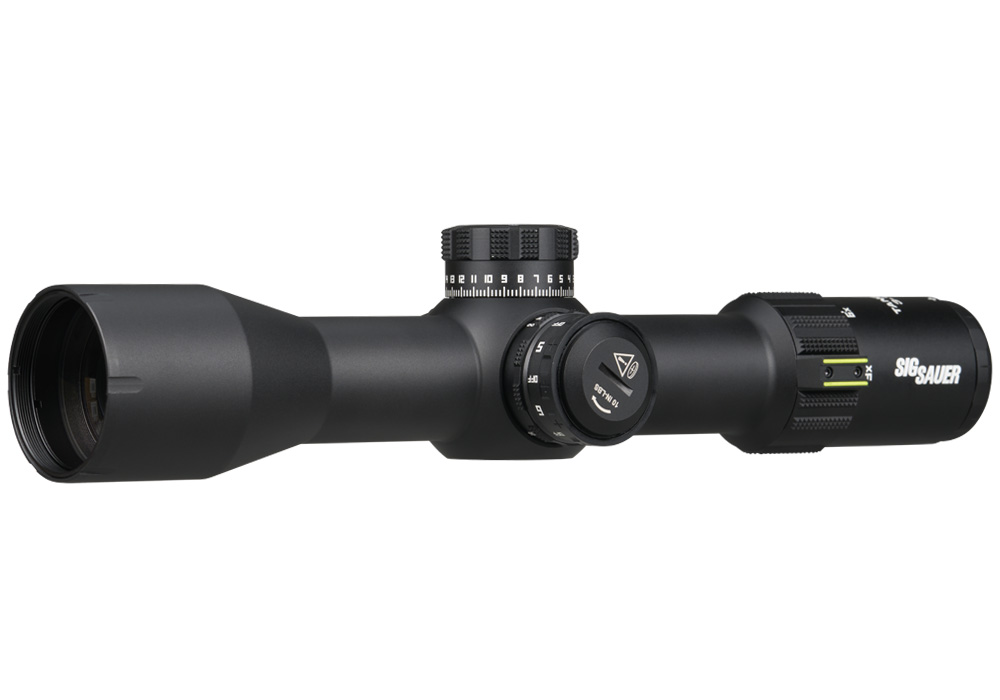
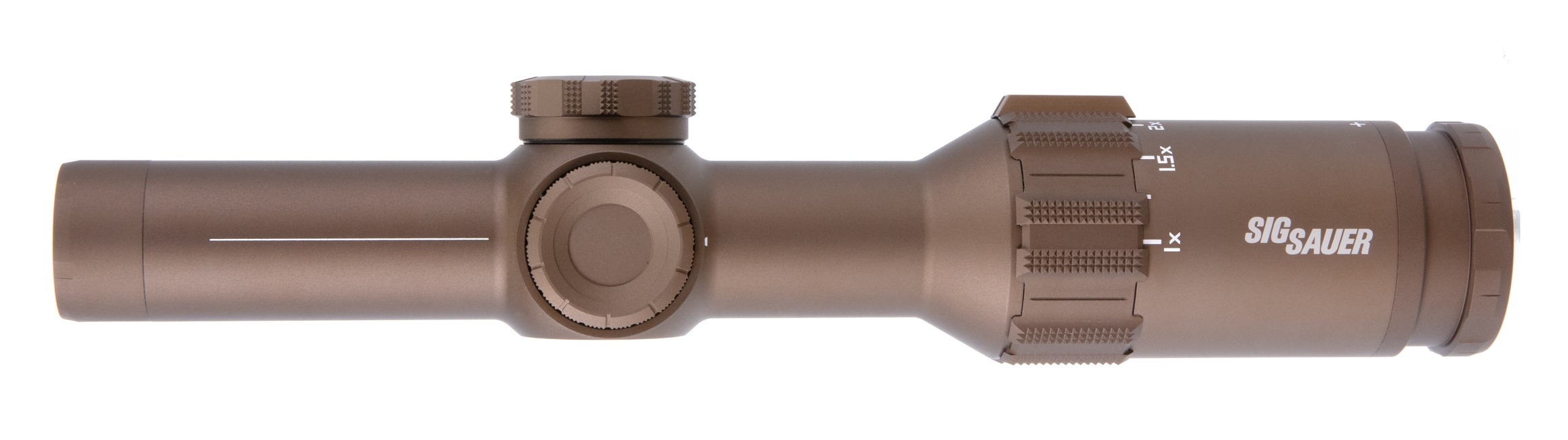
The best scopes for rifles are not defined by magnification alone. The right choice depends on how the rifle will be used, the distances involved, the conditions likely to be encountered, and the balance of the firearm once the optic and mount are installed. A lightweight hunting scope with a practical low-to-medium magnification range is often a strong fit for hunters who carry their rifles through timber, fields, and uneven terrain. These scopes typically offer a generous field of view at the low end for locating game and following movement, while providing enough magnification for a careful shot across an open meadow or ridge. For longer-range target shooting, a scope with greater magnification, precise adjustment turrets, a clearly marked reticle, and reliable tracking may be more appropriate. Intermediate options can serve well for shooters who want one versatile optic for range practice, occasional hunting, and general-purpose use. When comparing recommended rifle scopes, consider the rifle’s chambering and intended range, but also give equal attention to weight, eye relief, adjustment feel, reticle design, and optical clarity. A scope that looks impressive on a specification sheet may not be the most comfortable choice when carried over a full day or used from an improvised field position.
Magnification is one of the first specifications shoppers notice, but it should be matched to the expected shooting environment. Lower magnification makes it easier to acquire a moving target and maintain awareness of the surrounding area, while higher magnification can help with precise aiming at extended distances. A variable-power scope offers flexibility, allowing the shooter to dial down for close cover and increase magnification when a stable, distant target or small aiming point demands more detail. Objective lens size also affects performance: a larger objective can help gather light, but it generally adds weight and may require higher mounting rings. During the cooler months, when early mornings can bring dim light, fog, or changing weather, clear glass, dependable coatings, and a reticle that remains visible without obscuring the target become especially valuable. First-focal-plane reticles maintain their relationship with the target as magnification changes, which can be useful for shooters who regularly use holdovers or elevation references. Second-focal-plane reticles can provide a familiar, consistent appearance and are often favored for straightforward hunting applications. Turret style matters as well. Protected or capped turrets help prevent accidental movement while traveling through brush, whereas exposed, tactile turrets may suit shooters who make frequent adjustments at the range. Reliable zero retention, repeatable tracking, and a clear return-to-zero process are practical features that support confidence from one outing to the next. Anyone mounting a new optic should use appropriate rings and bases, confirm compatibility with the rifle, establish proper eye relief, and verify zero with the intended ammunition before relying on the setup in the field.
The best rifle scope for a particular shooter also reflects experience level, budget, and personal priorities. A new hunter may appreciate a simple, durable optic with an uncluttered reticle and an intuitive magnification range, while an experienced precision shooter may place greater value on elevation travel, parallax adjustment, detailed reticle markings, and fine turret adjustments. Shooters who spend long days carrying their rifles should pay close attention to overall weight and size, especially when comparing scopes with large objective lenses or extended magnification ranges. Those who practice from a bench or shooting mat may prefer a heavier scope if its added features improve precision and repeatability. For varmint or small-target use, higher magnification and parallax control can make it easier to distinguish a small aiming point, while a hunter in dense woods may benefit more from a wide field of view and a compact profile. Scope selection can also make a thoughtful gift for a hunter, new rifle owner, or recreational target shooter, provided the recipient’s rifle, mounting system, usual distance, and shooting style are known. When those details are uncertain, a general-purpose optic with versatile magnification and dependable eye relief is often easier to match than an extremely specialized model. Browse these recommended options alongside the broader Best Scopes selection to compare designs suited to hunting, target practice, competition, and everyday range use. Regardless of the optic chosen, responsible ownership includes following applicable laws and range rules, using appropriate backstops, confirming a safe target and background, and checking the rifle and scope together whenever ammunition, mounts, or shooting conditions change.