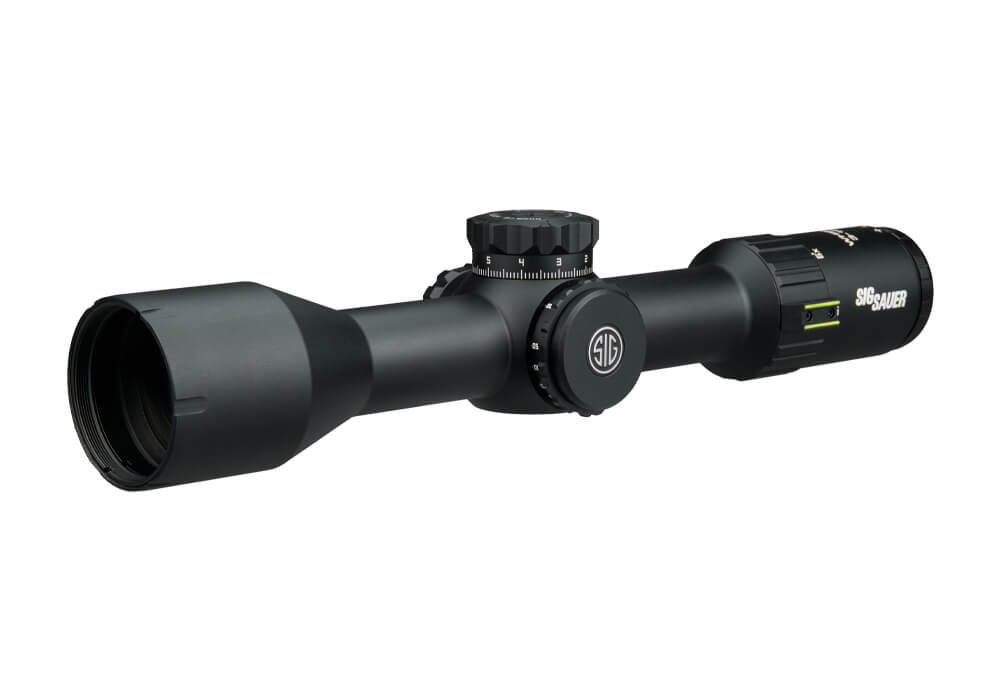
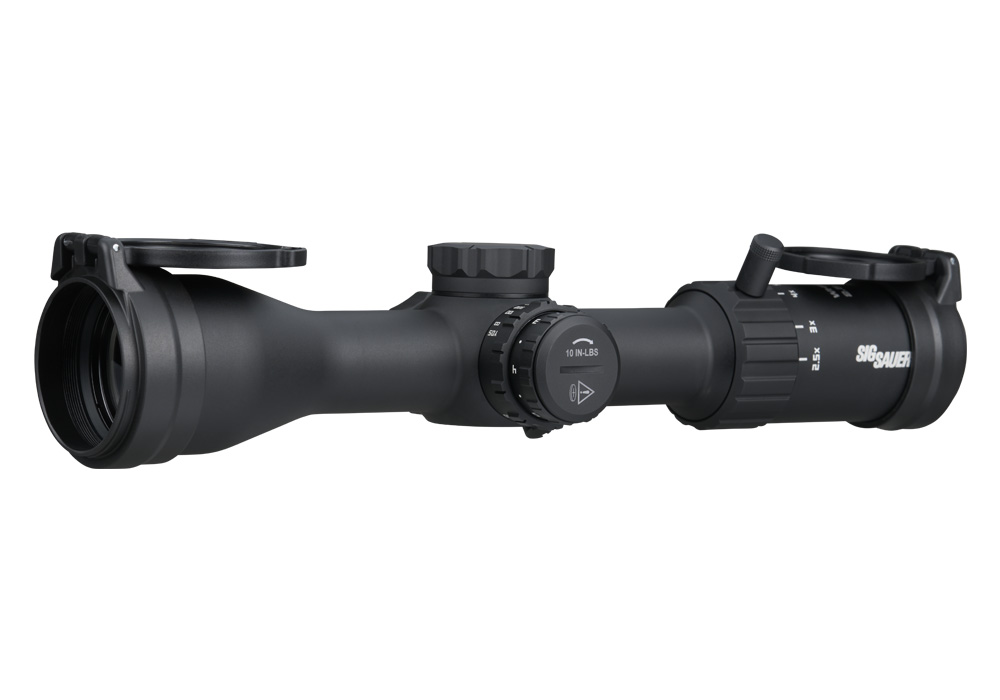
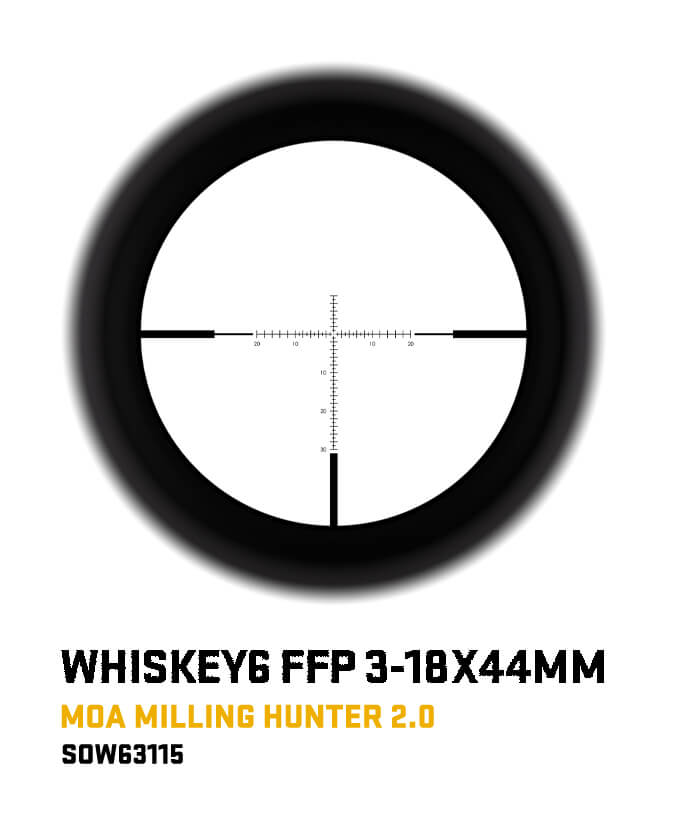
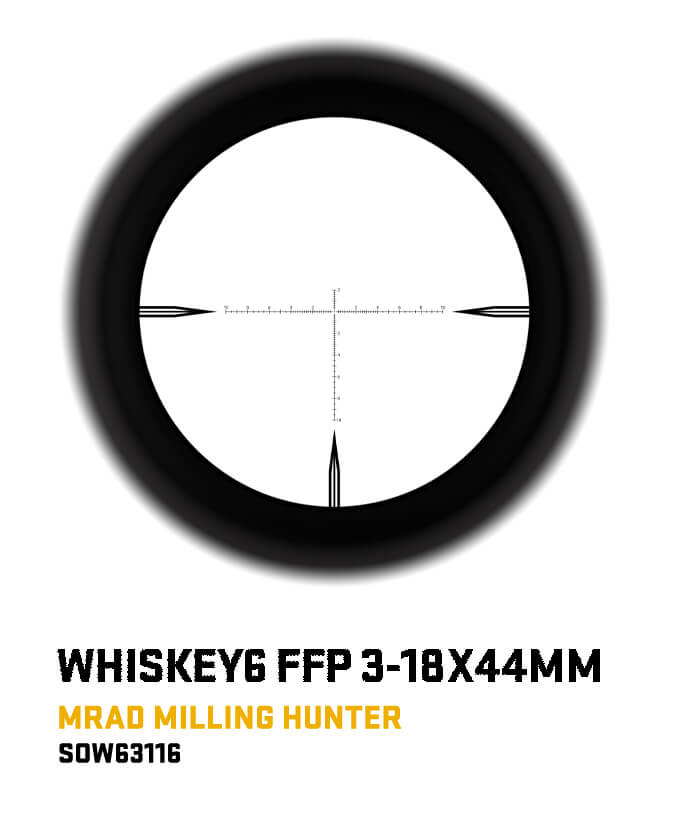
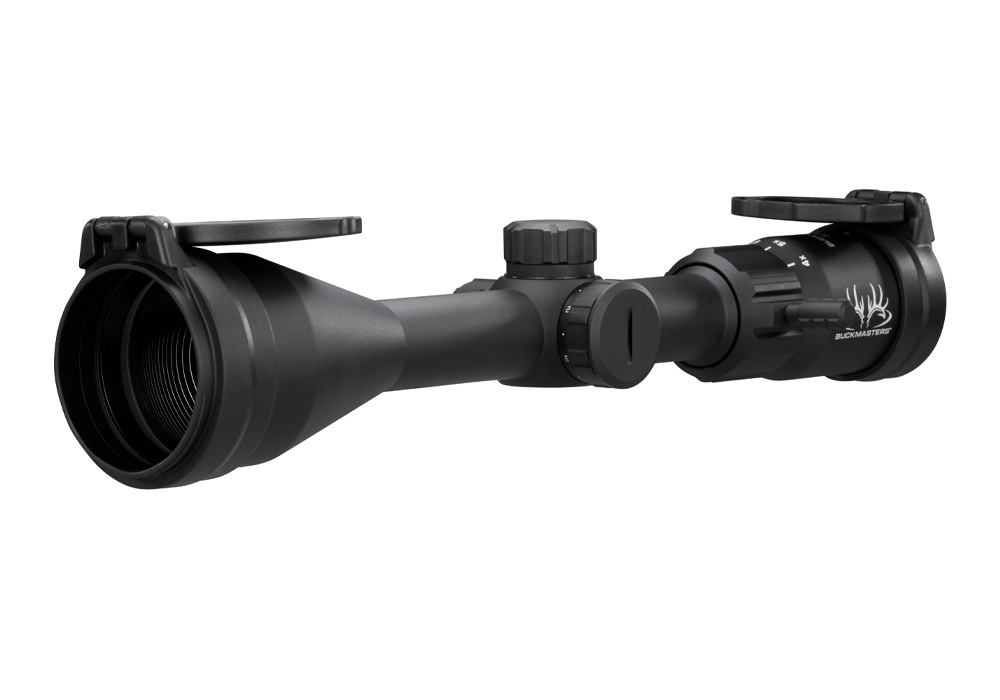
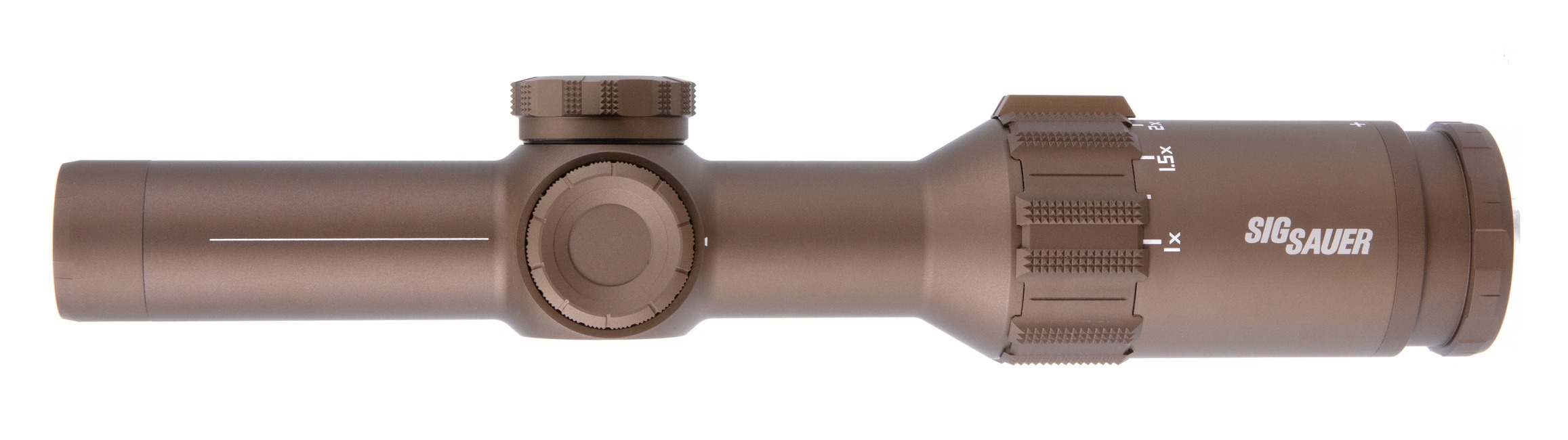
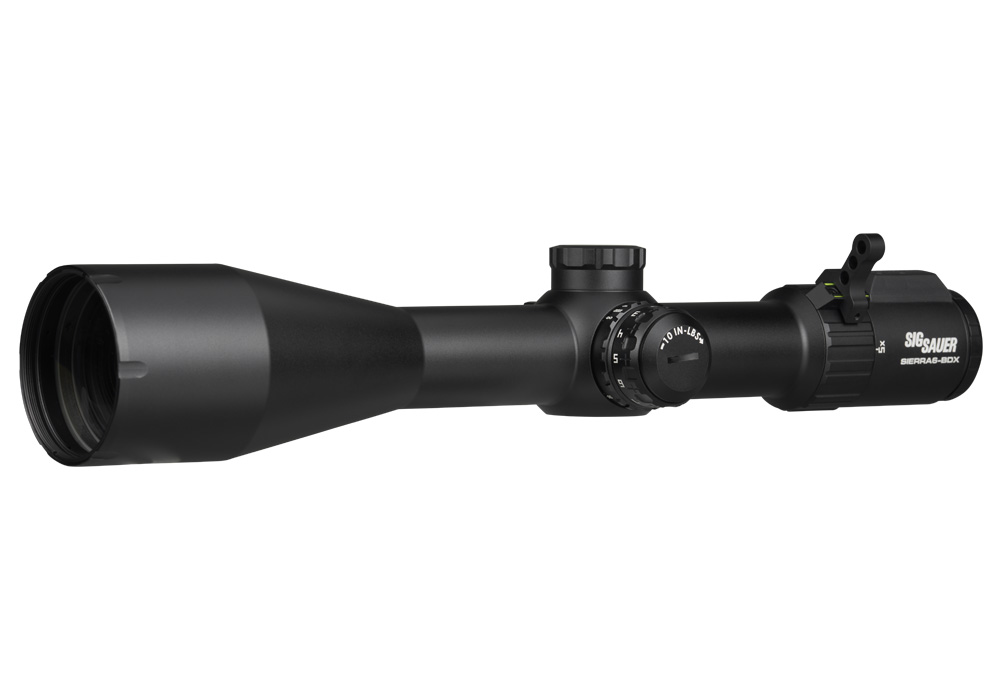
Choosing among the best hunting scopes for rifles starts with matching the optic to the way you hunt, the rifle beneath it, and the places where you expect to use it. A scope for close cover and thick timber calls for different priorities than one intended for open fields, rolling western terrain, or long sightlines across a clear-cut. Begin with magnification. A lower starting power offers a wider field of view, which can help when game appears quickly at short range or moves through brush, while a higher upper-end power can provide a more detailed view across open country. A versatile variable-power scope is often a practical choice for hunters who travel between habitats, with a moderate range that supports both quick target acquisition and careful shot placement. Objective lens size also deserves attention. A larger front lens may gather more light and provide a brighter image in dim conditions, but it can add weight and require taller mounting hardware. A smaller, streamlined optic may carry more comfortably over long ridgelines and through dense woods. Weight matters more than many first-time buyers expect; after several miles with a rifle slung over one shoulder, every ounce becomes familiar. Eye relief is another important consideration, particularly on rifles with noticeable recoil. Look for generous, consistent eye relief and a clear sight picture that appears naturally when the rifle is shouldered. Reticle design should fit the environment and the hunter’s eyesight. A simple duplex-style pattern can be fast and uncluttered, while hash marks or other references may assist with holdover and wind compensation when distances vary. An illuminated center point can be useful during the dim edges of legal hunting light, provided the setting remains subtle enough to preserve the surrounding view. Turrets should turn with positive, repeatable clicks, and the adjustment markings should be easy to read with cold fingers or gloves. Hunters who sight in once and leave the adjustments alone may prefer capped turrets that reduce the chance of an unwanted change during travel. Those who regularly confirm zero or adjust for different distances may value more accessible controls. Regardless of configuration, optical clarity, reliable tracking, a forgiving eye box, and a reticle that remains visible against both dark timber and pale sky are qualities worth prioritizing.
The right scope also depends on game, terrain, typical shooting distance, and the rifle’s intended role. A hunter pursuing whitetails in wooded country may spend more time viewing a narrow opening at dawn than scanning a distant slope, making field of view, brightness, and fast target acquisition especially important. In open country, a scope with additional magnification and precise adjustment references may be more suitable for evaluating an animal at distance, reading the surrounding terrain, and confirming a steady aiming point before taking a shot. Predator hunters often value a bright image, a useful low-power setting, and a reticle that remains easy to see against changing backgrounds; shoppers comparing options for that purpose can also browse Riflescopes For Predator Hunting. Before purchasing, check the scope’s tube diameter, mounting requirements, adjustment range, and compatibility with the rifle and rings you plan to use. A quality optic cannot compensate for loose mounts, an improper eye position, or a rifle that has not been properly sighted in. After installation, confirm the zero from a stable rest, inspect the reticle at several magnification settings, and verify that adjustments return consistently after practice changes. Spend time behind the scope before heading into the field. Shoulder the rifle from several positions, move from low power to higher power, and practice finding the reticle without hunting for it inside the glass. This small routine pays off when a deer steps from shadow into a strip of fading light and there is little time to settle in. Weather resistance is equally important during the cooler months, when frost, rain, sleet, and damp leaves can challenge equipment. Sealed construction, durable exterior finishes, and lenses with protective coatings help an optic remain useful through changing conditions, though a soft lens cloth and a secure cover still belong in every pack. A riflescope can be a thoughtful gift for a new hunter, a seasoned outdoorsperson, or anyone preparing to build a dependable hunting setup. The best choice is rarely the one with the most impressive specifications alone; it is the optic that balances clarity, weight, magnification, controls, durability, and budget with the recipient’s real habits in the field. For many hunters, that balance turns a familiar rifle into a more confident, consistent tool, whether the day begins beneath frosty branches, along a windy ridge, or beside a quiet field as evening settles in.