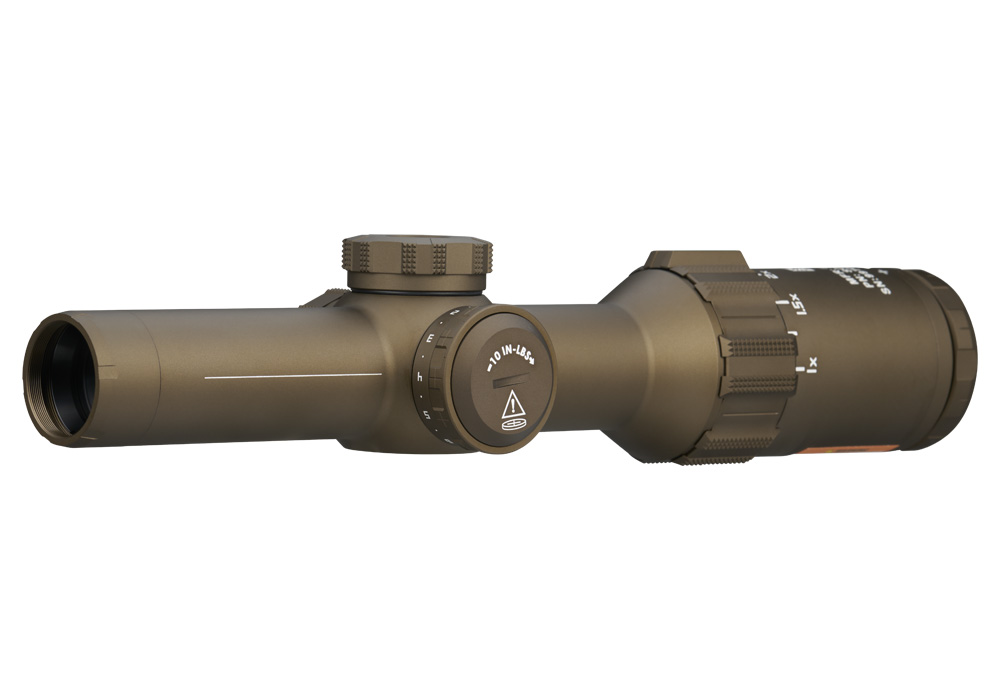
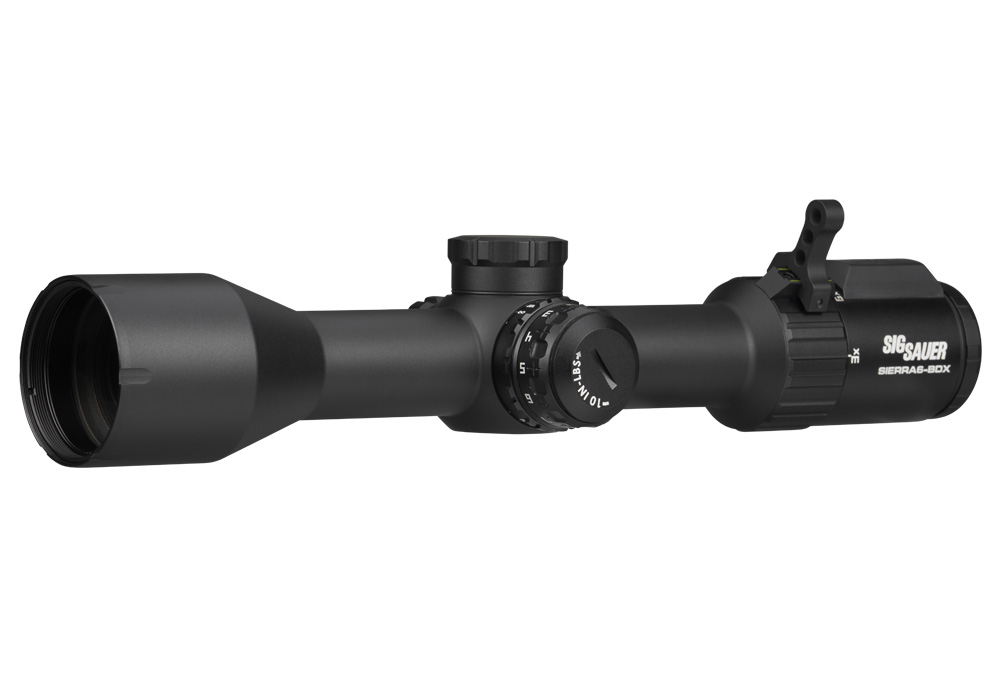
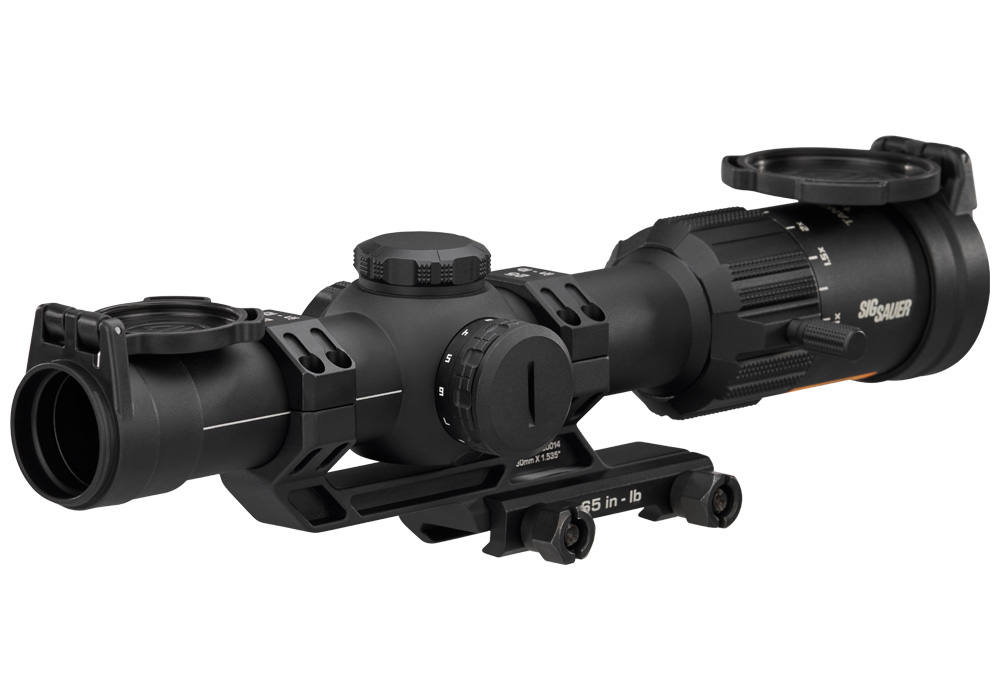
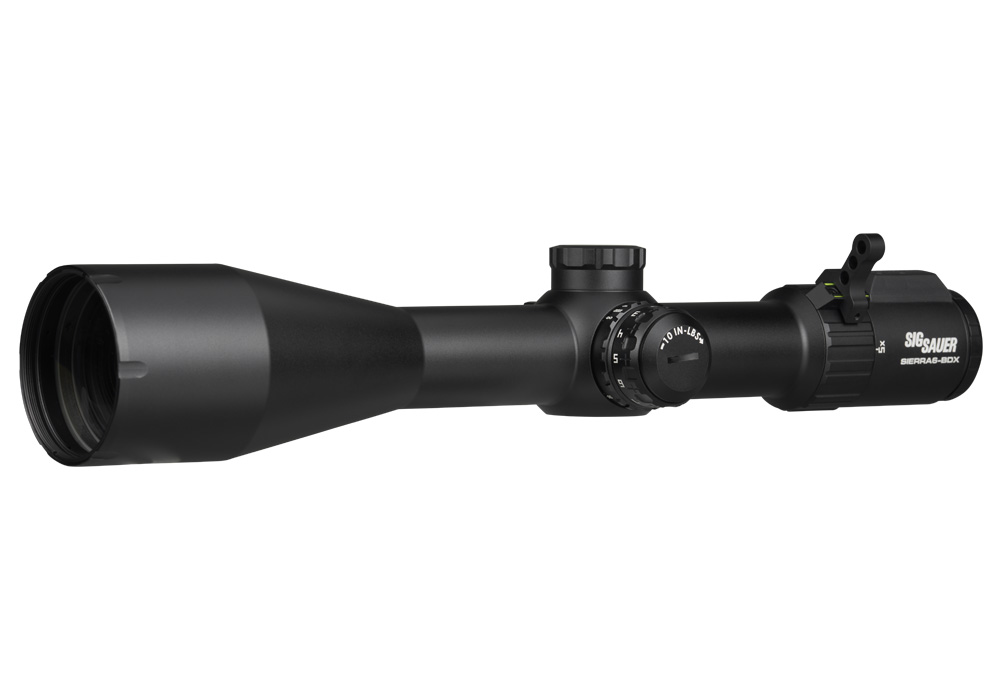
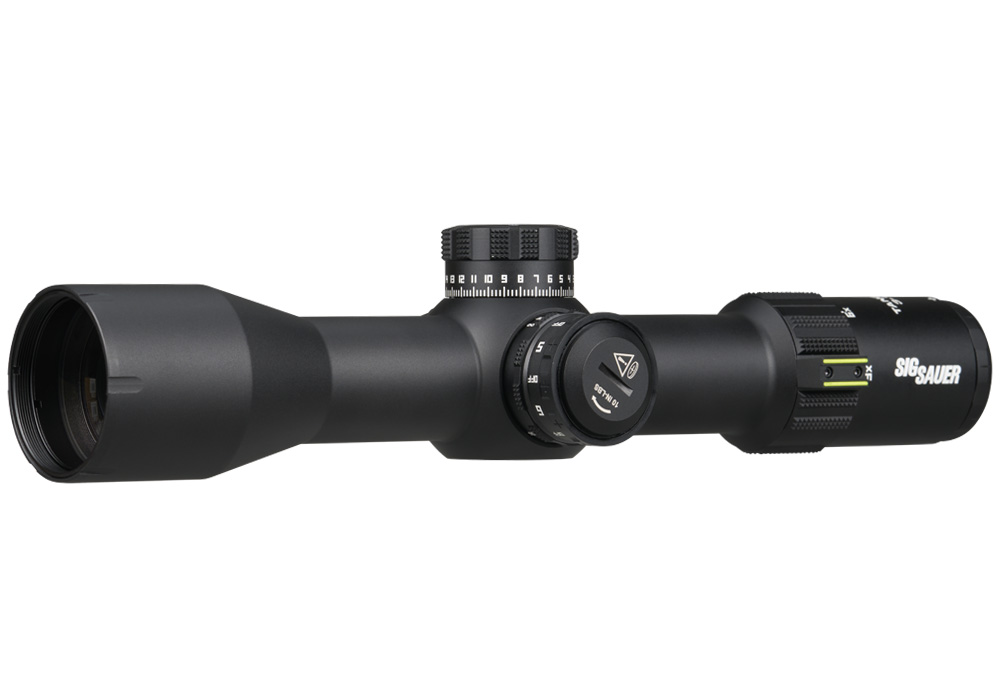
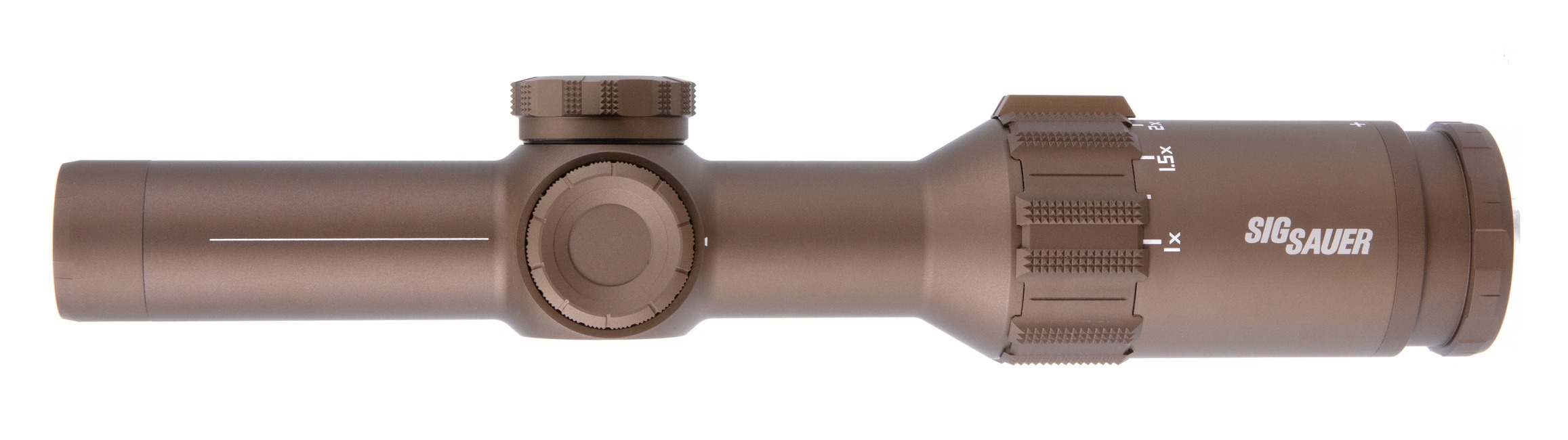
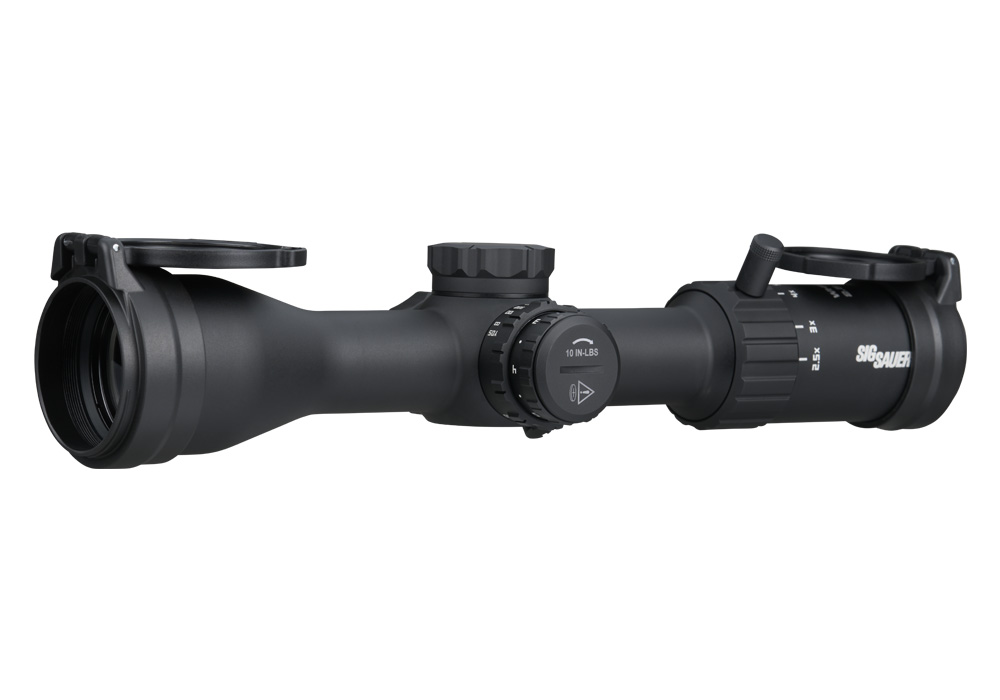
Riflescopes for predator hunting balance a useful magnification range, clear optical performance, and dependable construction without adding unnecessary bulk to a hunting rifle. The right combination depends on the terrain and the distances a hunter reasonably expects to encounter. A coyote appearing along a brush line presents a different viewing challenge than one standing across an open pasture, and a scope needs to suit those realistic situations rather than offer the highest magnification possible. Variable ranges such as 2–7x, 3–9x, and 2.5–10x can provide versatility for many predator hunting settings, pairing a wider view at lower power with additional detail at higher settings. A relatively low minimum magnification is especially useful around broken cover, where a narrow field of view can make an animal difficult to locate through the optic. More powerful scopes can suit open terrain, but their size, weight, and reduced viewing area at higher settings deserve consideration. Optical clarity matters just as much as the numbers on the magnification ring. Good contrast helps distinguish the outline of an animal against grass, shadowed timber, or uneven ground, while consistent sharpness across the image makes the view less distracting. At dawn and dusk, efficient light transmission and a usable exit pupil help preserve detail, although no conventional riflescope can reveal information that the available light cannot support. A larger objective lens can be helpful in some configurations, but objective diameter alone does not establish image quality or low-light performance. Lens design, coatings, magnification, and the viewer’s own vision all contribute. Larger objectives can also require taller mounting arrangements and add weight, so a balanced hunting setup is often more useful than the largest possible optic. Binoculars remain appropriate for searching unfamiliar ground and identifying animals before a rifle is brought into use; a riflescope should not serve as a general observation tool. Clear identification and a safe background remain essential regardless of how bright or detailed the sight picture appears.
Reticle design gives predator hunting scopes much of their character. A simple duplex pattern offers an uncluttered view, with heavier outer lines that lead the eye toward a finer center. Reticles with additional reference marks provide more information, but that information is only helpful when the pattern stays readable against the terrain. Fine lines may look precise on a bright range target yet become difficult to distinguish against dark vegetation, while overly heavy markings can obscure small details. An illuminated center can improve reticle visibility in dim light, particularly where dark fur and shaded cover blend together. Useful illumination offers a restrained low setting as well as sufficient adjustment for brighter surroundings; excessive brightness can overwhelm the image instead of improving it. Battery requirements, control placement, and whether the etched reticle remains visible without power are practical details worth comparing. First focal plane reticles retain the same relationship to the target throughout the magnification range, while their apparent size changes as magnification changes. Second focal plane reticles maintain a consistent apparent size, and any calibrated reference marks generally correspond to a specified magnification. Neither arrangement is automatically better for every hunter. Readability at the lowest setting, familiarity with the pattern, and the intended use matter more than a feature label alone. Adjustment controls also influence how a scope fits a hunting rifle. Capped turrets protect settings from routine contact with cases, clothing, and brush, while exposed controls emphasize access and should have a dependable means of retaining the chosen setting. Clear markings, repeatable adjustment, and reliable zero retention are valuable across either style. Adjustable parallax can be useful when viewing distances vary substantially, though it adds another control to manage. Conventional glass optics and illuminated reticles should also be distinguished from digital night vision and thermal sights. Reticle illumination does not provide night vision, and specialized electronic optics have different performance limits, power needs, and legal considerations. Hunting hours, permitted equipment, and species regulations vary by jurisdiction and require confirmation before use.
Durability starts with the entire scope assembly, not simply a rugged-looking exterior. Aluminum alloy tubes offer a practical balance of strength and weight, while protective finishes help resist surface wear from handling and transport. Sealed construction helps keep dust and debris away from internal components, and protective lens coatings can make routine cleaning easier when used with appropriate care. Recoil compatibility matters, especially when an optic moves between rifles with different chamberings, and the complete mounting system must be suitable for both the rifle and the scope. Main tube diameter, ring dimensions, mounting interface, objective clearance, and access to the bolt handle all affect compatibility. A scope that looks proportionate on a specification sheet can still feel awkward if its mounting position prevents a comfortable cheek weld or places the eyepiece too close to the shooter. Adequate eye relief and a forgiving eye box support a consistent view from ordinary hunting positions without requiring an unnatural head position. Weight deserves similar attention: a substantial optic may feel settled on a supported rifle but become noticeable when carrying equipment between locations. For hunters who alternate between a bench and the field, the most satisfying setup often preserves familiar handling rather than emphasizing every possible feature. Care is straightforward but important. Loose grit should be removed before lenses are wiped, and an optical cloth or lens-safe cleaning product should match the manufacturer’s recommendations. Lens covers help protect exposed glass during storage and transport, while periodic checks of the mounting hardware and zero help reveal changes before a hunt. The tube, adjustment controls, and lenses benefit from gentle handling rather than aggressive scrubbing or unnecessary lubrication. These considerations also matter when choosing an optic as a gift for an experienced predator hunter: knowing the rifle, existing mounts, preferred reticle, and typical terrain is more useful than choosing solely by magnification. For a broader comparison of hunting applications and optical priorities, Best Hunting Scopes For Rifles provides related context. A well-matched predator hunting scope brings those priorities together in a clear, comfortable sight picture and a configuration that suits the rifle’s intended use.