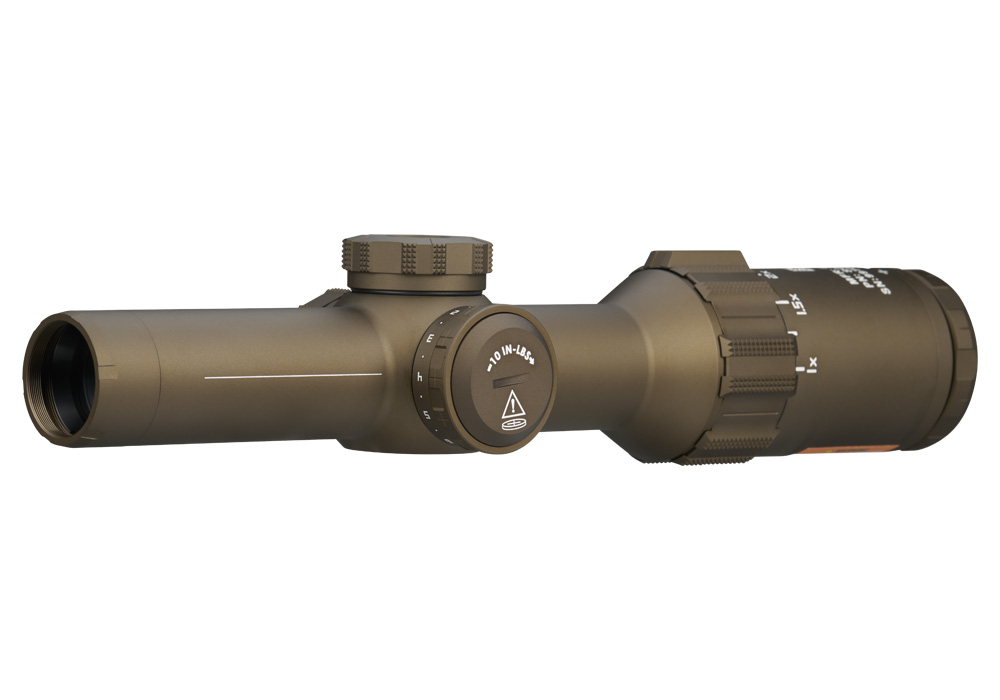
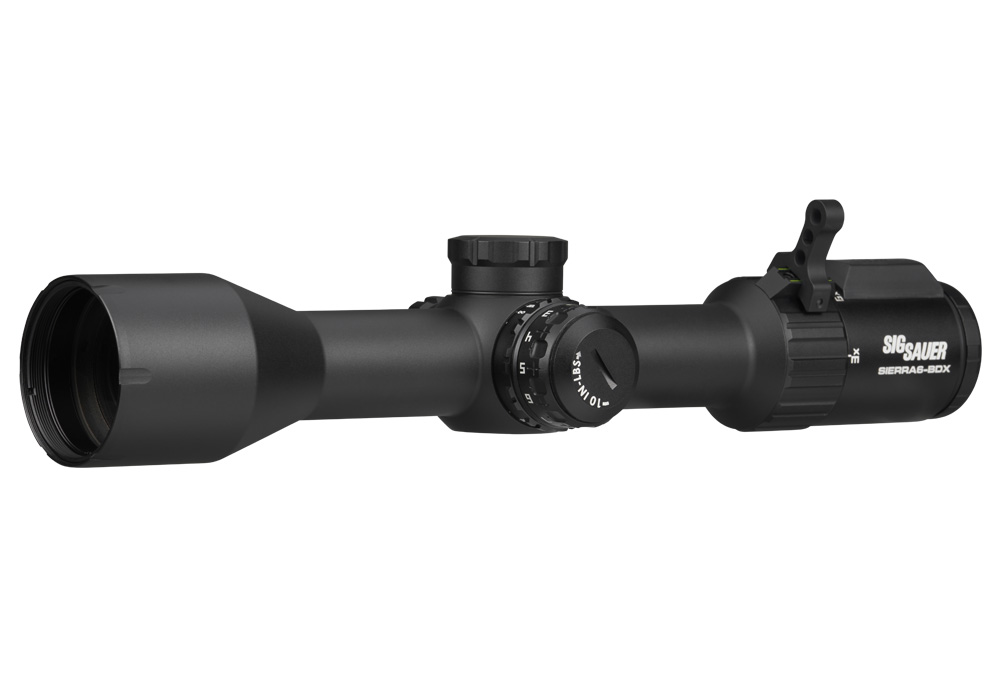
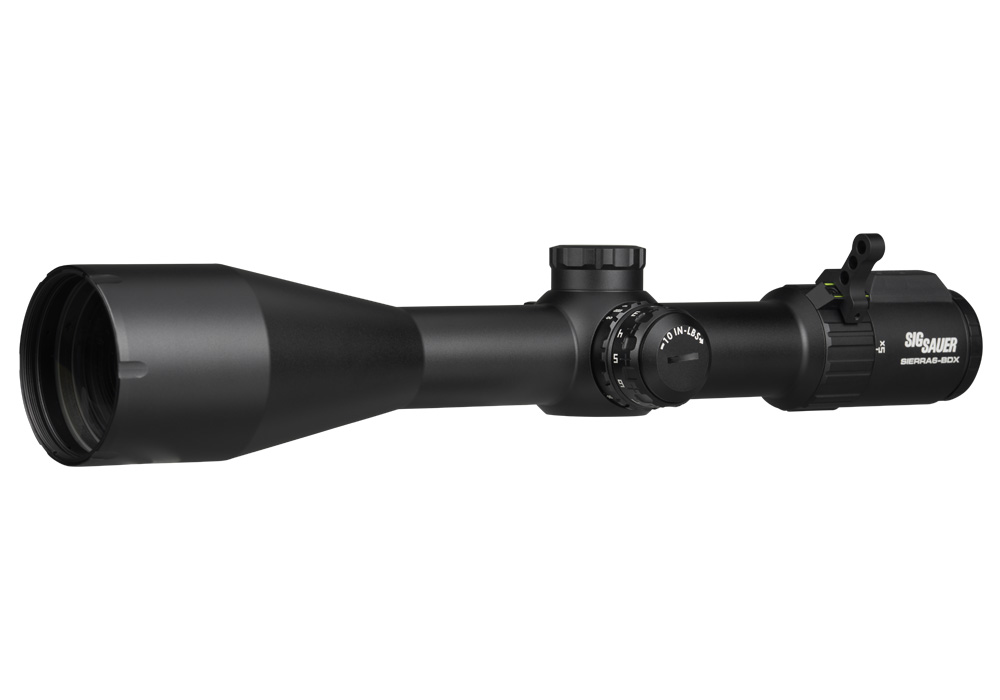
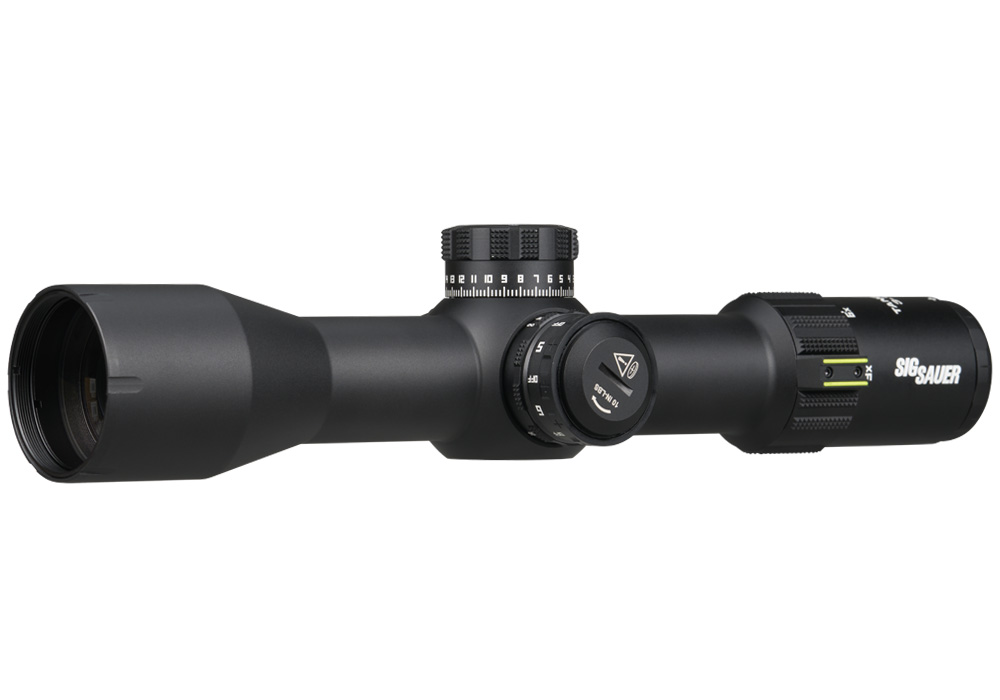
Riflescopes for hog season are selected less by a single “best” specification than by the way a hunter expects to use the rifle. Feral hogs may appear at close range in thick brush, cross an open field several hundred yards away, or move through the low-light periods around dawn and dusk. A low-power variable optic, often called an LPVO, is a versatile choice for daytime hunting in mixed terrain. At its lowest setting, a true 1x or near-1x magnification provides a wide field of view and supports quick target acquisition with both eyes open, which can be valuable when a sounder moves through timber or a hog steps from cover at short distance. Increasing magnification to 4x, 6x, or 8x can provide a more precise aiming view across an open pasture, cut field, or long sendero without adding the bulk of a high-magnification precision optic. An illuminated reticle can help the aiming point stand out against dark hides, shaded vegetation, and changing backgrounds, while a simple, uncluttered reticle is often easier to use when a fast-moving animal presents only a brief opportunity. For hunters who spend most of their time in open country or hunt during legal shooting hours when light is fading, a traditional variable-power riflescope with a wider objective lens may be a practical fit. Objective diameters in the 40mm to 56mm range can help gather available light, although a larger objective may require taller mounting hardware and can add weight to a rifle carried over long distances. Magnification in the 3-9x, 3-12x, or similar range gives a useful balance of field of view and reach for deliberate shots across fields, while a lower starting power remains helpful when an animal appears closer than expected. Clear glass, dependable adjustment controls, generous eye relief, and a forgiving eye box matter in the field because a hunter may be wearing layered clothing, shooting from an improvised rest, or bringing the rifle up quickly after sitting quietly in a blind. A riflescope intended for hog season should also be suited to the rifle’s recoil, resistant to rain and humidity, and easy to adjust without losing a reliable zero.
Night hunting introduces a different set of equipment considerations, and local regulations should always be reviewed before using thermal, infrared, or digital night-vision equipment. Thermal riflescopes detect differences in heat rather than relying on visible light, making them useful for locating hogs against dark fields, brush lines, and wooded backgrounds when nighttime hunting is lawful. A low base magnification, commonly around 2x or 3x, provides a broader view for scanning and following more than one animal, while digital zoom or higher magnification can help with identification and aiming at greater distances. Thermal performance is influenced by resolution, refresh rate, detection range, image detail, objective size, and the conditions in which the optic is used. Humidity, rain, fog, warm ground, and dense vegetation can affect the contrast of a heat signature, so hunters should become familiar with the optic before heading into the field. Digital day/night scopes can serve hunters who want one sighting system for daylight and permitted low-light use, but they require attention to display quality, infrared illumination compatibility, battery life, and the transition between visible and nighttime modes. Regardless of optic type, a wide field of view is especially useful when hunting sounders, since multiple hogs may move in different directions and a narrow image can make it harder to keep track of the surroundings. Controls should be easy to locate by feel, particularly when gloves are part of the setup during cooler weather. Battery compartments, charging ports, and removable power sources deserve a close look as well; cold temperatures can reduce battery performance, and a spare battery or external power option can prevent an otherwise prepared setup from becoming unusable. Thermal and digital optics can also make excellent gifts for an experienced hunter who already owns a suitable rifle and mount, but the recipient’s hunting regulations, rifle platform, preferred range, and comfort with electronic optics should guide the selection. A more traditional illuminated riflescope may be the better gift for a hunter who primarily hunts during the day, while an electronic optic may appeal to someone who spends long nights observing field edges and travel routes.
Mounting and setup are just as important as the riflescope’s listed features. The optic should be paired with rings or a one-piece mount that fits the rifle’s receiver and maintains proper alignment, and the height should allow a comfortable cheek weld without forcing the shooter to lift the head from the stock. After mounting, verify that the reticle is level, set the eye relief from a natural shooting position, and confirm the zero with the ammunition intended for the hunt. A useful zero distance depends on the cartridge, rifle, terrain, and expected engagement range, but the point of impact should be confirmed at more than one distance so the hunter understands the trajectory before entering the field. Turrets may be capped for a simple hold-and-shoot setup or exposed for hunters who make verified range corrections; either style can work when the controls match the user’s habits. Parallax adjustment becomes more important as magnification and distance increase, while it may be less critical on a low-power optic used inside a few hundred yards. Hunters should practice from the same positions they expect to use, including a blind window, shooting sticks, a tripod, a pack, or a supported prone position. A rifle that feels steady on a bench can behave differently when the shooter is wearing a heavy jacket and trying to track a hog through brush. Keep the reticle brightness low enough to preserve the surrounding view, and avoid relying on illumination to compensate for an unsuitable magnification setting or poor sight picture. Durable construction, sealed housing, reliable lenses, and straightforward controls are valuable during the cooler months, when condensation, mud, and wet vegetation can challenge equipment. Hunters comparing optics for hog season may also find useful features and magnification ideas in Riflescopes For Whitetail Season, particularly when the same rifle will be used across multiple seasons. The right riflescope brings the reticle, target, and surrounding field into a clear, manageable view, helping the hunter make informed equipment choices for close cover, open terrain, daylight, or lawful nighttime use.