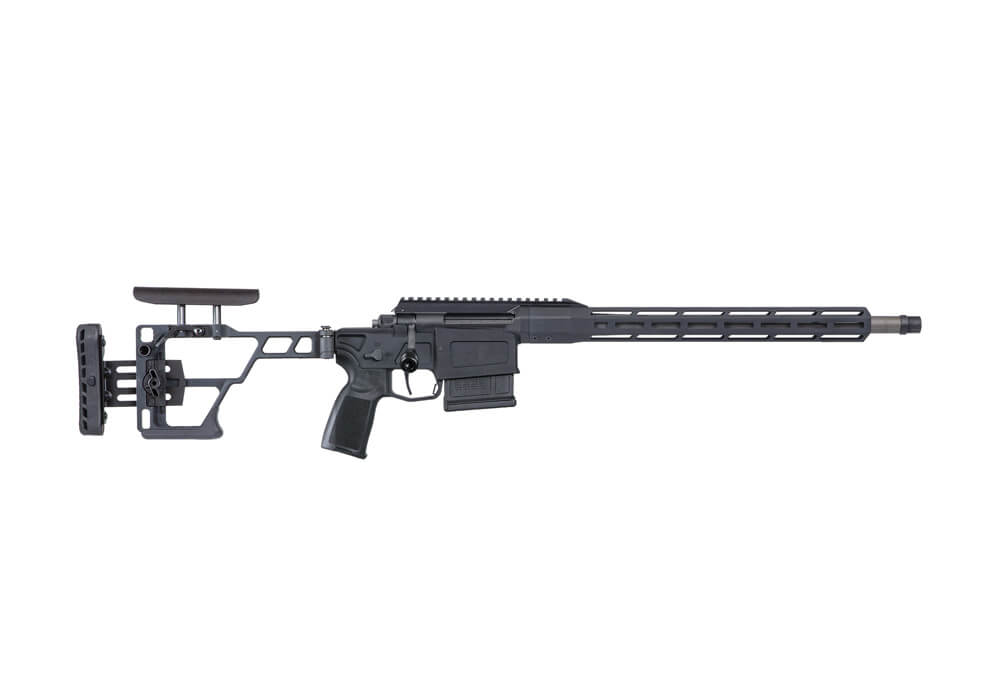
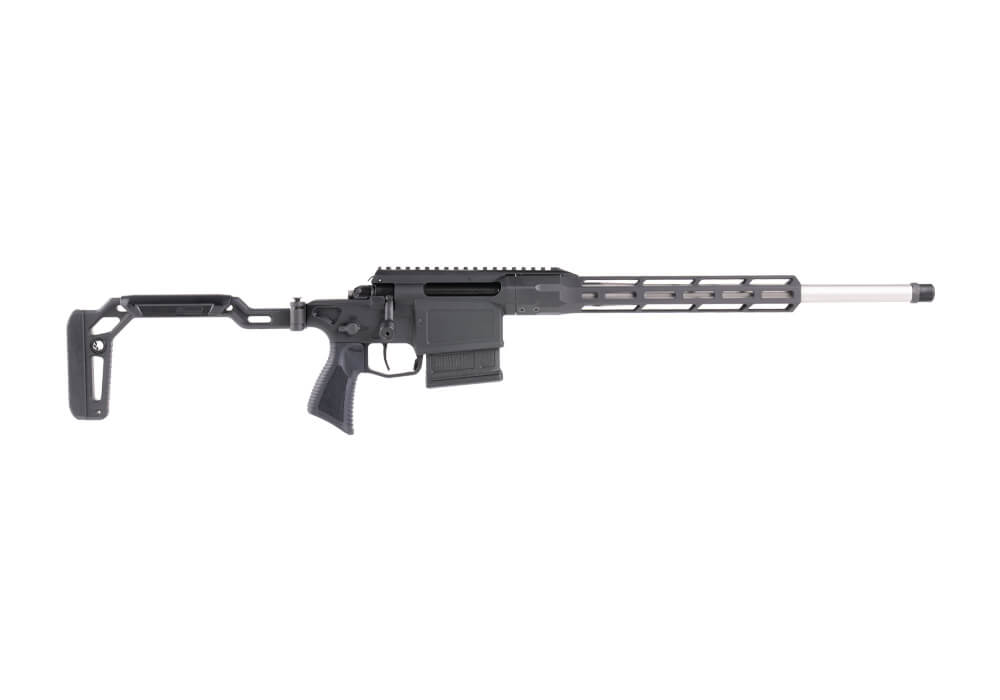
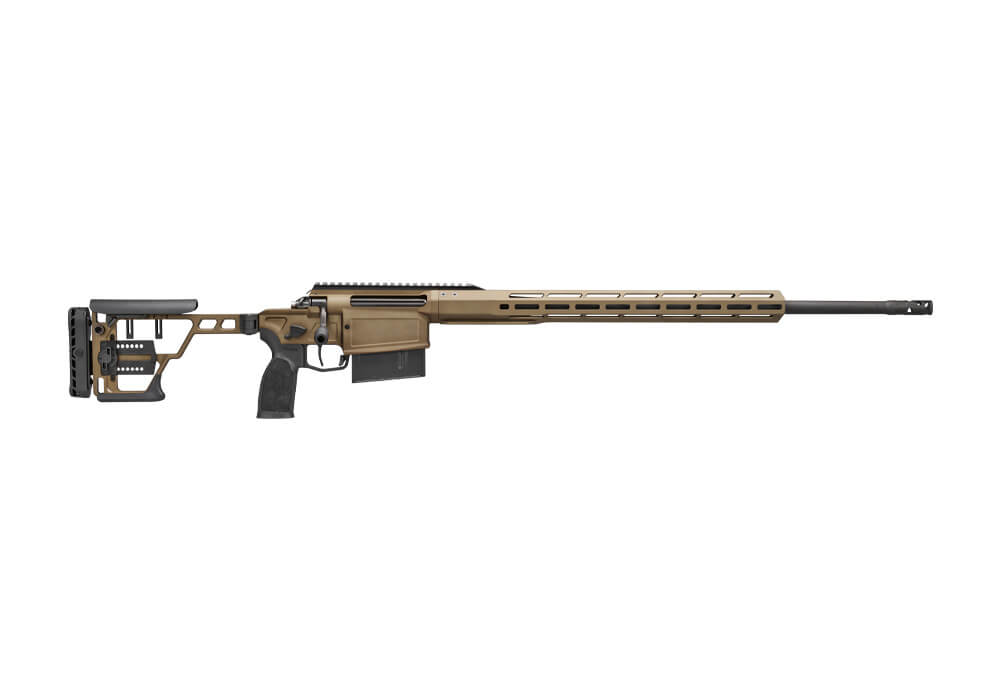
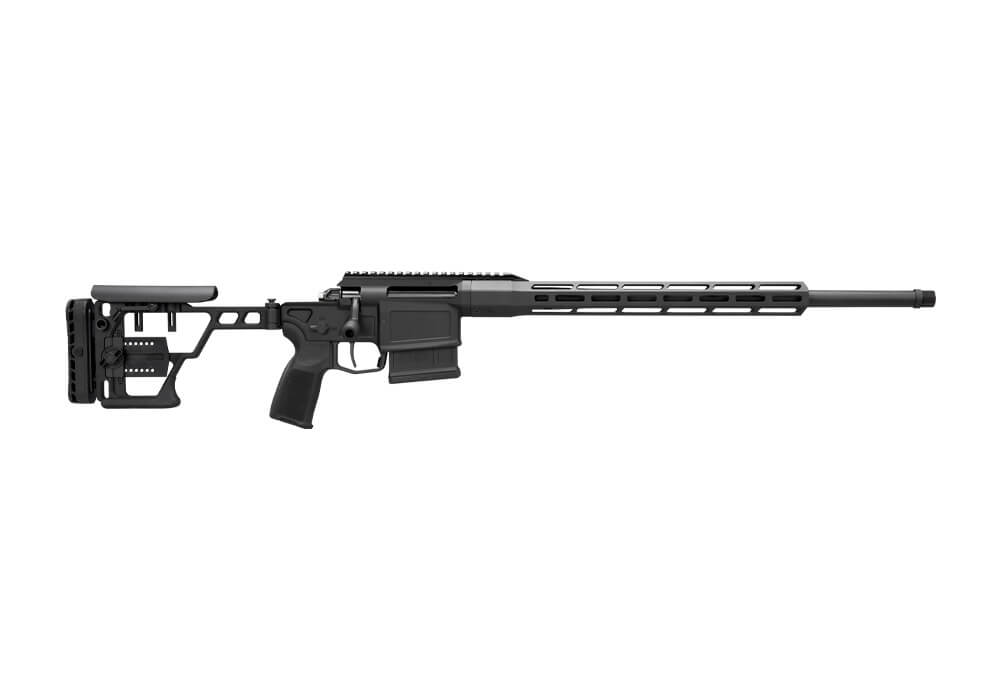
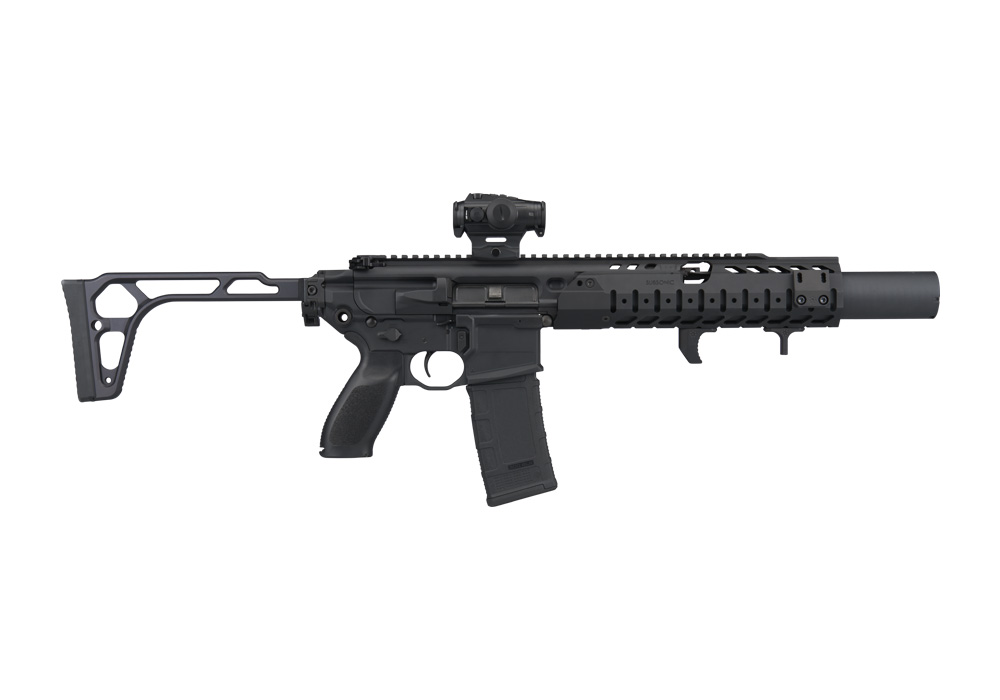
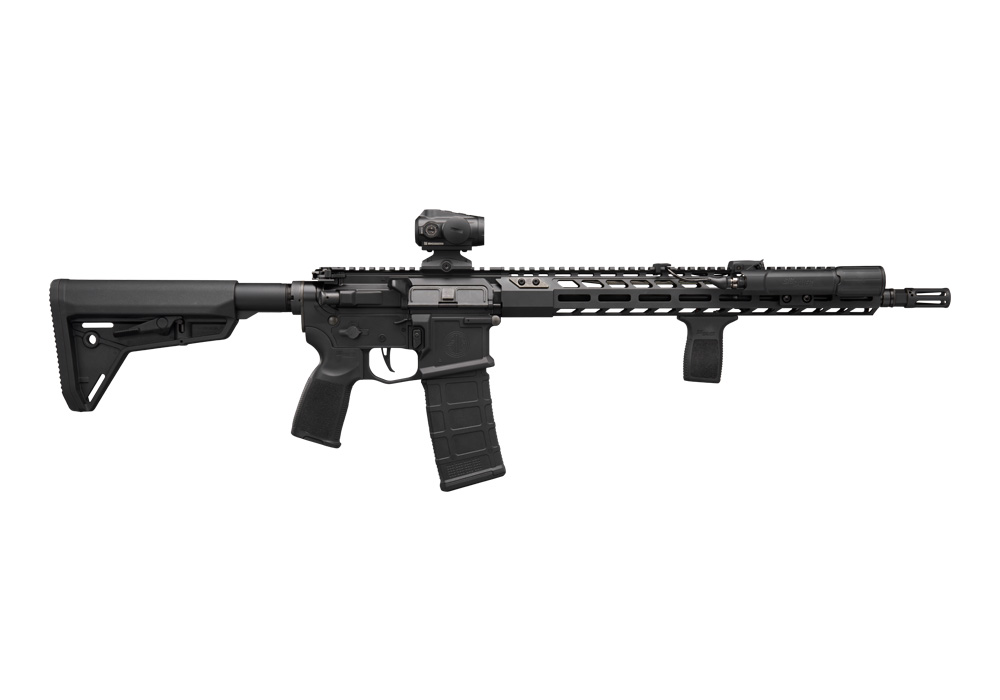
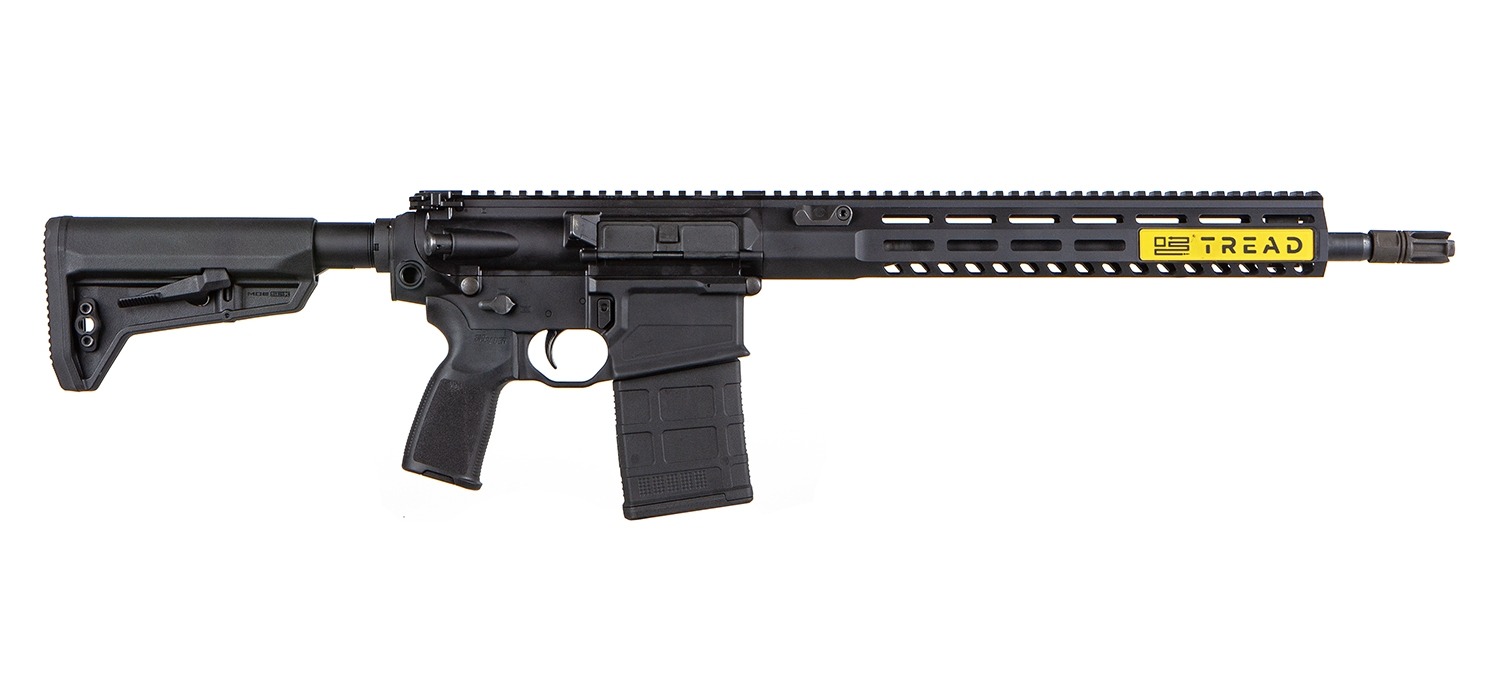
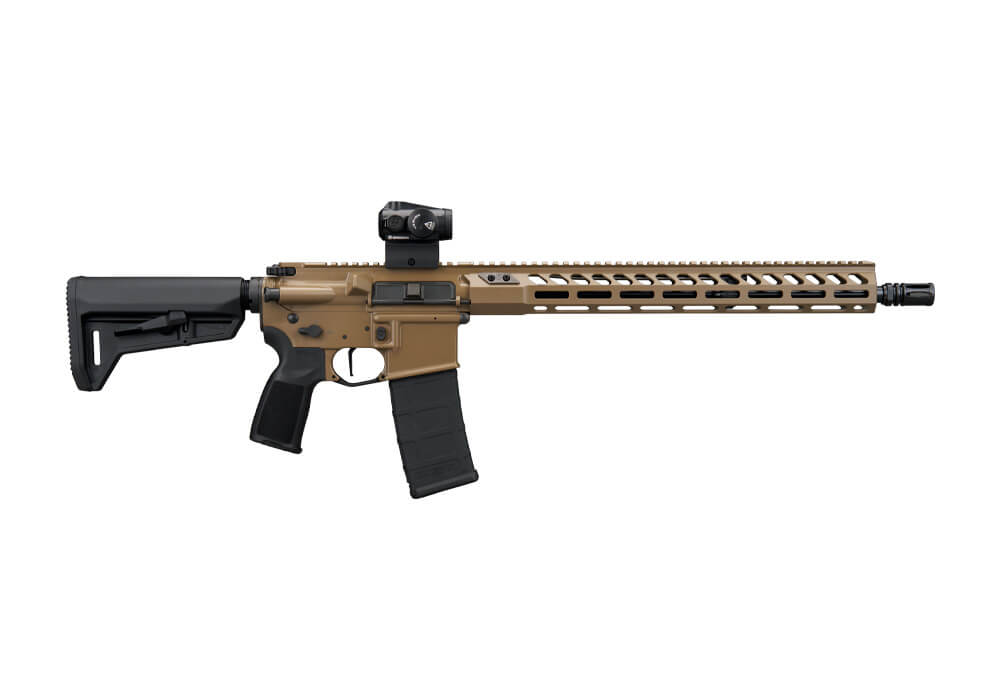
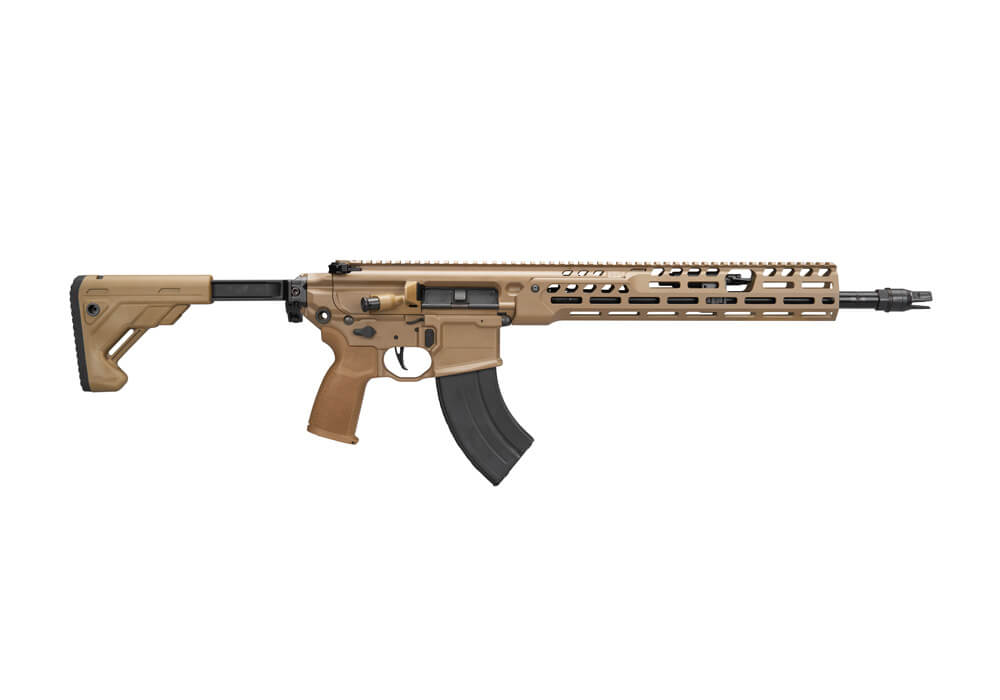
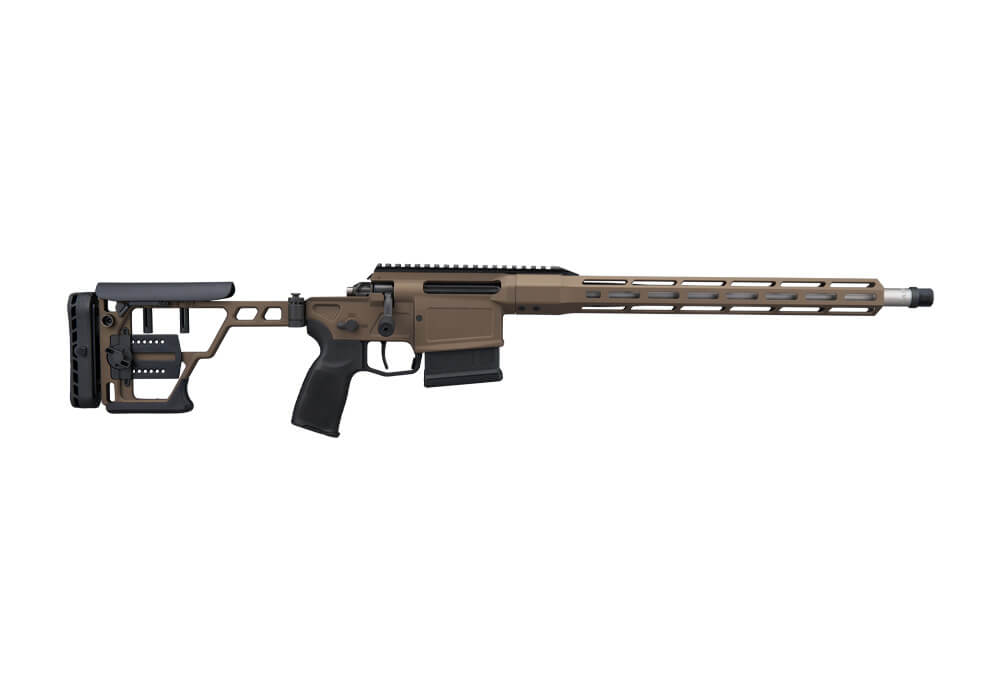
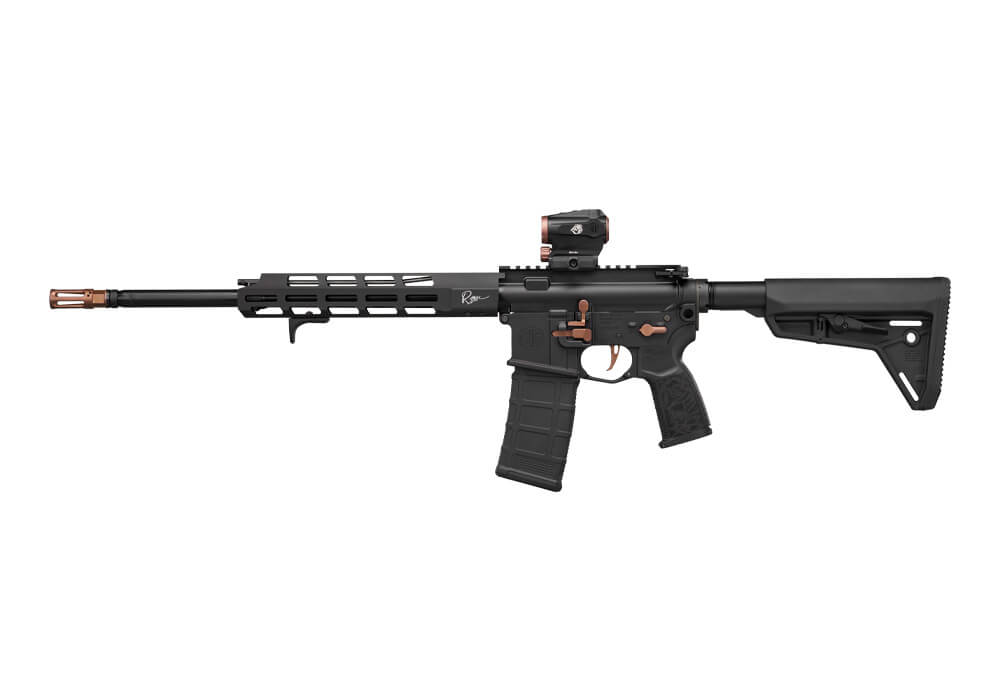
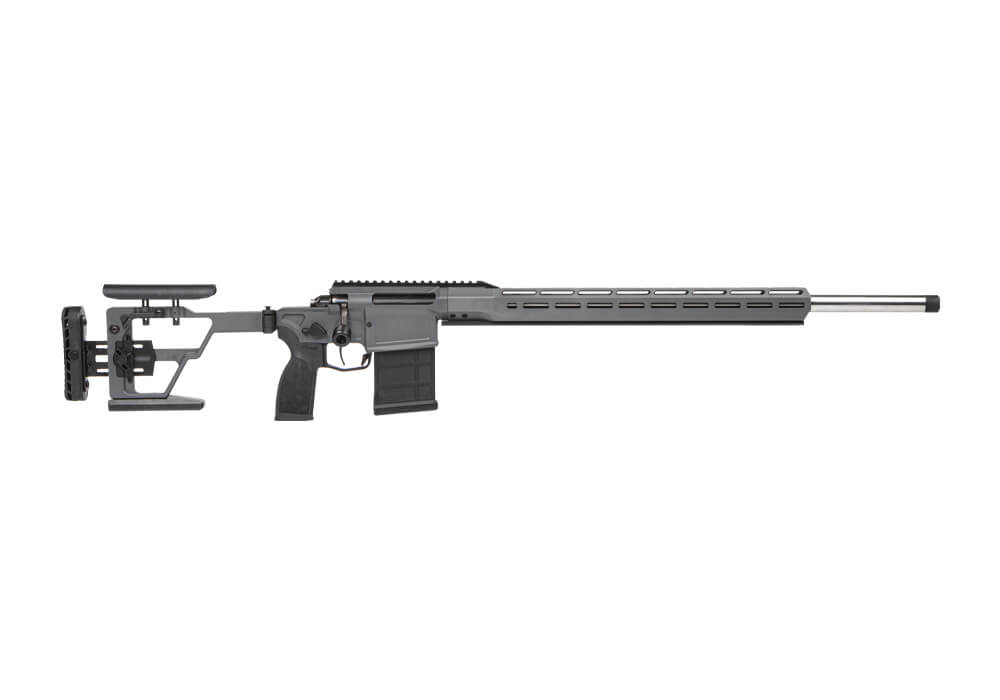
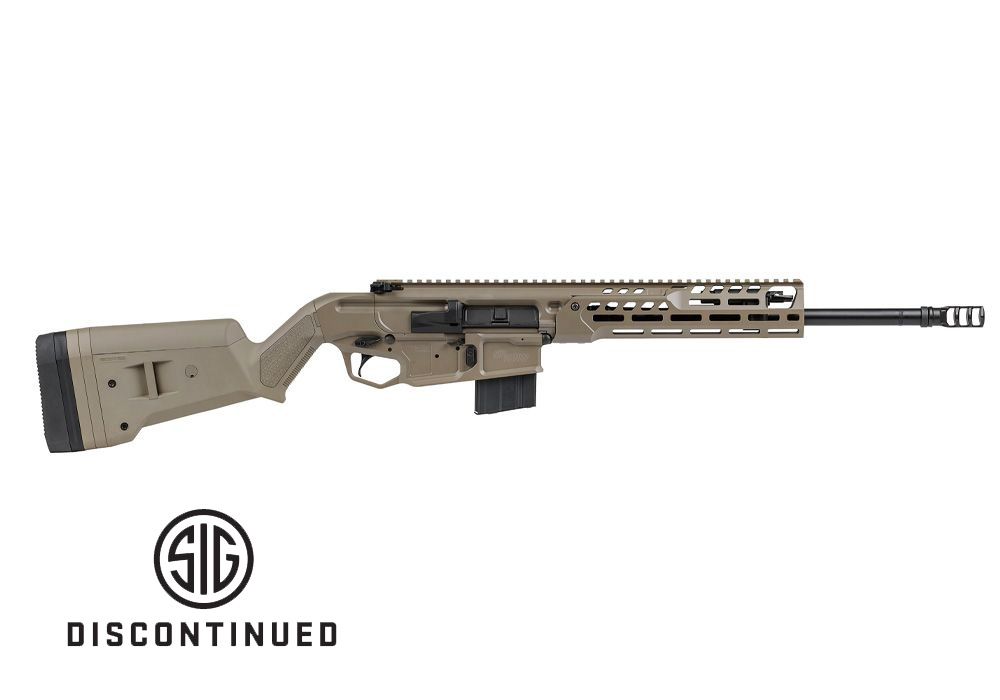
Rifles for hog season should match the terrain, the way the hunt is conducted, and the person carrying them. A rifle that feels comfortable from a supported position may feel very different after a long walk along a fence line or through uneven timber. Weight, overall length, balance, and familiarity with the controls all deserve attention before appearance or accessory options. For hunters moving through brush, a manageable profile can be easier to carry without catching on branches, although no rifle is a substitute for a clear view of the animal and a safe background. Around open pasture or agricultural ground, comfort from a stable shooting position may matter more than keeping every ounce to a minimum. These differences help explain why there is no single rifle configuration that suits every hog hunt. Bolt-action and semiautomatic rifles have different operating characteristics, and the appropriate choice depends on lawful use, personal experience, and confidence with the platform. Neither action type removes the need for careful identification, deliberate judgment, and consistent practice. Chambering also belongs in that decision, with suitability for the intended game, manageable recoil, and compatibility with the rifle taking priority over sheer power. Feral hogs can damage crops, disturb soil, and affect habitat, so hunting may be part of a broader land-management effort as well as a sporting pursuit. That context brings responsibilities: permission to enter the property, knowledge of neighboring land boundaries, and a clear understanding of local hunting requirements. Regulations may differ between public and private land, and hog hunting does not follow one universal seasonal schedule. A rifle selected for this purpose should fit those real conditions rather than an imagined ideal hunt. Familiar handling, a comfortable carrying arrangement, and dependable function are practical qualities whether the outing involves a short walk to a blind or several hours crossing rough ground.
Materials and fit influence how a hunting rifle feels over time, especially when dust, damp vegetation, and repeated transport are part of its working life. Synthetic furniture generally needs less attention to moisture than traditional wood, while wood offers a familiar feel and a distinctive appearance that some hunters prefer. Neither material tells the whole story on its own; construction, finish, fit between components, and routine care all contribute to durability. Protective metal finishes can help resist corrosion, but no finish eliminates the need for inspection and maintenance. Stainless steel also benefits from proper care, particularly after exposure to moisture or fingerprints. A rifle carried through wet grass and then left inside a closed case can retain moisture long after the hunt ends. Following the manufacturer’s cleaning, drying, and storage guidance helps protect both the exterior and the internal components without relying on unnecessary modifications. Fit deserves the same attention as material choice. The distance between the shoulder and the grip, the shape of the buttstock, and the position of the cheek against the comb affect whether a hunter can maintain a comfortable, repeatable position. Heavy outer layers can change that relationship, so a rifle that fits well in light clothing may feel less natural over an insulated jacket. An adjustable fit can be useful when clothing changes, provided adjustments remain within the manufacturer’s intended design. Grip texture should feel secure without becoming uncomfortable during an extended carry, and sling attachment points should suit a sensible carrying arrangement. Balance matters as much as total weight: two rifles with similar weights can feel noticeably different when their weight is distributed differently. Added accessories can change that balance again. For many hunters, the more useful setup is the one that remains comfortable and familiar throughout an ordinary day outdoors, not the one with the longest list of features. Recoil tolerance, mobility, and previous experience should all inform the choice, particularly for adults returning to hunting after time away or adapting their equipment to changing physical needs.
Sighting equipment should complement the rifle and the environment rather than become an afterthought. Clear glass, suitable eye relief, a reticle that is easy to interpret, and controls that remain usable with gloves can contribute to a more comfortable experience. Magnification should suit the places a hunter expects to encounter game; more magnification is not automatically more useful, particularly when it narrows the visible area or makes an awkward shooting position harder to maintain. A scope’s size and weight also affect how the complete rifle carries and balances. The Riflescopes For Hog Season collection provides a related place to consider that part of the hunting setup. Compatibility between the rifle, mounting system, and optic matters, and mounting questions are best addressed through manufacturer guidance or a qualified professional. Where hunting after dark is permitted, equipment rules and landowner requirements deserve special attention; visibility alone does not establish that an animal or its surroundings can be identified safely. Across any lawful hunting conditions, a clear background, sound judgment, and respect for the limits of the equipment remain essential. Ownership also extends beyond the field. A protective case helps prevent wear during appropriate transport, while secure storage helps prevent access by unauthorized people. Ammunition should match the markings and specifications for the firearm, and transport and storage arrangements should follow applicable laws and manufacturer recommendations. For a gift recipient, personal fit and familiarity matter more than choosing a rifle by appearance alone. An experienced adult hunter may have clear preferences about action type, weight, and handling that are not obvious to someone shopping on their behalf. Any firearm gift also requires careful attention to eligibility and transfer requirements. Ultimately, rifles for hog season are working hunting equipment: their value lies in appropriate construction, comfortable fit, reliable care, and suitability for the conditions in which they will be used. A thoughtful selection supports responsible ownership long after a single outing, with fewer compromises in the details a hunter notices every time the rifle is carried.