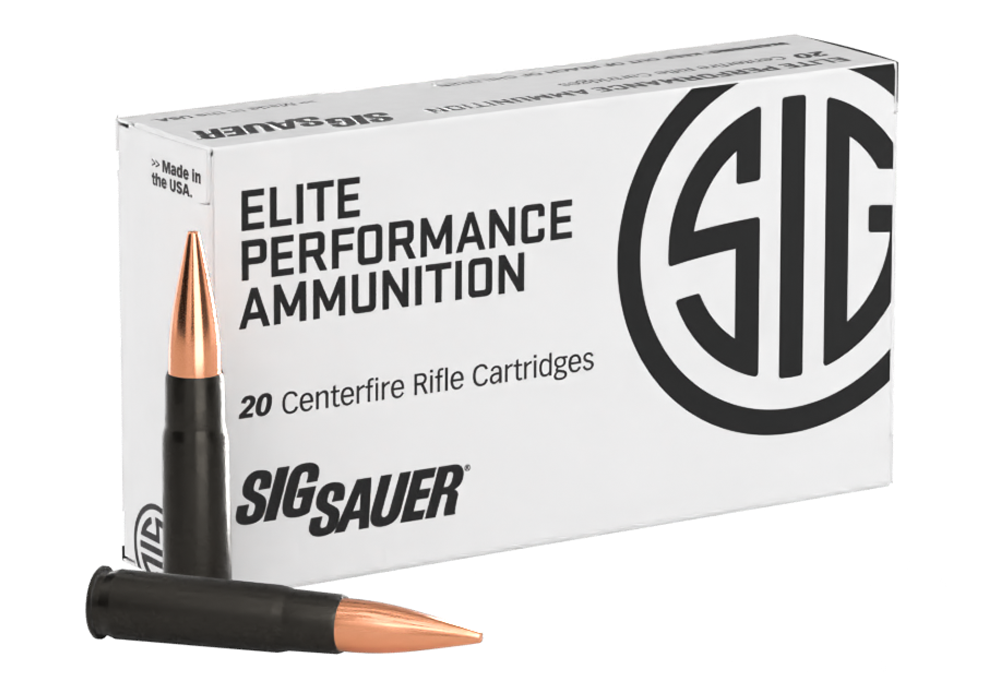
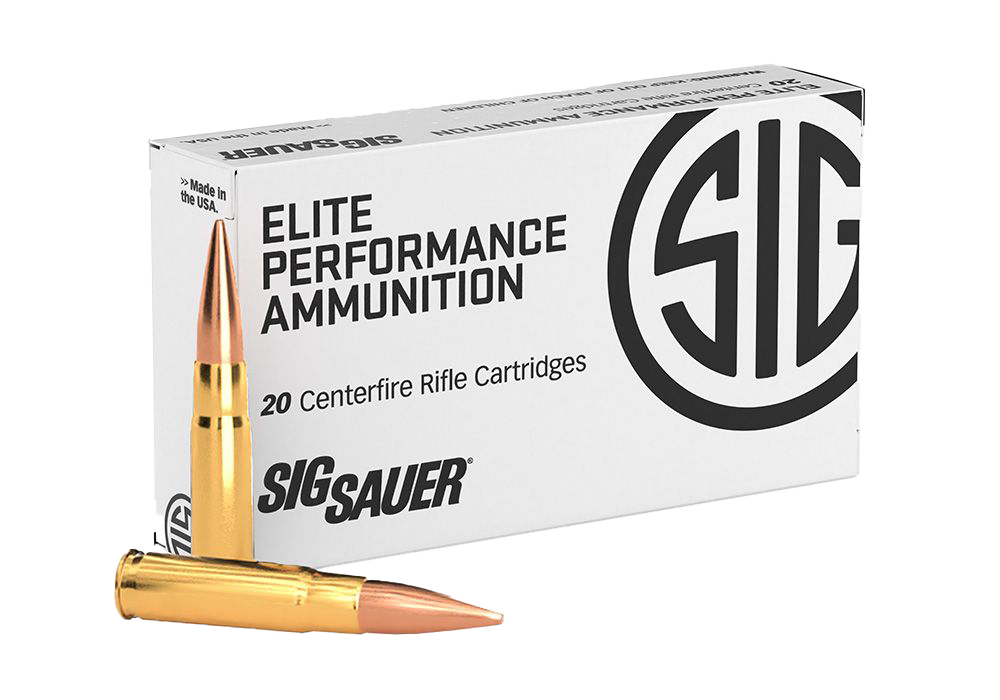
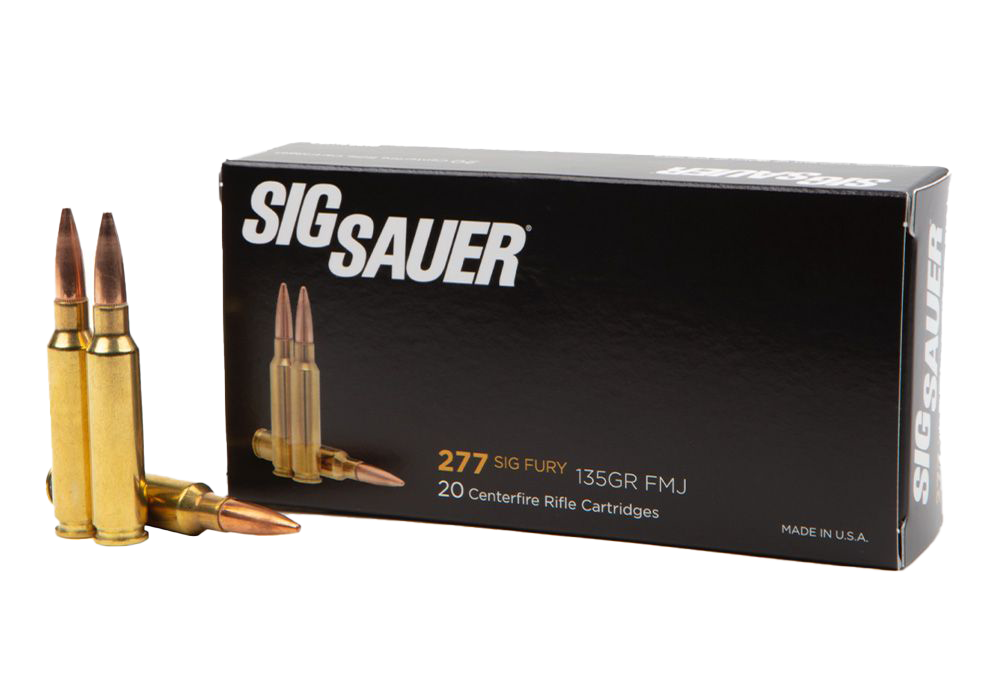
When the weather turns cooler and hog activity increases around fields, woodlots, creek bottoms, and feeding areas, dependable ammunition becomes an important part of a well-prepared hunting setup. The best choice depends on the firearm, cartridge, barrel length, hunting environment, and the game laws that apply where you hunt. Wild hogs are known for their dense shoulder shield, heavy bone, and tough muscle, so ammunition intended for hunting should be selected for reliable expansion, adequate penetration, and consistent performance rather than appearance alone. Many hunters look for soft point, polymer-tipped, bonded-core, or monolithic projectiles because these designs are built to expand in a controlled manner while retaining enough weight to reach vital tissue. A traditional jacketed soft point can be a practical choice for moderate ranges and broadside opportunities, while bonded and solid-copper projectiles are often considered when deep, straight-line penetration and strong weight retention are priorities. Bullet weight matters as well. Heavier projectiles may offer useful momentum and penetration, while lighter projectiles can produce a flatter trajectory in suitable cartridges. The right balance is the one that matches the rifle and the conditions, not simply the largest or fastest option available. Explore the selection of Hogs Hunting Ammunitions to compare hunting loads by caliber, bullet construction, and intended application.
Popular all-purpose choices include .308 Winchester and .30-06 Springfield hunting loads, particularly with medium-weight soft points or bonded bullets suited to a wide range of distances. These cartridges are familiar to many hunters and offer a practical combination of accuracy, reach, and terminal performance when paired with an appropriate projectile. Hunters using modern sporting rifles may consider specialized .223 Remington or 5.56 NATO loads designed for hunting rather than standard full-metal-jacket range ammunition; heavier soft points, barrier-style projectiles, and other purpose-built bullets may be better suited to hog hunting when legal for the game and compatible with the firearm. For thick cover, short-range stands, and compact rifles, .350 Legend, .30-30 Winchester, and .300 Blackout can provide useful options, with projectile designs selected for controlled expansion at the distances commonly encountered. Hunters who prefer a lighter-recoiling setup may also choose cartridges such as 6.5mm Creedmoor or .25-06 Remington with expanding bullets, provided the load is appropriate for the rifle and local regulations. Cartridge and bullet selection should always be verified against the firearm manufacturer’s specifications, including chambering and action type. Ammunition is not interchangeable simply because two cartridges appear similar, and using the wrong load can cause serious injury or damage. Before heading into the field, inspect cartridges for corrosion or damage, confirm the caliber marking, and test the chosen load for reliable feeding and accuracy from the rifle being used. A few careful range sessions can reveal how a particular load groups, how it performs from a hunting barrel, and whether the point of impact changes when switching from practice ammunition to a hunting load.
Hog hunting ammunition can serve a variety of hunters, from someone preparing for a first guided outing to an experienced outdoorsman refreshing a field kit for the cooler months. It can also be a thoughtful gift for a relative, hunting partner, or range companion when the recipient’s exact caliber is known. Ammunition is a practical present, but cartridge compatibility should be confirmed before purchase, especially when buying for a modern sporting rifle, a lever-action rifle, or a compact hunting platform. Open-country hunters may place greater value on a load with a consistent trajectory and dependable expansion at extended distances, while hunters moving through dense brush may prioritize a projectile built for penetration and a cartridge suited to quick, close-range opportunities. Those hunting from a blind, tripod, or elevated stand may choose differently from someone covering rough ground on foot. Weather and storage also deserve attention during the season: keep cartridges dry, protected from excessive heat and moisture, and stored according to manufacturer guidance until they are needed. Follow all firearm safety rules, use a secure backstop during practice, wear appropriate eye and ear protection, and observe local requirements for caliber, projectile type, hunting hours, tagging, and transport. Ethical hunting depends on more than ammunition alone; careful identification, a stable shooting position, sound judgment, and respect for the animal and surrounding property all contribute to a responsible experience. With a load matched to the firearm and hunting conditions, hunters can head into the cooler months with greater confidence that their equipment is prepared for the demanding environment where wild hogs are found.