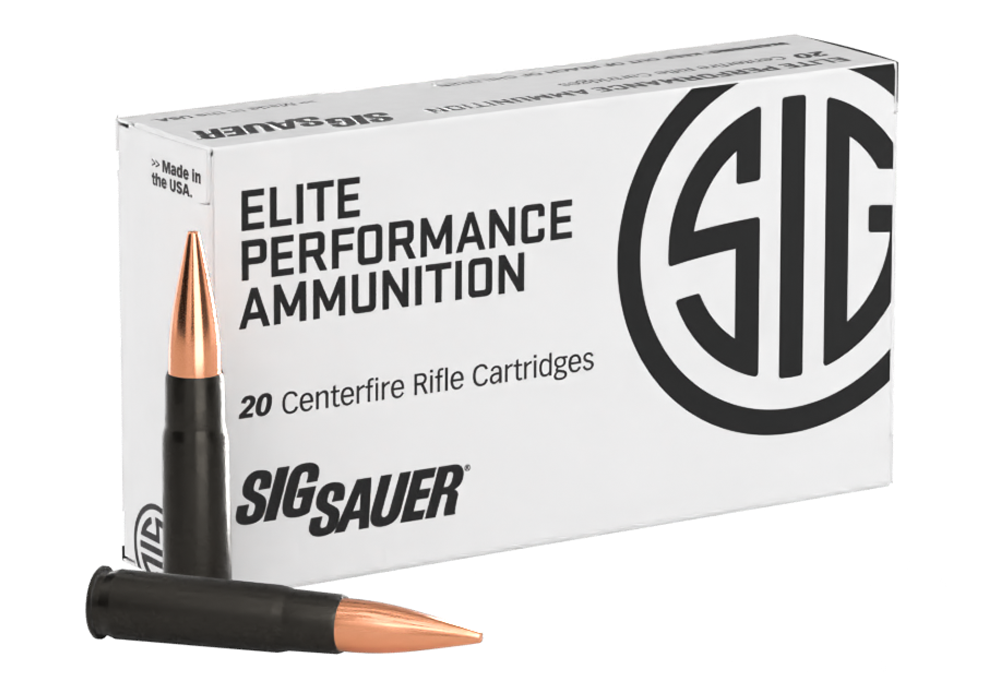
Hog hunting ammunition is selected for a demanding combination of penetration, weight retention, and dependable expansion. Feral hogs can have dense muscle, heavy bone, and a tough gristle shield over the shoulder area, so ammunition intended for varmints or light-bodied game may not provide the performance hunters expect. Bonded-core bullets are a popular choice because the jacket and lead core are designed to stay together during impact, helping the projectile retain weight as it passes through hide, muscle, and bone. Solid copper and other homogeneous-alloy bullets are also valued for deep, straight-line penetration and controlled expansion, particularly when a hunter wants a projectile that remains intact through challenging angles. Controlled-expansion designs help balance penetration with a useful wound channel, while traditional soft-point loads can be effective in cartridges and rifles suited to standard hunting distances. The right choice depends on more than bullet construction alone. Caliber, bullet weight, barrel length, firearm configuration, expected range, and local hunting regulations all matter. Hunters should always confirm that ammunition is appropriate for the firearm, use only the cartridge designation marked on the barrel, and check the manufacturer’s published specifications before purchasing or heading afield.
For many hunters, .308 Winchester remains a versatile option for hogs across a broad range of terrain and practical hunting distances. Loads in the medium-to-heavy hunting-weight range can offer a useful blend of penetration, trajectory, and manageable recoil in a wide variety of rifles. .30-06 Springfield provides a similarly established choice, with broad ammunition availability and bullet options suited to thick cover, open fields, and mixed hunting conditions. In lever-action rifles, .30-30 Winchester and .44 Magnum loads can be well matched to close-range hunting in timber, brush, and creek bottoms, where compact firearms and quick handling are valuable. .300 Blackout is often considered for close-to-medium-range hunting, especially in compact or suppressed platforms where a hunter has selected ammunition specifically engineered for game rather than general-purpose target use. It can be particularly practical in dense cover, although hunters should match bullet design and velocity to the anticipated distance. .223 Remington and 5.56 NATO may be used for smaller hogs in jurisdictions where legal, but they demand careful ammunition selection and disciplined shot placement; a heavy, game-appropriate bullet is generally preferable to a lightweight varmint design. Cartridge performance varies with barrel length and load, and the same caliber can behave differently from one firearm to another. Before a hunt, sight in with the exact ammunition intended for the field, verify point of impact, and practice from realistic positions without exceeding a hunter’s proven range. A rifle selected for the hunt can be found among Rifles for Hog Season.
When comparing hog hunting ammunition, begin by considering the environment. In thick brush or wooded ground, shots may be close and fast, making reliable feeding, consistent ignition, and a bullet built for controlled penetration especially important. Open pasture, agricultural edges, and rolling terrain may allow longer shots, placing greater emphasis on trajectory, retained velocity, wind judgment, and a load that groups consistently in the individual rifle. Bullet weight should be matched to the cartridge and firearm, not chosen by weight alone. A well-constructed projectile that delivers repeatable accuracy is more useful than a theoretically powerful load that does not shoot well from the rifle. Hunters who pursue hogs during the warmer portions of the season may appreciate ammunition that is easy to carry and clearly organized in the field, while those hunting during cooler months often plan for layered clothing, changing conditions, and longer sits where dependable equipment becomes even more important. Ammunition can also be a thoughtful gift for an experienced hunter, provided the recipient’s exact caliber and preferred bullet style are known; a gift card or carefully confirmed cartridge specification is safer than guessing, since similar-looking ammunition may not be interchangeable. Store cartridges in a cool, dry place, keep them in their original packaging when possible, and inspect them for corrosion, damaged cases, or other signs of deterioration. Ethical hog hunting depends on knowing the target and what lies beyond it, respecting landowner permission and seasonal rules, using a capable firearm and appropriate ammunition, and taking only shots that offer a responsible opportunity for a clean harvest.