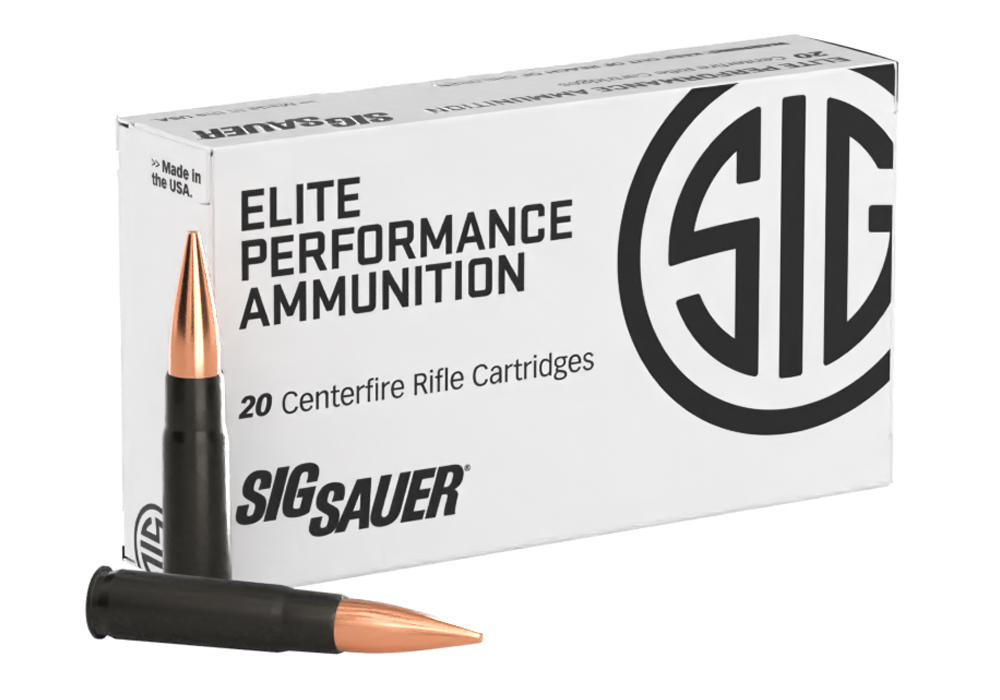
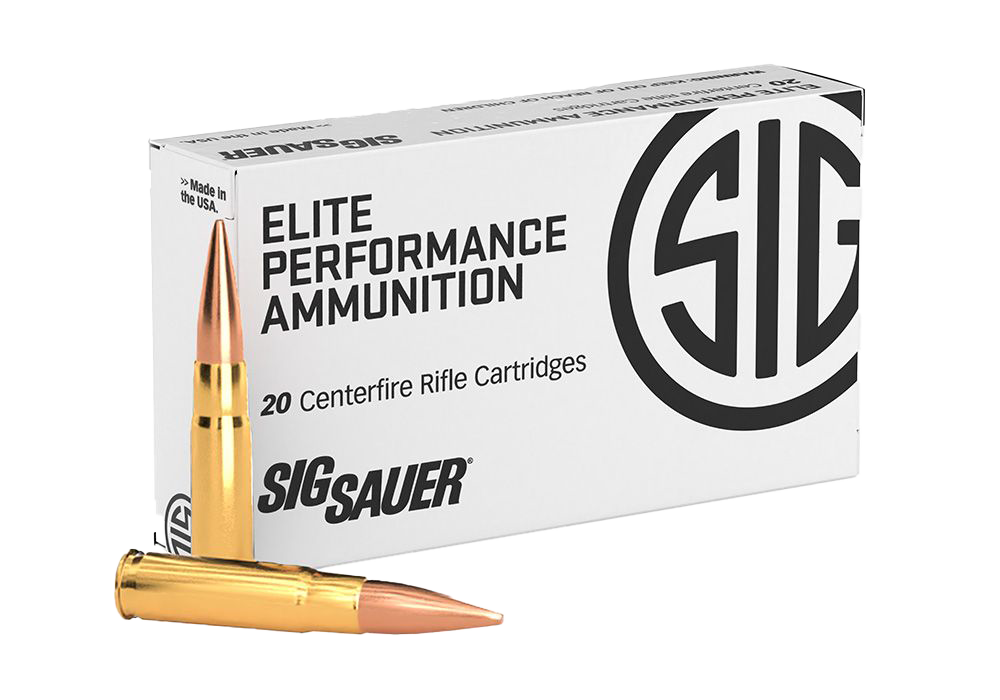
Expanding hunting rifle ammunition is designed to deform on impact, helping transfer energy efficiently while creating a wider wound channel than a conventional non-expanding projectile. The right load depends on the game being pursued, the rifle and caliber, expected distance, and local hunting regulations. Within this collection, hunters can compare ammunition built for different field conditions, from traditional soft-point bullets with an exposed lead nose to hollow-point and polymer-tipped designs that initiate expansion in distinct ways. Soft-point bullets are often selected for dependable expansion on broadside shots, while hollow-point construction can encourage rapid deformation after impact. Polymer-tipped bullets add an aerodynamic nose that can support a flatter trajectory at extended distances while helping initiate expansion when the projectile reaches the target. Bonded and monometal bullets are commonly considered when deep penetration, retained weight, and consistent performance through hide, muscle, or bone are priorities. No bullet design performs identically in every rifle or at every range, so ammunition selection should begin with the cartridge specified for the firearm and the type of game involved. A deer hunter moving through hardwoods during the cooler months may value controlled expansion and reliable penetration at moderate ranges, while a hunter in open country may place greater emphasis on ballistic consistency, wind drift, and a projectile that performs predictably across a wider range of impact velocities. These products can also be useful for hunters preparing for a first season, replacing an aging supply, or assembling a thoughtful gift for an experienced outdoorsman. When ammunition is given as a gift, confirm the exact cartridge designation before purchasing; similar-looking boxes can be intended for entirely different chambers, and the correct caliber is essential for safe firearm operation.
Bullet construction is only one part of the selection process. Expansion is influenced by impact velocity, the density of the target medium, the angle of impact, and the materials used in the projectile. Ammunition engineered for rapid opening may be well suited to lighter-bodied game and unobstructed broadside shots, while a controlled-expansion design may be preferred when deeper penetration is important. Hunters should also consider the rifle’s twist rate, barrel length, sighting system, and the distances that are realistic for their terrain and skill level. A load that groups tightly in one rifle may produce different results in another, even when both firearms share the same chambering. Before heading into the field, responsible hunters generally verify that the chosen ammunition feeds correctly, cycles reliably, and produces a consistent point of impact at an appropriate range, following the firearm manufacturer’s instructions and all applicable range rules. Familiarity with trajectory helps keep a carefully placed shot within the intended vital zone, particularly when a ridgeline opens into a long meadow or a quiet cutline offers a fleeting opportunity. Expanding hunting rifle ammunition should be matched to the animal and conditions rather than chosen solely by bullet weight or packaging claims. Game size, expected shot angles, vegetation, temperature, elevation, and distance can all affect the result. Hunters comparing options may find the selection of Expanding Tip Hunting Bullets helpful when looking for a projectile that combines a streamlined nose with a design intended to begin expansion on impact. As with any ammunition purchase, confirm that the product is legal for the intended season and species, and use only ammunition that precisely matches the firearm’s marked chambering.
Good preparation continues after the purchase. Store rifle ammunition in a cool, dry place away from solvents, oils, open flame, and excessive heat, and keep it in its original packaging or another clearly marked container so the cartridge designation remains easy to verify. Ammunition should be transported and handled in accordance with local law and the firearm manufacturer’s guidance. During the cooler months, changing conditions can make a familiar rifle feel different in the hands: cold fingers, damp gloves, steep ground, and shifting light all reward deliberate handling and a practiced setup. A hunter who has spent time checking a rifle from a stable position, confirming the optic or sights, and learning how a particular expanding bullet behaves will be better prepared for the quiet moment when an animal steps into view. That preparation is also valuable for a gift recipient, especially someone building a dependable hunting kit for the first time. The most useful gift is ammunition that matches the recipient’s exact rifle, intended game, and local regulations, rather than a visually appealing box chosen without those details. Whether preparing for whitetail in thick timber, pronghorn across open grassland, or other lawful big-game pursuits, hunters can use this assortment to compare projectile designs suited to controlled expansion, retained weight, and reliable penetration. Select ammunition responsibly, practice with the same load intended for the field, and follow all firearm-safety, storage, transport, and hunting requirements.