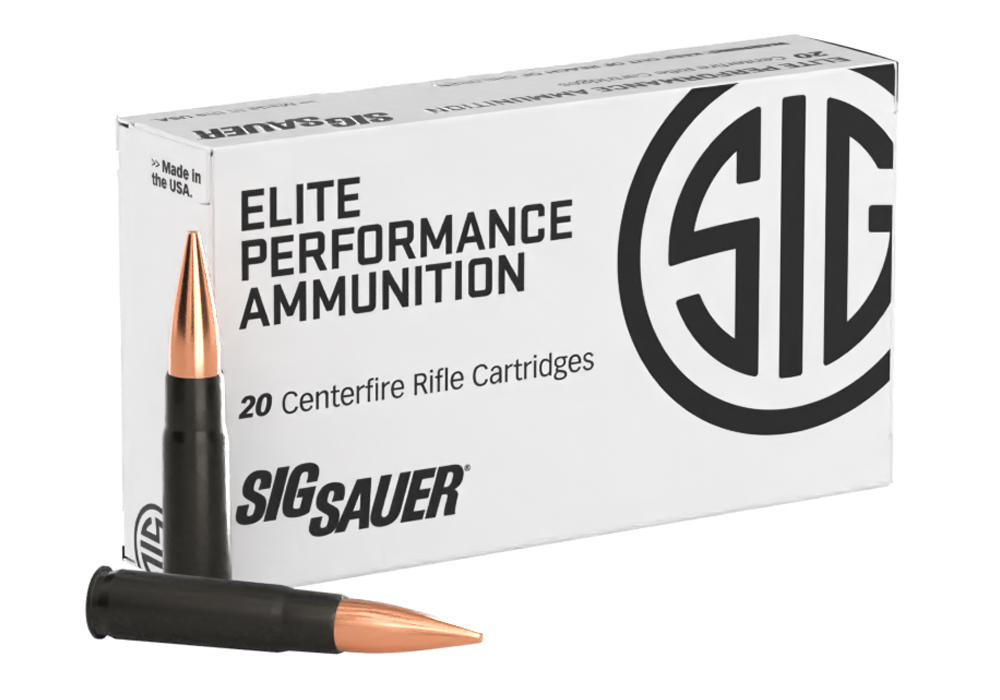
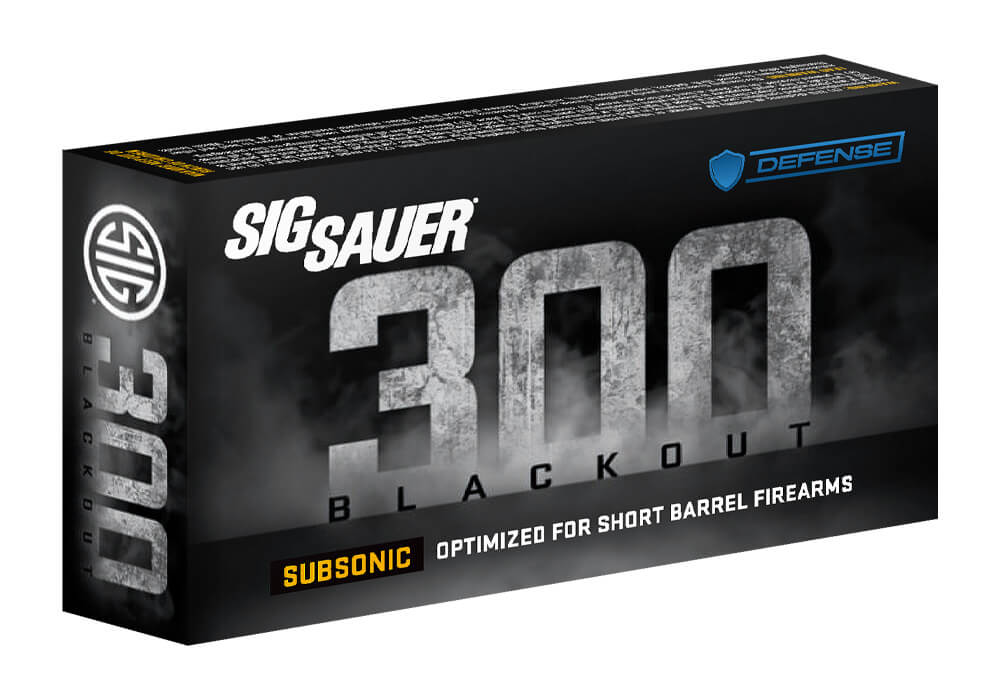
Expanding tip hunting bullets are designed to initiate controlled expansion when they meet the intended target, helping create a broader wound channel and transfer energy efficiently. In many designs, a polymer or tipped nose sits over a hollow cavity in the bullet. At impact, the tip is driven backward into that cavity, beginning the expansion process while the bullet continues forward into the target. This construction can offer a practical balance of accuracy, reliable opening, and useful penetration for hunters pursuing thin-skinned game such as deer, antelope, and hogs. The exact result depends on bullet construction, impact velocity, distance, angle, and the animal itself, so selecting the right ammunition involves more than matching a box to a rifle. A bullet that performs beautifully at moderate range may behave differently at very close range or after losing substantial velocity downrange. Hunters should compare the manufacturer’s published specifications with the cartridge and rifle they plan to use, paying attention to bullet weight, recommended game, expected velocity range, and any stated performance limitations. Polymer tips can also help maintain a streamlined profile and support a flatter trajectory, while their shape may resist deformation during feeding and handling better than an exposed soft point. That said, no bullet replaces careful shot placement, sound field judgment, or respect for the animal and the surrounding environment. A well-chosen expanding tip hunting bullet is best viewed as one part of a complete hunting setup that also includes a properly sighted rifle, dependable optics, consistent practice, and a clear understanding of local regulations.
Bullet construction is one of the most important purchase considerations when comparing expanding tip hunting bullets. Traditional lead-core designs are often selected for rapid expansion on medium game, particularly when the hunter expects ordinary impact distances and wants a bullet that opens readily after entering the vitals. Bonded designs join the core and jacket to help retain more weight as the bullet passes through hide, muscle, and bone, which can support deeper penetration and more consistent performance at varied impact speeds. Monolithic copper or copper-alloy bullets use a different approach, typically retaining a high percentage of their original weight while forming petals or another controlled expansion pattern. These lead-free options may be required in certain hunting areas and can be a useful choice for hunters who prefer that construction, but copper-alloy bullets often have different length and weight characteristics than lead-core bullets. That difference can affect seating depth, trajectory, and rifle preference, making it important to follow the ammunition maker’s recommendations rather than assuming that every bullet of the same advertised weight will perform identically. Expanding tip bullets also have a practical velocity window. Consistent expansion commonly depends on sufficient impact velocity, while unusually high impact speeds can produce more dramatic upset or fragmentation in some constructions. At longer distances, reduced velocity may limit expansion, especially if the selected bullet is intended for closer shots. A ballistic calculator, chronograph data, and confirmed range time can help a hunter understand how a chosen load behaves from the muzzle through the distances likely to occur in the field. Before purchasing, verify the exact caliber and cartridge designation stamped on the firearm and compare it with the ammunition label; similar-sounding cartridges are not interchangeable. For hunters shopping for a gift, ammunition can be thoughtful and useful when the recipient’s cartridge, bullet weight preference, hunting application, and local restrictions are already known. When those details are uncertain, a gift card or a conversation about the recipient’s rifle is safer than guessing.
During the cooler months, expanding tip hunting bullets are commonly chosen by hunters preparing for whitetail seasons, hog hunts, and other outings where a dependable rifle load matters in changing field conditions. A morning spent moving quietly through damp timber, crossing frosted grass, or watching a distant ridge can place different demands on equipment than a controlled range session. Weather, shooting angle, vegetation, and the possibility of a longer follow-up trail all make preparation worthwhile. Store ammunition in a cool, dry place and keep it in its original packaging until it is ready for use. Before heading afield, inspect cartridges for damaged cases, distorted tips, corrosion, or contamination, and set aside anything that appears questionable. Confirm that the rifle feeds and cycles the selected ammunition properly, then sight in with the same bullet weight and load intended for the hunt whenever possible. Keep notes on point of impact at practical distances, since a change in bullet construction or weight can shift the rifle’s zero even when the caliber remains the same. Hunters should also check whether a jurisdiction limits bullet materials, prohibits certain projectiles, or sets additional requirements for specific species and seasons. This page focuses on hunting applications, while those seeking ammunition intended for another purpose can explore Expanding Tip Defensive Cartridges. Across every use, responsible handling remains essential: keep the firearm pointed in a safe direction, treat every cartridge as live, follow the firearm and ammunition manufacturer’s instructions, and identify the target and what lies beyond it before firing. With the correct caliber, suitable construction, realistic expectations, and careful practice, expanding tip hunting bullets can provide a dependable option for hunters who value accurate shot placement and purposeful terminal performance in the field.