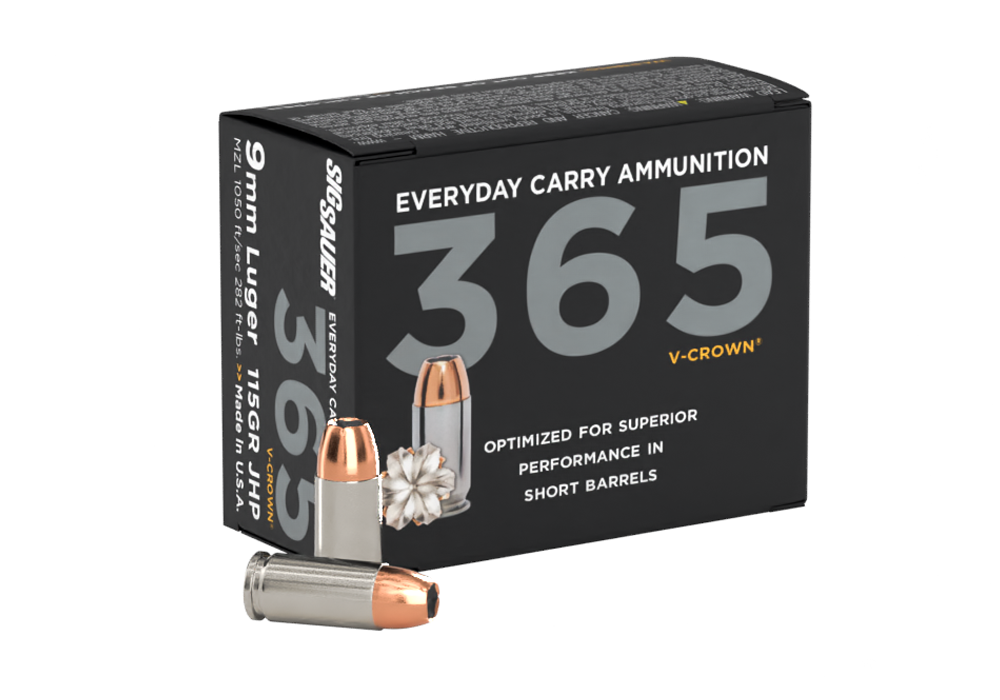
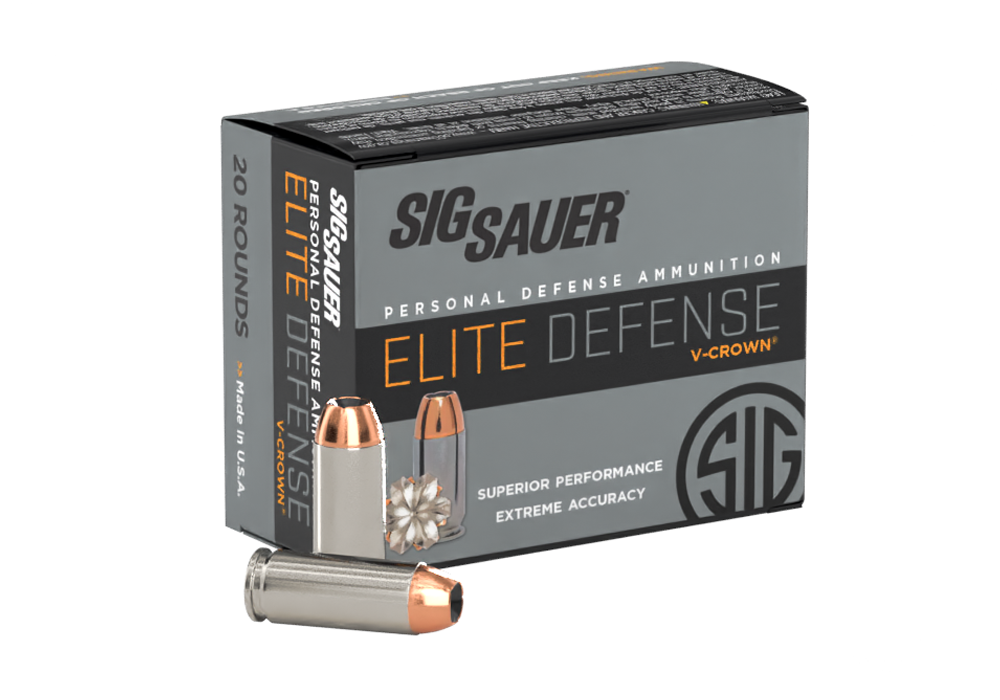
Expanding tip defensive cartridges are designed for personal protection applications where controlled performance matters. Unlike traditional full metal jacket ammunition, which generally uses a rounded or pointed metal-covered projectile intended to maintain its shape, expanding bullets feature a nose that is engineered to deform when it encounters a suitable target. Common designs include jacketed hollow points with an open cavity, polymer-filled tips that help initiate expansion, and enclosed or elastomer-protected cavities intended to resist clogging from clothing or other common barriers. On impact, fluid pressure and the bullet’s construction can cause the nose to open and widen, increasing the projectile’s frontal diameter and transferring energy more efficiently. That expansion may create a broader wound channel while helping limit unnecessary pass-through compared with some non-expanding designs, although no ammunition can guarantee a particular result in every circumstance. Performance depends on caliber, bullet weight, impact velocity, distance, the firearm being used, and the material encountered. For that reason, expanding tip defensive cartridges should be selected as part of a complete, responsible setup rather than by appearance or marketing language alone. A useful starting point is matching the cartridge to the exact caliber marked on the firearm and confirming that the firearm’s owner’s manual permits the intended ammunition type. Defensive ammunition may be appropriate for responsible adult firearm owners who keep a handgun or long gun for lawful protection, maintain a home-defense firearm, or want a dependable option for a properly trained carry setup. It can also be a thoughtful gift for an experienced firearm owner, provided the recipient’s caliber, firearm model, local regulations, and storage needs are known in advance. Ammunition is not a suitable surprise gift when those details are uncertain; a gift card, secure storage accessory, or range-training experience may be more practical in that situation.
When comparing expanding tip defensive cartridges, consider the balance between expansion, penetration, reliability, and barrier performance. Expansion is visually appealing because a bullet that opens can produce a larger diameter, but expansion alone is not the goal. The projectile must also penetrate deeply enough to reach vital structures after passing through the intended target. In testing, a commonly cited benchmark for defensive handgun ammunition is approximately 12 to 18 inches of penetration in calibrated ballistic gelatin, often with an intermediate barrier such as heavy clothing; that range is a testing reference, not a promise of performance in the field. A bullet that expands dramatically but stops too soon may be less effective than one that expands more modestly and penetrates consistently. Clothing can also affect results. Dense fabric, layered garments, and other materials may obstruct a conventional hollow-point cavity, while polymer-filled, elastomer-protected, or otherwise enclosed designs are intended to reduce the chance of clogging before expansion begins. Barrier-resistant construction can be helpful for a defensive load, but it does not make a projectile appropriate for indiscriminate use or eliminate the need to identify a safe backstop. Home-defense decisions also deserve special care because walls, doors, furnishings, and neighboring rooms can be penetrated by bullets. Select ammunition only after considering the firearm’s role, the environment in which it may be stored or used, and the owner’s ability to control and safely handle that firearm. Reviews of technical testing can provide useful context, while published velocity and energy figures should be treated as manufacturer test data that may vary with barrel length and test conditions. For shoppers comparing expanding tip defensive cartridges with standard range ammunition, the key distinction is that defensive loads are engineered around controlled deformation and terminal performance, while practice cartridges are often selected for economical, consistent training. Keeping those roles separate can make it easier to maintain a regular practice routine without using up the ammunition reserved for defensive purposes. Explore related options in High Expansion Defensive Rounds when comparing bullet construction and intended application.
Reliability is one of the most important purchase considerations. A cartridge may perform well in laboratory testing and still be unsuitable for a particular firearm if it fails to feed, extract, fire, or cycle consistently. Before relying on a defensive load, responsible owners should consult the firearm manufacturer’s guidance, verify the caliber and cartridge designation, and conduct supervised function testing with the specific firearm and magazines intended for use. That process should include enough rounds to establish dependable feeding and should be performed at an appropriate range while following all firearm-safety rules. Testing also helps the shooter understand recoil, muzzle flash, report, and point of impact, all of which can differ from ordinary training ammunition. A defensive cartridge that is uncomfortable or difficult to control may complicate accurate shot placement, while an unfamiliar sight picture can slow a person’s response under stress. During the cooler months, changes in clothing can also affect how a concealed firearm is carried and how ammunition is exposed to moisture, perspiration, or repeated handling. Store cartridges in a cool, dry, secure location away from children and unauthorized users, and inspect them periodically for corrosion, damaged cases, loose projectiles, or other visible defects. Follow applicable federal, state, and local laws governing purchase, possession, transport, storage, and use. Ammunition should always be treated as live and handled accordingly, with the muzzle pointed in a safe direction and the firearm unloaded whenever it is being inspected, cleaned, stored, or transported unless a lawful and trained carry method specifically requires otherwise. Expanding tip defensive cartridges are one part of responsible preparedness: safe firearm handling, appropriate training, secure storage, regular maintenance, and sound judgment remain equally important. Selecting a compatible defensive load with care helps ensure that the ammunition in storage matches the firearm in hand, the conditions in which it may be carried or kept, and the owner’s commitment to lawful, safe, and disciplined use.