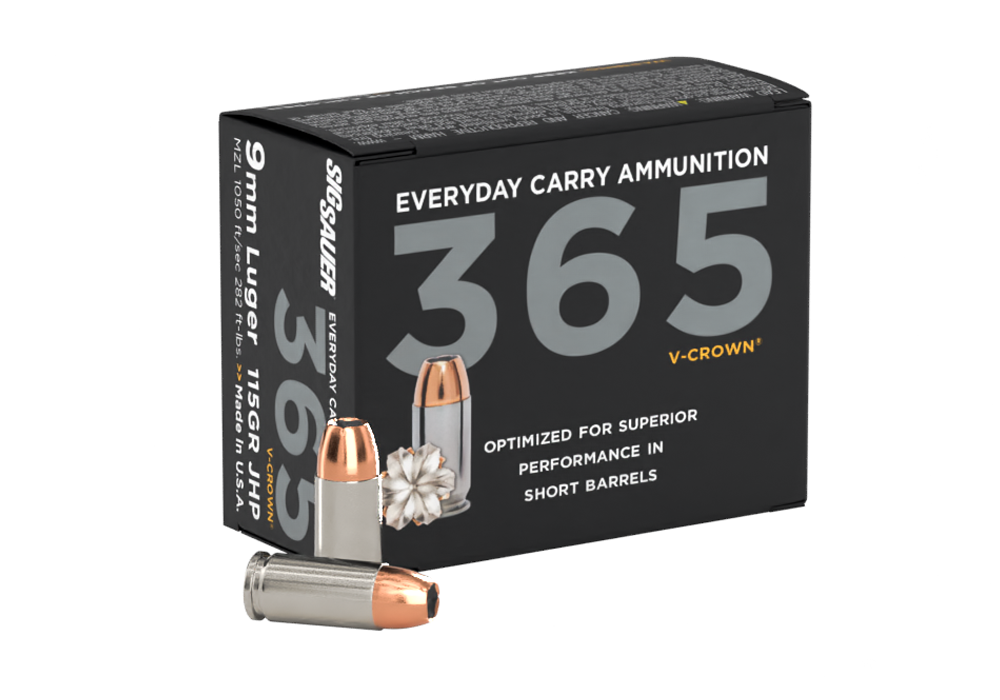
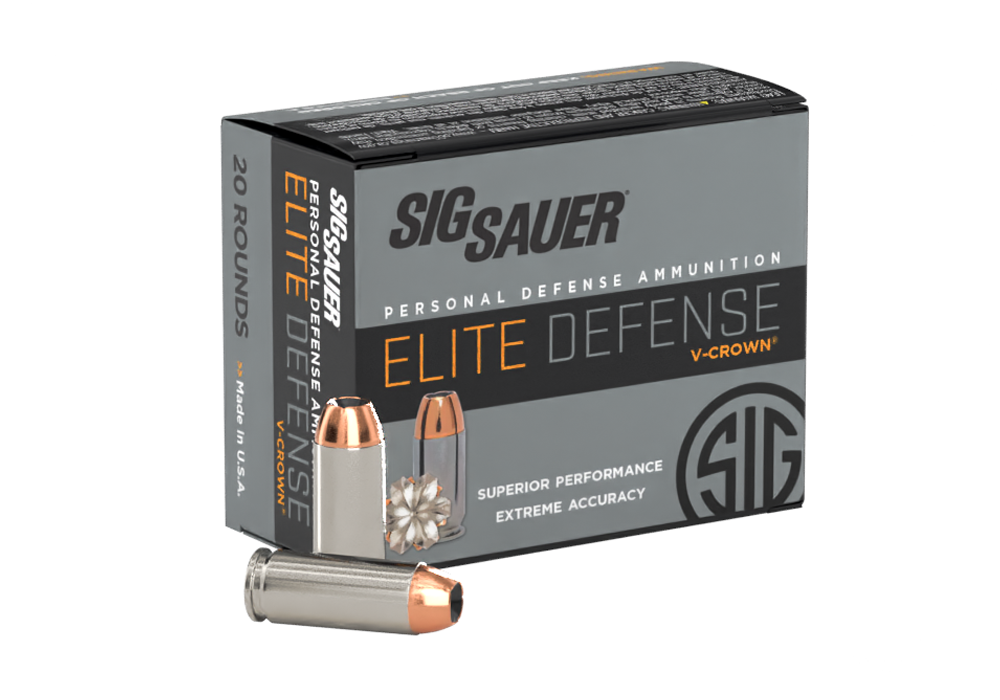
Maximum Expansion Defensive Bullets are designed for situations where rapid, pronounced expansion and dependable weight retention are important considerations. Unlike traditional projectiles that may deform into a rounded mushroom shape, many bullets in this category use a monolithic solid-copper design with a deep hollow cavity and pre-cut petals. When the projectile enters a fluid-rich target, hydraulic pressure can drive the petals outward, creating a broad frontal profile and a wide wound channel. Depending on the design, velocity, and target conditions, the expanded diameter may approach twice the original bullet diameter. Solid-copper construction also helps these projectiles retain nearly all of their original weight, reducing the likelihood of jacket-and-core separation or uncontrolled fragmentation. The result is a defensive cartridge intended to deliver substantial disruption while limiting the amount of material that continues beyond the intended target. Some designs are engineered to expand primarily in soft, fluid-rich tissue rather than when passing through dry barriers such as interior walls, heavy wood, or sheet metal. That distinction matters: a bullet that performs one way in unobstructed tissue may behave differently after striking an intermediate barrier. For that reason, these cartridges are best understood as specialized defensive ammunition, not as an all-purpose answer for every firearm or application. Shooters comparing Maximum Expansion defensive bullets with other defensive options may also want to review related Expanding Tip Defensive Cartridges to understand how different projectile profiles support different performance goals.
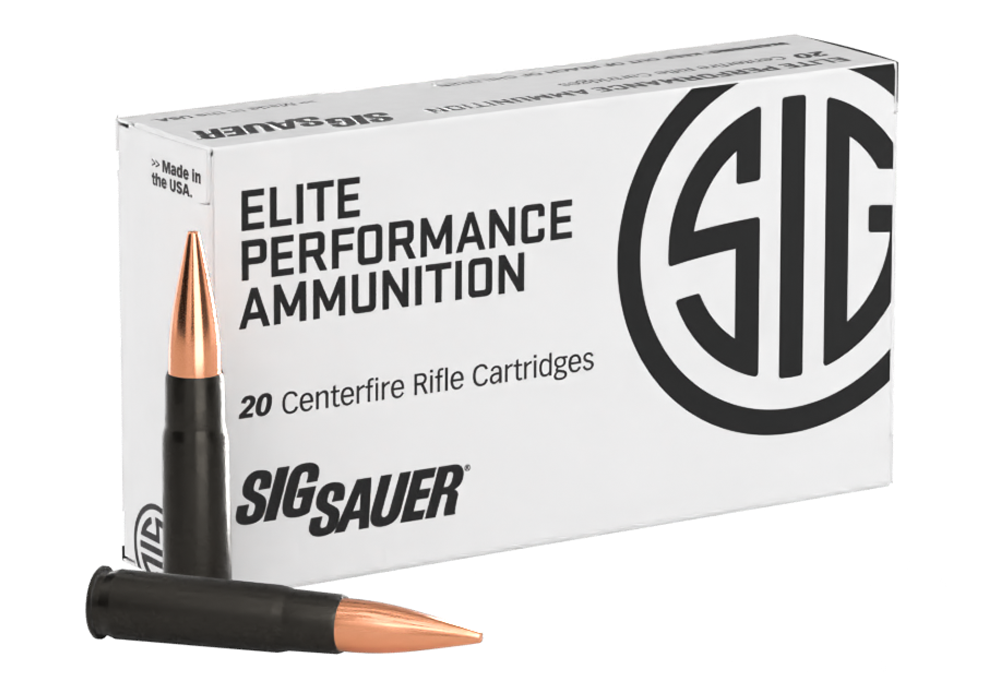
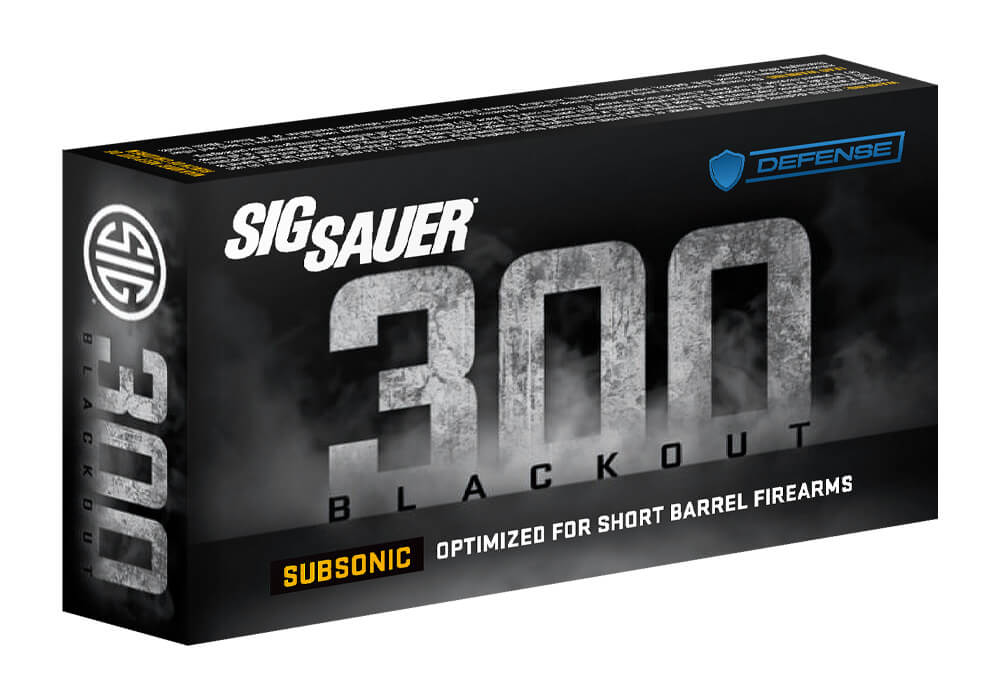
Selecting the right ammunition begins with matching the cartridge to the firearm, barrel length, and intended role. Confirm the exact caliber and cartridge designation marked on the firearm before purchasing, and choose ammunition that is appropriate for that chamber. Handgun loads may depend on sufficient velocity for the cavity and petals to function as intended, while compact barrels can produce different results than the longer test barrels often used for published specifications. Rifle and carbine applications require additional attention to barrel twist rate, projectile length, and whether the load is designed for supersonic or subsonic use. This is especially important with reduced-velocity rifle cartridges, where stabilization and terminal performance can both be affected by the firearm configuration. Bullet weight, muzzle velocity, recoil, flash, and point of impact are practical considerations as well. A load that appears ideal on paper still needs to cycle reliably, feed from the magazine, lock the slide or bolt open when appropriate, and group consistently in the specific firearm. Many experienced shooters set aside time at the range to fire enough ammunition to confirm function and accuracy, then reserve a matching supply for defensive storage. That routine can reveal small but meaningful differences: a compact handgun may feel more manageable with one load, while another may produce a point of impact closer to the sights. Keep ammunition clean, dry, and stored according to the manufacturer’s recommendations, and rotate defensive supplies when needed rather than relying on cartridges that have been exposed to heat, moisture, or rough handling. Follow all applicable laws and local requirements for purchasing, transporting, storing, and using ammunition, and treat every firearm as loaded whenever it is handled.
These cartridges may appeal to lawful concealed carriers, home-defense owners, duty professionals, and preparedness-minded shooters who want a purpose-built defensive load for a compatible firearm. They can also be a thoughtful gift for an experienced shooter who already owns the appropriate firearm and understands safe ammunition handling, although ammunition is a poor choice for anyone whose caliber, storage setup, or local regulations are uncertain. A practical gift conversation can focus on the recipient’s exact chambering, preferred bullet weight, and whether the ammunition will be used in a full-size handgun, compact carry pistol, rifle, or carbine. For a new firearm owner, professional instruction, secure storage, eye and ear protection, and a basic maintenance kit may be more useful than selecting ammunition without knowing the platform. For an established shooter, a box of defensive cartridges can complement a regular practice routine, allowing them to verify reliability with the same type of load kept for protection. Picture the simple process: the firearm is unloaded and inspected, the ammunition is checked for correct caliber and visible damage, and a calm range session confirms that each round feeds and fires as expected. That measured preparation is more valuable than chasing a single performance claim. Maximum expansion can be desirable when the goal is rapid energy transfer and a large expanded profile, but expansion is influenced by velocity, impact angle, clothing, intermediate barriers, and the target itself. No defensive ammunition can guarantee a particular outcome, and responsible use includes knowing the limits of the cartridge, maintaining proficiency, and seeking qualified training. With the right match between projectile design, firearm, and user, Maximum Expansion Defensive Bullets provide a focused option for those evaluating controlled expansion, high weight retention, and reduced pass-through potential in a defensive ammunition selection.