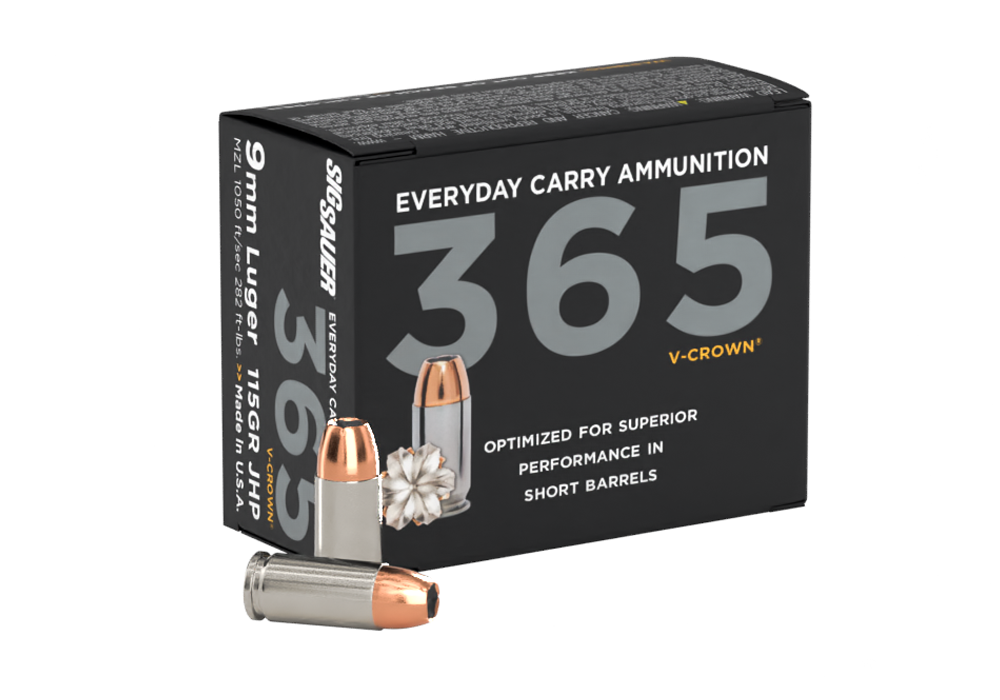
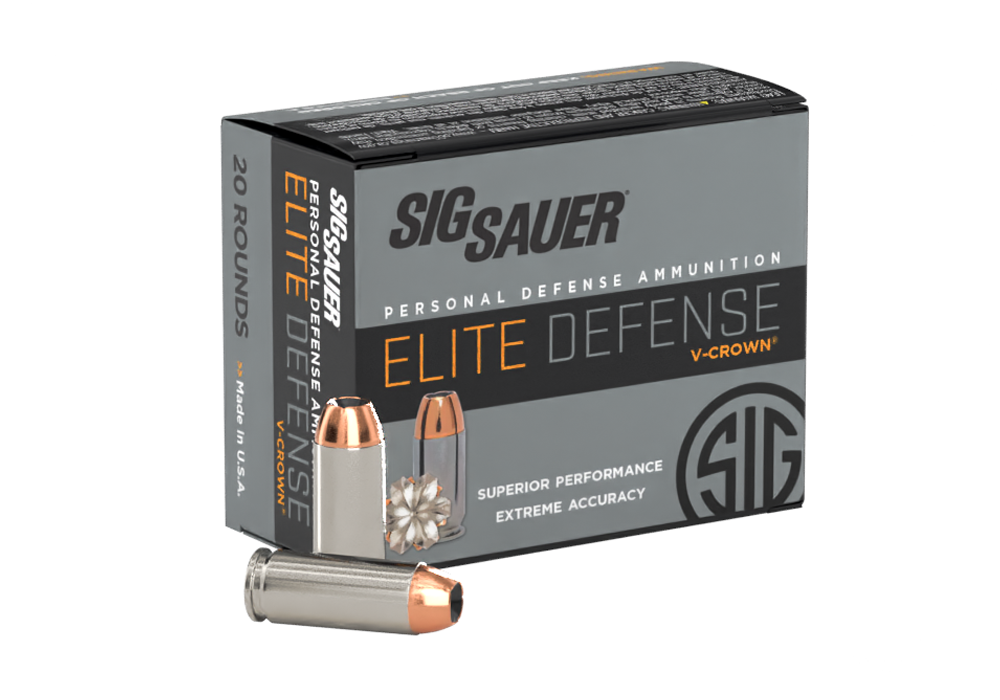
High expansion defensive rounds are designed for situations where dependable performance, controlled penetration, and consistent bullet expansion matter. Unlike traditional full-metal-jacket ammunition, defensive cartridges commonly use hollow-point or other expanding projectile designs that are engineered to open upon impact. As the bullet meets a soft target, fluid pressure and the structure of the nose can cause the projectile to mushroom, peel, or form distinct petals, increasing its frontal diameter and helping transfer energy more efficiently. Many designs are intended to expand to approximately one and a half to two times their original diameter, although actual results depend on factors such as firearm type, barrel length, impact velocity, distance, and the material encountered. The goal is a balanced combination of expansion and penetration rather than simply the largest possible opening. A bullet that expands too quickly may not reach the desired depth, while one that fails to expand can behave more like a conventional non-expanding projectile. For that reason, construction details such as a hollow cavity, skived jacket, scored nose, bonded core, or solid-copper body are important considerations when comparing defensive ammunition. A properly engineered cavity can help the bullet open in a predictable pattern, while a bonded design can help the jacket and core remain together after impact. Solid-copper projectiles may use carefully shaped petals to create broad expansion without a separate lead core. Some expanding-tip cartridges also include a polymer insert that helps preserve the nose cavity and support reliable opening when the round passes through heavy clothing or other common barriers. Shoppers looking for Expanding Tip Defensive Cartridges can compare these features alongside caliber, bullet weight, and intended use to find a suitable option for their firearm.
Choosing defensive ammunition begins with confirming the exact caliber and cartridge designation marked on the firearm and its owner’s manual. Similar-looking cartridges are not automatically interchangeable, and the correct ammunition should always match the chamber specification. Bullet weight can also influence felt recoil, velocity, point of impact, and the way a particular pistol or revolver cycles. A lighter projectile may produce a different recoil impulse than a heavier one, while a compact handgun can perform differently from a full-size model even when both use the same caliber. Defensive rounds should be tested in the firearm that will carry them, not just in a different gun of the same caliber. A few magazines or cylinders at the range can reveal whether the ammunition feeds smoothly, locks the action open when appropriate, and prints close enough to the chosen practice load for confidence at realistic distances. This kind of testing is part of responsible preparation, not an invitation to treat live ammunition casually. Follow the firearm manufacturer’s instructions, use proper eye and ear protection, and keep the muzzle pointed in a safe direction throughout handling. It is also wise to inspect cartridges for corrosion, dents, damaged cases, or other irregularities, particularly if ammunition has been carried repeatedly and exposed to moisture, sweat, dust, or temperature changes. Store defensive ammunition in a cool, dry place away from solvents and other chemicals, and rotate carry ammunition according to a sensible inspection routine. For many owners, these rounds are selected for a handgun kept for personal protection, a firearm used by a trained household member, or a backup supply maintained alongside a regular practice stock. Ammunition can also be a thoughtful gift for an experienced shooter, but caliber compatibility and local purchase or transfer requirements should be confirmed before buying for someone else. When the details are uncertain, a gift card or an opportunity to choose together may be more useful than guessing at the cartridge.
High expansion defensive rounds are not a substitute for safe storage, sound judgment, or regular training. Their purpose is to provide a purpose-built option when a firearm is lawfully carried or kept for protection, with projectile construction intended to support expansion and controlled performance. Clothing is one reason many defensive loads are engineered with reinforced cavities, polymer tips, or other features designed to resist clogging. Heavy fabric can partially fill a hollow point and interfere with the fluid pressure needed to open the bullet, so manufacturers may shape the nose to remain functional through common clothing layers. Barrier performance is another consideration, though no defensive cartridge can guarantee the same result through every material or angle. Drywall, glass, wood, and sheet metal can alter bullet shape, trajectory, and penetration, which is why ammunition should never be evaluated by expansion alone. Look for a design that balances reliable feeding, consistent opening, adequate penetration, and weight retention in a way that suits the firearm and the owner’s needs. Keeping a separate supply of training ammunition can help preserve defensive cartridges for their intended role while allowing regular practice with comparable recoil and handling characteristics. During the warmer months, careful attention to heat and humidity can help protect stored ammunition; as the weather turns cooler, a quick inspection of carry equipment and cartridge condition remains worthwhile. The most useful defensive setup is the one that is compatible, maintained, familiar, and handled responsibly. By reviewing caliber markings, bullet construction, published specifications, firearm compatibility, storage conditions, and applicable laws, shoppers can make a more informed choice from this selection of high expansion defensive rounds.