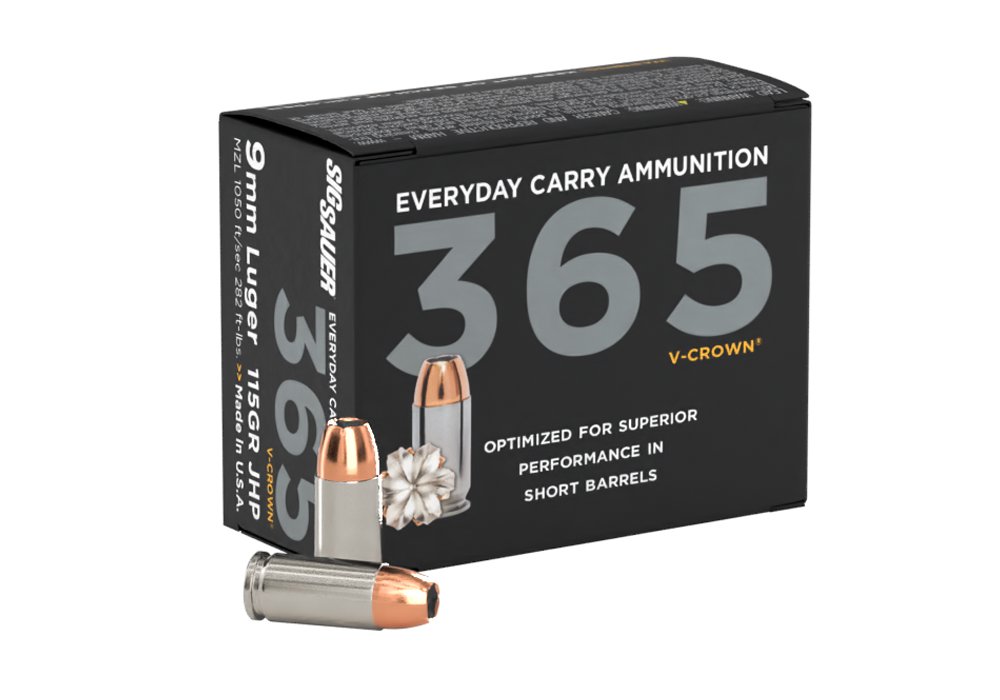
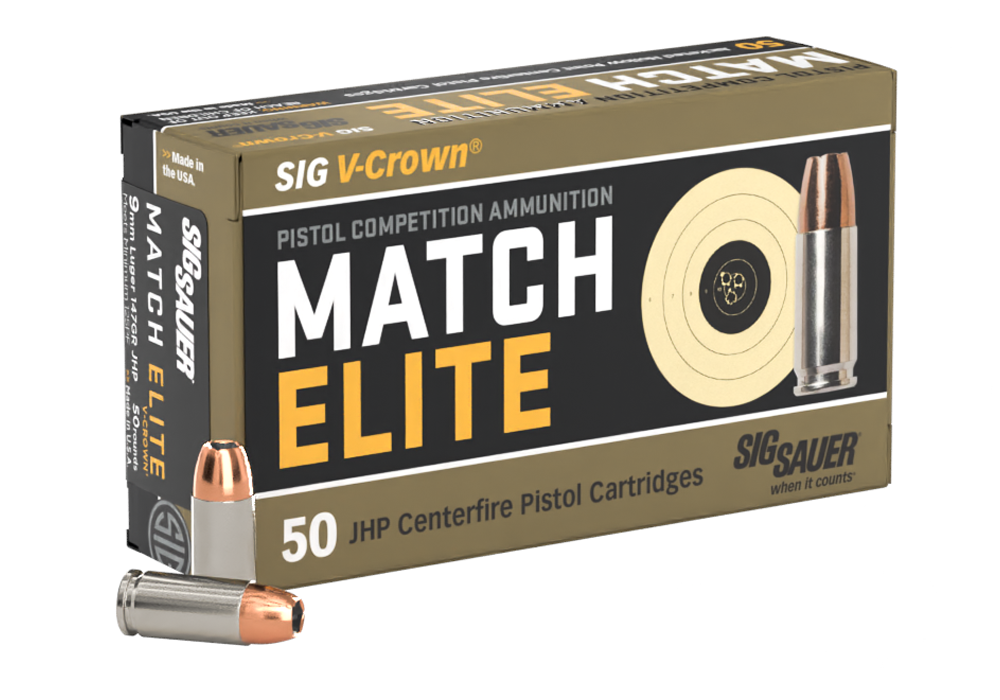
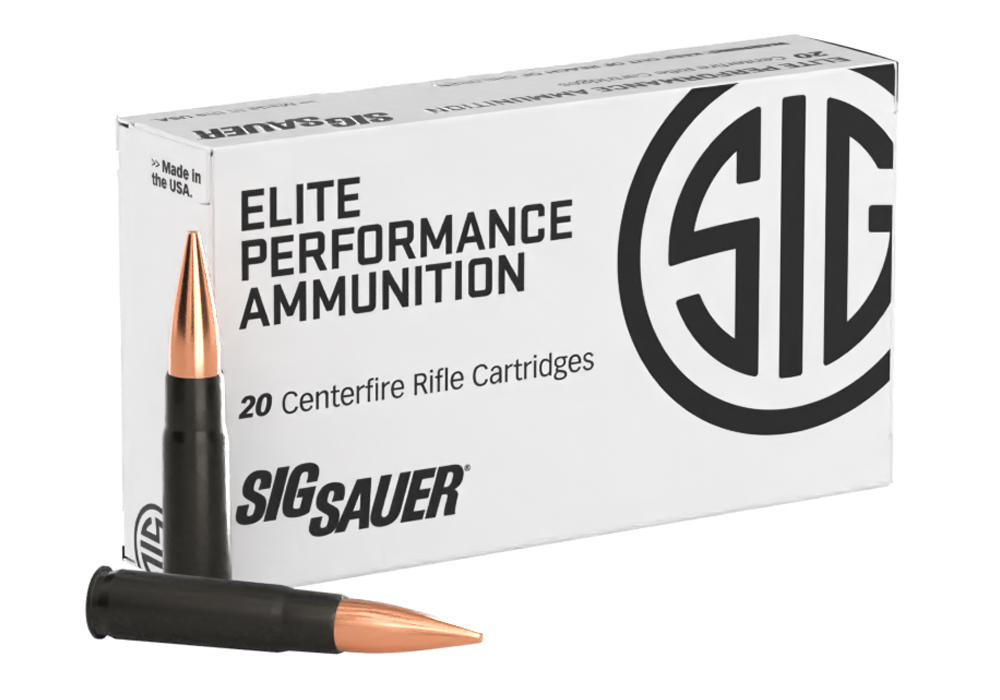
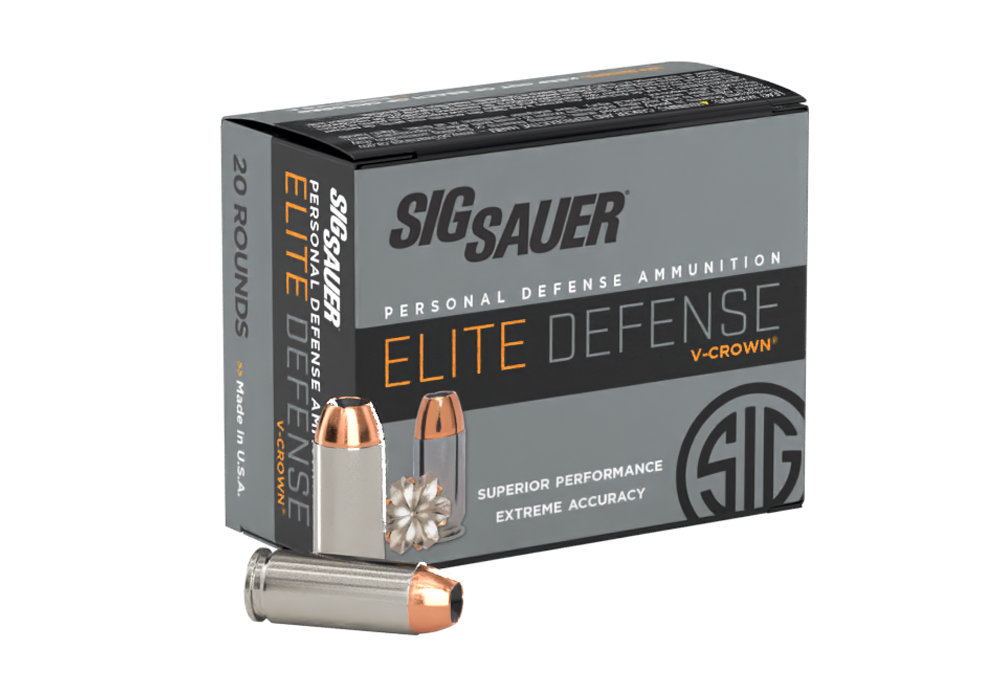
High performance defensive rounds are selected for dependable performance when reliable function, controlled penetration, and consistent terminal behavior matter most. This category commonly includes handgun ammunition designed for personal protection, home defense, duty use, and everyday carry, with bullet construction engineered to perform more predictably than conventional practice ammunition. Many defensive loads use a jacketed hollow point that is intended to expand when it encounters soft tissue, helping create a wider wound channel while limiting unnecessary penetration. Other designs use a solid copper or other monolithic projectile with flutes, channels, or a specialized nose profile to produce effective fluid displacement without relying on a traditional hollow cavity. The right choice depends on the firearm, caliber, barrel length, and the setting in which the ammunition may be used. A compact or micro-sized pistol can produce less velocity than a full-size handgun, so ammunition specifically tested for shorter barrels may offer more consistent results from a concealed-carry platform. Bullet weight also influences the shooting experience: lighter projectiles often produce higher velocities and a sharper, quicker recoil impulse, while heavier projectiles may provide a smoother push and more consistent penetration, depending on the cartridge and firearm. Reliable cycling is equally important. A defensive round should feed, chamber, fire, and eject smoothly in the specific handgun or carbine for which it is intended, and the shooter should confirm that point of impact is suitable for the chosen sights or optic. Product listings may identify bullet weight in grains, projectile construction, cartridge pressure, or intended use, giving shoppers useful information when comparing options within the same caliber.
When evaluating defensive ammunition, consider the balance between expansion, penetration, recoil, accuracy, and barrier performance rather than focusing on a single specification. Professional testing often examines whether a projectile expands consistently after passing through clothing and whether it penetrates to a useful depth without excessive fragmentation or over-penetration. A commonly referenced benchmark for duty and defensive testing is approximately 12 to 18 inches of penetration in calibrated gelatin, although actual performance varies with the firearm, ammunition, test method, and intermediate material. Some loads are optimized for unobstructed targets and everyday personal protection, while others are built to maintain bullet integrity after encountering demanding barriers such as heavy clothing, automotive glass, or structural materials. Barrier-oriented designs may use a mechanically secured jacket, bonded core, reinforced nose, or polymer component intended to help keep the projectile from clogging or deforming prematurely. These features can be valuable for duty applications or defensive plans where intermediate barriers are a realistic concern, while a more traditional expanding design may be a practical fit for concealed carry or residential use. Shooters should also account for muzzle flash and recoil, particularly when practicing in low-light conditions or using a lightweight handgun. A cartridge that produces impressive velocity on paper may not be the best match if it causes flinching, slows follow-up shots, or reduces confidence. Comparing defensive rounds alongside High Energy Defensive Cartridges can help shoppers review related options by intended performance and application. Always verify the exact caliber marking on the firearm and ammunition packaging, since cartridges that appear similar may not be interchangeable, and never substitute a load simply because it fits the magazine.
Defensive ammunition is often purchased by concealed carriers, homeowners, security professionals, law enforcement personnel, competitive shooters who want a dedicated carry load, and firearm owners preparing a trusted handgun for emergency use. It can also be a thoughtful gift for an experienced shooter when the recipient’s caliber, firearm model, preferred bullet weight, and local purchasing requirements are known; ammunition is not a suitable surprise gift when those details are uncertain. Newer firearm owners may appreciate ammunition selected as part of a broader range and safety setup, but live defensive rounds should be kept separate from training ammunition and clearly identified. Before relying on any defensive load, use an appropriate amount for function testing at a safe, lawful range. Confirm that the ammunition cycles reliably, that magazines feed properly, and that the shooter can manage recoil while maintaining safe control. Practice ammunition can help develop fundamentals, while a limited quantity of the chosen defensive load can be used to verify operation and point of impact without unnecessary expense. Inspect boxes and cartridges for damage, corrosion, or contamination, and store ammunition in a cool, dry environment away from heat, moisture, and unauthorized access. Follow the firearm manufacturer’s instructions, observe all applicable laws, and keep the muzzle pointed in a safe direction whenever handling a loaded firearm. During the cooler months, changing clothing layers may also affect how a projectile performs after passing through garments, making it especially important to choose ammunition based on credible testing and to maintain consistent carry equipment. With careful attention to caliber compatibility, projectile design, barrel length, recoil, reliability, and intended use, the products in this category can help firearm owners select defensive rounds that complement their equipment and support responsible preparedness.