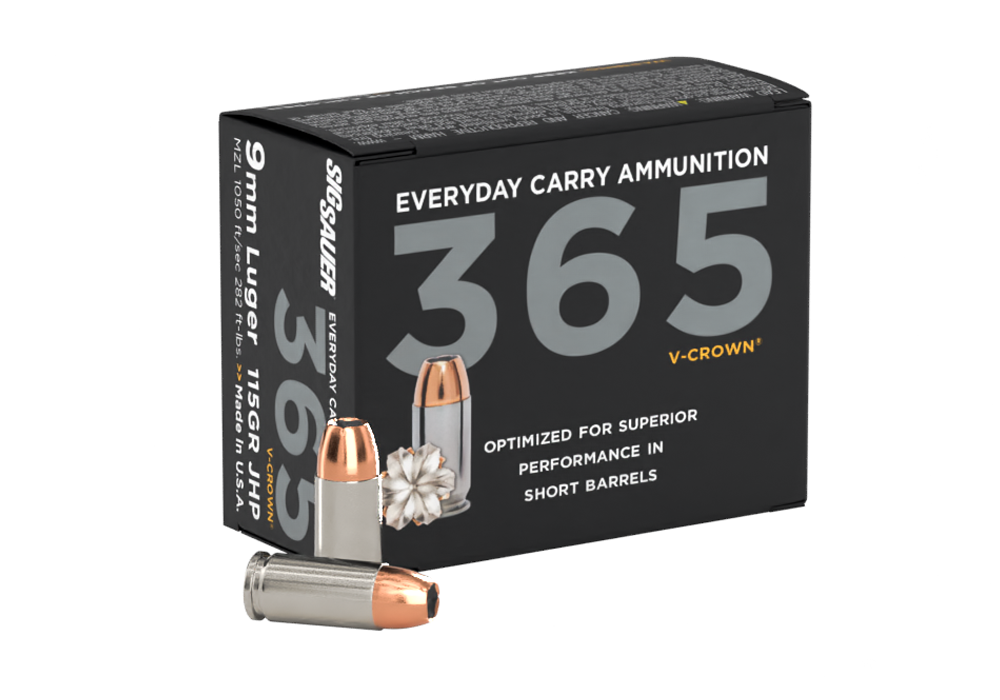
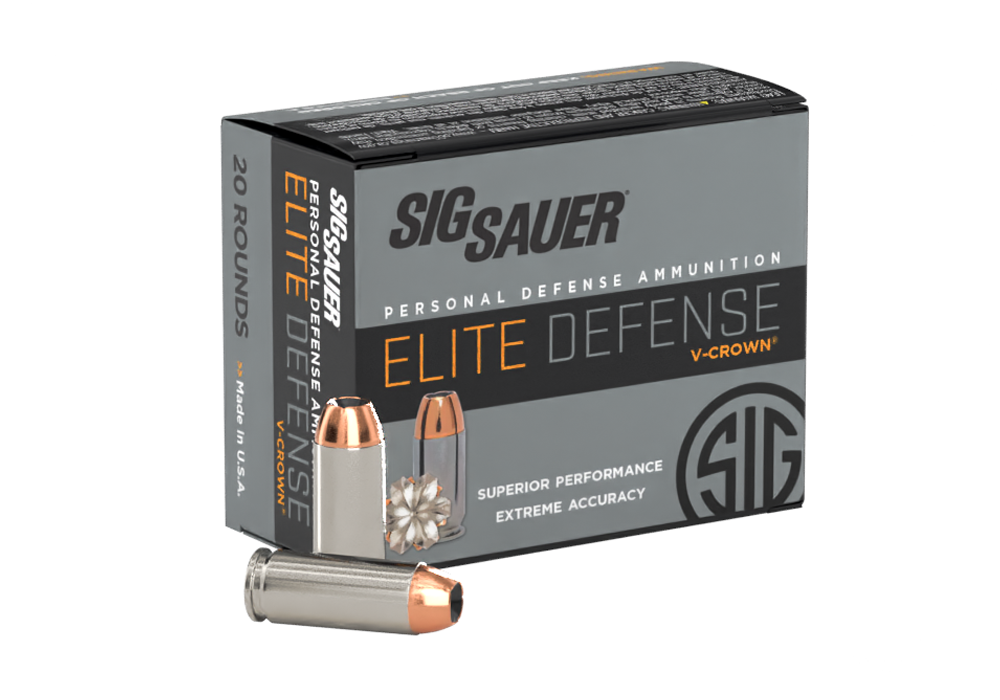
High energy defensive cartridges are designed for personal protection, duty use, and home-defense applications where dependable function and consistent terminal performance matter. Compared with standard loads in the same caliber, these cartridges may use increased velocity, a carefully engineered bullet profile, or a combination of bullet weight and propellant characteristics intended to produce greater kinetic energy at the muzzle and downrange. Because kinetic energy is influenced strongly by velocity, even a modest increase in speed can create a meaningful change in overall performance. Many defensive loads use jacketed hollow point bullets, skived projectiles, polymer tips, or solid copper designs intended to promote controlled expansion after impact. Expansion can help create a wider wound channel while limiting unnecessary penetration, although no ammunition can guarantee a particular result in every circumstance. Bullet construction, impact angle, clothing, intermediate barriers, barrel length, and distance can all affect performance. This makes defensive ammunition a considered purchase rather than an interchangeable commodity. A load that performs well in a full-size handgun may behave differently in a compact pistol, while a cartridge suited to one platform may not be appropriate for another. Start by confirming the exact caliber marked on the firearm, then review the firearm manufacturer’s guidance regarding bullet type, pressure rating, and compatible ammunition. If a load is marked +P or otherwise designated as higher pressure, use it only in a firearm specifically rated for that ammunition. A firearm’s owner’s manual is the best starting point, and a qualified firearms professional can help clarify questions about compatibility, chambering, and intended use.
The tradeoff for increased velocity or energy is often a sharper recoil impulse, a louder report, and more pronounced muzzle flash, particularly in lightweight or short-barreled firearms. Those characteristics do not automatically make a cartridge better for every shooter. Defensive ammunition should support confident, repeatable operation, and the shooter must be able to maintain a secure grip, align the sights, and recover the firearm for follow-up shots. During a range session, fire enough of the selected load to confirm that the firearm feeds it reliably, the magazines function properly, and the sights provide an acceptable point of impact. Pay attention to how the ammunition feels in the hand as well as how it groups on paper; a cartridge that produces impressive velocity but makes accurate practice difficult may be a poor fit for a particular user. It is also useful to practice with less expensive training ammunition that has a similar bullet weight and general recoil impulse, reserving defensive cartridges for function checks and familiarization. Store ammunition in a cool, dry place, protected from moisture, excessive heat, and physical damage, and rotate older defensive loads according to the manufacturer’s recommendations. These products may be selected by licensed firearm owners preparing for concealed carry, by households establishing a lawful home-defense plan, or by professionals whose agency policies specify a particular caliber or performance standard. They can also be a thoughtful gift for an experienced shooter, provided the recipient’s caliber, firearm compatibility, local laws, and personal preferences are known. Ammunition is not a universal gift, and giving the wrong caliber or an unsuitable pressure level can create an avoidable safety issue. When in doubt, a gift card or a conversation about the recipient’s preferred load may be more practical than making an assumption.
When comparing high energy defensive cartridges, look beyond a single velocity number on the box. Consider the bullet’s construction, advertised weight, pressure designation, published test data, packaging integrity, and the reputation of the load for reliable feeding and consistent expansion. Lighter projectiles may achieve higher velocity, while heavier projectiles may offer a different balance of momentum, penetration, and recoil; neither approach is automatically ideal for every firearm or shooter. Barrel length also matters, since ammunition tested in a longer barrel may produce different results in a compact carry gun. For that reason, the most useful selection is one that fits the firearm, complies with its specifications, and can be handled accurately under stress. Defensive ammunition should be treated as part of a larger safety plan that includes secure storage, regular practice, safe handling, awareness of local regulations, and appropriate training. Shooters who are also evaluating ammunition for hunting should keep the intended purpose clear: defensive cartridges and hunting ammunition are engineered around different performance goals, and a product chosen for one application may not be suitable for the other. For those comparing specialized hunting options, High Energy Bonded Core Hunting Bullets represent a separate category intended for hunting applications rather than everyday defensive use. During the cooler months, when changing routines, travel, and more time indoors can renew attention to preparedness, this collection offers a practical place to compare defensive cartridge options by caliber, bullet design, pressure, and intended use. Select ammunition carefully, verify every specification against the firearm, and build familiarity through responsible practice so the chosen load is a dependable part of a complete, lawful safety routine.