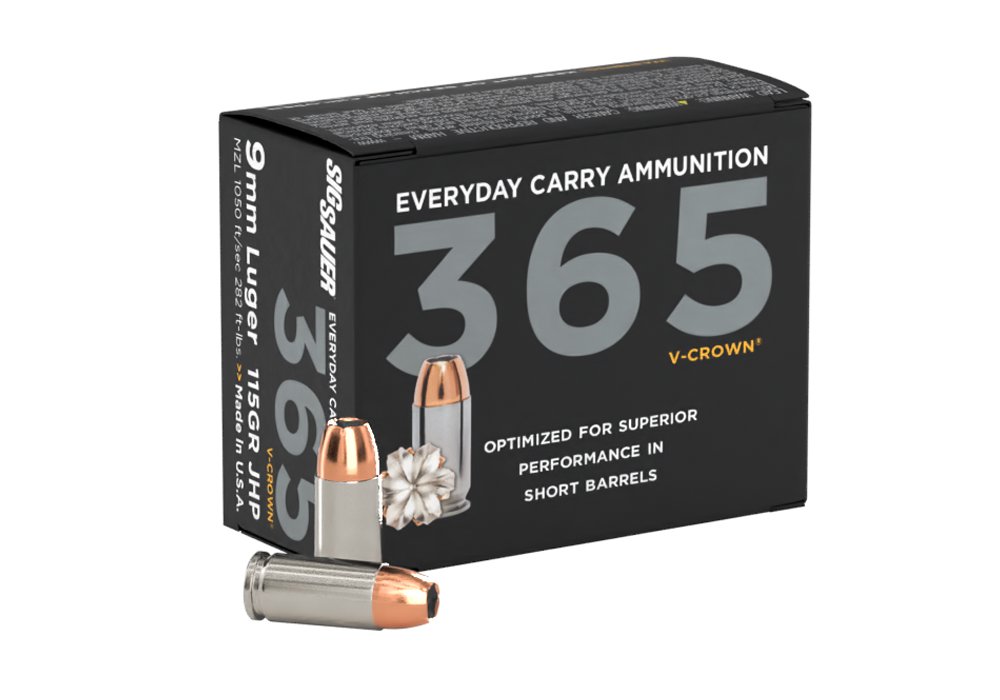
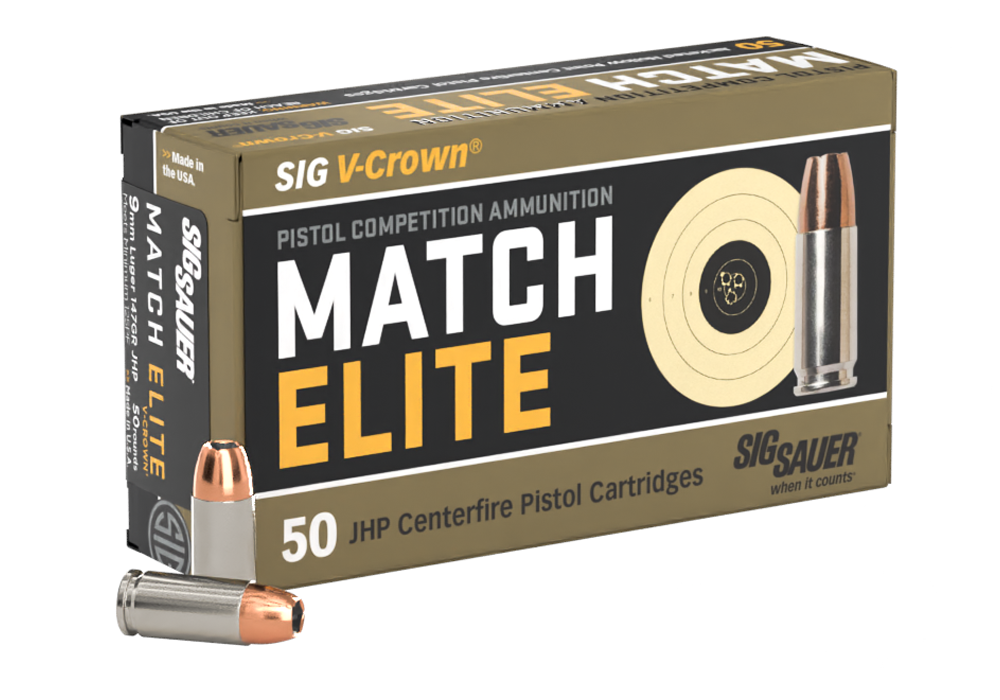
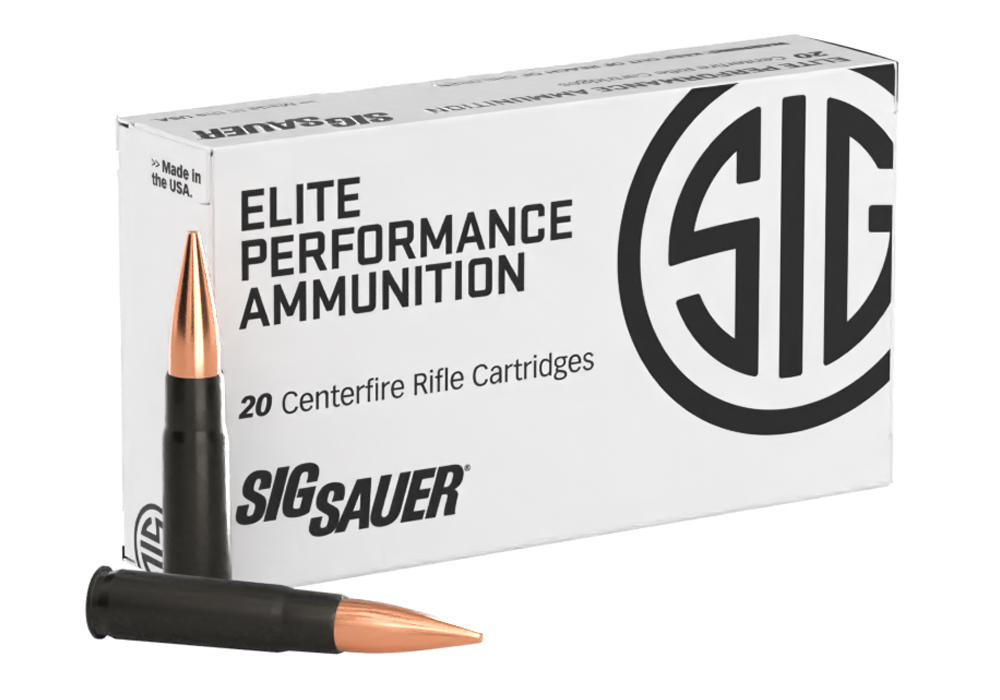
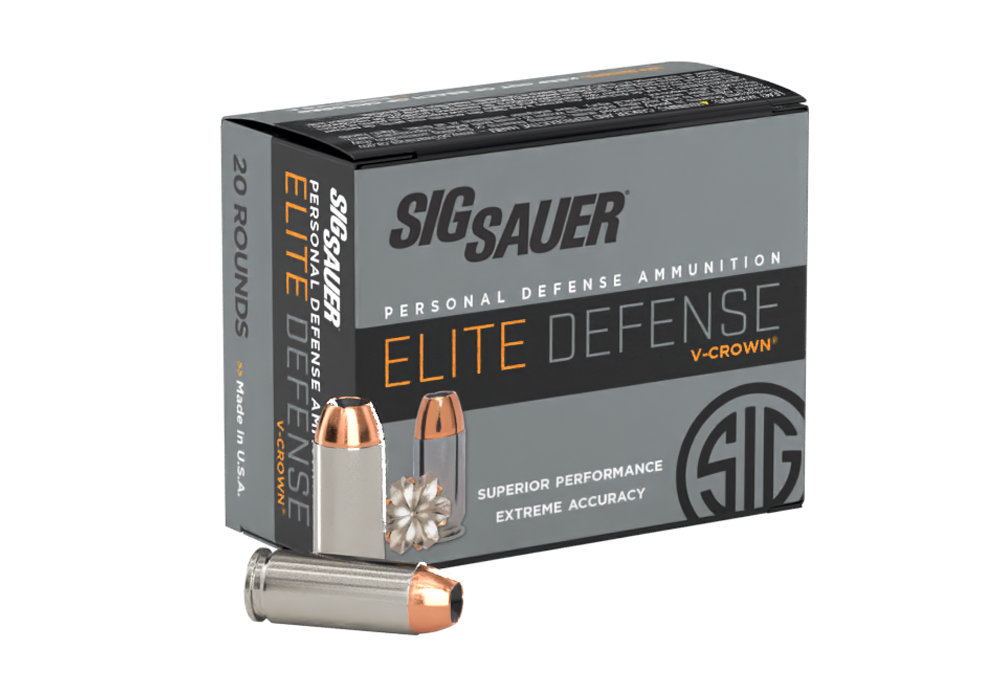
High-performance self-defense rounds are cartridges designed for lawful personal protection, with an emphasis on dependable function, consistent manufacturing, and controlled bullet performance. Unlike ammunition intended primarily for routine target practice, defensive ammunition often uses specialized projectile construction, including jacketed hollow points, bonded bullets, or solid-copper designs. A jacketed hollow point has a cavity in its nose that is intended to encourage expansion under specified conditions. Bonded construction joins the jacket to the core to help the bullet retain its structural integrity, while solid-copper projectiles use a different material approach that does not require a separate lead core. These descriptions explain construction, not a guarantee of results: performance depends on the complete cartridge, the firearm, and the conditions represented in testing. For shoppers comparing personal protection ammunition, the most useful information goes beyond a bold claim on a box. Clear caliber markings, bullet weight, pressure designation, and documented testing provide a more meaningful foundation for understanding the differences between loads. Bullet weight is typically expressed in grains, a unit of mass rather than a measure of propellant quantity. Velocity figures also need context because they reflect a particular test setup, including barrel length; they should not be treated as a promise that every firearm will produce the same result. Standardized ballistic testing can help describe how a projectile behaves in a controlled medium, but it cannot reproduce every real-world circumstance or establish a guaranteed outcome. Consistency matters more than dramatic language. A well-documented defensive cartridge should have specifications that are easy to identify and manufacturer guidance that is easy to follow. Whether the intended setting is lawful concealed carry or secure home protection, ammunition belongs within a broader commitment to responsible ownership, safe handling, and qualified instruction. Its role is specific, and selecting it deserves the same care as selecting the firearm in which it will be used.
Compatibility is the starting point when comparing self-defense ammunition. The cartridge designation on the packaging must match the ammunition specifications authorized by the firearm manufacturer; a similar name or appearance is not enough. The firearm’s manual is the appropriate reference for permitted ammunition types, pressure limits, and any restrictions associated with a particular model. Higher-pressure markings, including +P, indicate a distinct loading specification and should never be interpreted as a universal upgrade. Such ammunition is appropriate only when the firearm manufacturer expressly permits it. Shoppers exploring the .45 Auto category can review High Performance 45 Auto Ammunitions while keeping those compatibility requirements central to their comparison. Beyond caliber, materials influence how a cartridge is constructed and protected during ordinary handling. Brass cases are common, and some feature nickel plating for additional corrosion resistance. A plated finish is a material characteristic, not proof that a cartridge will function better in every firearm. Likewise, a polished appearance cannot establish the condition of ammunition that has an uncertain storage history. Projectile jackets, case dimensions, primers, and assembly tolerances all contribute to the finished cartridge, making manufacturing consistency an important consideration. Where a manufacturer describes primer or case-mouth sealing, that feature should be understood within its stated limits rather than as permission to expose ammunition to water, solvents, or rough handling. Reliable operation must also be considered at the firearm level. At an authorized range, a responsible owner can follow the firearm manufacturer’s recommendations and range rules when confirming that compatible ammunition functions properly. A cartridge that performs as expected in one firearm is not automatically suitable for another. Recoil and handling characteristics can differ between loads, so familiarity should come through supervised or otherwise appropriate practice, not assumptions based on packaging. For newer owners, a qualified instructor can explain terminology, reinforce safe handling, and help separate meaningful specifications from marketing claims without treating ammunition as a substitute for sound judgment.
Care and storage help preserve the condition of personal protection rounds between purchase, practice, and lawful use. Keep ammunition in its original packaging whenever practical so the caliber, load description, lot identification, and safety information remain associated with the cartridges. Those details are useful when checking manufacturer notices or contacting customer support about a concern. A dedicated, locked storage location should protect ammunition from moisture, unauthorized access, and contact with cleaning chemicals, following applicable laws and manufacturer recommendations. Loose cartridges rolling around a drawer or collecting residue in the bottom of a bag are harder to identify, inspect, and keep protected. Before use, visible corrosion, a damaged case, or a projectile that appears displaced warrants setting the cartridge aside and seeking guidance from the manufacturer or a qualified professional. Do not attempt to repair questionable factory ammunition. Repeated handling and repeated chambering can affect cartridge condition, so follow the firearm and ammunition manufacturers’ recommendations rather than assuming a defensive round remains serviceable indefinitely. Any ammunition removed from service should be handled through an appropriate local disposal resource, not placed in household waste or altered at home. For regular owners, an orderly storage routine also makes it easier to distinguish practice ammunition from cartridges reserved for personal protection. Keep labels intact, avoid mixing unidentified loads, and retain enough information to know exactly what is being handled. Durability in this category means resistance to the demands of appropriate storage and ordinary handling, not immunity to damage or neglect. Experienced owners and people purchasing their first defensive ammunition benefit from the same practical approach: verify fit, understand the specifications, inspect condition, and maintain safe habits. Ammunition is a compatibility-sensitive and legally regulated purchase, so it is generally better selected by the intended lawful user than chosen as a surprise gift. The strongest basis for comparing high-performance self-defense rounds is a combination of clear product information, documented quality controls, correct firearm compatibility, and responsible care. Those fundamentals keep the focus on dependable equipment and informed ownership rather than unsupported promises.