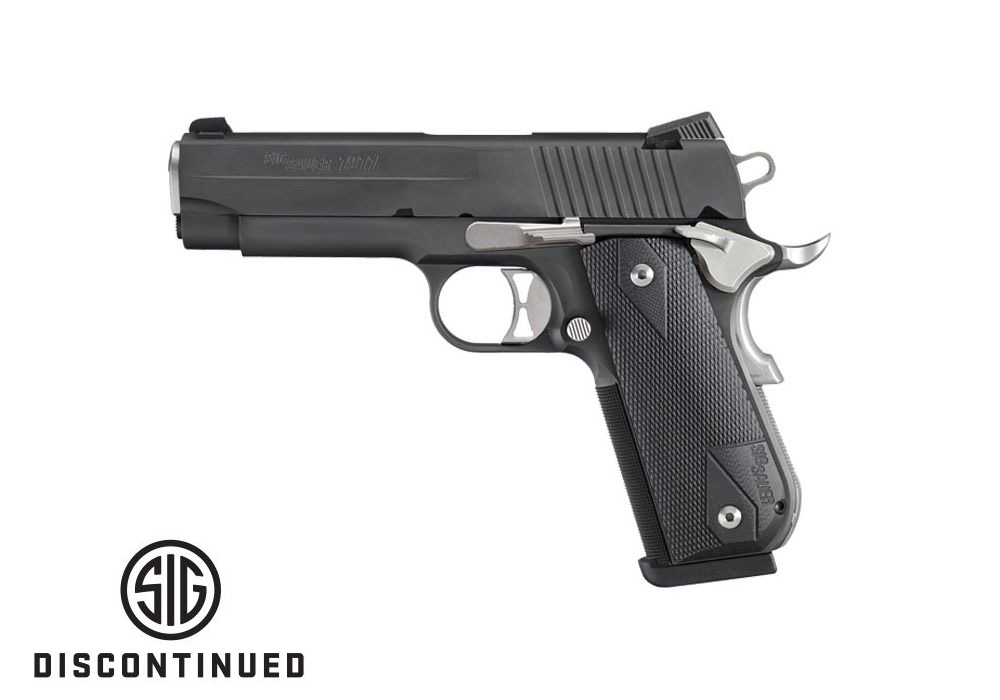
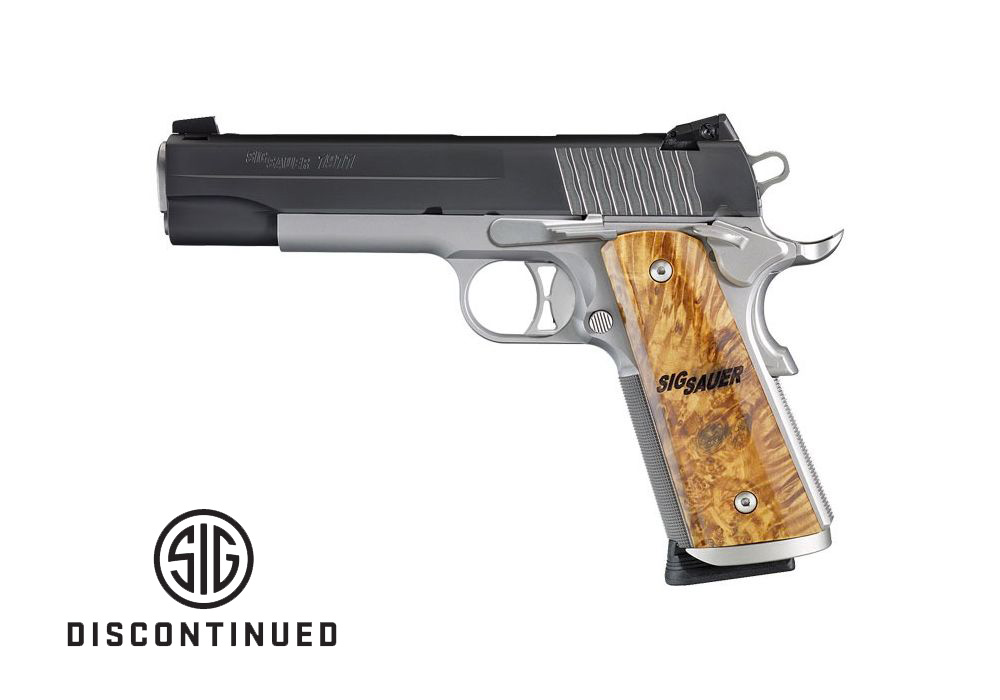
45 Auto ammunition remains a trusted choice for full-size, compact, and subcompact handguns, with performance-focused loads available for practice, personal protection, and responsible defensive preparation. Many shoppers begin with bullet construction, since the projectile’s design influences expansion, penetration, recoil, and reliability. Jacketed hollow point, or JHP, bullets feature a recessed nose that is engineered to expand when it encounters a suitable soft target, creating a wider wound channel while helping manage penetration. Some loads use a bonded jacket and core to help the projectile stay together after passing through intermediate materials, while others use a polymer insert or carefully shaped cavity to support consistent expansion when clothing or debris partially covers the nose. These details matter because ammunition should perform reliably in the specific handgun and barrel combination being used. A full-size pistol with a five-inch barrel may produce different velocity and felt recoil than a compact pistol with a three-inch barrel, even when both use the same cartridge. For this reason, selecting 45 Auto ammunition involves more than choosing the highest listed velocity. It means matching bullet weight, pressure level, projectile design, and intended use with the firearm, the shooter, and the conditions in which the ammunition may be carried or stored. Shoppers comparing defensive loads often encounter 185-grain, 200-grain, and 230-grain options. Lighter bullets can offer higher velocity and a quicker-feeling recoil impulse, while heavier bullets are often associated with a slower, steadier presentation and traditional 45 Auto handling characteristics. Typical performance-focused loads may produce velocities in the approximate range of 900 to 1,050 feet per second, although actual results vary with barrel length, temperature, firearm condition, and ammunition specifications. The published figures on the box and manufacturer data should always take priority over general estimates.
Pressure rating is another important consideration. Standard-pressure ammunition is appropriate for many commonly encountered pistols, while +P loads operate at a higher pressure than standard SAAMI limits and can provide increased velocity and energy. That additional performance may also bring sharper recoil, greater muzzle blast, and more demanding control requirements, particularly in a lightweight or short-barreled handgun. Before choosing a +P load, verify that the firearm is specifically approved for it and consider whether every person who may use the handgun can manage the increased recoil safely and consistently. Reliability should remain central to the selection process. A defensive cartridge must feed smoothly from the magazine, chamber fully, lock the slide consistently, and function through the handgun’s complete operating cycle. Testing a reasonable quantity of the selected load at a supervised range can help confirm that the pistol, magazines, and ammunition work together before the ammunition is carried for protection. Pay attention to feeding, primer strikes, recoil characteristics, point of impact, and the shooter’s ability to make accurate follow-up shots. Clean, dry storage in the original packaging helps preserve cartridge condition and keeps lot information available for future reference. Ammunition should remain secured away from children and unauthorized users, and it should be handled in accordance with local laws, range rules, and the handgun manufacturer’s instructions. For shoppers exploring projectile styles, the 45 Auto Hollow Points collection offers a useful starting point for comparing defensive bullet designs, weights, and pressure ratings without losing sight of the individual firearm’s requirements.
These products may suit experienced handgun owners refining a defensive setup, first-time owners learning the characteristics of the 45 Auto cartridge, or a careful gift giver who knows the recipient’s exact handgun model and preferred ammunition specifications. Ammunition can be a practical gift for a range regular, but compatibility should be confirmed before purchase; the correct caliber marking, bullet profile, pressure rating, and magazine fit all matter. When the recipient’s preferences are unknown, a gift card or a conversation about the intended pistol is often more useful than guessing. For personal use, performance-oriented 45 Auto ammunition may serve several roles. A shooter may select one load for routine practice and another for defensive storage, then confirm that both behave predictably in the same firearm. Others may keep a compact pistol for discreet carry and a full-size pistol for home protection, choosing ammunition after considering barrel length, recoil control, sight alignment, and the environment in which each handgun is used. During the cooler months, heavier clothing can add another variable to defensive ammunition performance, which is why many responsible owners value projectiles tested for consistent expansion through common clothing materials. That testing does not replace careful judgment or regular practice, and no cartridge can compensate for poor handling, an unsuitable firearm, or a lack of familiarity. A balanced selection process considers accuracy, reliability, controllability, storage life, and legal requirements alongside velocity and bullet construction. The result is a more dependable setup that feels familiar in the hand, cycles with confidence, and supports responsible preparation through changing seasons. Before placing an order, review the handgun manual, confirm the cartridge marking on the firearm, inspect packaging for clear specifications, and check all applicable purchase, transport, storage, and range regulations.