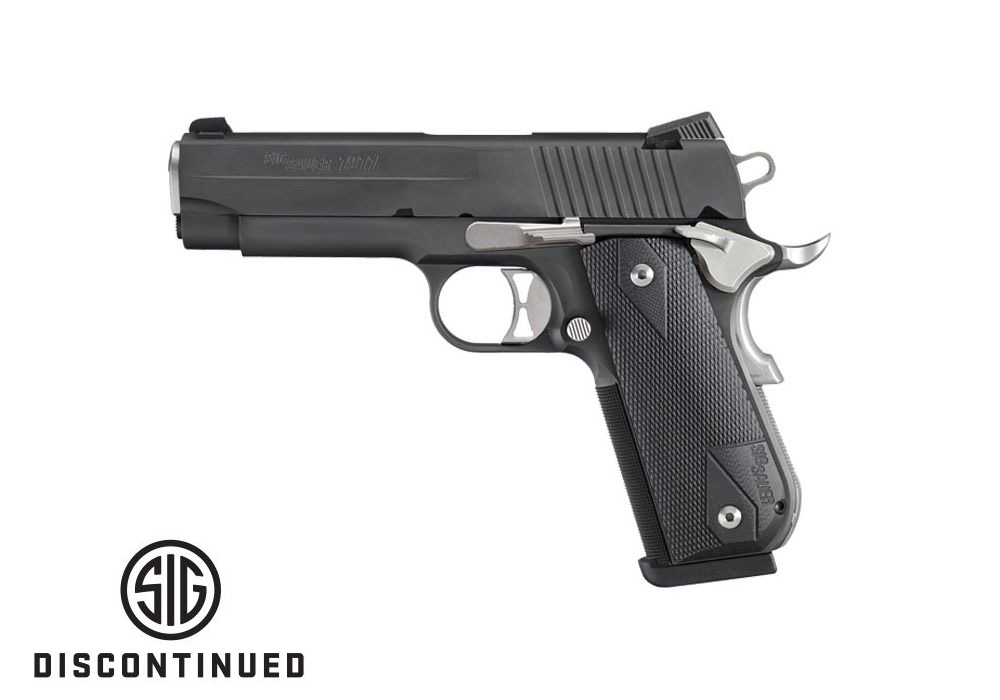
.45 Auto hollow points are handgun cartridges with a recessed bullet nose designed to encourage expansion under appropriate impact conditions. Also known as .45 ACP hollow point ammunition, this category is commonly associated with personal protection and home defense, where dependable function and documented ballistic performance are important considerations. The names .45 Auto and .45 ACP generally refer to the same cartridge, but that does not make other cartridges with “.45” in their names interchangeable. The exact chamber marking on the firearm and the ammunition designation on the packaging should agree with the firearm manufacturer’s specifications. A hollow point differs from a conventional full metal jacket bullet primarily in its nose construction and intended behavior after impact. Rather than retaining its original profile, the hollow point is engineered to widen within a particular performance range. Expansion is not guaranteed, however, and no bullet design eliminates the possibility of passing through a target or penetrating surrounding materials. Safe handling, an appropriate backstop, and awareness of what lies beyond the target remain essential regardless of projectile type. Many traditional .45 Auto loads operate at subsonic velocities from typical handgun barrels, although actual velocity varies with the loading and the firearm used. Published figures are most useful when considered alongside test barrel length and other stated testing conditions, rather than treated as a promise for every pistol. For shoppers comparing .45 Auto hollow points, the meaningful distinctions extend beyond the appearance of the cavity: bullet construction, pressure designation, cartridge finish, and the quality of supporting test information all contribute to understanding the category. Intended use matters as well. Ammunition selected for lawful defensive ownership carries different expectations from ammunition purchased solely for recreational target shooting, even though both require correct fit, reliable operation, and responsible storage. The category suits eligible adult firearm owners who want to evaluate those details carefully rather than rely on broad claims about caliber alone.
Materials and construction help explain why .45 ACP hollow point ammunition can vary even when cartridges share the same caliber designation. Many jacketed hollow point bullets combine a lead core with a copper or copper-alloy jacket. Some designs bond the jacket to the core, while others use different structural features to manage how the projectile changes shape. A recessed nose by itself does not establish how consistently a bullet will perform; the entire design and the conditions under which it has been tested matter. Cartridge cases are commonly brass, and some feature nickel plating. Case finish can affect surface characteristics and resistance to corrosion, but it is not a substitute for careful storage or inspection. The complete cartridge also includes a primer and propellant, with each component contributing to its intended function as a factory-loaded unit. Bullet weight, expressed in grains, describes the projectile’s mass, not the quantity of propellant inside the case. Weight and listed velocity are useful specifications, but neither provides a complete picture of recoil, accuracy, or suitability for a particular firearm. Pressure markings deserve equally close attention. Ammunition marked +P is loaded to a higher pressure standard than standard-pressure ammunition and should be used only when the firearm manufacturer explicitly permits it. A shared caliber name alone does not confirm compatibility with every pressure level. Fit also includes how a cartridge functions through the firearm’s feeding and operating cycle. Different pistols can respond differently to bullet profiles, and a familiar-looking round should not be assumed to perform identically across all firearms. Manufacturer guidance and supervised range evaluation provide a more dependable basis for assessing function than appearance or reputation alone. For an owner using the same pistol for training and lawful personal protection, consistent operation and manageable handling are practical concerns alongside published specifications. Credible performance information identifies testing methods and conditions; it does not replace firearm-specific checks or turn laboratory results into a guarantee. A carefully described cartridge is easier to assess when its specifications distinguish measured results from general design intentions.
Care and durability are especially relevant for ammunition that may spend time in storage between range visits. Factory cartridges are durable articles, but their condition still deserves attention. Clean, dry storage in original packaging helps protect the cartridges while keeping the caliber, pressure designation, lot information, and manufacturer warnings together. Locked storage that prevents access by children and unauthorized people is a basic part of responsible ammunition ownership. Moisture, solvents, and unsuitable cleaning products can affect cartridge components, so ammunition should remain separate from firearm cleaning work. Wiping away light surface dirt with a dry cloth is different from attempting to polish, lubricate, repair, or alter a cartridge; questionable rounds belong out of use pending appropriate professional guidance. Visible corrosion, a damaged case, or a bullet that appears displaced are reasons not to load that cartridge. Repeatedly chambering the same round can affect its condition, which makes periodic inspection particularly important for ammunition handled frequently. At a range, original labels also help prevent confusion when several shooters have similar-looking boxes on the bench. Keeping each cartridge type clearly identified is a simple habit with lasting value. Owners comparing ammunition for more than one handgun may also browse 380 Auto Hollow Points for a firearm chambered in that separate caliber; the two cartridge types are not interchangeable. Across either category, specifications are most useful when they are matched to the correct firearm and read in full. Local requirements can also govern ammunition purchase, possession, transport, and use, including restrictions affecting hollow point ammunition, so checking applicable rules is part of an informed purchase. For .45 Auto hollow points, a sound comparison brings together construction details, clear labeling, documented testing, and the manufacturer’s compatibility requirements. Those fundamentals support a practical understanding of what the ammunition is intended to do, how it should be cared for, and where its limitations remain. Responsible selection rests on that complete picture, not on a single velocity figure, a dramatic performance claim, or the assumption that every hollow point behaves alike.