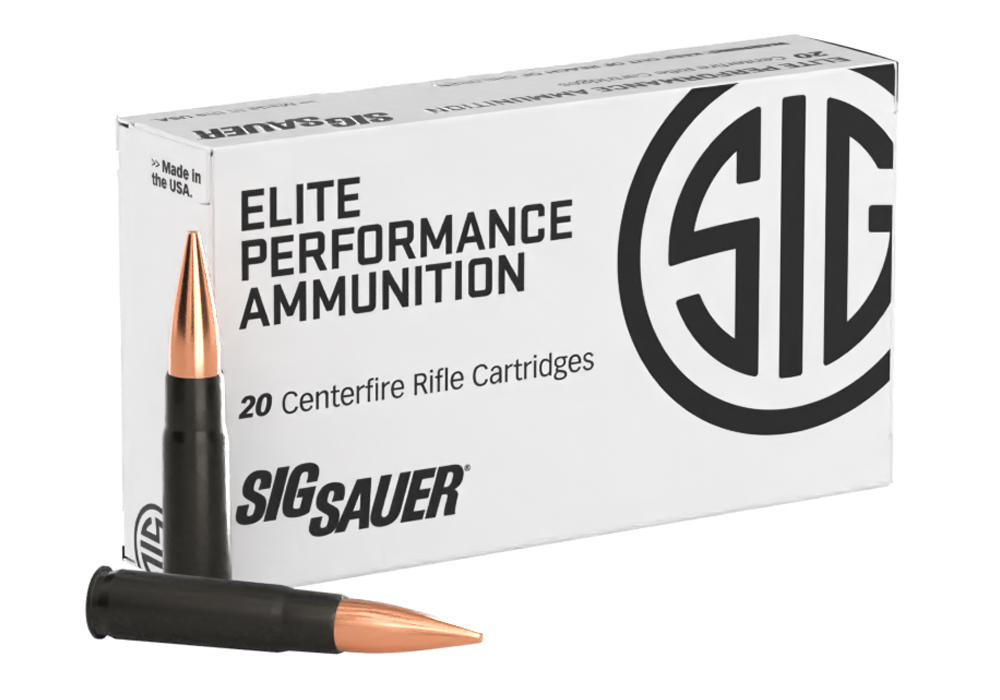
Expanding copper hunting bullets are designed for hunters who want a balance of controlled expansion, deep penetration, and strong weight retention in the field. Unlike traditional projectiles built with a separate lead core and jacket, monolithic bullets are formed from solid copper or a copper alloy, helping them stay together as they encounter hide, muscle, and bone. Their noses commonly feature a hollow cavity, polymer tip, or carefully engineered grooves that encourage the front of the bullet to peel back into sharp petals on impact. The result is a projectile that can expand reliably while retaining a substantial portion of its original mass—often approximately 90% to 100%, depending on bullet construction, impact conditions, and the individual design. That retained weight can support straight-line penetration through dense tissue and help maintain a broad wound channel, especially when an animal is positioned at an angle or heavy bone is encountered. A hunter moving quietly through cool timber may have only a brief view between branches, and the confidence that comes from selecting ammunition built for controlled performance can make careful shot placement feel even more deliberate. Copper hunting bullets are commonly chosen for deer, hogs, elk, and other medium- to large-sized game, with the proper caliber, bullet weight, and cartridge determined by the rifle, expected range, local regulations, and the animal being pursued. Explore the selection of Copper Hunting Bullets to compare options suited to different hunting setups and field conditions.
When selecting expanding copper hunting bullets, begin with compatibility. Confirm the exact caliber and cartridge designation marked on the rifle and ammunition, then consider the barrel’s twist rate, the bullet weight recommended for that cartridge, and the performance range expected in the field. Monolithic bullets are sometimes offered in lighter weights than comparable lead-core bullets because copper designs can produce useful velocity with less projectile mass. That does not mean a lighter bullet is automatically the best choice; the right selection depends on the rifle, game, distance, and the manufacturer’s published specifications. Velocity deserves particular attention. Many copper bullets require sufficient impact speed to initiate their intended expansion, with a commonly cited threshold around 1,800 to 2,000 feet per second, although the actual requirement varies by design and should be verified before purchase. A bullet that performs well at closer range may behave differently after velocity has dropped at extended distance, while an overly aggressive impact at very close range can also affect expansion and penetration. Range testing is an important part of preparation: sight in with the ammunition you plan to carry, confirm point of impact, check feeding and function, and practice from realistic field positions. A steady rest at the bench tells only part of the story; kneeling beside a weathered fence line, settling into a pack-supported position, or following a moving animal through a scope can introduce variables that practice helps reveal. Hunters should also review local rules regarding bullet construction, particularly in areas where non-lead ammunition is required or encouraged, and should store ammunition securely in a cool, dry environment until it is needed.
These bullets appeal to experienced hunters refining a trusted rifle setup as well as newcomers assembling dependable equipment for a first season in the field. They may be especially useful for hunters pursuing game in terrain where deep penetration matters, including steep country, heavy cover, or areas where a clean shot may involve a quartering angle. The controlled expansion of a copper projectile is intended to help transfer energy while preserving enough shank for penetration, but no bullet can replace sound judgment, an appropriate cartridge, or disciplined shot placement. Match the ammunition to the game rather than choosing solely by the lightest price or the heaviest advertised weight, and consider buying enough of the same load for sight-in, practice, and the hunt so the rifle remains familiar throughout the season. Expanding copper hunting bullets can also make a thoughtful gift for a hunter preparing for cooler months, provided the giver knows the recipient’s exact caliber and cartridge; ammunition that does not match the rifle is neither useful nor safe to substitute. A gift card or a conversation about the hunter’s rifle can be a better choice when those details are uncertain. Before heading into the woods or open country, inspect cartridges for damage, follow safe handling practices, and confirm that the selected ammunition is appropriate for the rifle and the intended game. With careful selection and realistic practice, copper bullets offer a practical option for hunters seeking reliable expansion, deep penetration, and substantial weight retention from a modern hunting projectile.