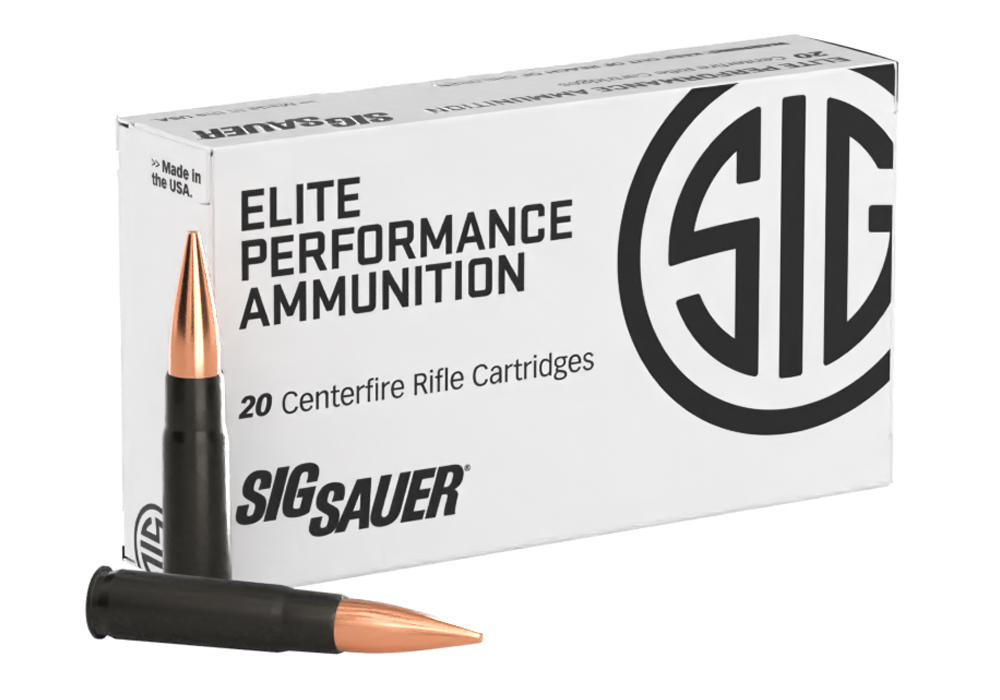
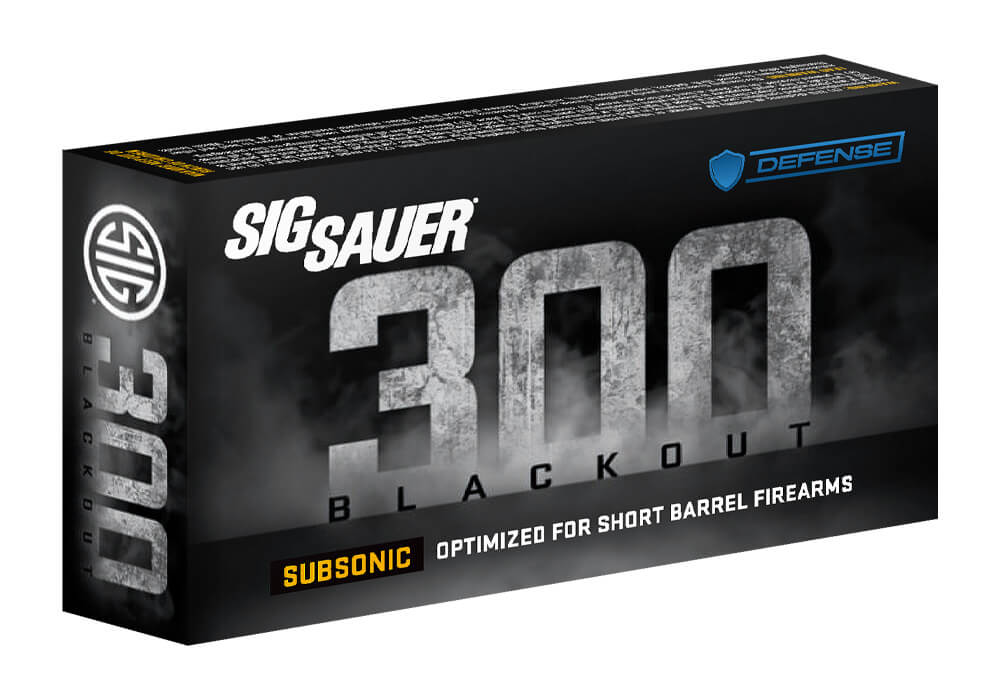
Expanding copper rifle bullets are designed for hunters and shooters who want a lead-free projectile with dependable expansion and strong weight retention. Unlike traditional bullets that combine a lead core with a copper or gilding-metal jacket, these projectiles are generally formed from a solid copper or copper-alloy construction, with an engineered nose cavity that opens on impact. As the nose expands, the front of the bullet can form sharp petals while the shank remains intact for deep penetration. That combination makes expanding copper rifle bullets a practical choice for hunting applications where controlled expansion, straight-line penetration, and reduced fragmentation are important considerations. Many copper designs retain roughly 90% to 100% of their original weight, although actual performance depends on bullet design, impact speed, distance, and the animal or material struck. The lighter density of copper also means a copper bullet of a given weight is longer than a lead-core bullet, which can affect seating depth, magazine fit, and rifling twist. For that reason, shoppers should begin with the cartridge and rifle manufacturer’s specifications, then compare the available bullet weight, overall cartridge length, and recommended twist rate. A lighter copper bullet is often selected to achieve a similar external and terminal performance profile to a heavier lead-core bullet, while the increased velocity can help the projectile reach its intended expansion range. This is not a universal rule, however, and the best choice depends on the individual rifle, load, and intended use. A properly matched option should feed smoothly, stabilize consistently, and produce reliable accuracy from the rifle’s own barrel rather than simply looking favorable on paper.
When choosing expanding copper rifle bullets, consider the complete hunting setup instead of focusing on bullet weight alone. Cartridge compatibility comes first: verify the caliber, cartridge designation, bullet diameter, and ammunition specifications before purchase, and follow all firearm and ammunition guidance provided by the rifle manufacturer. The expected distance is also important because copper bullets need sufficient impact velocity for the nose cavity to open as designed. Manufacturers commonly publish an expansion window or minimum impact velocity, and that information should be compared with the velocity a particular load is likely to retain at the distances where it will be used. At very close range, excessive impact speed may produce faster expansion, while at extended range, declining velocity can reduce or delay expansion. Polymer-tipped designs may encourage quicker nose initiation and improve aerodynamic efficiency, while open-tip or hollow-point designs can offer a different balance of expansion behavior and flight characteristics. A hunter pursuing medium-sized game may value a flatter trajectory and rapid, consistent opening, while someone selecting ammunition for larger-bodied game may place greater emphasis on retained weight and deep penetration. Copper bullets can also be useful in areas with restrictions on traditional lead ammunition, but regulations differ by jurisdiction, season, and game species, so local requirements should be reviewed before heading afield. For a broader selection organized around hunting use, explore Expanding Hunting Rifle Ammunitions and compare the specifications that best align with the rifle and cartridge already in hand.
Ammunition selection becomes more meaningful when it is followed by careful verification at the range. Before a hunt during the cooler months, allow enough time to test the chosen load from a supported position, confirm that it cycles reliably, and record the point of impact at the distances that matter for the intended terrain. A rifle that groups tightly with one bullet design may place another load several inches away, even when both carry the same caliber and nominal weight. Check the barrel’s twist rate, inspect the ammunition for damage, and keep cartridges protected from moisture, grit, and rough handling while traveling. It is also worth confirming how the bullet performs through the rifle’s optic and sight setup, since a flatter trajectory can change holdover expectations across open fields, timber edges, and rolling country. Expanding copper rifle bullets are commonly chosen by hunters who want a lead-free option with deep penetration and substantial retained weight, and they can be a thoughtful gift for a responsible rifle owner when the cartridge and local regulations are known. Ammunition is not a good choice for a surprise gift when the recipient’s caliber is uncertain; a gift card or a clearly identified box matched to the rifle is more practical. Whether preparing for a first hunting season or replacing a trusted load before a familiar autumn trip, the most useful purchase is one that fits the rifle, meets legal requirements, and has been tested enough to inspire confidence when the landscape turns quiet and the shot must be deliberate.