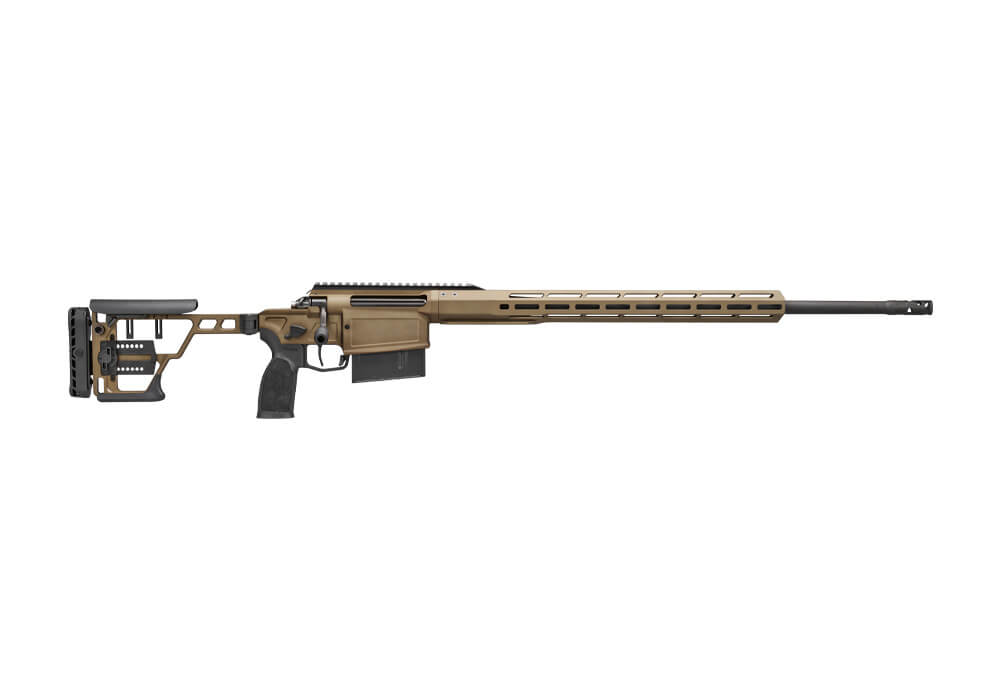
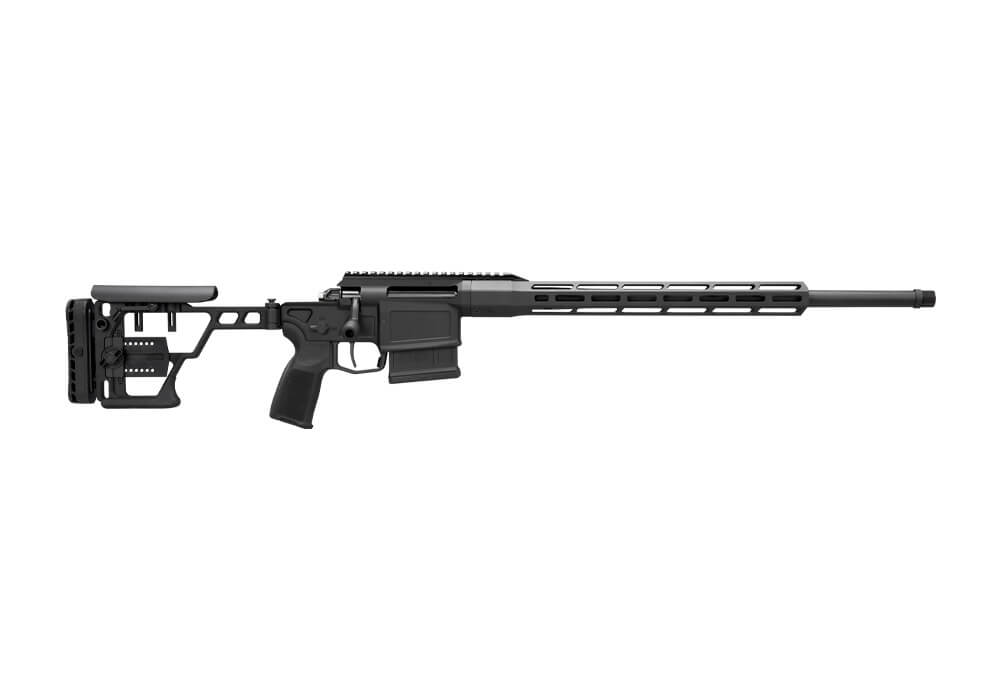
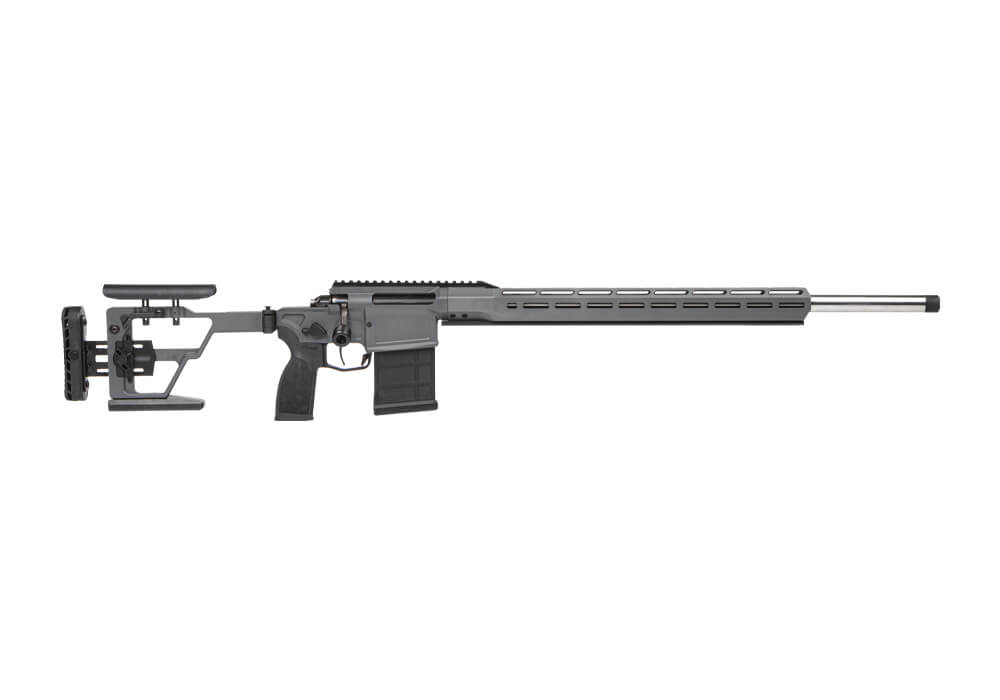
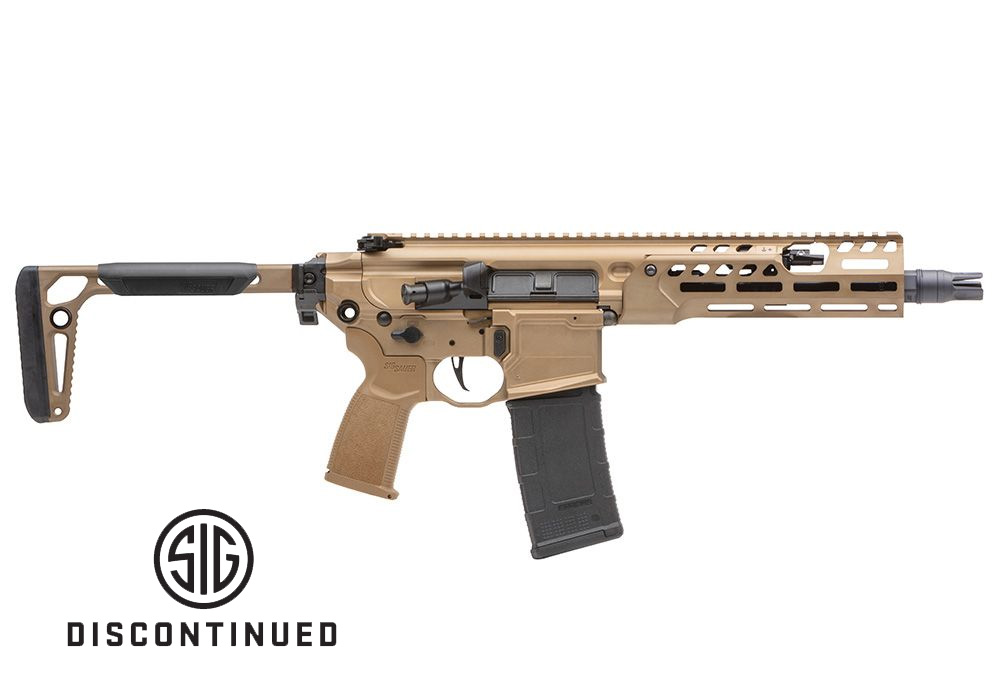
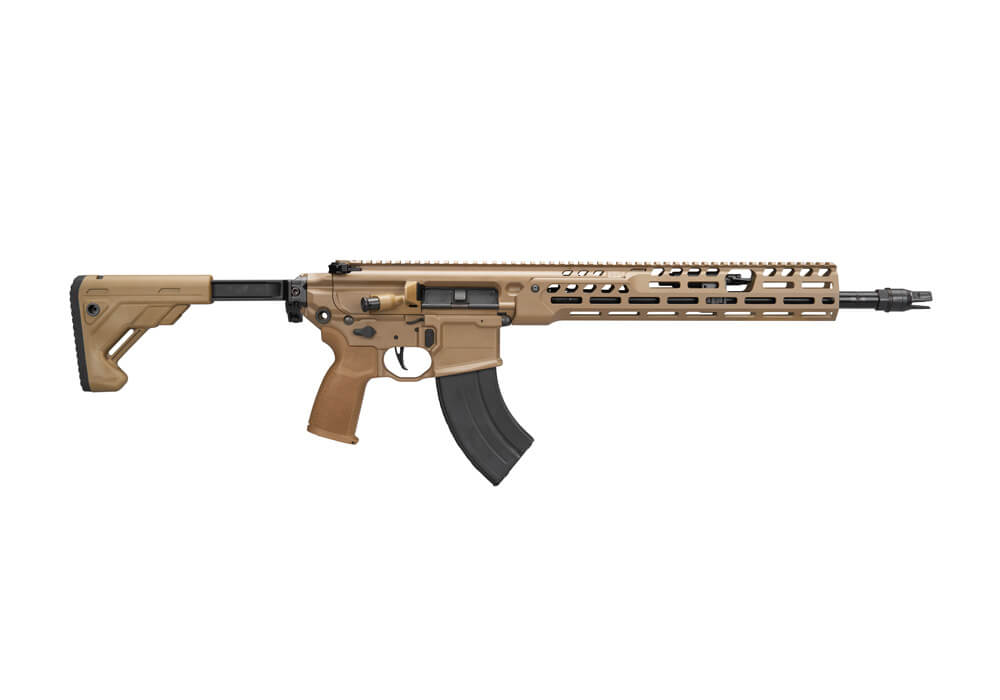
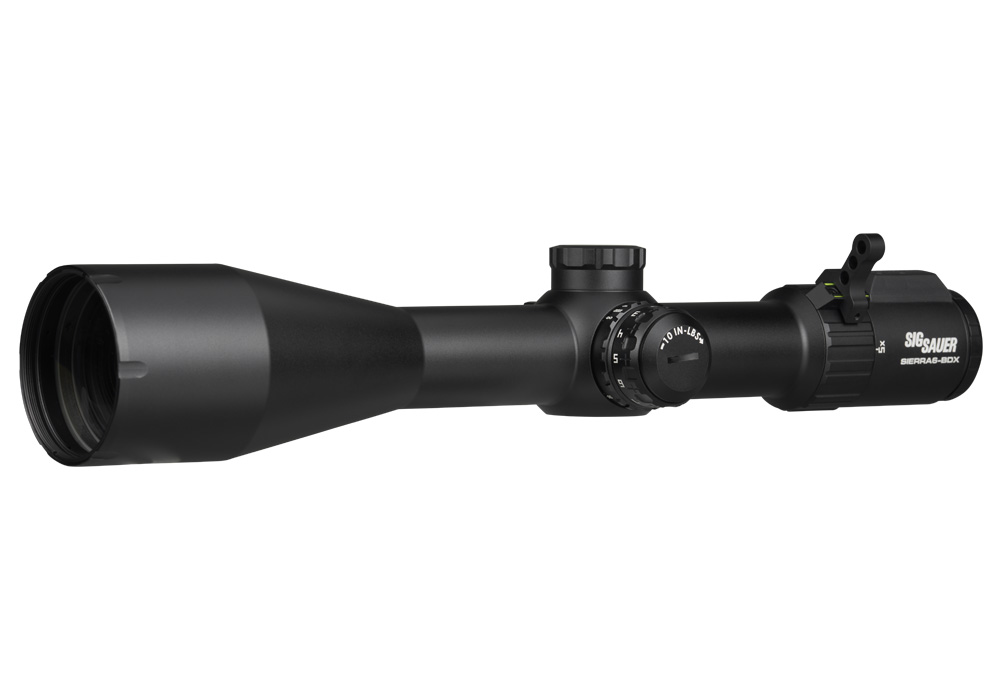
Rifles for bear hunting season bring together practical field handling, dependable construction, and suitability for the species and country being hunted. A black bear hunt in thick woodland can place different demands on a rifle than a lawful brown bear hunt across exposed hillsides or broad river valleys. In brushy terrain, manageable overall length and comfortable carry matter when moving between trees or settling into a stand. In open country, rifle weight, stability, and compatibility with an appropriate sighting system become important considerations over a long day on foot. Species alone does not settle the choice: black bears also inhabit open terrain, and larger bears can occupy dense cover. The strongest match accounts for the entire hunt, including local regulations, expected conditions, and the hunter’s familiarity with the firearm. Bolt-action and semiautomatic designs have different operating characteristics, while individual configurations vary in weight, balance, stock dimensions, and controls. No action type or cartridge designation by itself establishes suitability for every bear hunt. Manufacturer specifications, ammunition recommendations, and applicable wildlife rules provide a firmer basis for comparison than appearance or reputation alone. Experienced hunters may favor a familiar configuration that handles much like their other hunting rifles, while someone preparing for a first bear season may place greater value on straightforward operation and professional instruction before heading afield. A rifle intended for hunting also needs to suit the person carrying it, not simply the species named on a tag. Walking a steep access trail, sitting for an extended period, and returning through tangled vegetation each reveal different aspects of balance and comfort. These practical details distinguish a rifle that feels appealing at a counter from one that remains manageable throughout a hunt. Responsible selection leaves room for realistic limits, including the hunter’s ability to handle recoil, maintain consistent accuracy in lawful practice, and recognize when conditions do not support an ethical shot.
Materials and fit have a lasting influence on how a hunting rifle feels and holds up to field use. Depending on the configuration, stocks may use wood, reinforced polymers, or composite materials, each with its own character, weight, and care requirements. Wood offers traditional handling qualities and a distinctive appearance, but its finish deserves attention after exposure to moisture. Synthetic and composite stocks can offer practical resistance to changing field conditions, although construction quality and the manufacturer’s specifications matter more than a broad material label. Metal components may feature stainless alloys or protective surface treatments that help resist corrosion; neither eliminates the need for cleaning and inspection. Bear hunting seasons can involve rain, wet leaves, snow, or persistent dampness, depending on the region and legal season dates. A textured gripping surface and a stock shape that remains comfortable with gloves can be useful in those conditions. Length of pull, the distance between the trigger and the rear of the stock, affects how naturally the rifle fits against the shoulder. Cheek support and suitable eye relief matter when a sighting system is installed, particularly when heavier clothing changes the way the rifle sits. A stock that feels comfortable in a light shirt may feel crowded beneath an insulated jacket, so fit deserves consideration with typical hunting layers. Balance matters as much as the number on a scale: a lighter rifle can ease a long carry, while additional weight may feel steadier and soften perceived recoil. Neither characteristic guarantees better field performance for every hunter. Barrel length also influences overall handling and transport, but it should be evaluated as part of the complete configuration rather than as an isolated specification. Sling attachment points, a comfortable recoil pad, accessible controls, and compatibility with properly fitted sight mounts round out the details that support everyday usability. For hunters who travel between wooded slopes and open overlooks, that combination of fit and construction can be more meaningful than an especially light or rugged appearance.
A rifle’s intended use is closely tied to the ammunition it is designed to fire. The Ammunitions For Bear Hunting Season collection complements rifle selection by keeping attention on the cartridge, bullet construction, and hunting application rather than treating ammunition as an afterthought. Ammunition must match the firearm’s chambering and the manufacturer’s requirements, and hunting loads should be appropriate for the species and lawful in the area being hunted. Bullet designs differ in their expansion and penetration characteristics, so suitability cannot be judged from bullet weight or packaging language alone. Published manufacturer information and guidance from qualified hunting professionals help establish whether a particular load belongs in that application. Familiarity with the chosen rifle and hunting ammunition also matters; dependable performance includes consistent function and accuracy confirmed through lawful range practice. Beyond ammunition, long-term ownership calls for routine care that reflects how the rifle is actually used. Moisture carried home on a sling, grit around external controls, and condensation after a change in temperature all deserve attention before storage. Cleaning and lubrication should follow the firearm manufacturer’s instructions, with particular care not to leave excess oil where it can collect debris or affect function. Any obstruction, unusual wear, or change in operation warrants evaluation by a qualified professional before further use. A protective case helps during transport, but a damp firearm should not remain enclosed without appropriate drying and care. Secure storage, with the firearm unloaded and ammunition secured separately, supports responsible ownership between hunting trips. These considerations matter to the experienced hunter replacing a well-used rifle, the newcomer preparing for a lawful first season, and anyone assembling equipment for a demanding trip. A well-matched bear hunting rifle is not defined by a single feature. Its value lies in the way appropriate chambering, comfortable fit, durable materials, reliable function, and consistent care work together across repeated days in the field.