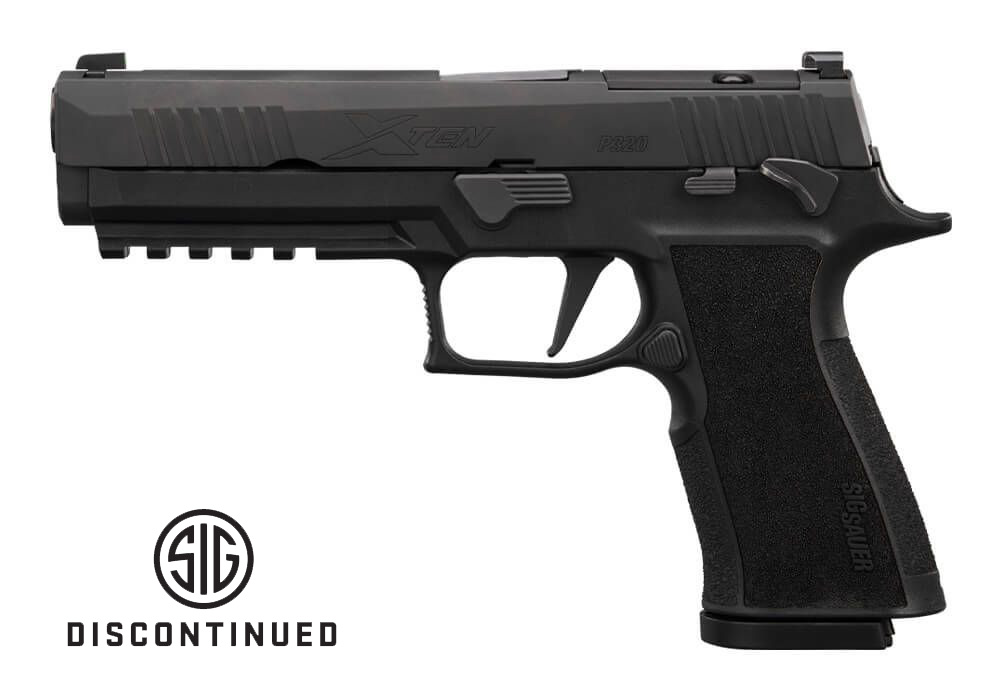
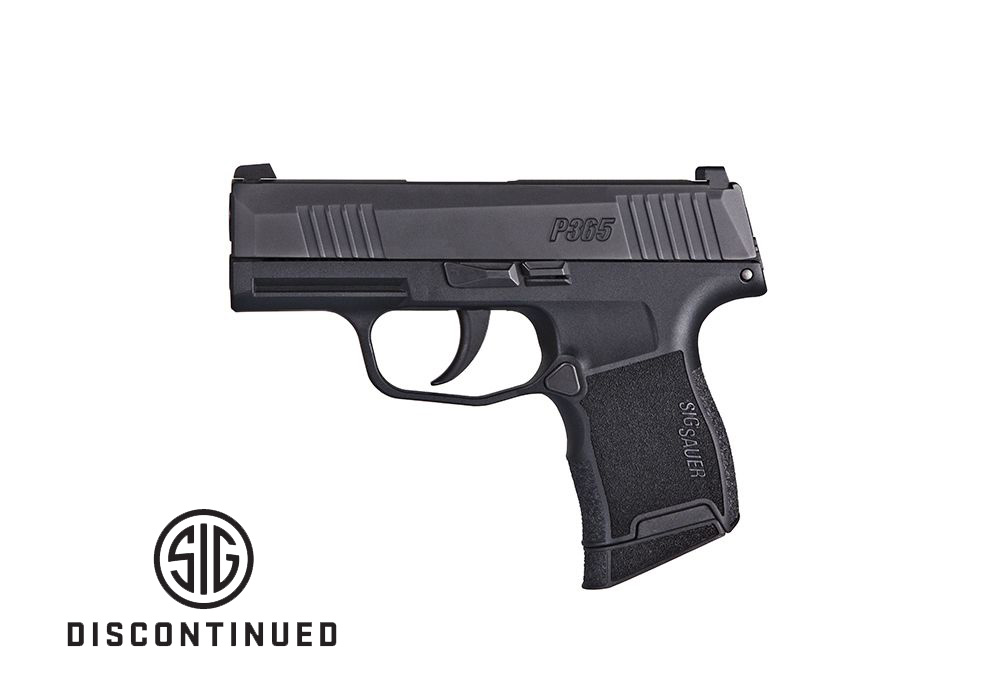
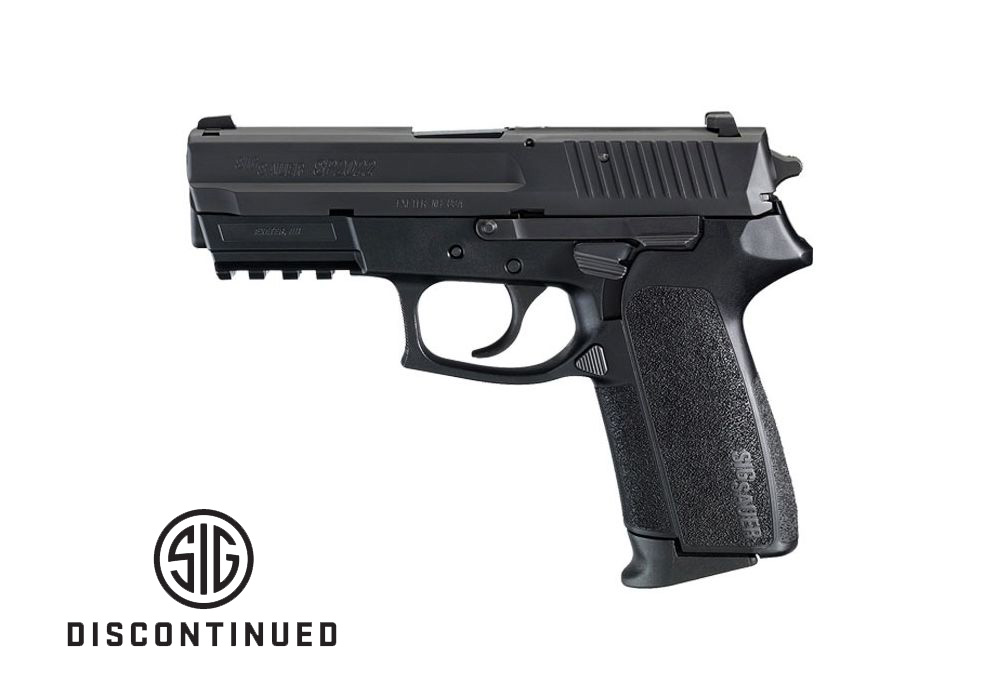
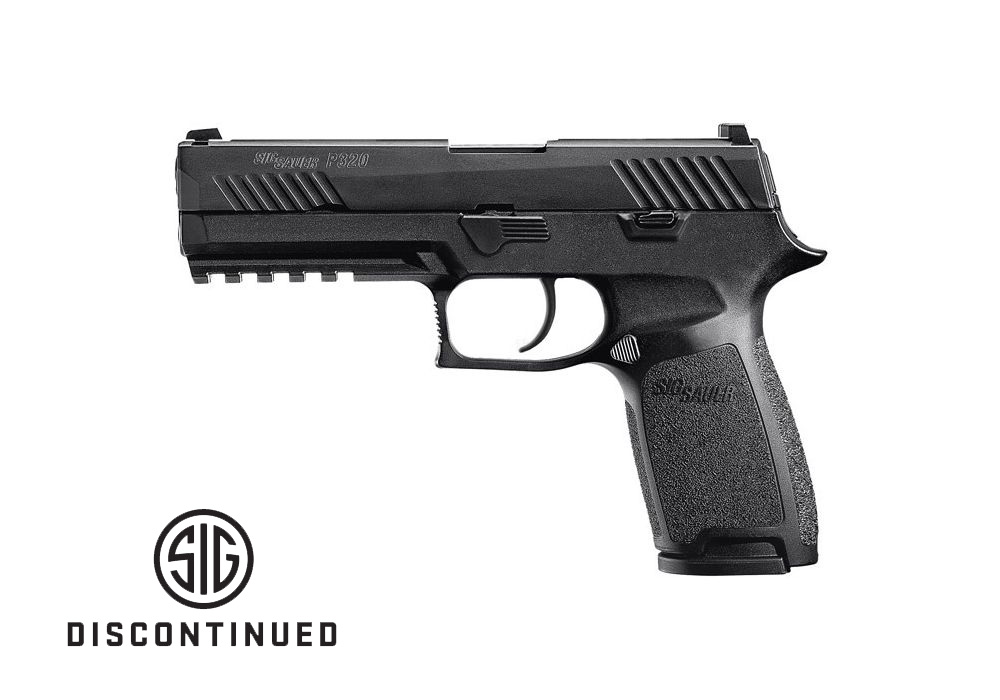
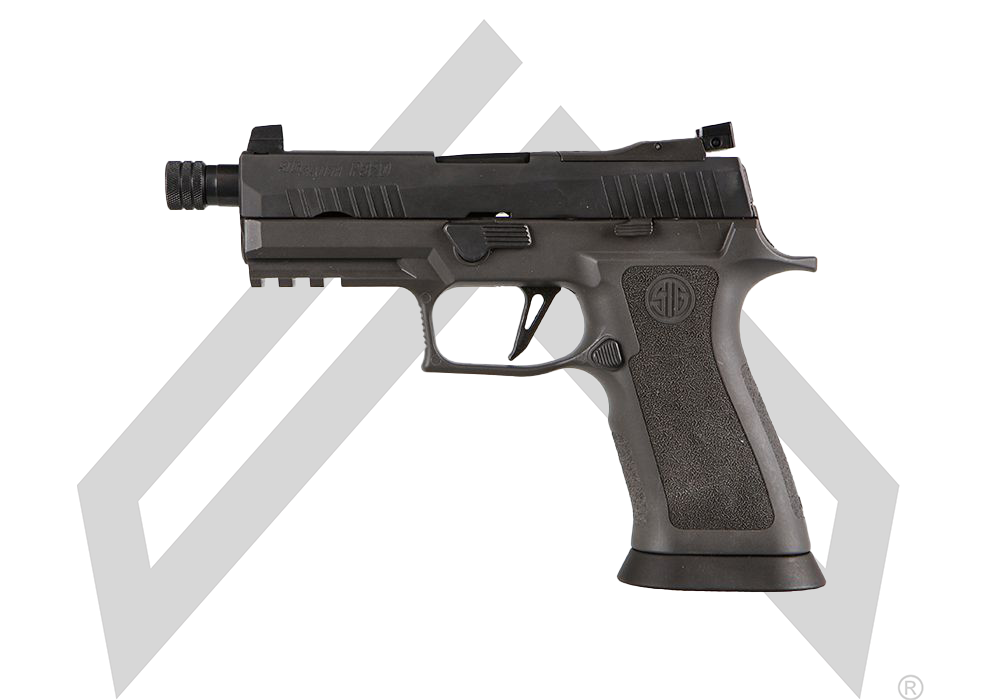
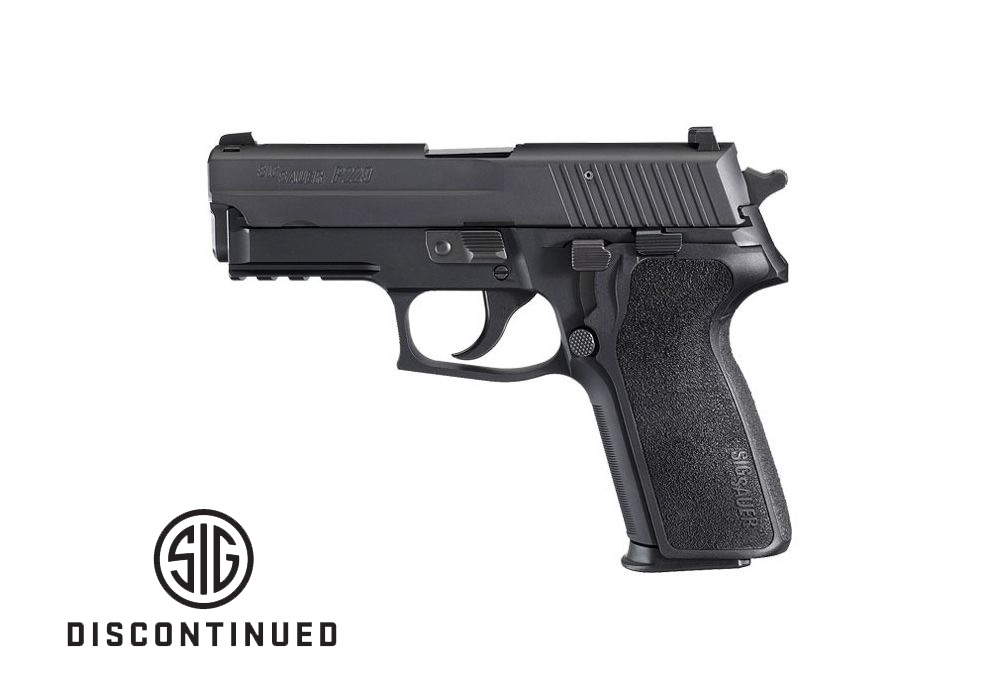
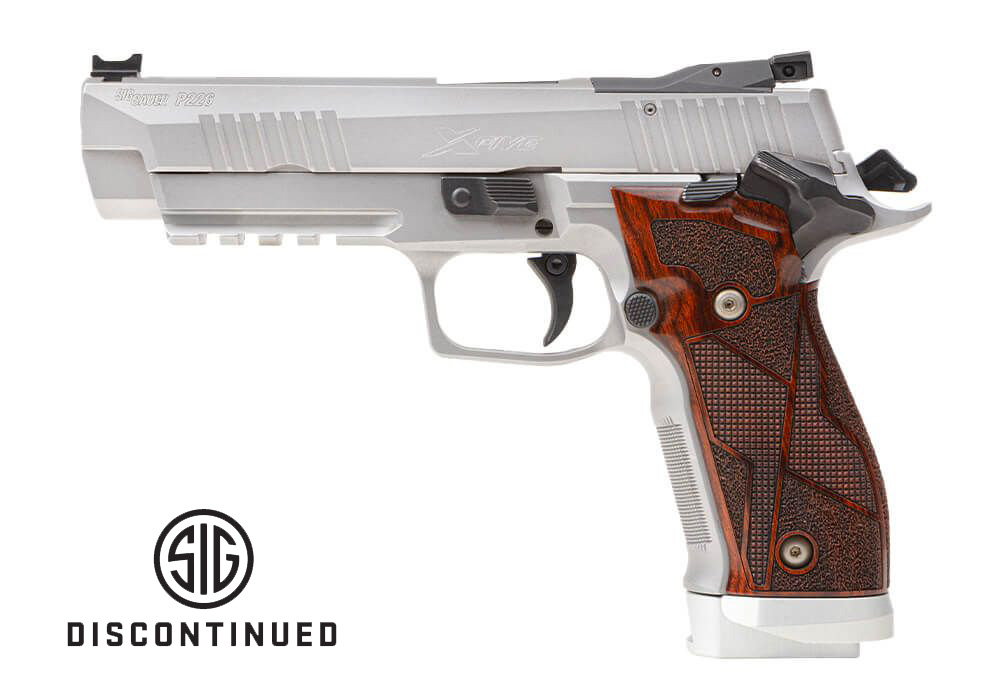
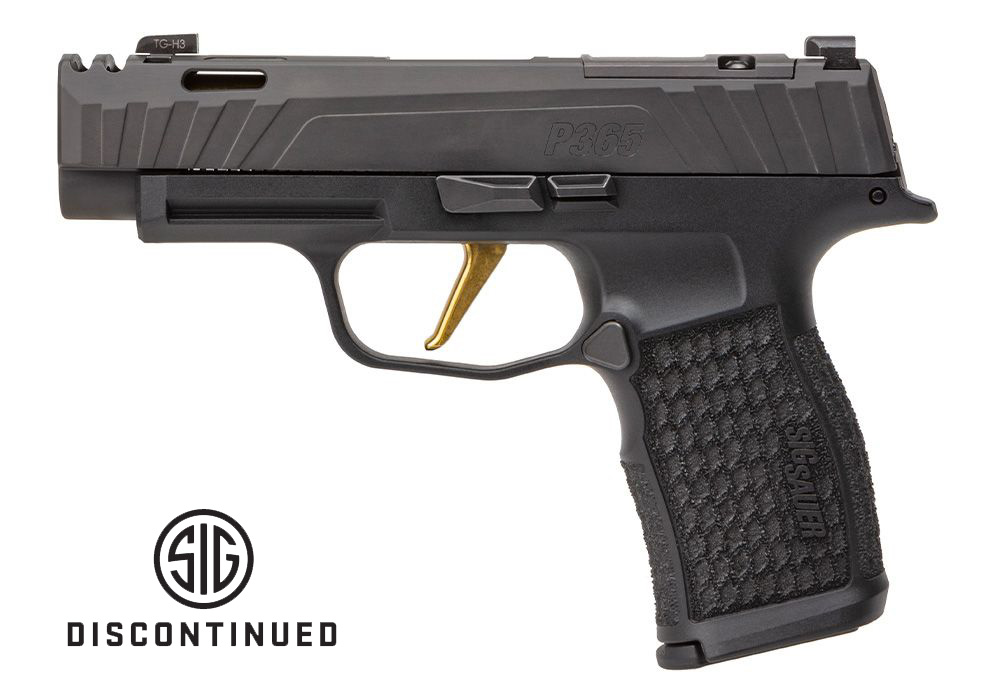
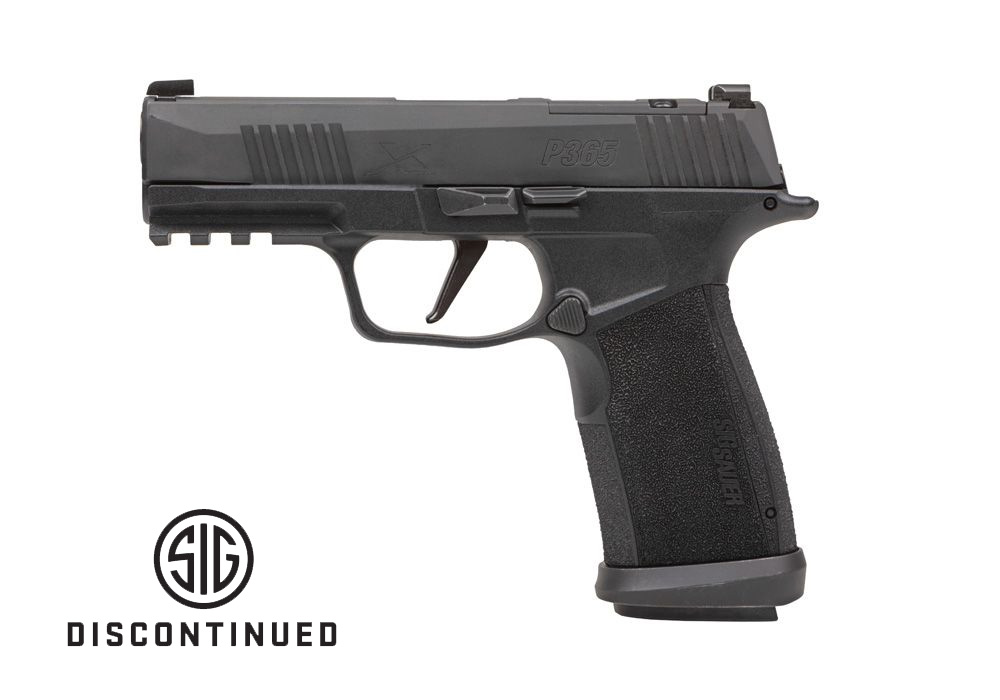
Pistols for bear hunting season are field handguns evaluated for lawful hunting or backcountry carry, with emphasis on dependable operation, cartridge suitability, manageable recoil, and secure holster fit. Common handgun categories considered for these uses include 10mm Auto semi-automatic pistols and larger-bore revolvers chambered in cartridges such as .44 Magnum, but suitability depends on the firearm, ammunition, applicable regulations, and the hunter’s proficiency. A handgun intended as the primary hunting firearm has a different role from a sidearm carried alongside a rifle. The former calls for careful consideration of practical accuracy, sighting equipment, and legal requirements for taking game; the latter places additional emphasis on comfortable carry and compatibility with other field equipment. Neither role is served well by selecting solely on cartridge reputation or the largest dimensions. A substantial handgun may feel steady at the range yet become burdensome over miles of uneven ground, while a lighter frame can make recoil more demanding. Barrel length also influences overall handling, holster dimensions, sight radius with iron sights, and ballistic performance with a given load. Those relationships matter more than any single specification considered in isolation. Semi-automatic designs bring their own controls, magazine configurations, and ammunition compatibility requirements, while revolvers have distinct handling and maintenance considerations. Familiarity with the chosen operating system is an important part of responsible ownership. Black bear hunting and travel through grizzly or other brown bear habitat also involve different legal and practical considerations; no cartridge designation establishes universal suitability for every species or situation. Bear hunting seasons, permitted methods, minimum cartridge requirements, and rules governing sidearms vary by jurisdiction. Regulations and wildlife-agency guidance provide the necessary context for evaluating a field handgun. For hunters traveling between jurisdictions or into managed public lands, that context can change even when the equipment does not. The most useful comparison is therefore between a handgun’s intended role, the conditions of the hunt, and the shooter’s demonstrated ability to handle it safely—not between exaggerated claims of power.
Materials and fit become especially noticeable when a pistol shares space with a pack belt, insulated clothing, binocular harness, and the rest of a hunting kit. Steel, aluminum alloy, and reinforced polymer frames offer different combinations of weight, balance, and feel, while surface treatments help protect exposed metal from moisture and routine wear. Stainless steel still benefits from regular care, and a protective finish does not eliminate the need to inspect a firearm after wet or muddy field use. During bear hunting seasons that overlap rain, snow, or freezing conditions, moisture around controls, sights, and holster hardware deserves attention. A handgun carried under a jacket may encounter condensation as it moves between outdoor conditions and a heated vehicle or cabin. Grip texture should offer a secure purchase without becoming needlessly abrasive against clothing or skin. Grip circumference, trigger reach, and control placement are equally important: a powerful chambering offers little practical value if the handgun is uncomfortable to hold or difficult to operate safely. Gloves can change that fit considerably, so compatibility with the clothing normally worn in the field belongs in the selection process. Recoil comfort is not simply a preference; it affects how consistently a shooter practices and how confidently the firearm can be handled. Sights should remain easy to distinguish against dark timber and uneven backgrounds, with a configuration suited to the handgun’s intended use. Where an optic is appropriate, mounting security, weather resistance, battery management, and holster clearance all become relevant. A chest-style or belt-mounted holster can interact differently with shoulder straps and waist belts, and neither arrangement suits every body shape or pack. Proper fit means secure retention, full trigger protection, and comfortable positioning without interference from other equipment. Picture a long walk along a rain-darkened trail with a loaded pack: hardware that presses against a hip or catches a strap can become a persistent distraction. Durable stitching, sound fasteners, and a holster designed for the firearm’s exact dimensions help keep the carry system stable through ordinary movement.
Ammunition is another essential part of evaluating pistols for bear hunting season, because chambering alone does not describe a load’s performance or establish its suitability for a particular firearm. Hunting ammunition can differ substantially from ammunition intended for routine practice, and bullet construction should be assessed for the intended game and lawful use rather than selected by appearance alone. Some handgun hunting loads emphasize penetration, while others use controlled expansion; neither description replaces manufacturer guidance or a realistic understanding of the cartridge’s limits. Bullet weight, recoil, point of impact, and reliable function all deserve consideration within the firearm’s published specifications. Related cartridge choices can be explored through Ammunitions For Bear Hunting Season, with attention to compatibility and intended application rather than broad promises about performance. Consistent practice with the chosen handgun supports familiarity with its controls and helps reveal whether its size, weight, and recoil are appropriate for the owner. Instruction from a qualified professional can be valuable for both newer handgun owners and experienced hunters adapting to unfamiliar equipment. Field readiness also includes routine care: inspection and maintenance should take place with the firearm unloaded and according to the manufacturer’s instructions. Appropriate cleaning products, specified lubrication, and attention to moisture help preserve reliable operation without treating every finish or component the same way. Holsters and other carry equipment need inspection as well, particularly after exposure to grit, prolonged dampness, or repeated contact with pack hardware. Secure storage remains important at home, in transit, and at camp, with access restricted to authorized adults and all applicable laws observed. For backcountry protection, a handgun is not a substitute for wildlife awareness, responsible food storage, appropriate separation from bears, or bear spray where wildlife authorities recommend it. Those precautions serve a different purpose from lawful hunting equipment and remain relevant whether a sidearm is carried or not. A well-considered field pistol fits into that broader approach: durable enough for its intended environment, comfortable enough for regular practice, and compatible with the hunter’s equipment, experience, and responsibilities.