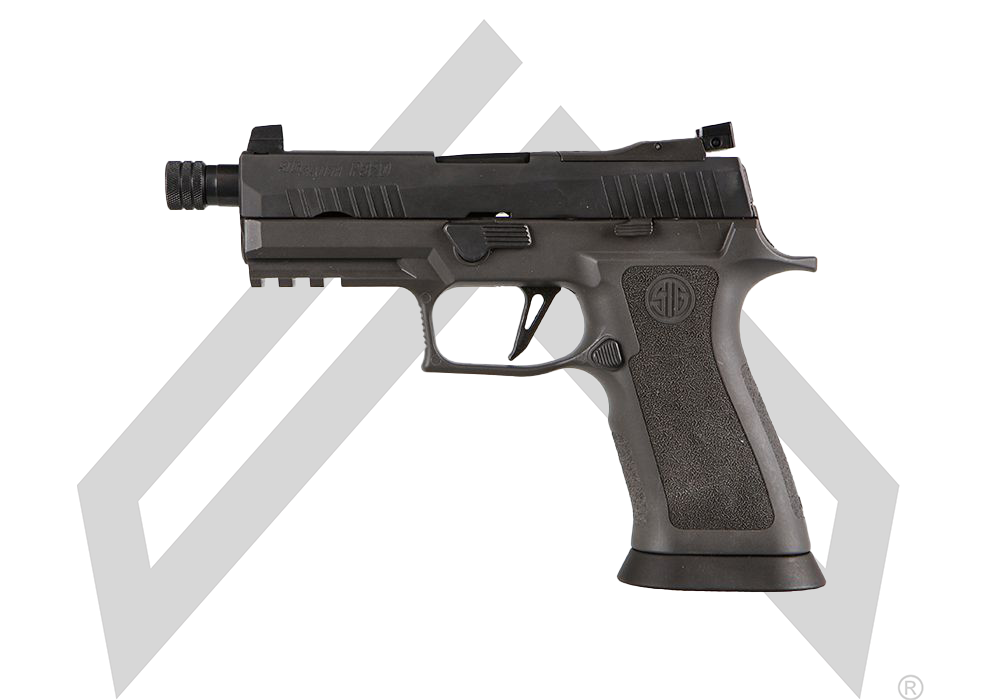
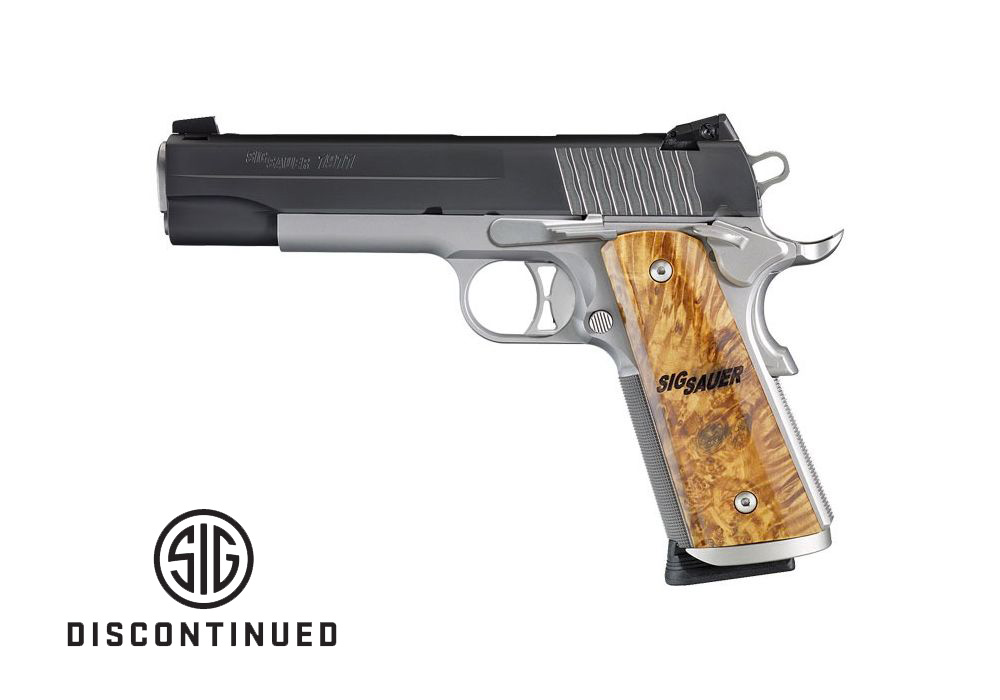
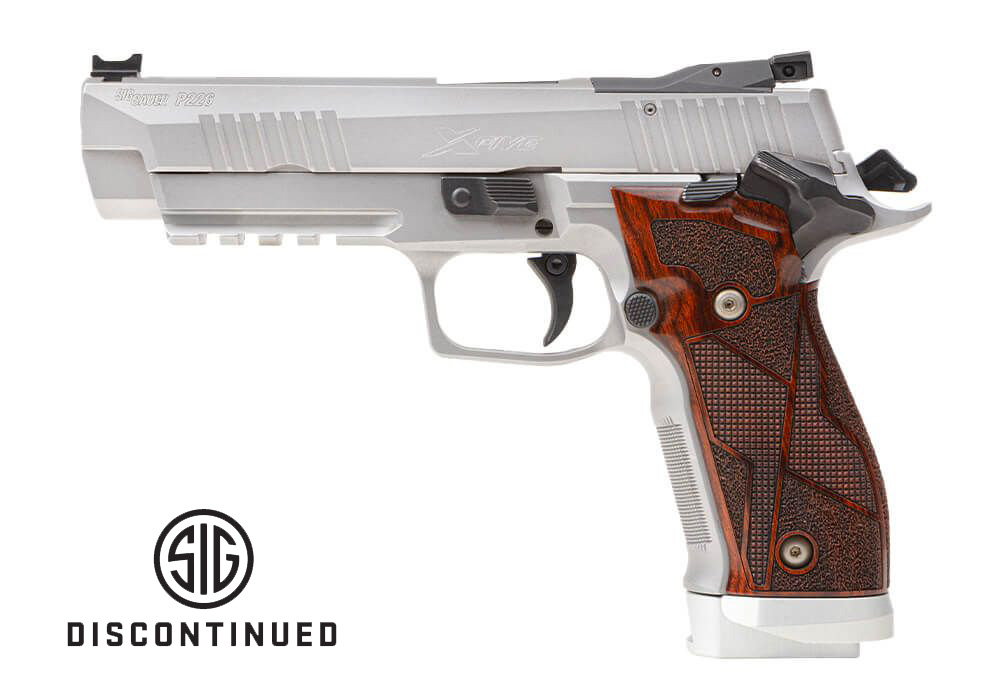
Pistols for shooting enthusiasts span recreational target shooting, organized competition, and regular range practice, with different sizes and configurations suited to different preferences. A well-matched pistol brings together comfortable handling, clearly visible sights, manageable recoil, and controls that suit the owner’s hands. Full-size pistols often appeal to people who spend extended sessions at the range, while compact designs offer a different balance of dimensions and weight. Neither category is automatically the better choice: the relationship between the shooter, the firearm, and its intended use matters more than a single specification. Someone who enjoys deliberate paper-target practice may value a steady feel and an uncluttered sight picture, while a participant in organized shooting sports may need features permitted by a particular competition’s rules. For a newer enthusiast, straightforward controls and access to qualified instruction can matter more than specialized equipment. Experienced shooters may have more established preferences for grip shape, operating system, or sight configuration. Across those differences, fit remains a practical starting point. Grip circumference, texture, and trigger reach influence how naturally a pistol sits in the hand, especially for people whose fingers or palms do not fit a generic size description. A grip that feels comfortable for a brief inspection may feel different over a full practice session, making a supervised rental experience valuable before a purchase decision. Left-handed shooters and those with limited hand strength may also appreciate controls that are accessible without an awkward change in grip. Any hands-on assessment should take place under appropriate supervision with the firearm verified unloaded and handled according to range or retailer rules. The result is a more personal understanding of comfort and usability than measurements alone can provide. Pistols chosen with these considerations in mind are better aligned with the activities their owners actually enjoy, whether that means an occasional visit with friends, structured lessons, or a long-standing commitment to target shooting.
Materials and construction shape the character of a pistol as much as its dimensions. Polymer frames generally keep overall weight lower, while aluminum-alloy and steel frames offer different balances of weight, rigidity, and feel. A heavier pistol may feel steadier to some shooters, though that same weight can become noticeable during a longer session. A lighter design may be easier to transport in a secure case, but its handling characteristics still need to suit the individual. There is no universal material preference that replaces a comfortable fit or a realistic understanding of intended use. Grip texture deserves similar attention: a pronounced surface can feel secure, while a less assertive texture may be more comfortable against sensitive hands. Surface finishes help protect metal components from everyday handling and exposure to moisture, but no finish eliminates the need for proper care. Durability also depends on sound construction, maintenance, and adherence to the manufacturer’s service recommendations rather than appearance alone. Sights are another meaningful distinction among pistols for target shooting. Their visibility, contrast, and dimensions affect how clearly an individual can see the aiming reference against a target, particularly when eyesight or indoor lighting makes a subtle sight picture difficult to distinguish. Some configurations accommodate optical sights, but compatibility must be confirmed for the exact firearm and mounting arrangement rather than assumed from a broad description. Competition rules may also restrict particular configurations, making those requirements relevant before choosing equipment for a specific discipline. Controls, magazine fit, and the feel of the operating system contribute to the overall ownership experience as well. Enthusiasts often notice these details most during ordinary range routines: unpacking at the bench, completing a supervised equipment check, or preparing the pistol for secure transport afterward. Clear documentation and access to qualified service support that experience over time. For a broader view of equipment suited to recreational practice, Firearms for Shooting Range Enthusiasts provides a related category beyond pistols alone. Within any firearm category, dependable function, suitable ergonomics, and compatibility with the intended activity remain more useful considerations than appearance by itself.
Long-term satisfaction with a pistol includes the responsibilities surrounding every range visit and every period between uses. Regular inspection and cleaning according to the manufacturer’s instructions help owners identify unusual wear, preserve protective finishes, and keep the firearm in its intended working condition. Cleaning supplies should be appropriate for the firearm’s materials and finish, with ammunition kept separate from the cleaning area. Questions about damaged components, unusual operation, or maintenance beyond the owner’s experience belong with a qualified professional. A padded transport case can help protect exterior surfaces from contact with other equipment, while secure storage at home serves a different and more important purpose: preventing access by unauthorized people. Firearms should be stored unloaded and locked, with ammunition secured separately, in accordance with applicable laws and the household’s circumstances. Eye protection, hearing protection, and a range with clear safety procedures are equally important parts of recreational shooting. These essentials support a more comfortable, orderly experience without changing the fact that responsible handling is always the owner’s obligation. For enthusiasts returning after time away, a refresher session with a qualified instructor can help reestablish familiarity with range procedures and reinforce safe habits. For those pursuing organized competition, a clear understanding of event rules can keep equipment choices grounded in the requirements of the sport. Even experienced owners benefit from reading the documentation for an unfamiliar pistol rather than assuming that its controls and maintenance procedures match another design. When a firearm is being considered as a gift, the recipient’s preferences, lawful eligibility, and all applicable transfer requirements deserve attention before any commitment. Fit is personal enough that a recipient’s direct involvement often matters more than a surprise. Thoughtful ownership connects the appeal of the pistol itself with the practical details around it: a comfortable grip, suitable equipment, careful upkeep, secure storage, and a place to practice responsibly. Those details give recreational and competitive enthusiasts a sound basis for choosing a pistol that suits their interests over years of use.