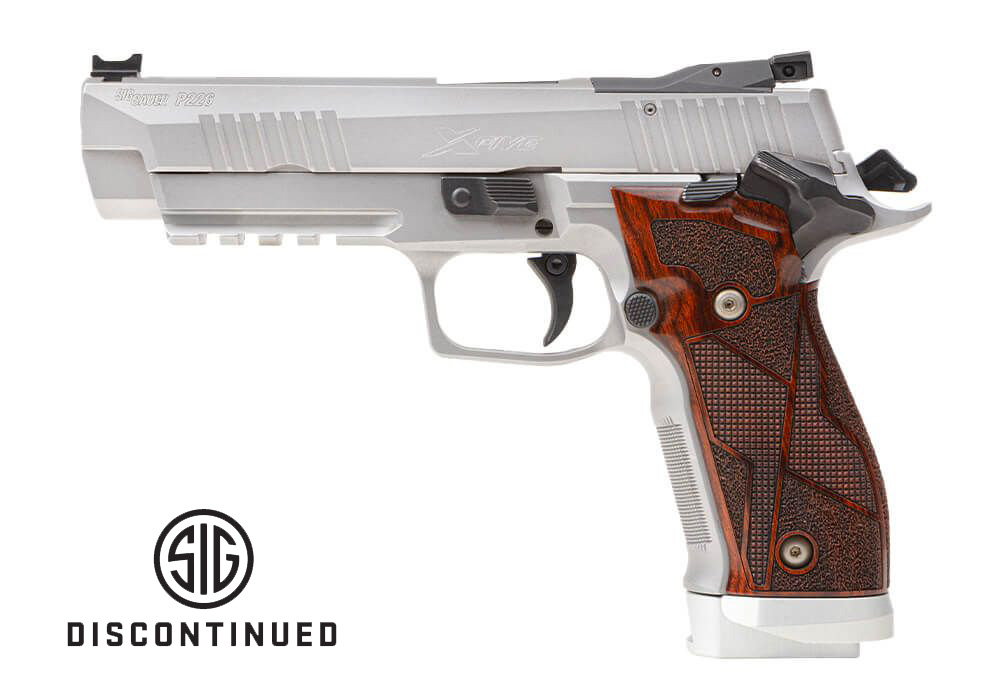
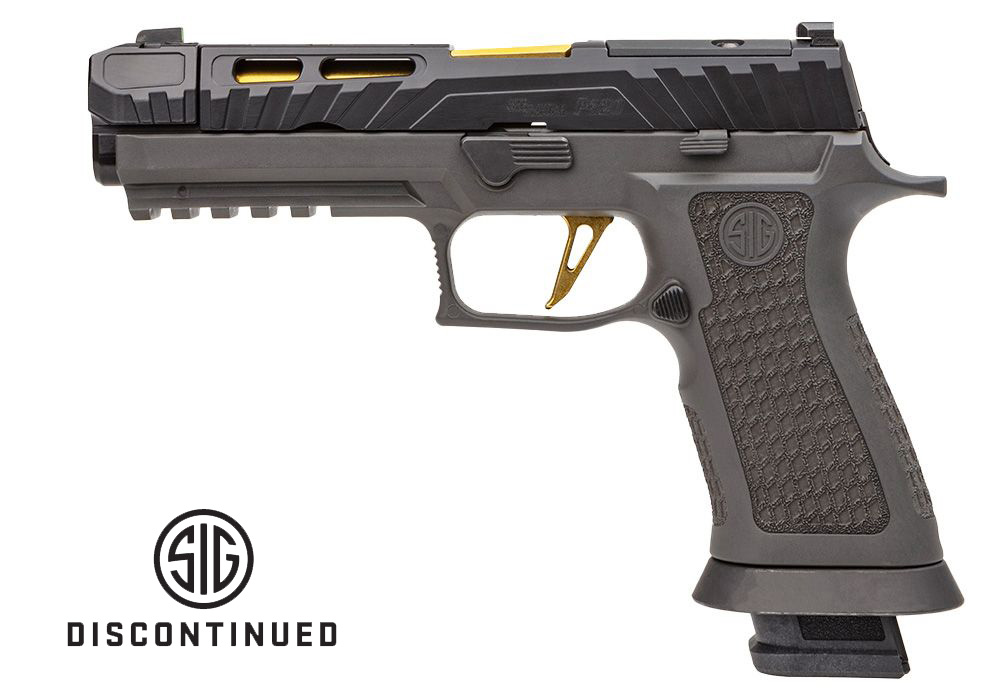
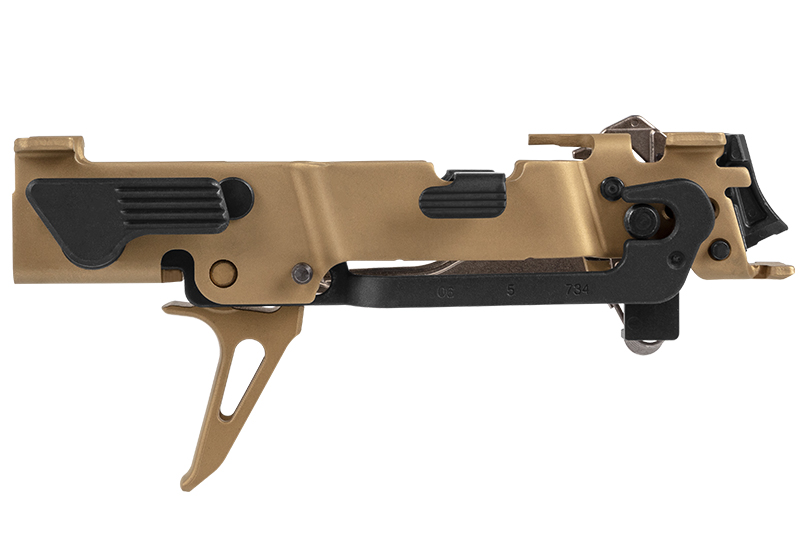
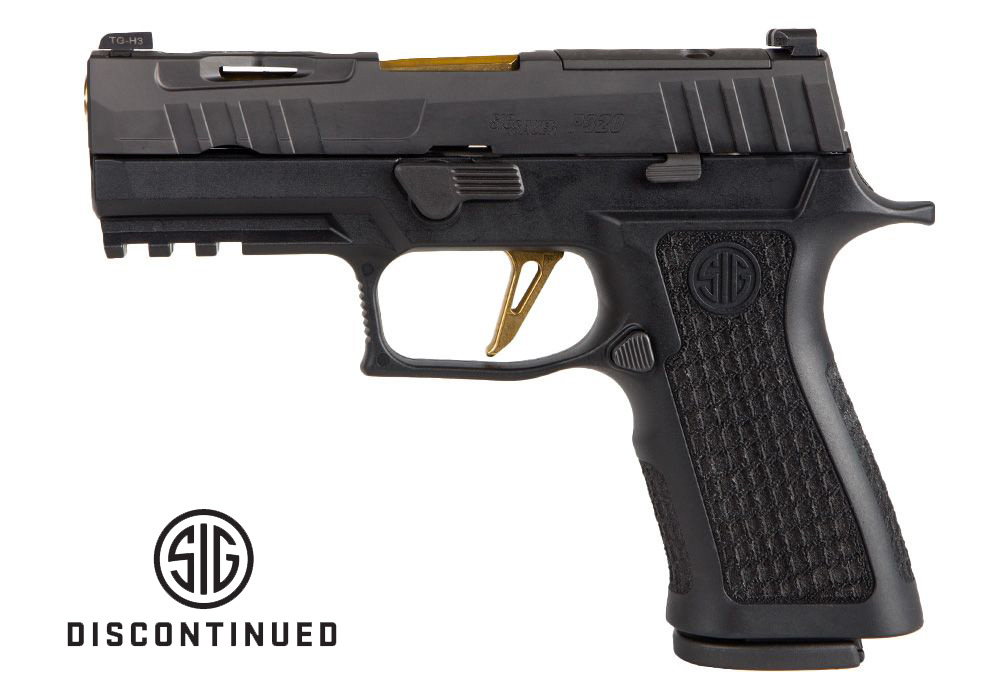
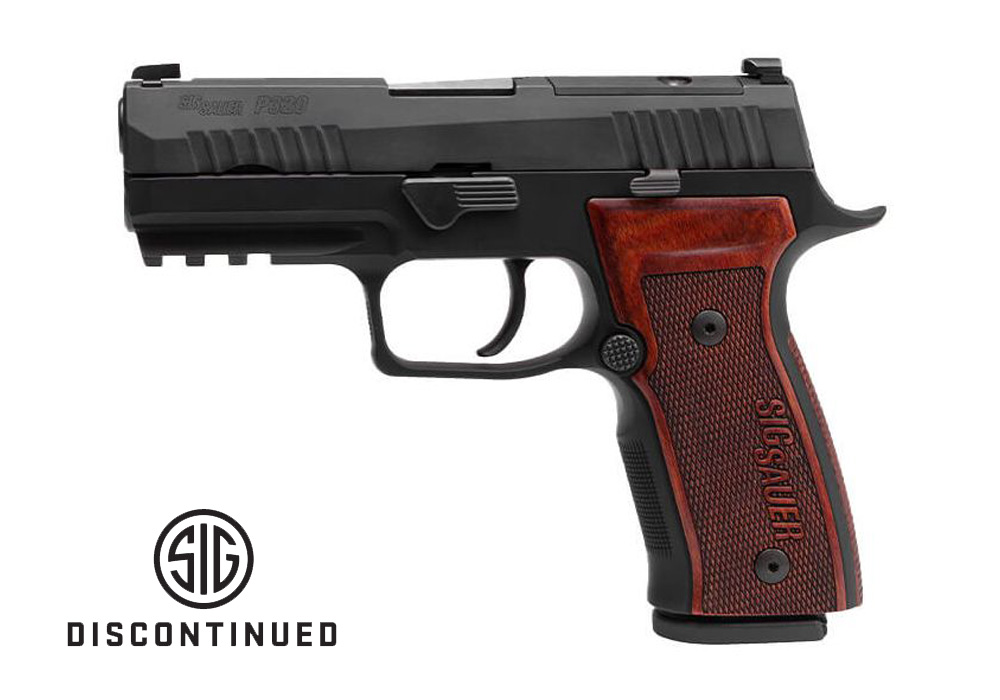
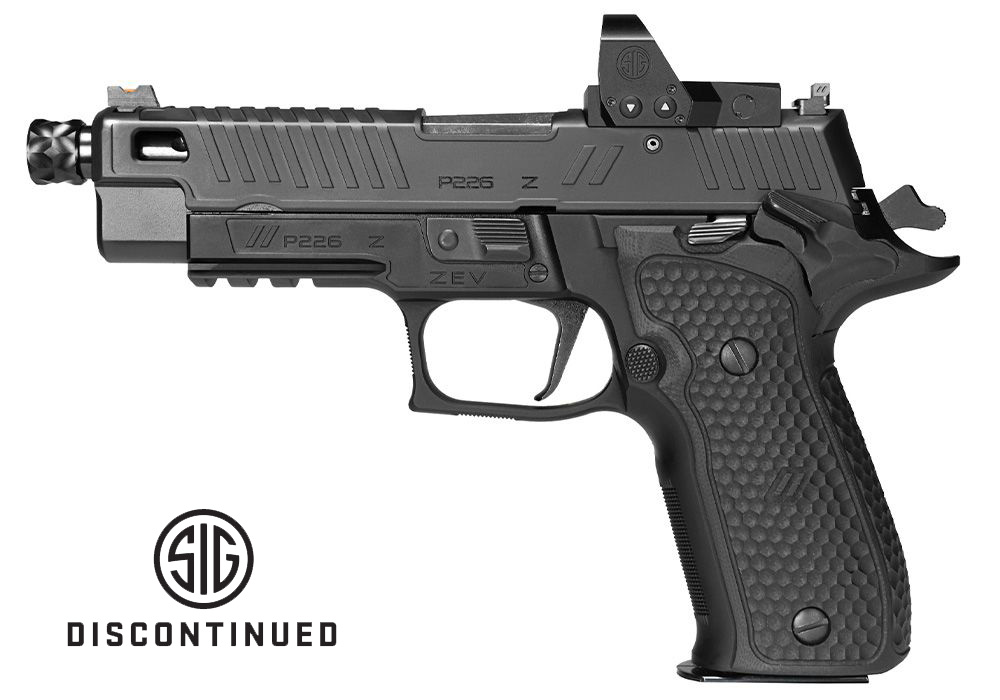
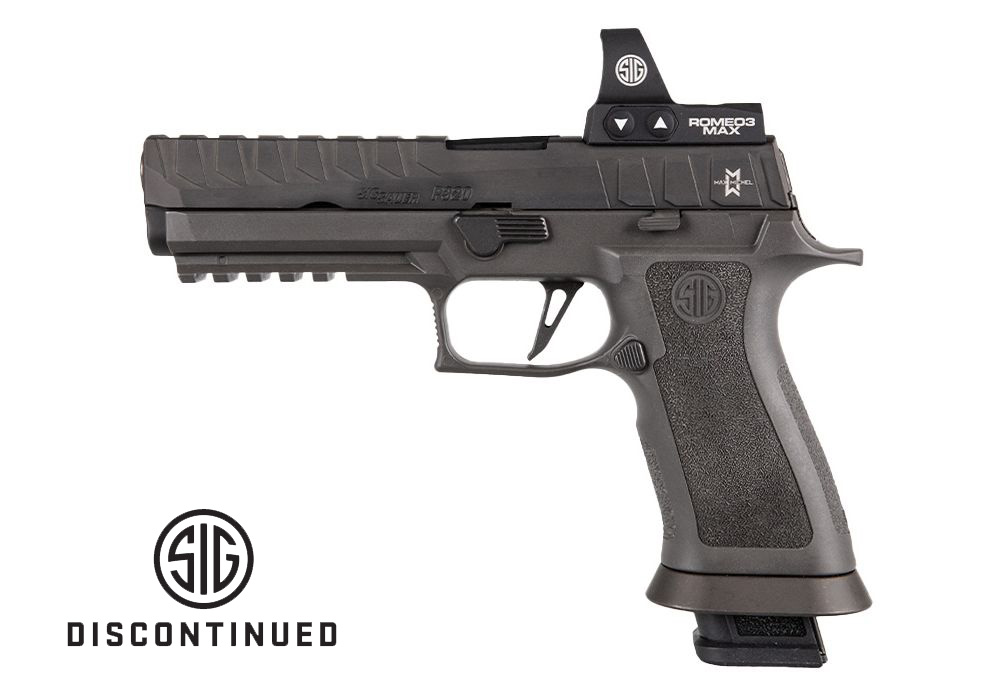
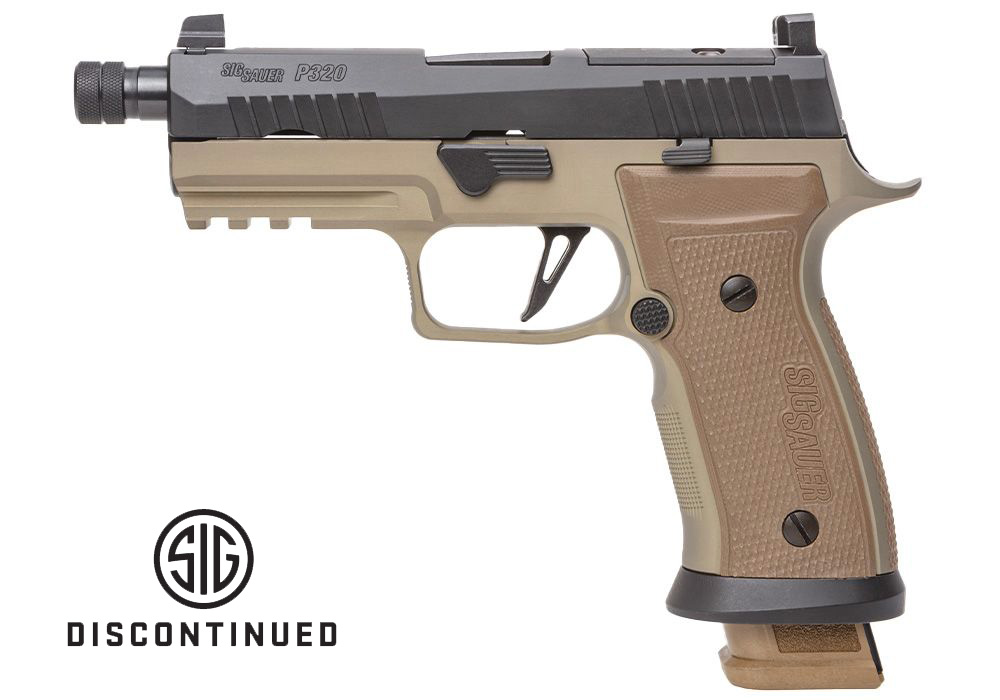
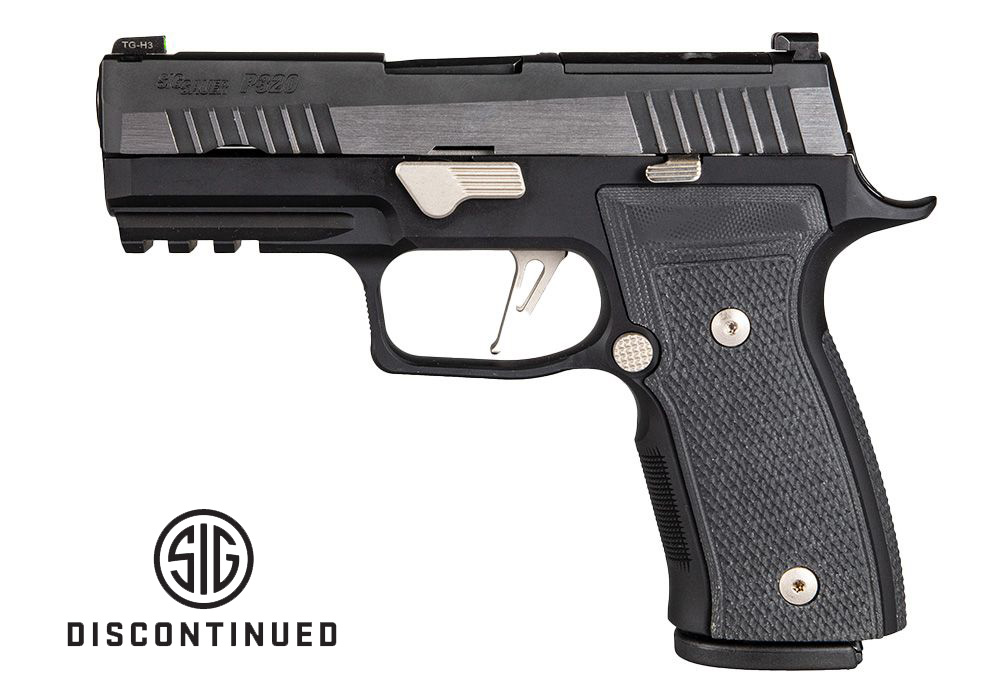
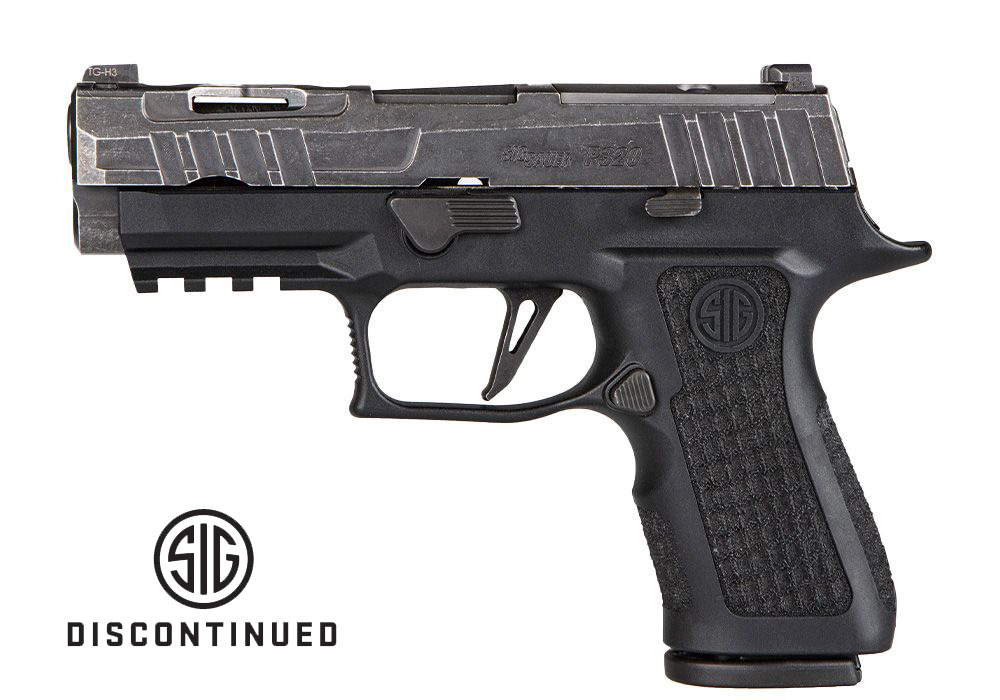
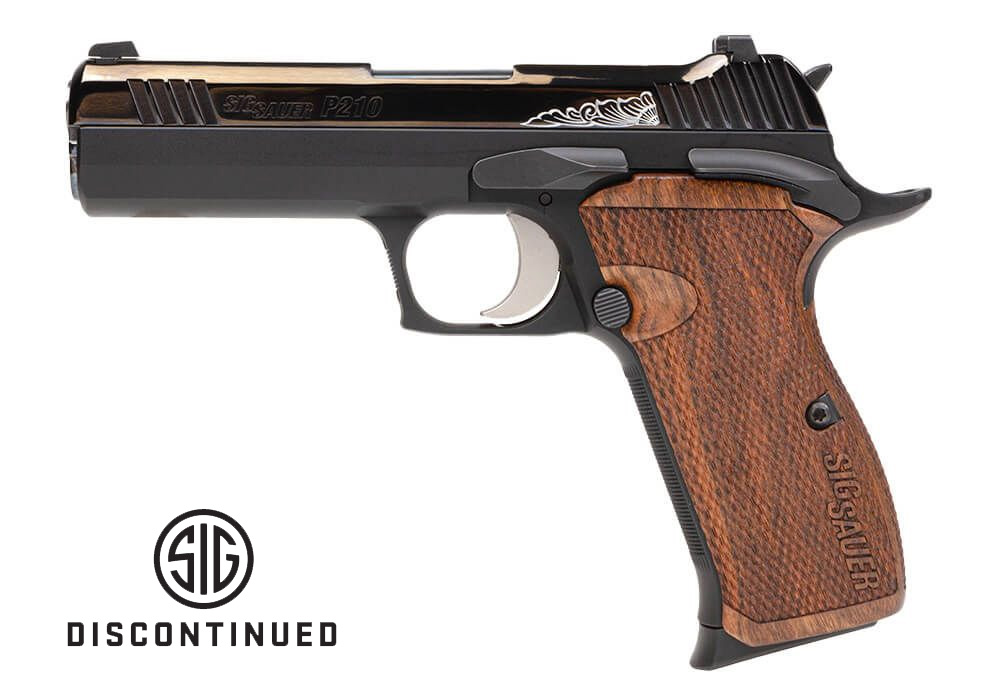
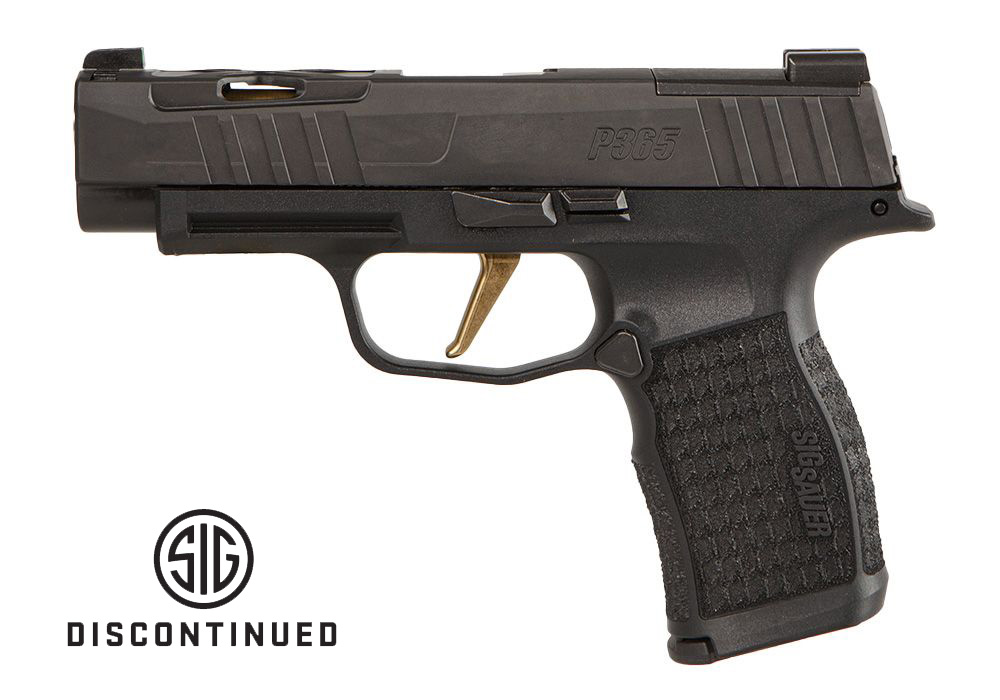
Custom pistols for shooting enthusiasts bring together individual fit, distinctive styling, and features suited to a particular shooting discipline. The category can encompass factory-configured handguns with selected finishes and ergonomic options, as well as firearms that receive individual attention from qualified craftspeople. “Custom” does not describe a single construction method or guarantee a particular level of accuracy; its meaning depends on the specifications and work associated with each firearm. For a recreational target shooter, the appeal may be a comfortable grip, a clear sight picture, and a balanced feel during an afternoon at the range. A competitive shooter may place greater emphasis on consistency, compatibility with event rules, and controls that are comfortable to operate. Collectors often appreciate coherent design, carefully finished surfaces, and documentation that explains a pistol’s distinctive characteristics. These priorities can overlap, but the most satisfying choice usually starts with a clear intended use rather than a long feature list. A visually striking finish has a different role from grip geometry, and neither substitutes for dependable function or sound shooting fundamentals. Custom handguns are best evaluated as complete firearms, with attention to how their dimensions, materials, sights, and controls complement one another. A pistol that feels substantial and steady during deliberate target practice may be less comfortable for a shooter who prefers a lighter firearm over a longer session. Similarly, pronounced grip texture may feel reassuring in the hand yet prove distracting after repeated handling. For enthusiasts whose main interest is deliberate range practice, Custom Target Shooting Pistols offer a more focused category to explore. Across the broader category, thoughtful selection is about finding a firearm whose character and practical qualities suit its owner, whether that means a regular companion for supervised range sessions, a competition-oriented handgun, or a carefully documented addition to an established collection. The distinction is personal, but the underlying considerations remain concrete: comfortable handling, appropriate specifications, maintainable construction, and an honest understanding of what customization contributes.
Materials and fit account for much of the difference a shooter notices before the first range session. Steel, aluminum alloys, and reinforced polymers appear across handgun construction, each contributing a different combination of weight, surface feel, and maintenance needs. An all-steel pistol generally has more heft than a comparably sized polymer-frame design, while an aluminum-alloy frame can offer a different balance between substantial feel and overall weight. Material alone does not establish quality or durability; design, manufacturing consistency, protective finishes, and proper care also matter. Surface treatments can help resist wear and corrosion, but no finish eliminates the need for routine inspection and appropriate storage. Decorative details deserve the same practical scrutiny as other features: sharply defined edges, textured panels, and contrasting surfaces should support comfortable handling rather than distract from it. Grip circumference, front-to-back dimensions, and the relationship between the grip and controls influence how naturally a pistol sits in the hand. During a supervised fit assessment with an unloaded firearm, a shooter should be able to maintain a secure hold without an awkward stretch to reach essential controls. Hand size is only part of that assessment; finger length, mobility, and personal comfort also affect fit. Sight visibility deserves equal attention. A sharply defined sight picture that looks clear under one range’s lighting may appear less distinct against another target background, and individual vision can influence preferences. Where an optical sight is contemplated, manufacturer-confirmed compatibility matters more than a general description suggesting readiness for accessories. Holster fit, case dimensions, and the suitability of associated equipment also warrant verification against the firearm’s exact configuration. For organized competition, the relevant rules should inform the selection from the outset, since dimensions, weight, sights, and other features may affect eligibility. None of these considerations requires chasing the most elaborate specification. Often, the better choice is the pistol whose proportions and features feel coherent, with fewer compromises between the owner’s preferred shooting activity and the practical demands of using and maintaining it.
Long-term satisfaction with a custom pistol depends as much on ownership habits as on its initial appearance. Regular target shooters benefit from a firearm with clear maintenance documentation, accessible service support, and a configuration that can be accurately recorded for future reference. Manufacturer instructions should govern cleaning, lubrication, inspection, and any recommended service intervals. Cleaning products must be suitable for the firearm’s metals, polymers, coatings, and grip materials; a product appropriate for one surface may be unsuitable for another. Excess lubricant, neglected residue, and abrasive treatment can create avoidable maintenance problems, while careful routine care helps preserve both function and appearance. Before cleaning or inspecting a firearm, follow its specified unloading procedure and keep ammunition separate from the work area. Questions about unusual wear, damaged components, or changes in operation belong with the manufacturer or a qualified gunsmith rather than improvised adjustments. Custom features should never be treated as a reason to disregard prescribed handling practices or assume that unfamiliar components operate like those on another handgun. For collectors, retaining original documentation and service records helps establish exactly what the firearm is and how it has been maintained. For frequent range users, those same records can support consistent care over years of ownership. Secure storage is equally important: a locked storage solution that prevents unauthorized access should be part of the ownership plan, with ammunition secured appropriately and applicable requirements observed. A custom pistol may also be considered as a significant gift for an experienced, legally eligible enthusiast, but personal fit and recipient preferences make it a highly individual choice. Any transfer must comply with applicable laws, and arrangements should be confirmed through a licensed retailer where required. Whether selected for personal use or a lawful gift, the strongest appeal of a custom handgun is not ornament alone. It is the combination of considered design, satisfying handling, durable materials, and details that continue to feel worthwhile after the novelty fades. A well-chosen pistol can hold a meaningful place in an enthusiast’s shooting routine or collection without relying on exaggerated claims about performance or craftsmanship.