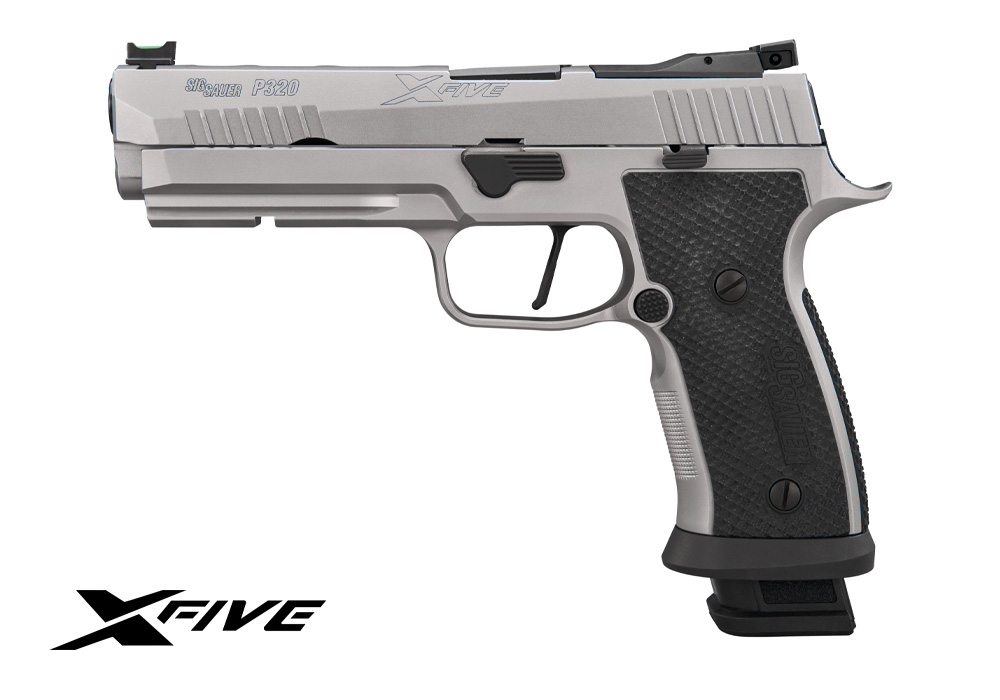
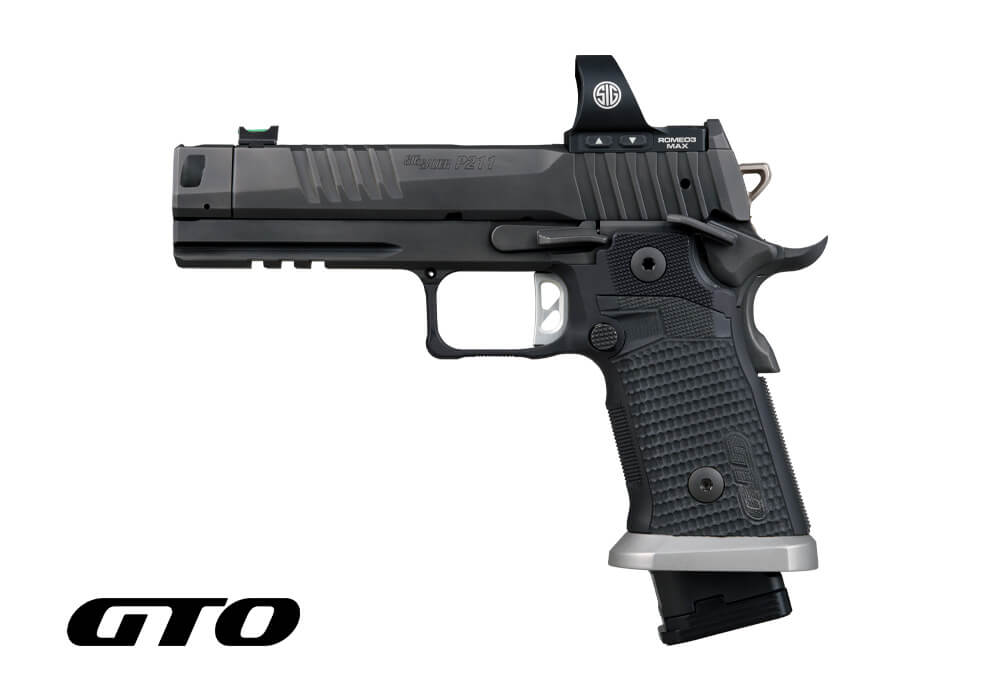
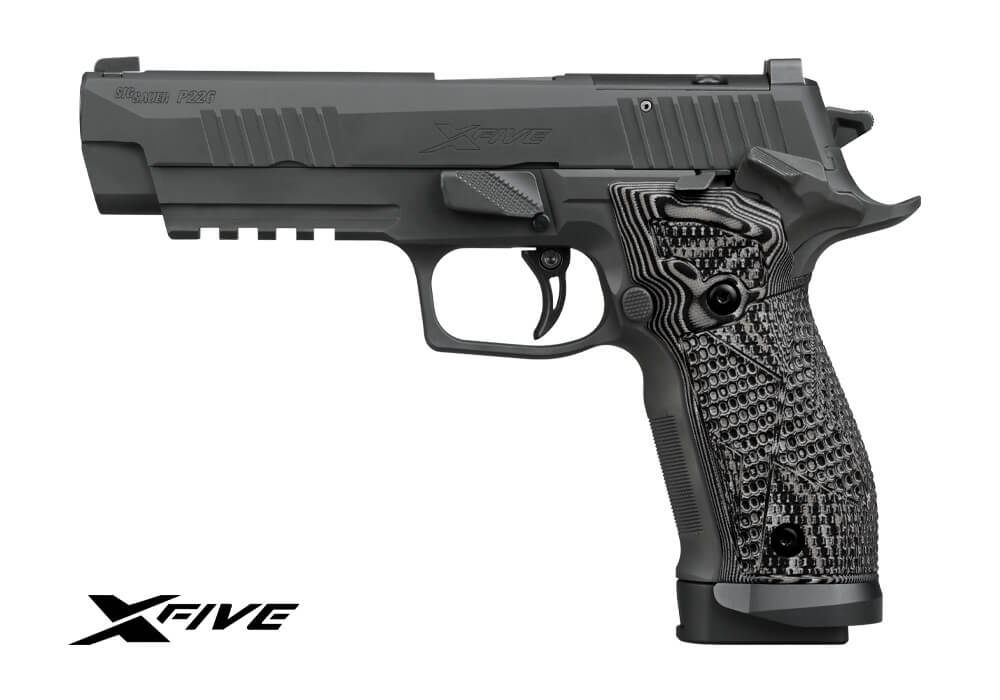
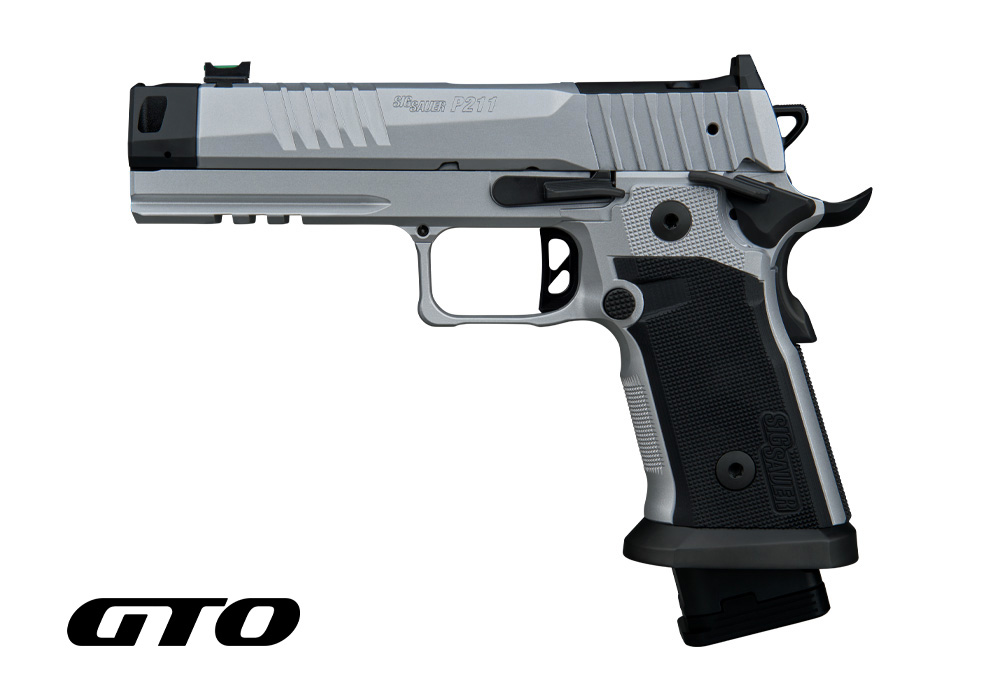
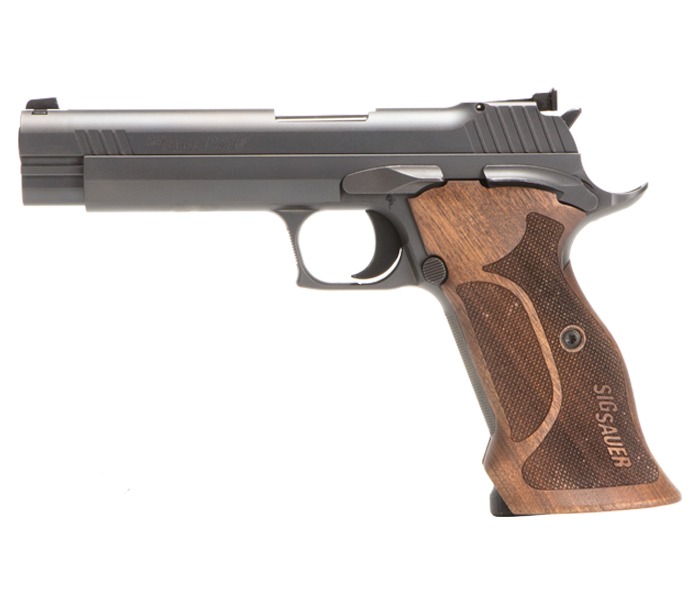
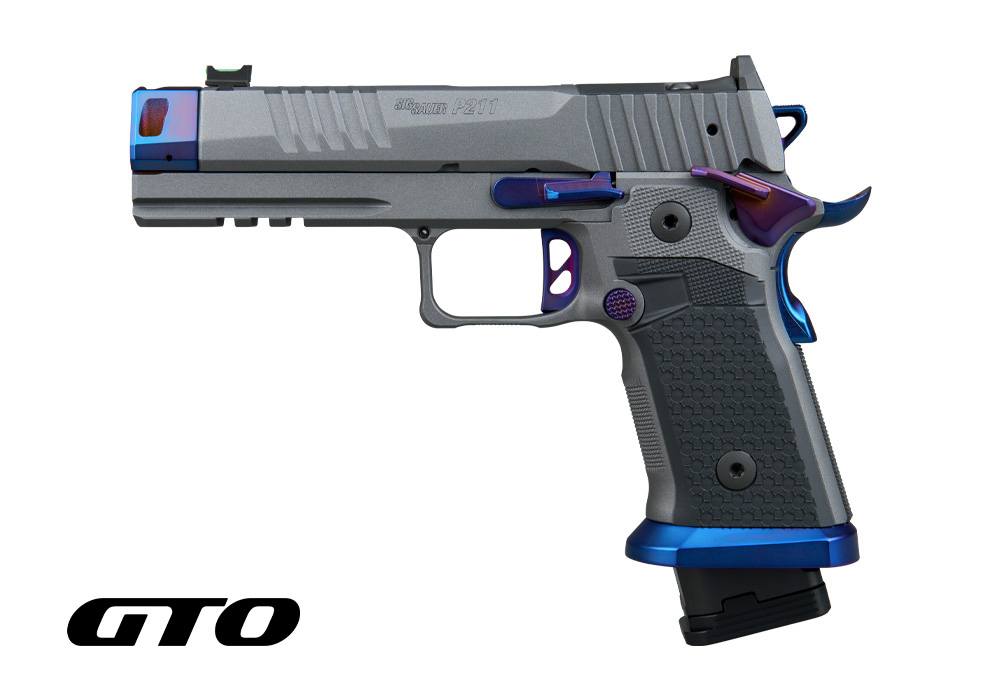
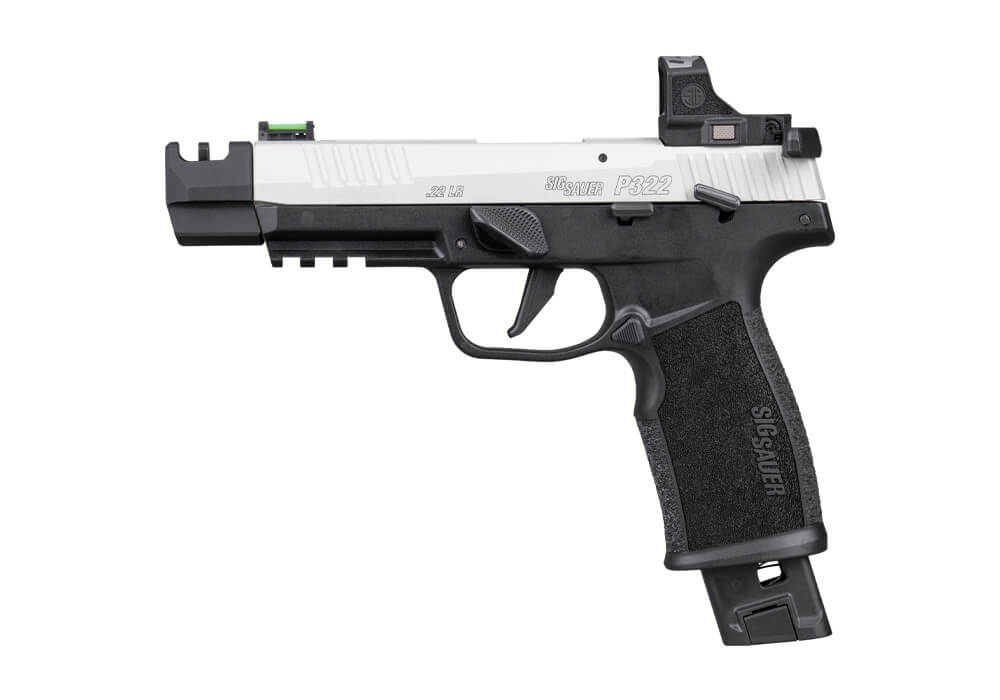
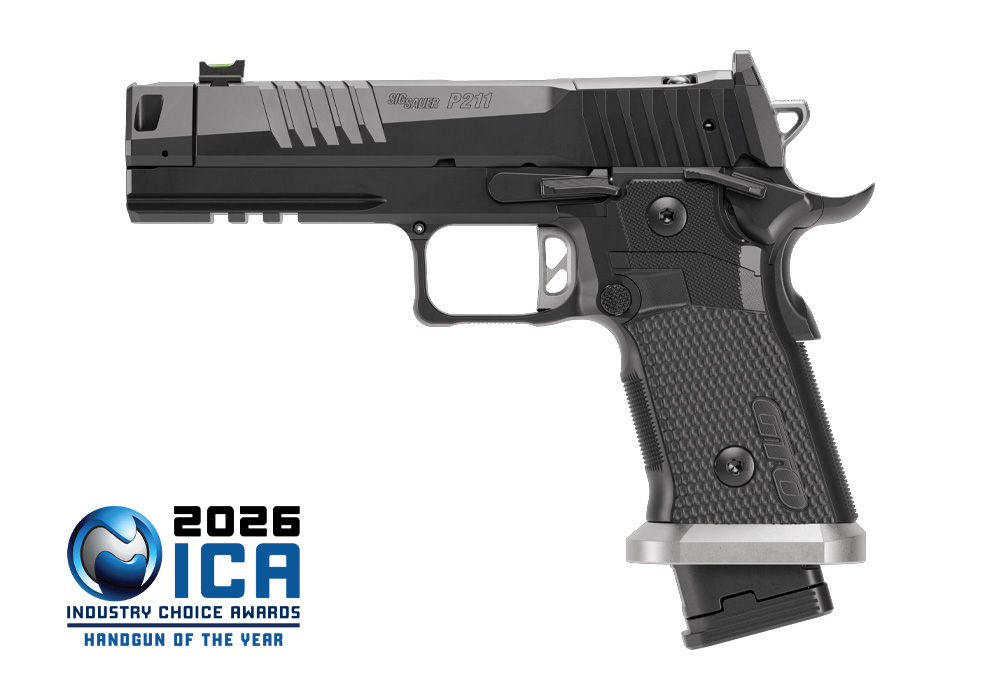
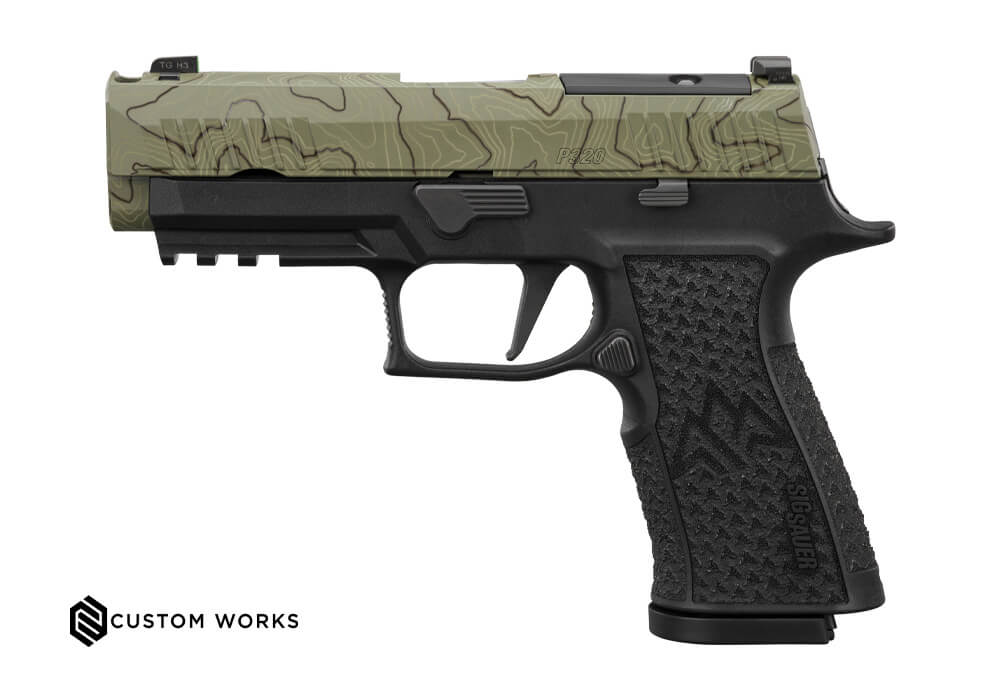
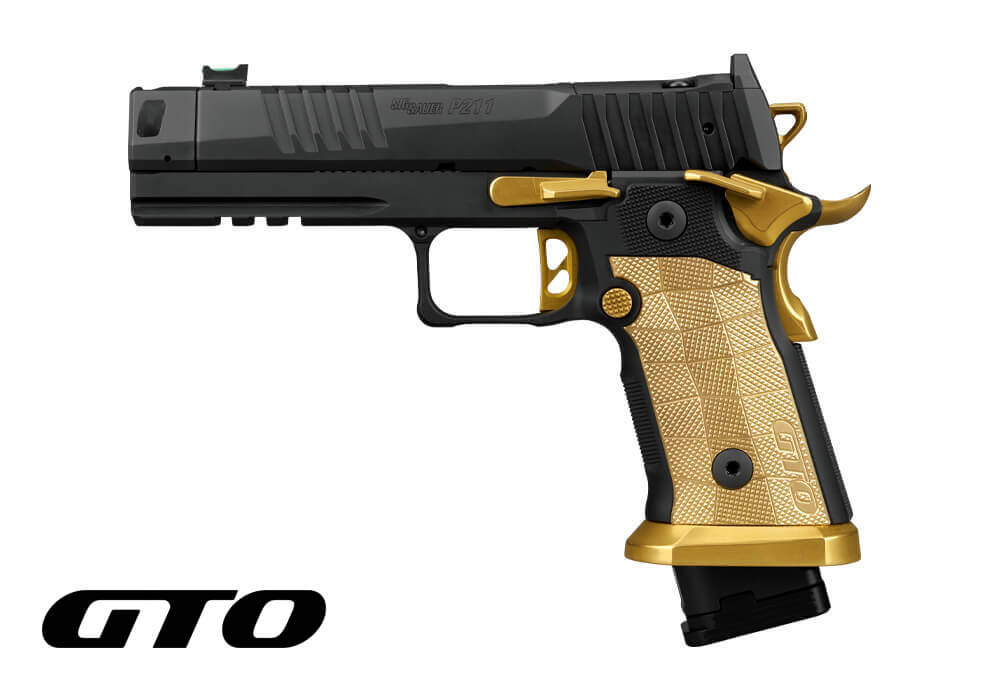
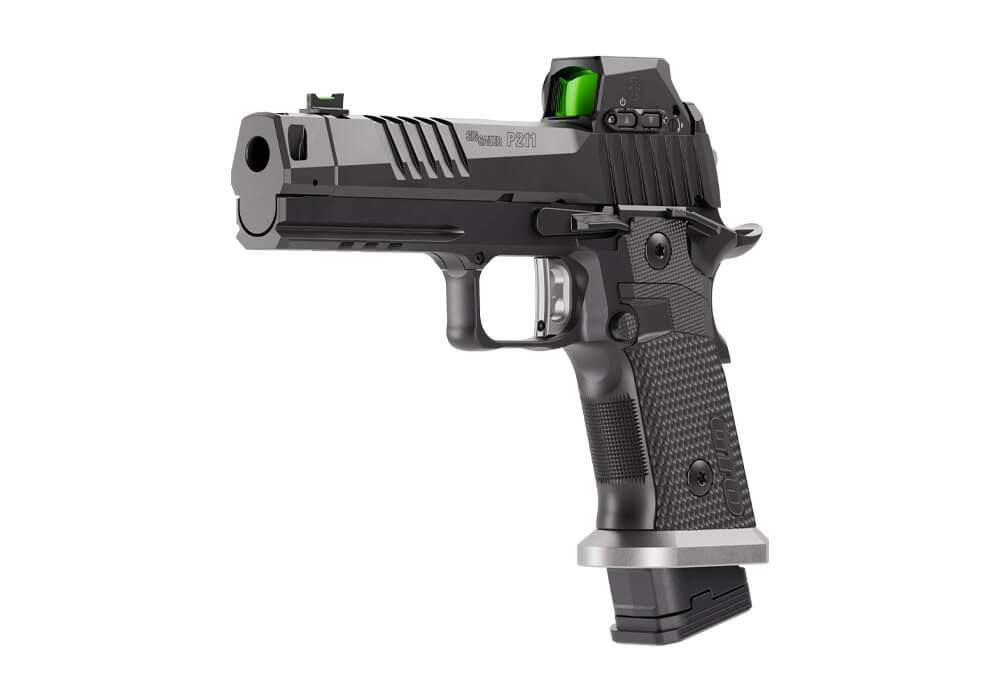
Custom target shooting pistols are built around a simple goal: helping a skilled shooter place accurate shots with a consistent sight picture, predictable trigger movement, and comfortable control through extended practice sessions. Unlike general-purpose handguns selected primarily for carry or home protection, target-focused pistols often emphasize a longer sight radius, refined ergonomics, balanced weight, and a trigger system that supports deliberate, repeatable shooting. Competitors may use them in USPSA, IDPA, bullseye, steel challenge, and other organized events, while recreational shooters often choose them for structured range sessions and personal skill development. A full-size frame can provide a stable platform, while a 5- or 6-inch barrel may offer a longer sighting plane and a steady feel during slow, careful fire. Heavier steel or tungsten components can help soften felt recoil and muzzle movement, especially during rapid strings, although the added weight may be less comfortable for shooters who prefer a lighter pistol. Grip texture, grip angle, undercut trigger guards, and an extended beavertail also influence how naturally the pistol settles into the hand. The best choice is usually the one that allows a shooter to maintain a firm, comfortable grip without excessive tension, reach the trigger squarely, and return the sights to the target with minimal effort. Buyers should also compare striker-fired and hammer-fired designs, since each offers a different trigger feel, control layout, and maintenance routine. A single-action trigger may provide a crisp release favored by precision competitors, while a striker-fired system may appeal to shooters who prefer a consistent trigger press from shot to shot. Trigger weight is only one part of the experience; reset distance, smoothness, take-up, and the shooter’s ability to operate the controls safely all matter just as much.
When comparing custom target shooting pistols, start by identifying the discipline, distance, and pace of shooting that will shape the purchase. Bullseye competitors may prioritize a clean trigger, adjustable sights, a rigid frame, and fine sight alignment for deliberate fire at fixed distances. USPSA and similar action events may place greater value on fast sight recovery, generous controls, a practical magazine size, and an optics-ready slide that supports a compatible reflex sight. Shooters who practice steel or other rapid-fire formats may appreciate a balanced pistol with a low bore axis, a well-shaped grip, and recoil management features that help keep the muzzle tracking smoothly between targets. An integrated compensator or slide porting can alter the way a pistol behaves, but these features may also affect sound, maintenance, ammunition preferences, and match compliance. Adjustable rear sights allow a shooter to refine point of impact, while a longer sight radius can make small alignment errors easier to identify. A red-dot sight may simplify target acquisition for some competitors, though it brings its own mounting, battery, and training considerations. Before purchasing, confirm that the pistol’s dimensions, sight system, trigger configuration, and magazine format suit the intended range rules. Check local and state requirements, transfer procedures, storage obligations, and any restrictions that apply to the buyer. A secure locking container, quality eye and ear protection, a safe backstop, and a consistent handling routine belong in the same decision as the pistol itself. New owners should begin with supervised instruction from a qualified professional, learn the four fundamental firearm safety rules, and practice keeping the muzzle pointed in a safe direction while the trigger finger remains outside the guard until the sights are on target and the shooter has decided to fire. Shooters who prefer an added layer of control can review Pistols With Manual Safety for Target Shooting when narrowing their options.
These pistols can suit experienced competitors, range regulars, instructors, and hobbyists who enjoy refining small details over time. They can also be a thoughtful gift for a responsible adult who already participates in organized shooting and has clearly identified a suitable configuration, provided all purchasing and transfer requirements are followed. For a gift, accessories may be easier to match than the firearm itself: a durable range bag, padded case, spare magazines, quality cleaning supplies, a training journal, or a gift certificate for professional instruction can support practice without guessing at hand size, trigger preference, sight choice, or match rules. A target pistol often becomes part of a routine rather than an occasional purchase. During cooler months, a shooter may spend an afternoon at an indoor range working through slow groups, controlled pairs, and timed stages, recording sight settings and ammunition results in a notebook. Outdoor range time can be equally rewarding when the light is steady and the weather permits careful concentration. Over several sessions, the value of a well-fitted pistol becomes apparent in the small moments: the grip settles into the same place, the trigger breaks without disturbing the sights, and the front sight returns to the target with less conscious correction. Ammunition selection should follow the owner’s manual and range rules, with attention to bullet profile, reliability, recoil impulse, and consistency rather than choosing solely by price. Regular inspection and cleaning help preserve dependable function, while a qualified gunsmith can address fit or competition-oriented refinements when appropriate. Whether the goal is a first organized match, tighter groups at the range, or a more focused training routine, custom target shooting pistols give dedicated shooters a platform for building precision through safe, patient, repeatable practice.