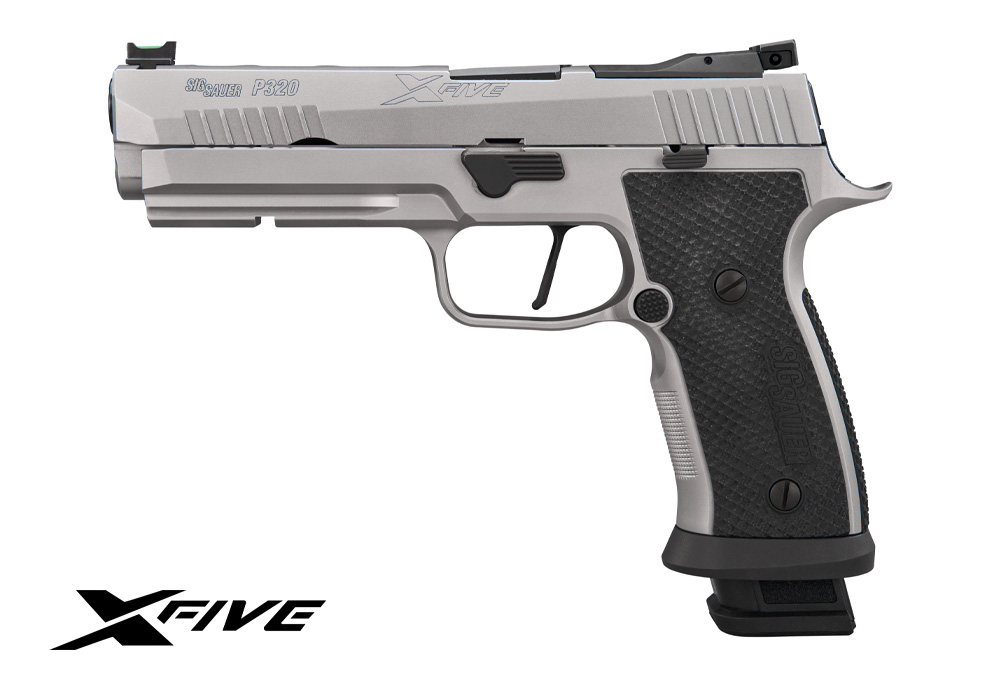
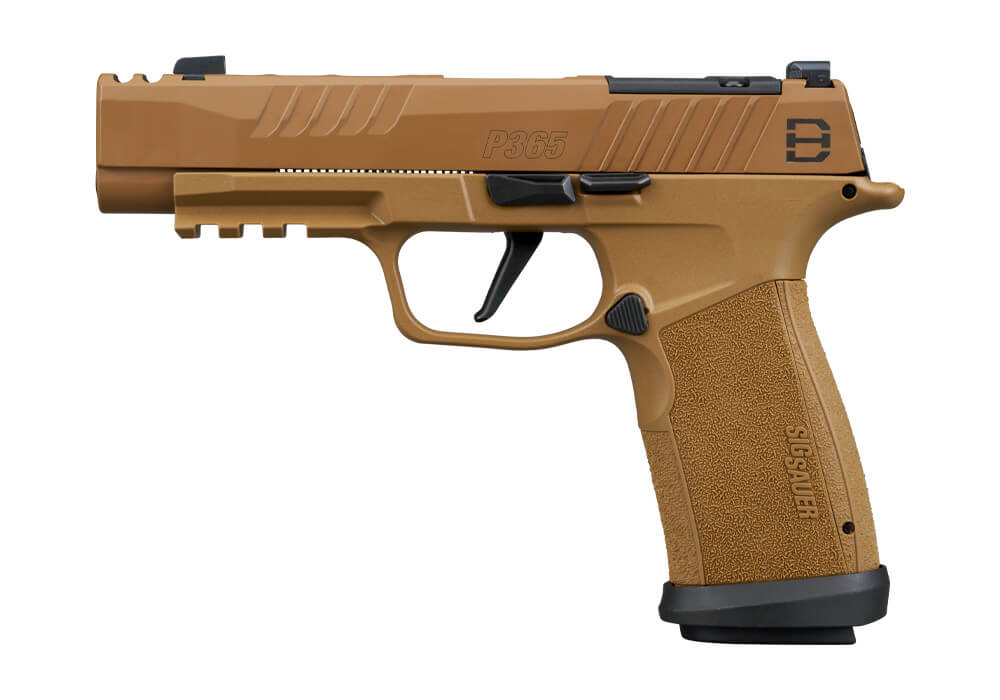
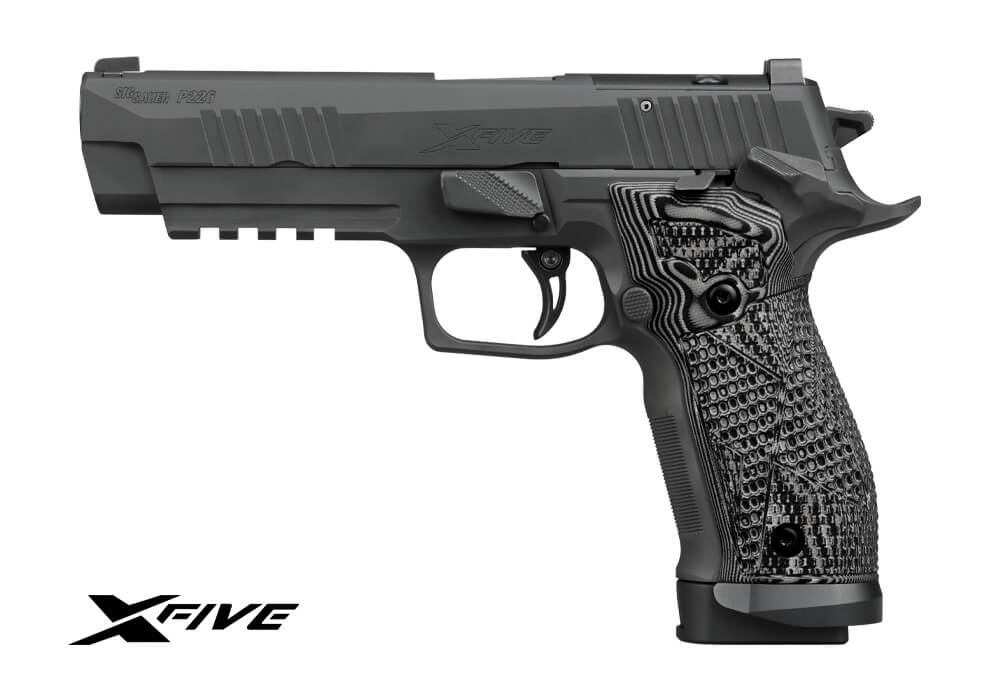
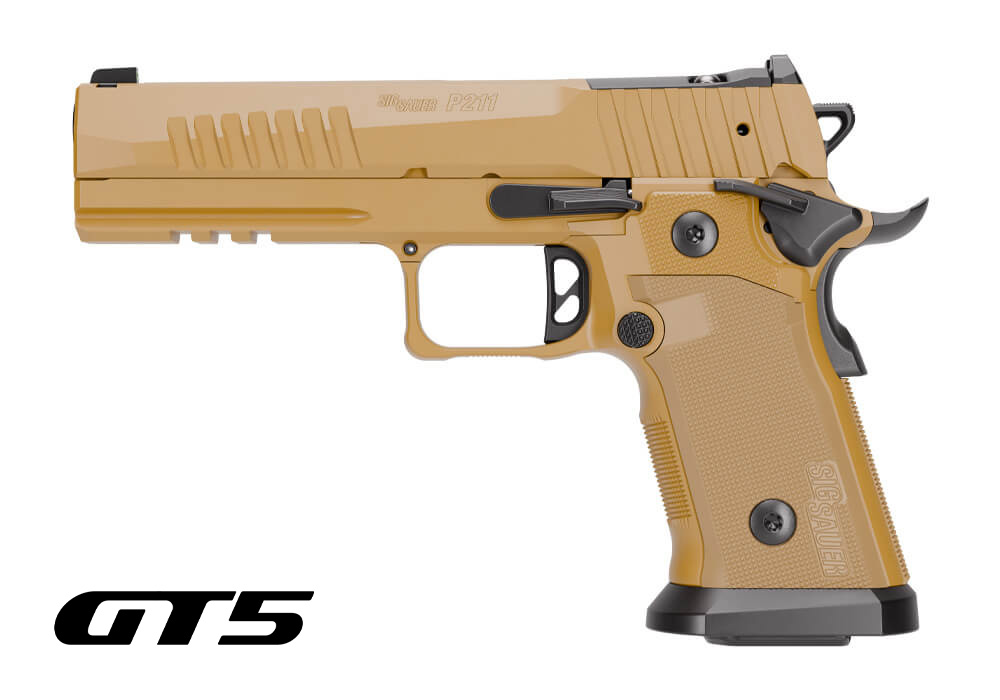
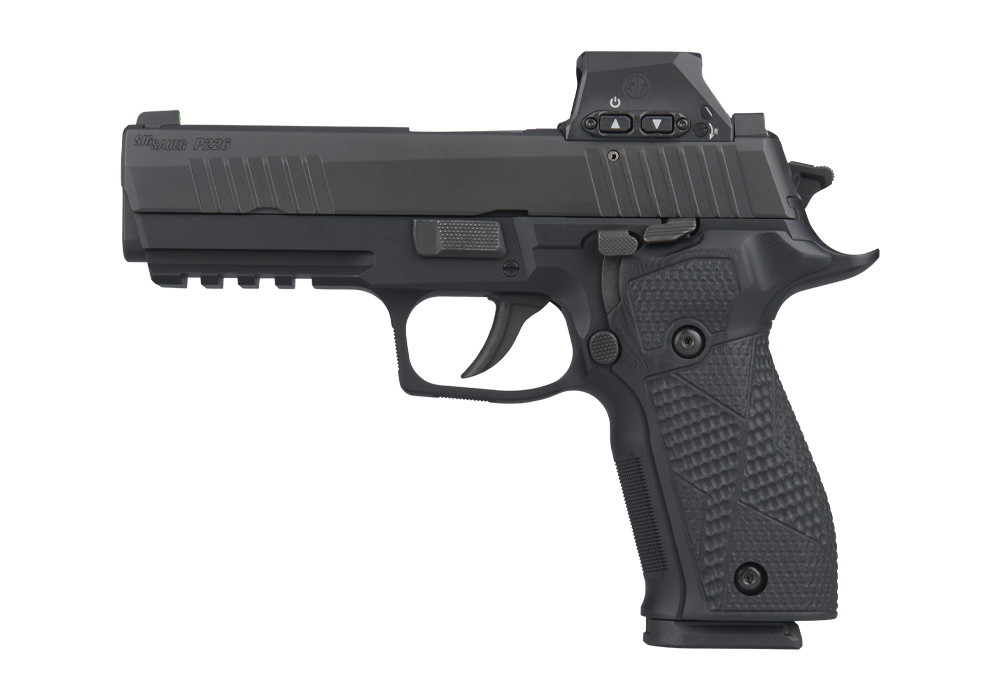
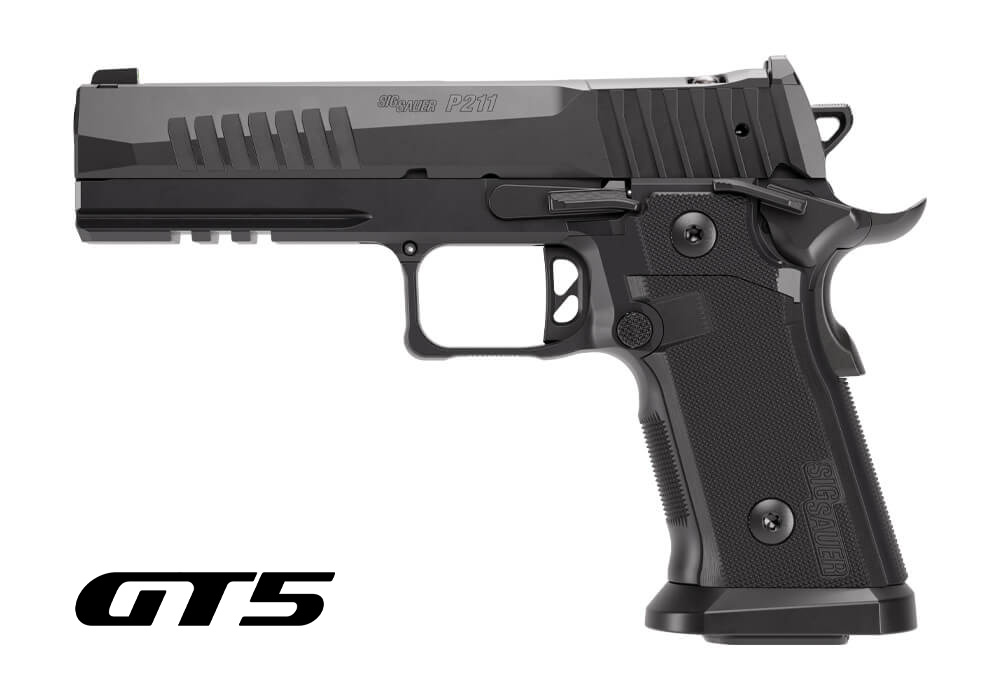
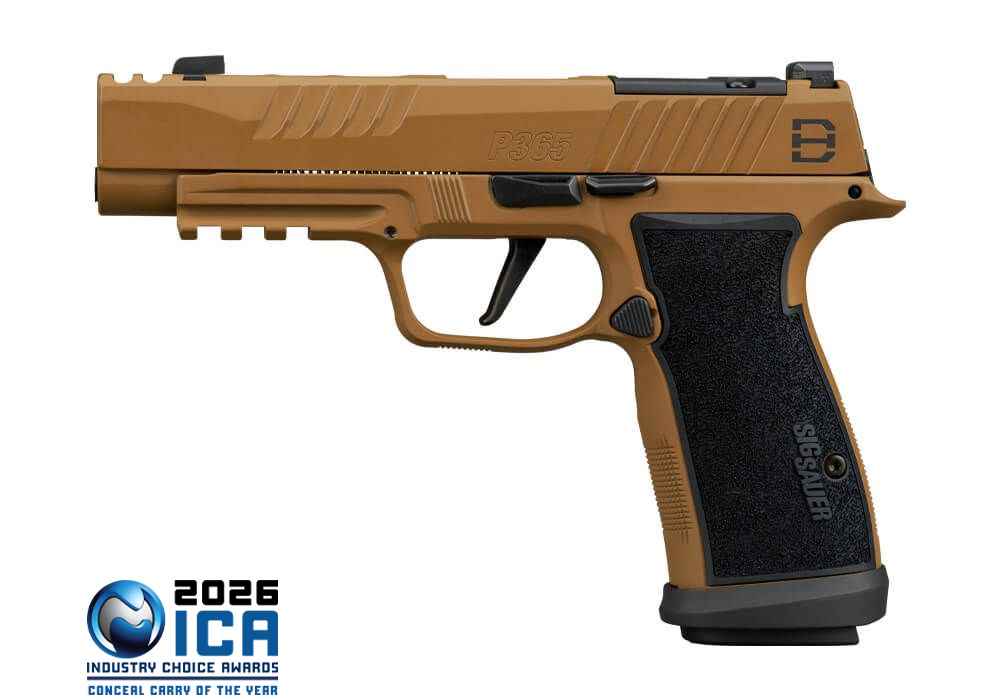
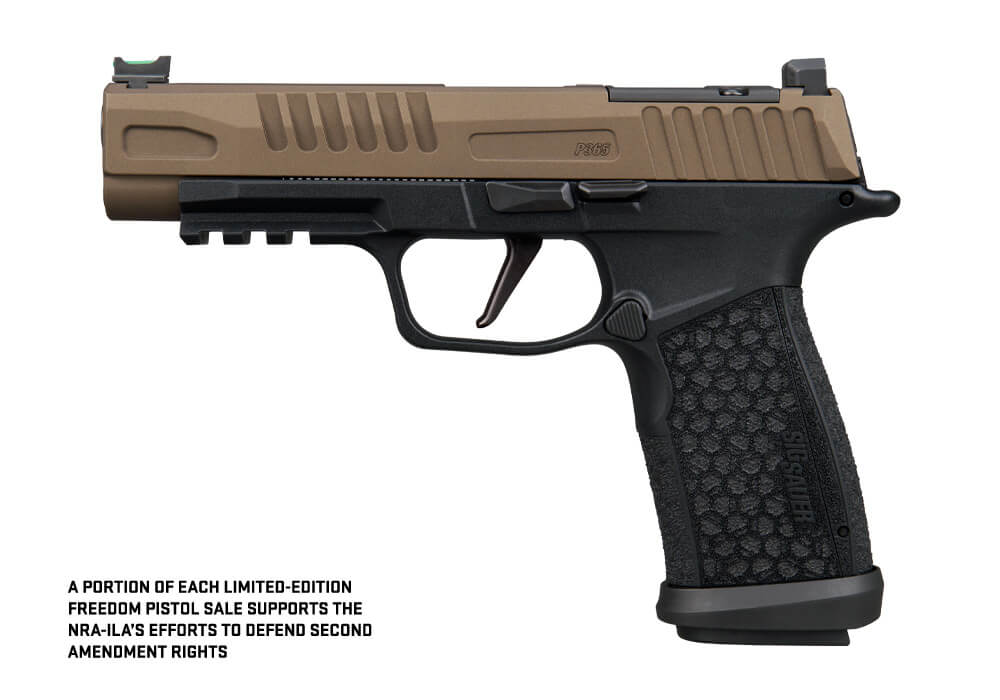
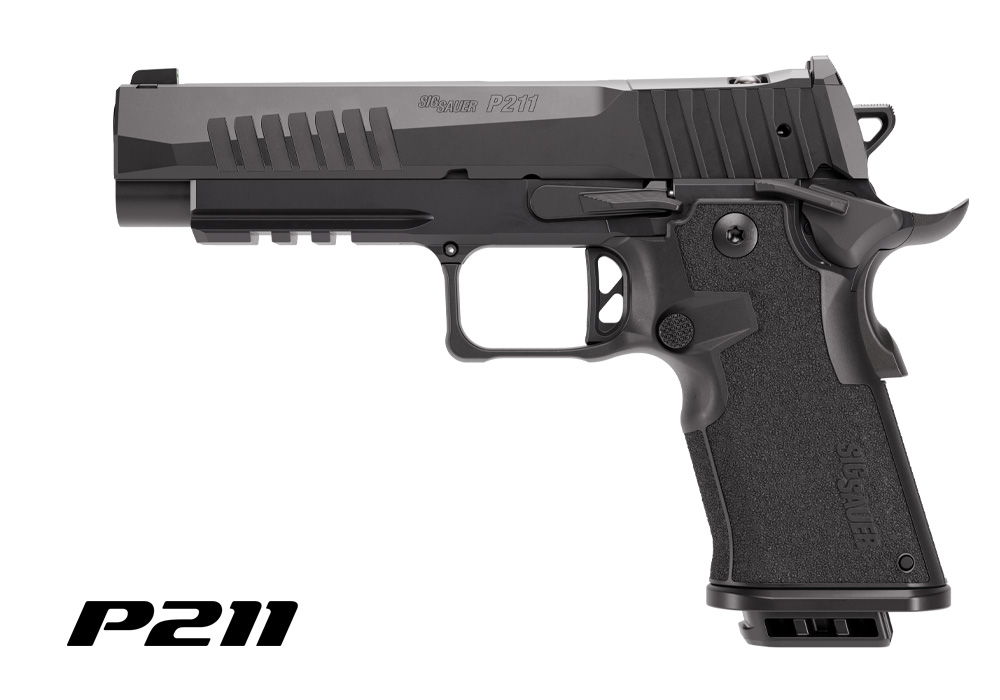
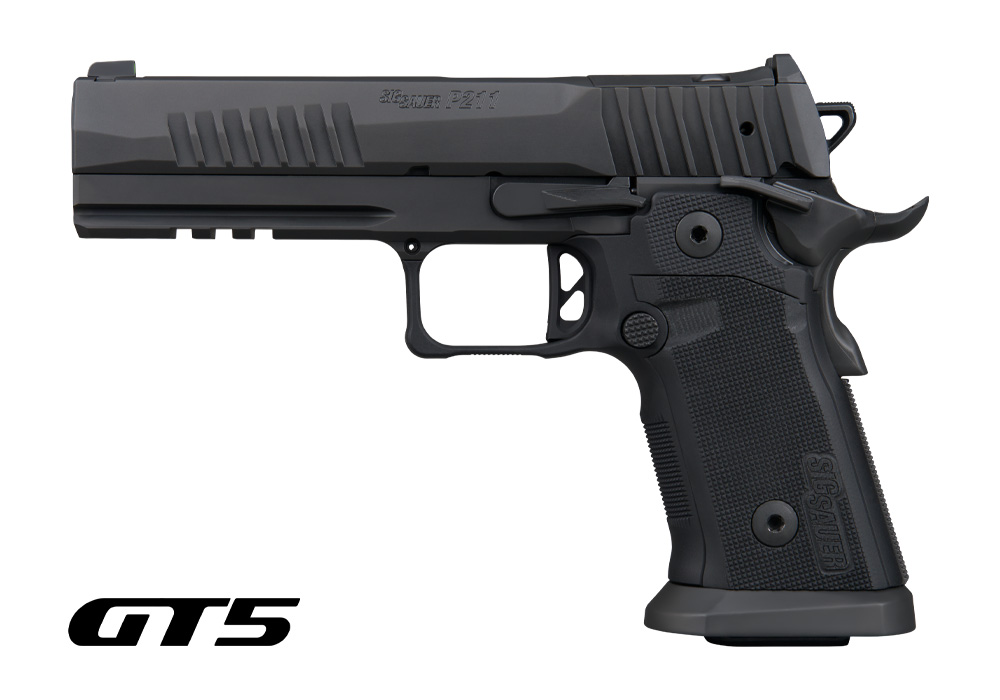
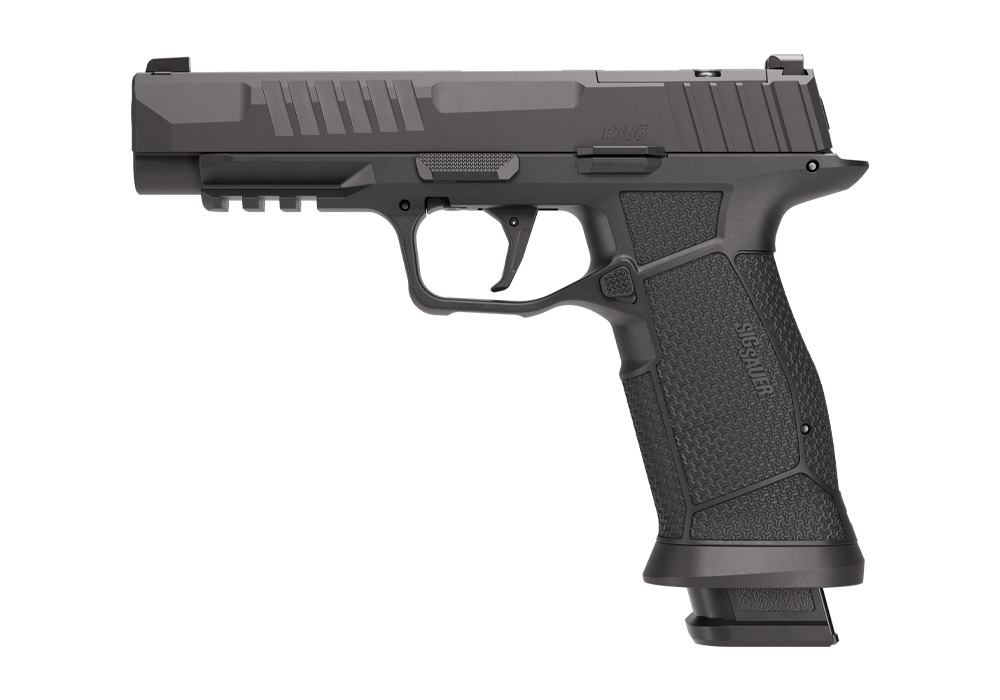
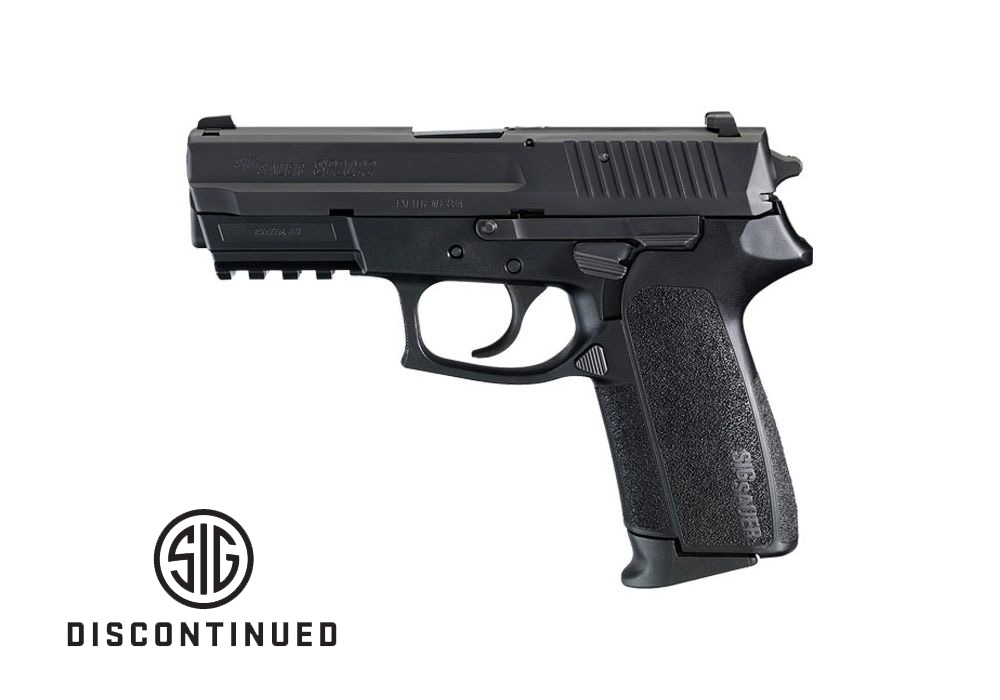
Full size pistols for target shooting are designed to make deliberate, repeatable practice feel comfortable and rewarding. Their longer barrels and extended sight radiuses can help shooters align iron sights with greater precision, while full-length grips provide room for a consistent two-handed hold. A heavier frame, whether made from steel, alloy, or a weighted polymer system, can also help reduce felt recoil and muzzle movement, allowing the sights to return more naturally after each shot. On a quiet range, these qualities become noticeable in small ways: the pistol settles more quickly between shots, the trigger feels easier to manage without disturbing the sight picture, and groups on the paper begin to tighten as fundamentals improve. For many shooters, a full-size platform is an excellent choice for slow-fire practice, structured drills, league competition, and informal sessions at distances commonly ranging from 25 to 50 yards. It can be especially helpful for newer shooters who are still learning grip pressure, trigger control, breathing, and follow-through, because the larger frame is generally easier to hold steadily than a compact design. Experienced shooters may appreciate the same characteristics when refining speed, accuracy, and consistency. A target-focused pistol should feel balanced in the hand, with controls that are easy to reach without changing grip and sights that are clear against the intended target. A comfortable grip profile matters just as much as measurements on a specification sheet; the best fit is one that lets the trigger finger contact the trigger naturally while keeping the rest of the hand firmly supported.
When comparing full size pistols for target shooting, begin with the features that directly affect control and accuracy. Trigger characteristics deserve close attention, including the smoothness of the press, the distinctness of the break, and the feel of the reset. A clean, predictable trigger can make it easier to press straight to the rear while keeping the sights aligned. Action type is another important consideration. Striker-fired systems often offer a consistent trigger press from the first shot to the last, while hammer-fired designs may provide a defined single-action break or a double-action first press, depending on the configuration. Neither approach is automatically better for every shooter; preference, training, and hand fit all play a role. Sight selection should match the way the pistol will be used. Traditional iron sights remain dependable for deliberate practice and help build fundamental sight-alignment skills, while an optics-ready slide gives shooters the option to add a compatible red-dot sight later. Longer barrels can contribute to a longer sight radius, but overall balance and the quality of the sight system are equally important. Look for durable construction, a stable slide-to-frame relationship, an easy-to-see front sight, and controls that can be operated positively at the bench or during a match. Shooters who specifically want an additional layer of deliberate handling may also wish to review Pistols With Manual Safety for Target Shooting. Ammunition selection should follow the manufacturer’s specifications, and many target shooters try several suitable loads to find the combination that produces reliable function and consistent groups in their particular pistol. Standard-capacity and extended-capacity magazines can each have a place depending on range rules, local regulations, and personal preferences, but magazine availability, ease of loading, and positive engagement are practical details worth considering. Before purchasing, confirm applicable laws, transfer requirements, storage obligations, and range restrictions in your area.
A full-size target pistol can be a meaningful purchase for an adult who enjoys recreational shooting, competitive matches, or the steady satisfaction of improving one group at a time. It may also be a thoughtful gift for a properly licensed or otherwise legally eligible recipient, provided the purchaser understands all applicable transfer rules and the recipient has a safe, lawful place to use and store it. For a new owner, pairing the pistol with professional instruction, quality eye and hearing protection, a secure locking case, and a dedicated storage solution can be more valuable than choosing accessories based only on appearance. Safe handling should remain part of every session: keep the muzzle pointed in a safe direction, keep the finger outside the trigger guard until ready to fire, treat every firearm as loaded, and know the target and what lies beyond it. During the cooler months, an indoor range can provide a comfortable setting for working on fundamentals, while an outdoor range offers room to explore longer distances when conditions permit. A simple practice routine can begin with slow, carefully aimed shots from a supported position, then progress to standing two-handed fire as confidence grows. Over time, the goal is not merely a smaller group, but a repeatable process—consistent grip, clear sight picture, smooth trigger press, and disciplined follow-through. Choosing among full size pistols for target shooting ultimately comes down to matching the pistol’s size, weight, action, trigger, sights, controls, and ergonomics to the shooter’s hands, experience, and intended range use. A well-fitting platform encourages regular practice and makes each session more focused, whether the paper target shows a first careful group or the results of years spent refining precision.