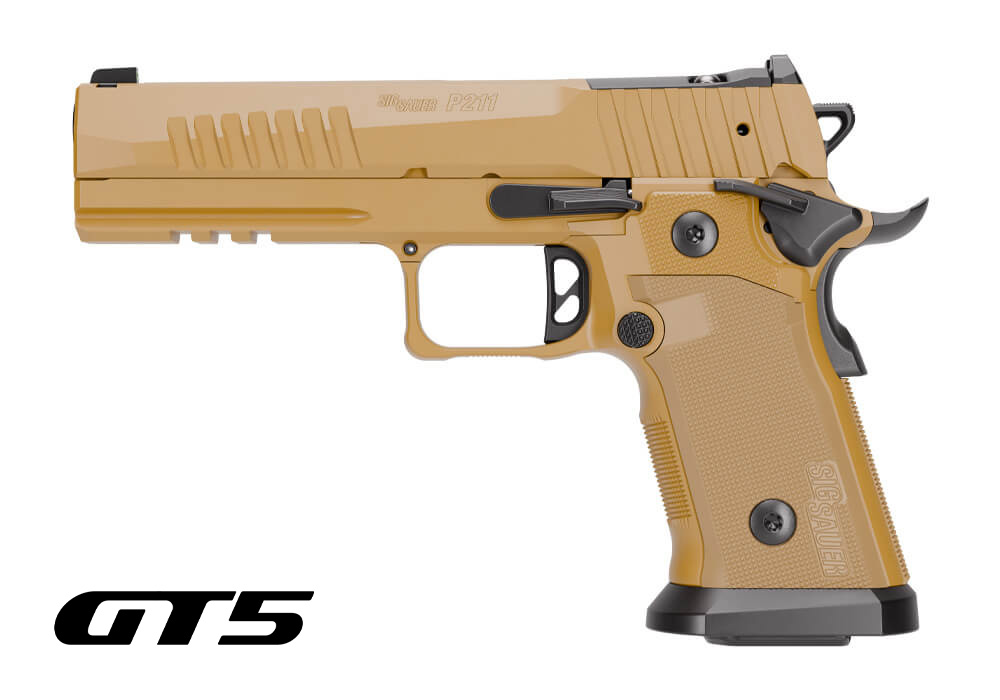
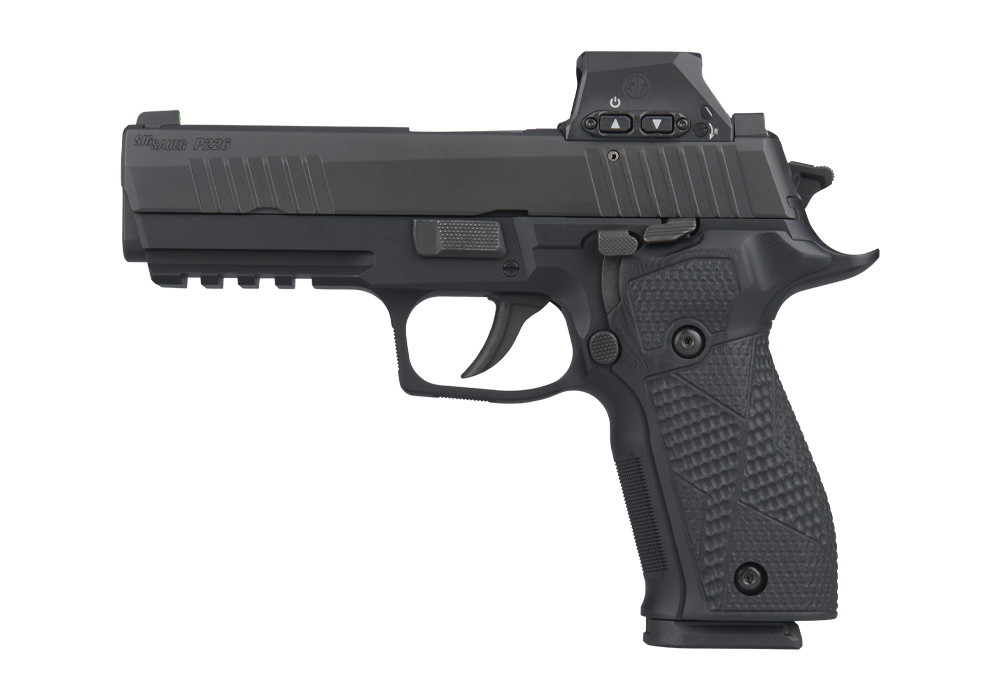
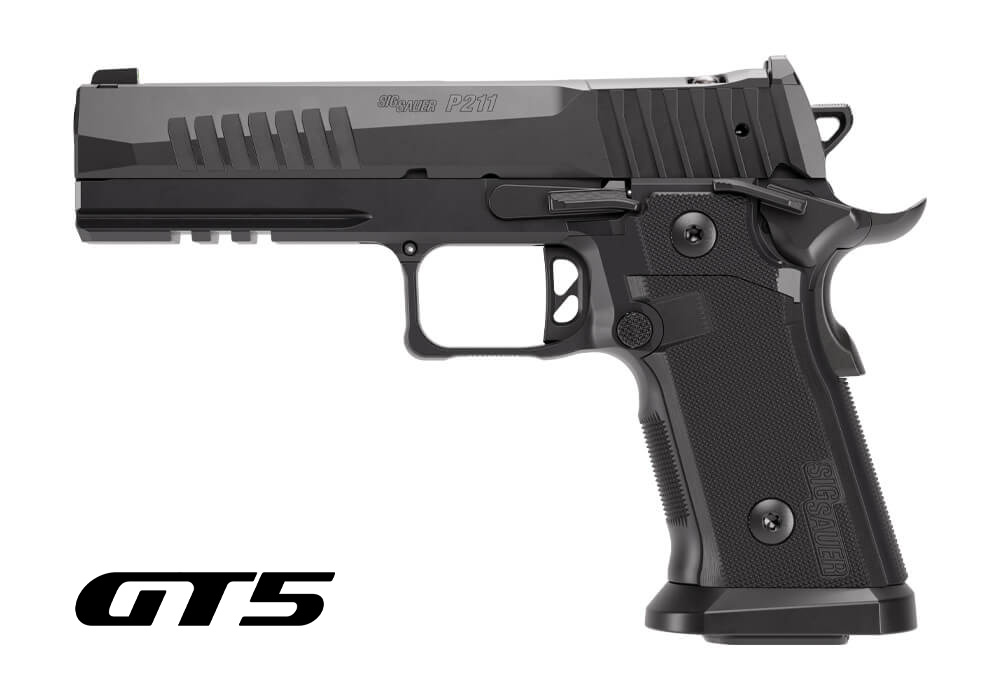
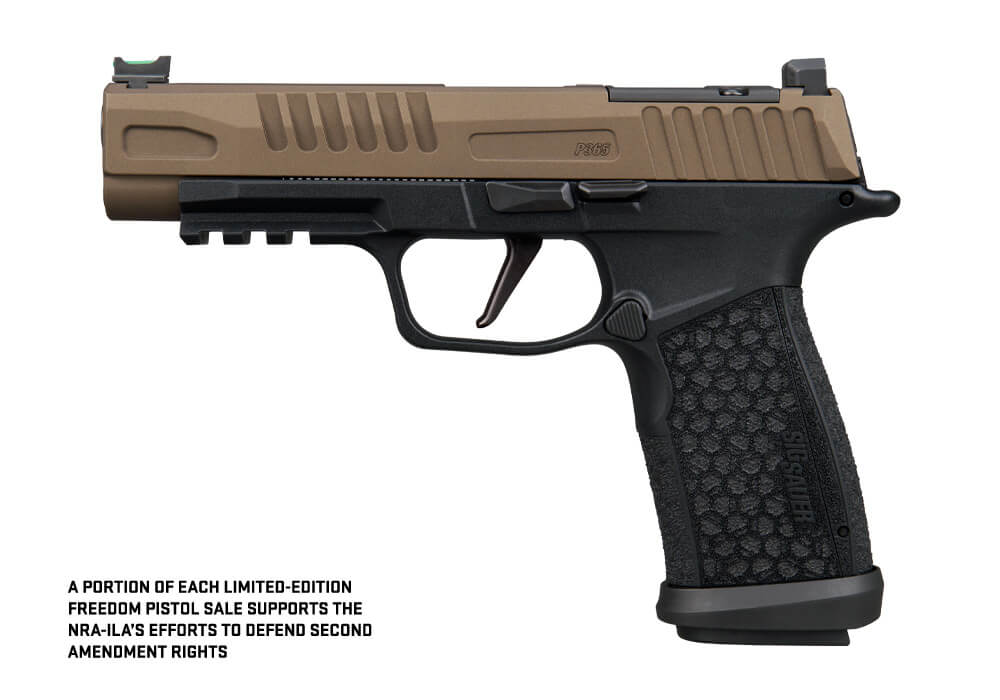
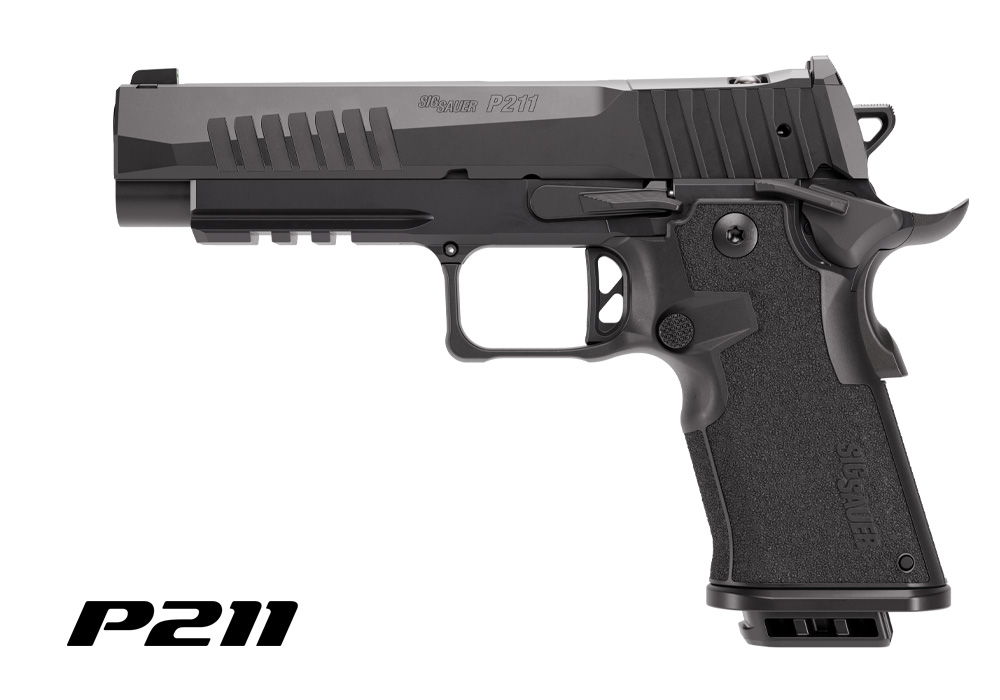
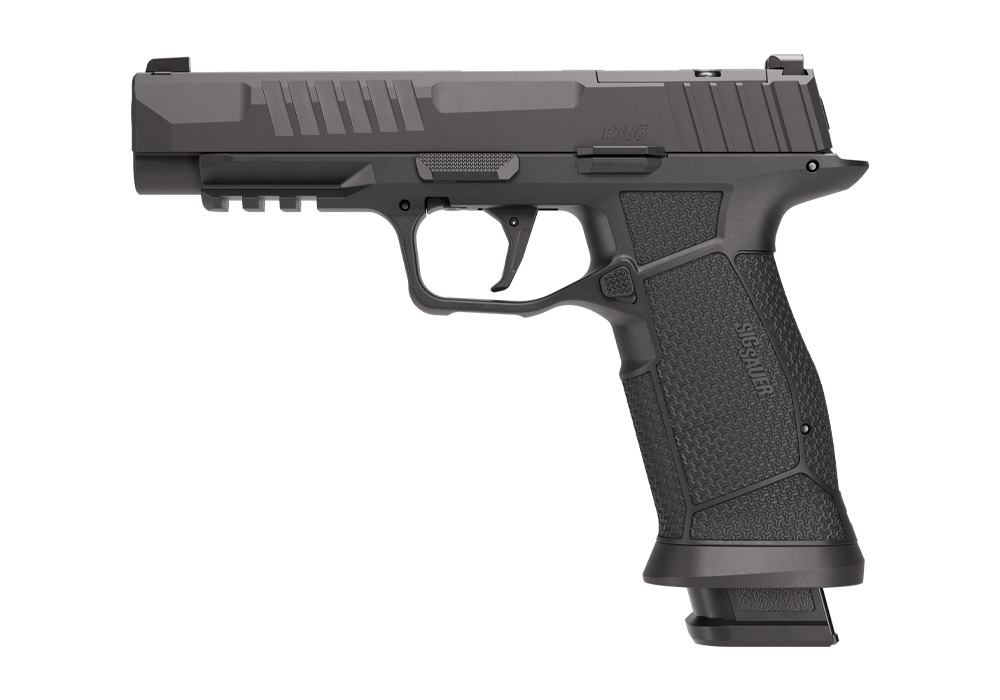
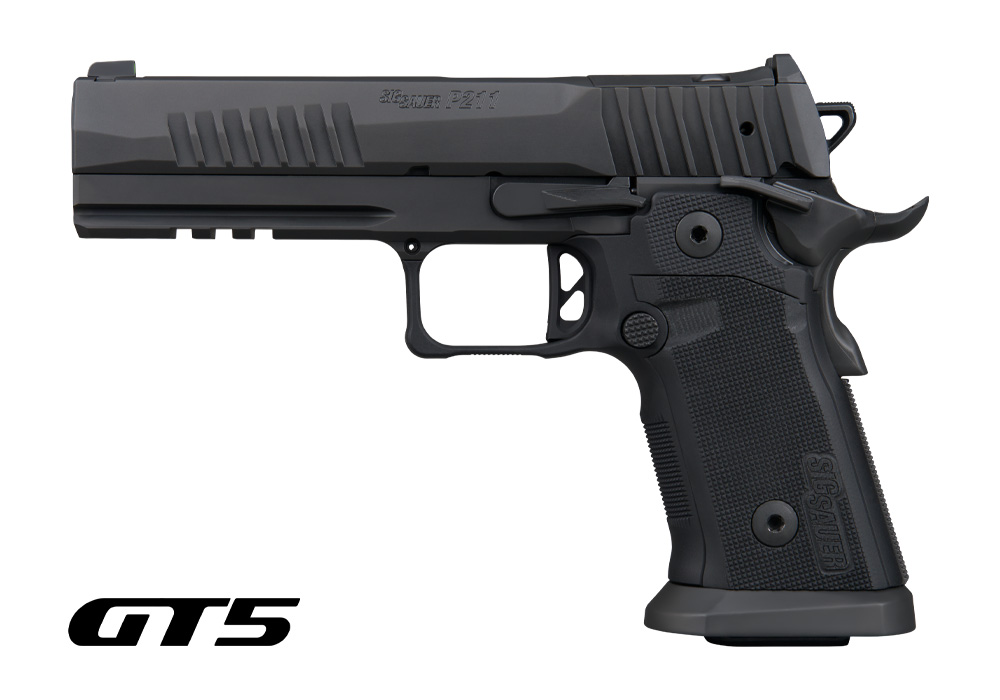
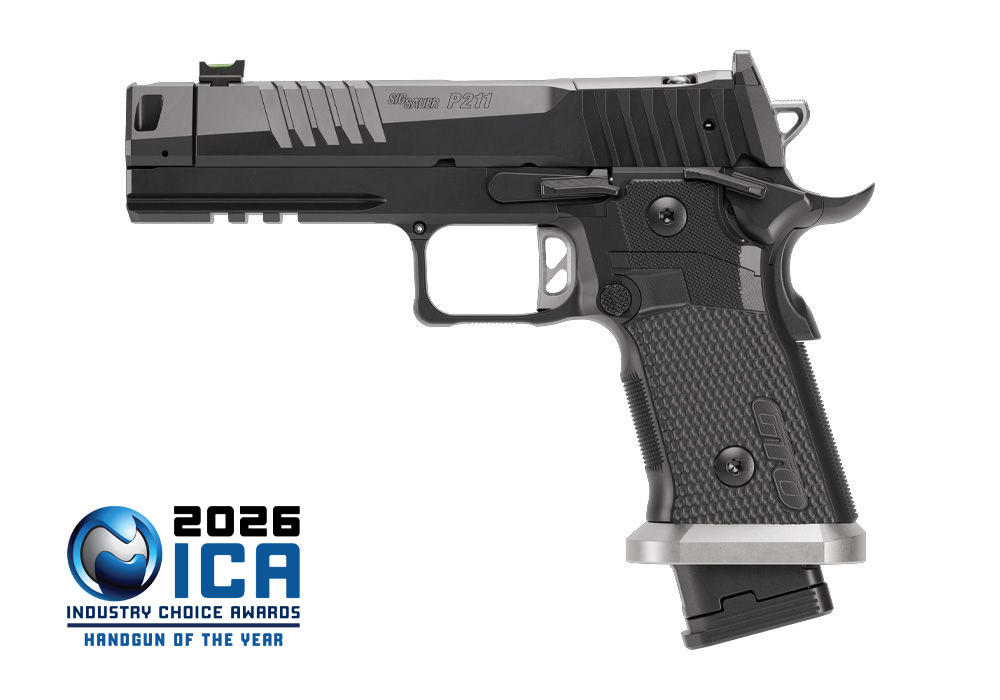
A full size pistol is generally defined by a longer slide and grip than compact or subcompact handguns, with barrel lengths commonly falling between approximately 4.5 and 5.5 inches. That added size gives the shooter a longer sight radius, more room for a stable two-handed grip, and a platform that can feel especially manageable during repeated practice. The additional weight of a full size frame and slide can also help soften felt recoil and reduce muzzle movement, making it easier to return the sights to the target between shots. These characteristics make full size pistols a popular choice for range training, competition, duty use, and home-defense applications where concealment is not the primary concern. A full size pistol may be chambered in several common handgun calibers, and the right choice depends on factors such as recoil tolerance, ammunition availability, intended use, and the shooter’s ability to maintain consistent control. Frame material also affects the experience: polymer frames are often lighter for convenient transport, while metal-frame designs may provide a steadier feel in the hand and a more planted shooting experience. When comparing options, pay close attention to grip circumference, texture, slide serrations, controls, trigger reach, and the position of the magazine release. A pistol can have excellent specifications on paper and still feel awkward if the grip does not fit the shooter’s hand. The best way to evaluate that fit is to handle the unloaded firearm with a proper grip, confirm that the trigger finger rests naturally along the frame, and make sure the controls can be reached without shifting the hand. Sight systems are another important consideration. Traditional iron sights remain dependable and familiar, while optics-ready slides provide the flexibility to add a compatible reflex sight as training and preferences develop. Accessory rails may accept a weapon-mounted light or other approved accessory, which can be useful for shooters who have a defined need and are prepared to train with the added equipment. Standard capacity magazines are common with full size pistols, and extended capacity options may be available depending on the firearm, local regulations, and intended application. Always verify magazine restrictions before purchasing, transporting, or giving a firearm to another person.
Full size pistols are often selected by new and experienced shooters who want a steady, forgiving platform for building fundamentals. For someone beginning formal instruction, the generous grip and balanced weight can make it easier to learn a consistent stance, sight picture, trigger press, and follow-through without the sharper movement sometimes associated with smaller handguns. Experienced range shooters may appreciate the longer sight radius and the ability to spend an extended session practicing draws, target transitions, reloads, and accuracy drills with less fatigue from managing recoil. Competitive shooters frequently look for features such as a crisp, predictable trigger, an ergonomic grip, ambidextrous controls, a flared magazine well, adjustable sights, and an optics-ready configuration. Those seeking a refined competition setup can explore Luxury Full Size Competition Pistols for designs that emphasize fit, finish, control, and match-oriented performance. A full size pistol can also be a thoughtful gift for an adult family member or shooting partner when the recipient has expressed a clear interest, is legally eligible to receive it, and the transfer is completed through the appropriate process. Because preferences are personal, a gift card, range session, training course, or secure storage accessory may be a better choice when the recipient’s preferred size, caliber, or operating system is unknown. Safe ownership should remain part of every purchase decision. A quality locking device or purpose-built safe helps prevent unauthorized access, especially in homes with children or visitors, and ammunition should be stored responsibly according to applicable laws and manufacturer guidance. New owners benefit from professional instruction before handling a loaded firearm, followed by regular practice at a properly supervised range. During cooler months, layered clothing can affect grip access and movement, while changing light conditions may influence the visibility of different sight designs; these practical details are worth considering during training. Before choosing a full size pistol, review the manufacturer’s specifications, confirm that the firearm is legal where it will be purchased and used, compare the availability and cost of suitable ammunition, and consider whether replacement magazines, holsters, sights, and other supported accessories are easy to obtain. A well-fitting full size pistol should feel secure and controllable from the first careful grip, remain comfortable through a full practice session, and support the owner’s commitment to safe, consistent handling.