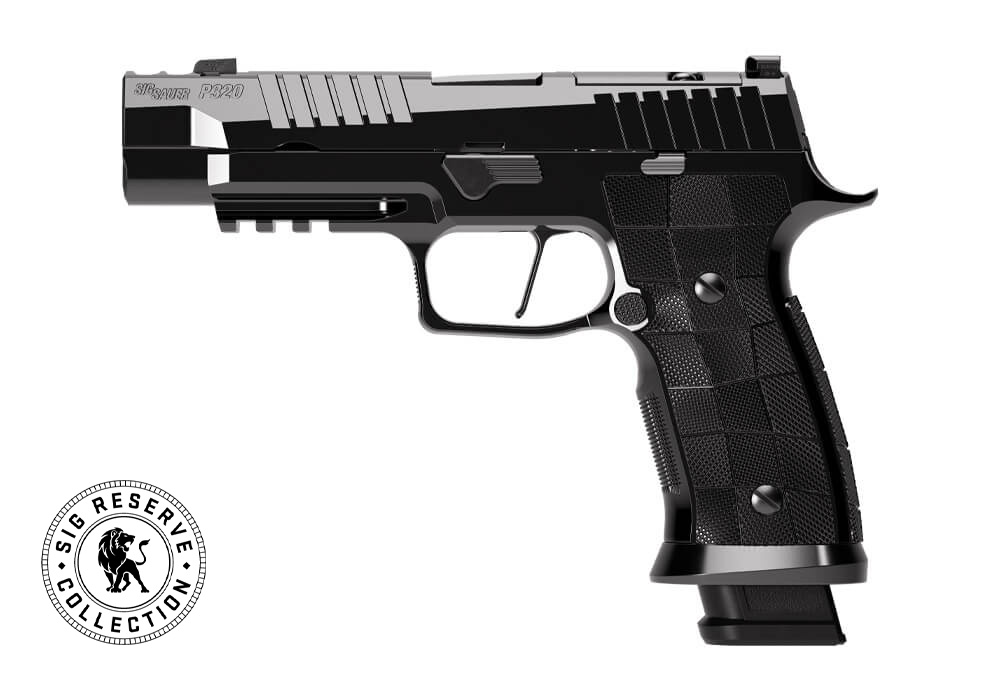
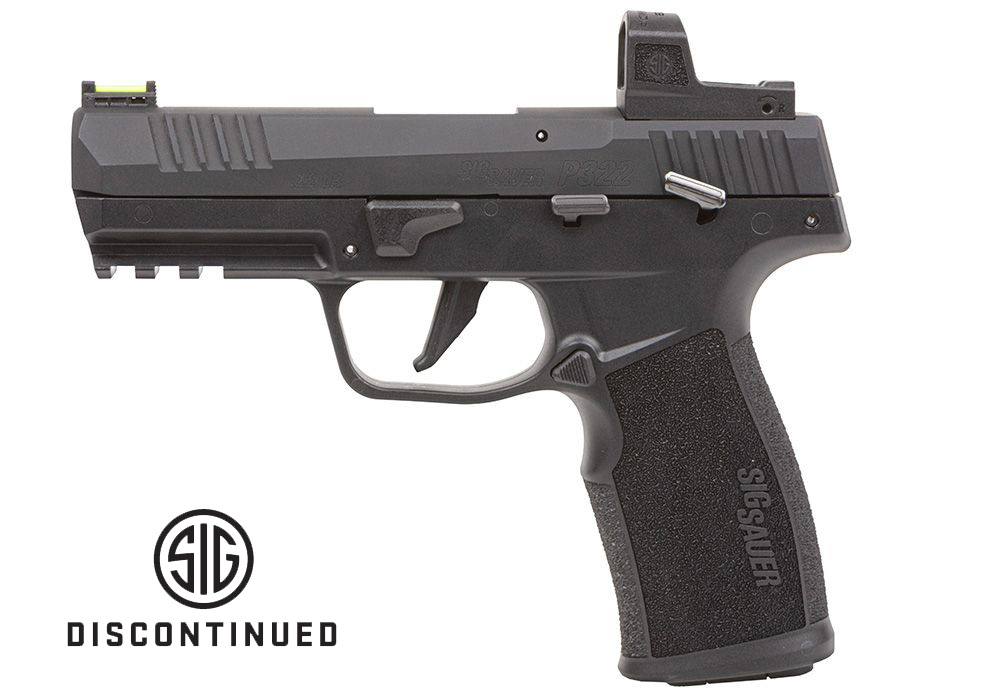
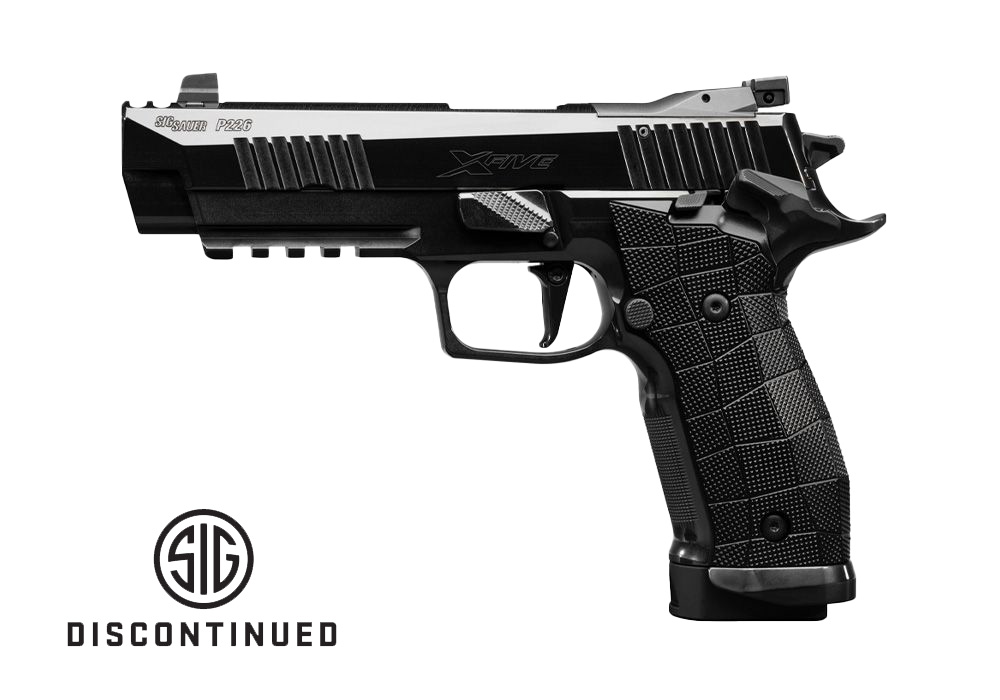
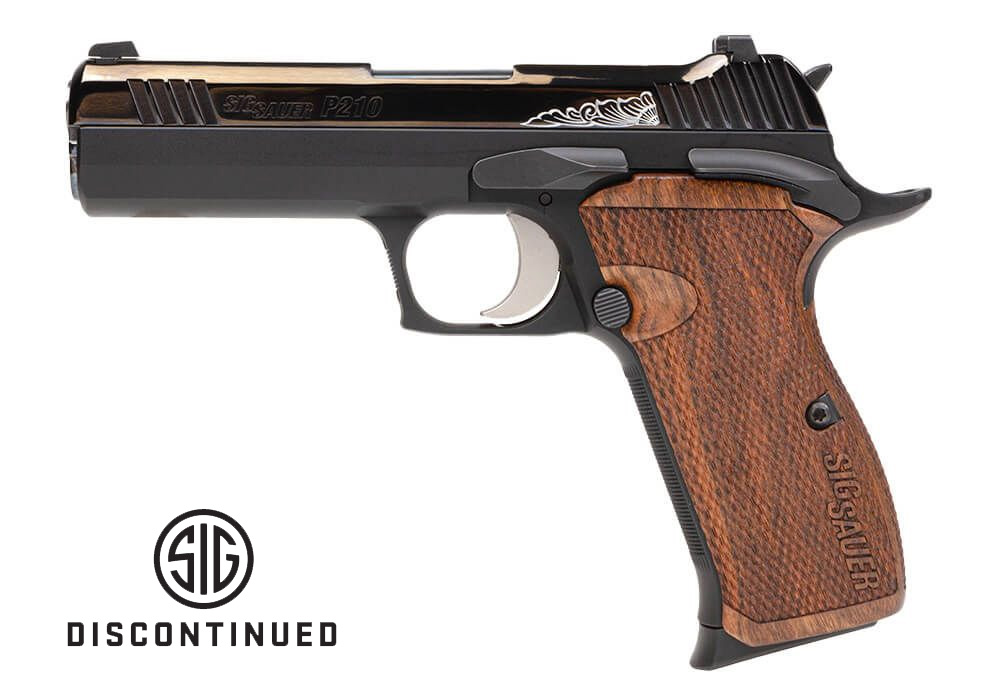
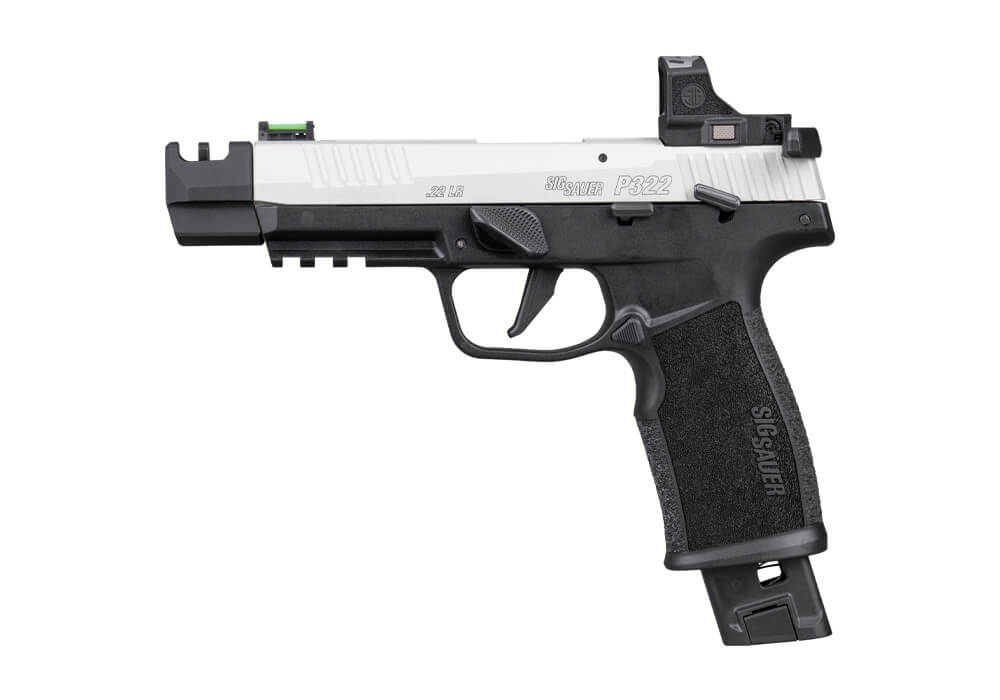
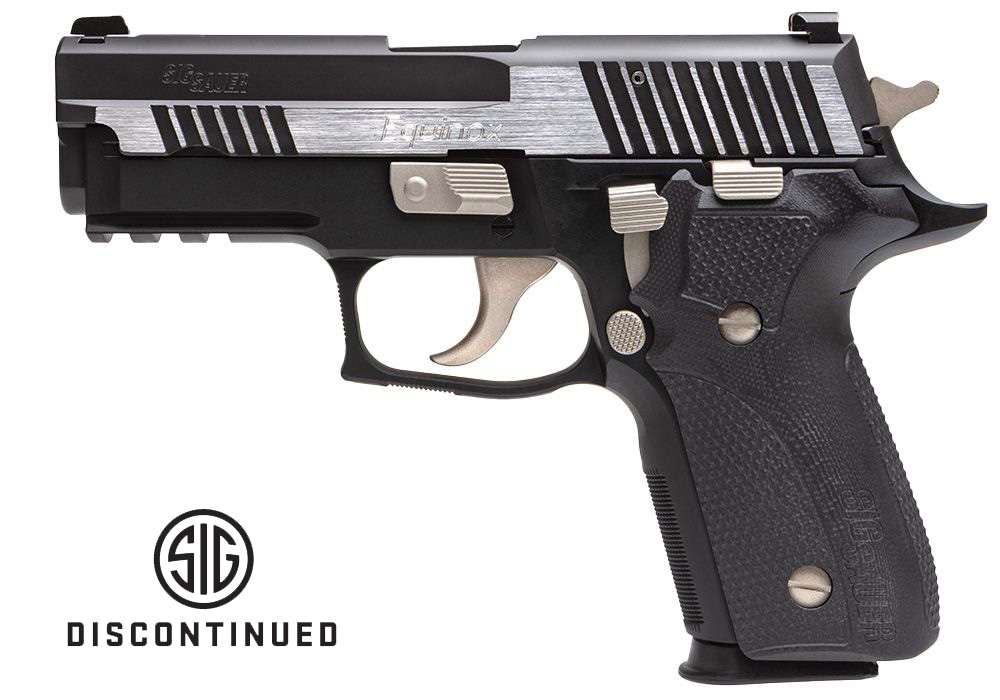
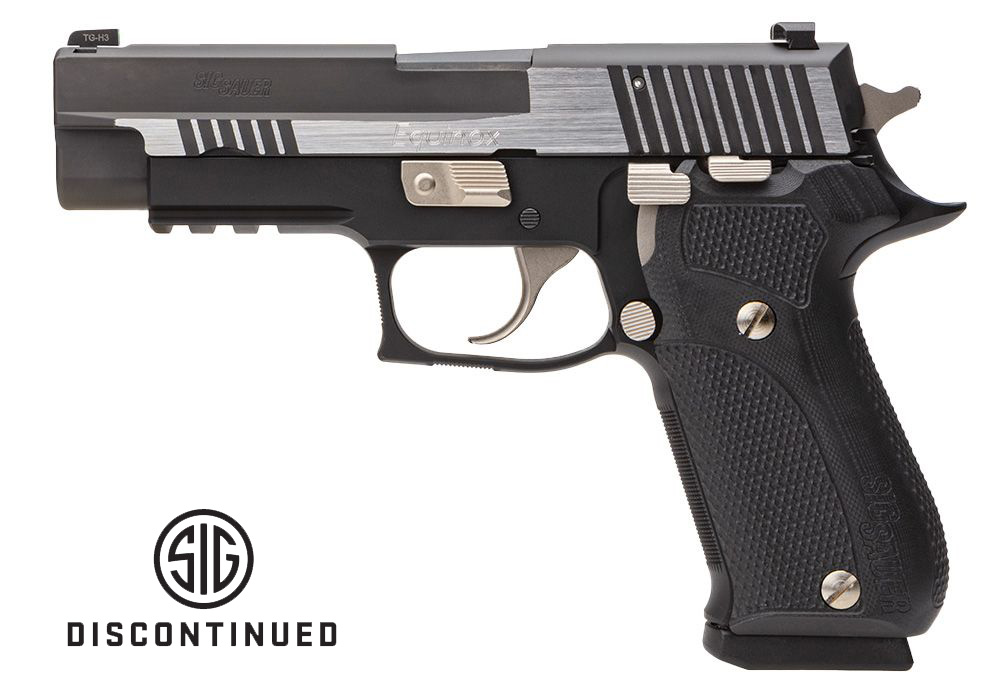
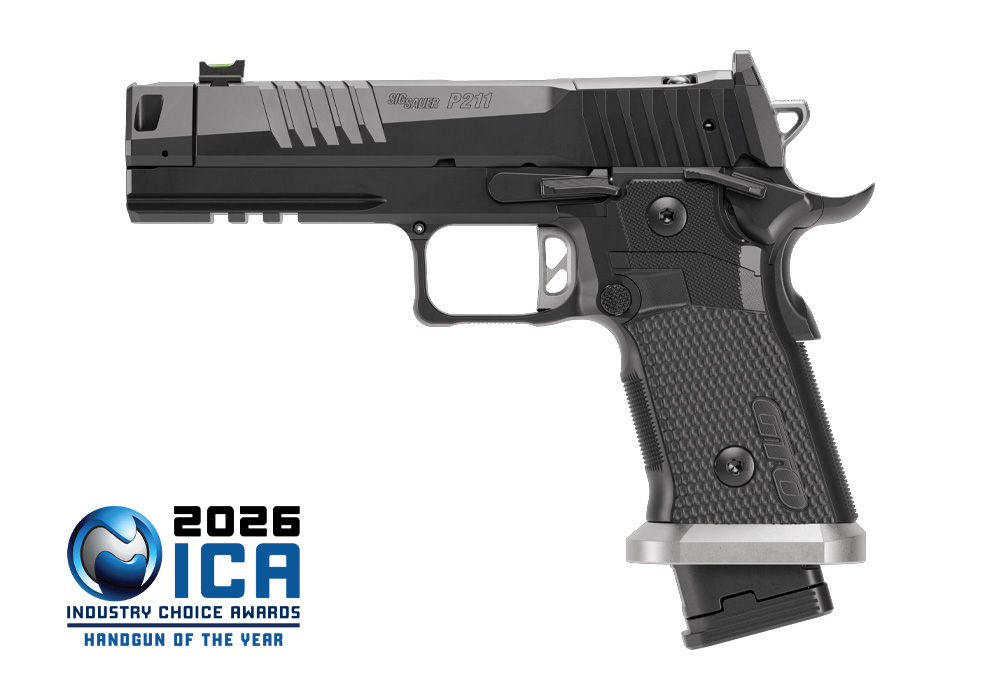
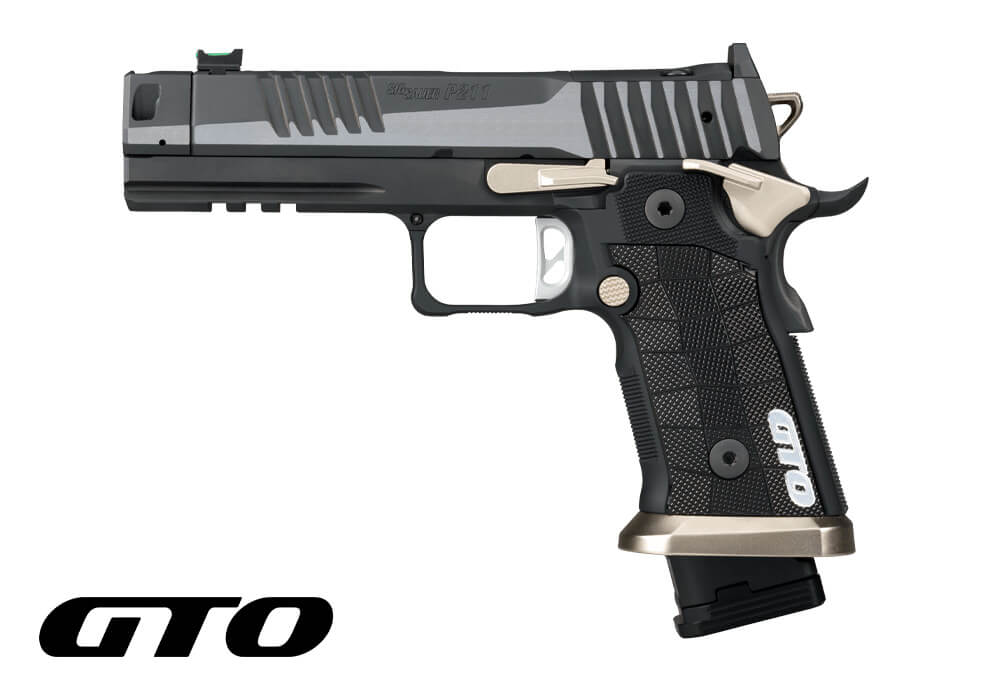
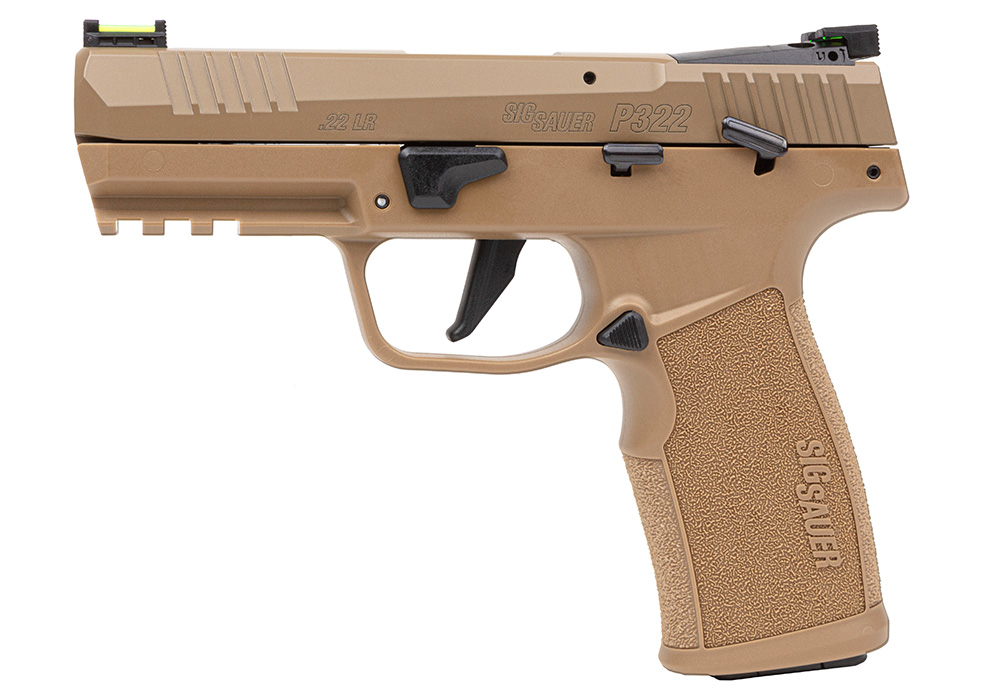
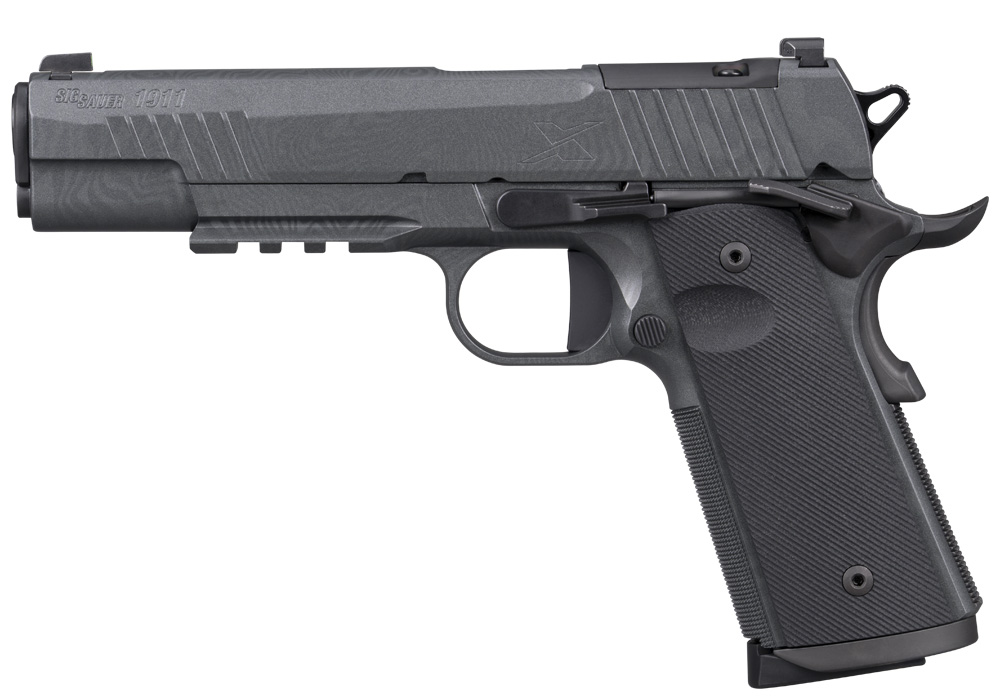
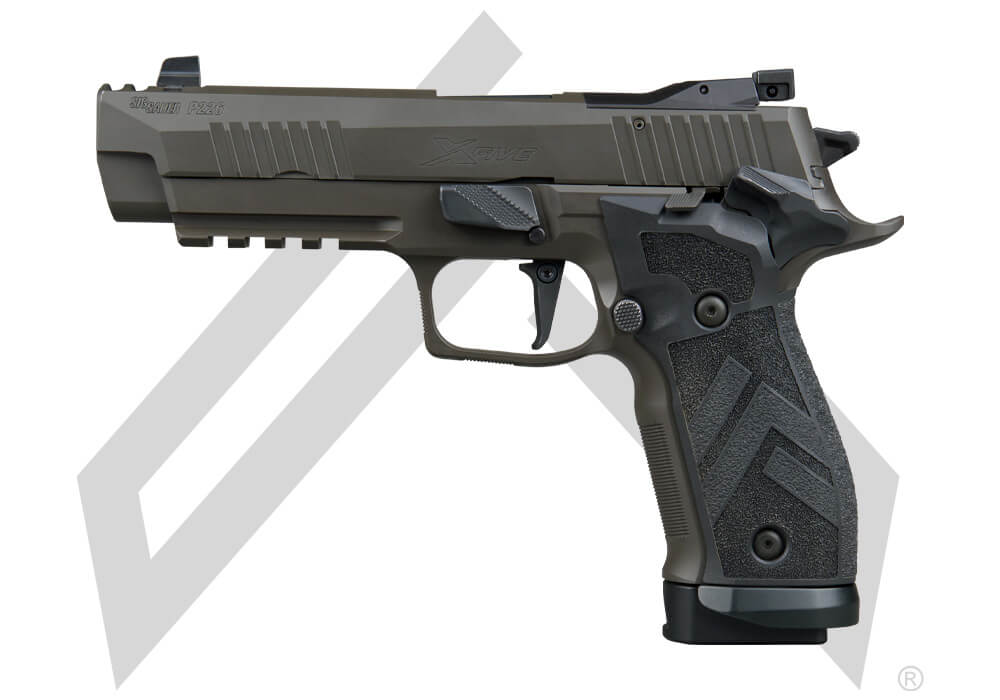
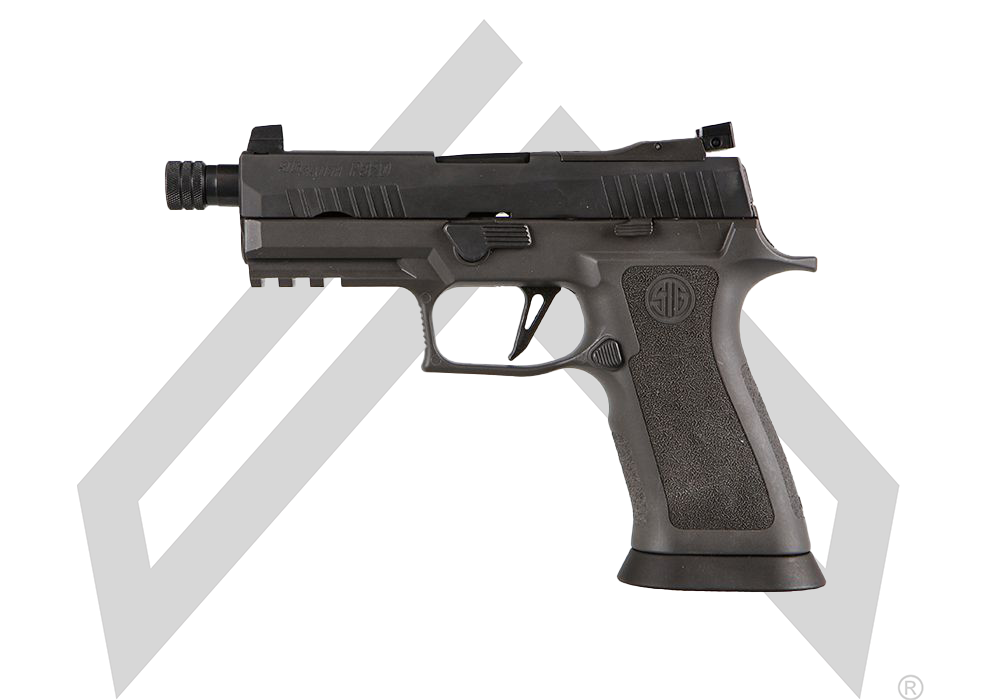
Pistol design enthusiasts appreciate the relationship between mechanical function, ergonomics, materials, and visual detail. A handgun can be interesting for the way its controls meet the hand, the proportions of its frame and slide, or the thoughtful treatment of surfaces that receive frequent contact. Pistols and related accessories in this category appeal to recreational target shooters, collectors, mechanically curious newcomers, and experienced owners who enjoy comparing different approaches to the same design challenges. Striker-fired and hammer-fired systems represent distinct mechanical arrangements, while frame dimensions, grip contours, and control placement influence how a pistol feels to an individual user. Neither appearance nor a feature list tells the whole story. A sharply defined grip texture may look appealing in a photograph yet feel quite different during an extended supervised range session, and a streamlined profile may conceal meaningful differences in grip circumference or trigger reach. Hand size, finger length, and the ability to reach controls comfortably matter more than a universal claim of ideal fit. The most satisfying designs often reveal their character in small details: a neatly blended transition between surfaces, an accessible control, or a grip contour that feels natural without forcing the hand into position. Intended use gives those details context. A pistol selected primarily for recreational target shooting may invite different preferences than one valued chiefly for its mechanical history, visual character, or place in a collection. For some enthusiasts, the attraction is a familiar operating system expressed through different materials and proportions. For others, it is the contrast between traditional styling and contemporary manufacturing methods. Both perspectives reward close attention to fit, finish, and documented specifications. The appeal extends beyond appearance alone: understanding why a contour, surface treatment, or control arrangement exists can deepen appreciation for the complete design without requiring any alteration to its internal mechanism. That combination of tactile experience and mechanical curiosity gives this category lasting interest, especially for people who enjoy returning to familiar designs and noticing details they previously overlooked.
Materials give pistol design much of its character, both in the hand and under close inspection. Steel, aluminum alloys, and reinforced polymers each offer different combinations of weight, surface feel, and maintenance requirements. Steel can lend a substantial feel, aluminum can reduce overall weight, and polymer construction allows complex contours and integrated textures. Actual durability depends on the complete design, material specification, manufacturing quality, finish, and care rather than on a material name alone. A heavier pistol is not automatically better suited to every owner, just as a lighter frame is not inherently less durable. Balance and proportions contribute to the overall impression, particularly when comparing pistols with similar dimensions but different construction. Surface finishes deserve the same careful attention. A matte treatment and a polished surface can emphasize entirely different aspects of the same underlying shape, while coatings and other protective treatments have care requirements that should be confirmed in the manufacturer’s documentation. Clean transitions, consistent texture, and clearly defined markings are details enthusiasts often notice when examining workmanship. Grip panels and interchangeable grip components, where supported by the original design, introduce another layer of personal preference through shape, material, and surface texture. Compatibility remains essential: visually similar components are not necessarily interchangeable, and manufacturer specifications take priority over assumptions based on appearance. The same applies to holsters, storage cases, and sight-related accessories, which need to suit the exact configuration involved. Interest in distinctive styling and a more individual presentation also connects naturally with Custom Pistols for Shooting Enthusiasts, particularly for shoppers who appreciate coordinated finishes, distinctive grip treatments, and considered visual details. Custom character does not have to mean elaborate decoration. Restrained color contrast, a carefully chosen texture, or consistent treatment across visible surfaces can create a cohesive impression. The strongest designs retain that coherence while keeping fit, compatibility, and the manufacturer’s intended function at the center of the experience.
Long-term enjoyment depends as much on ownership habits as on the initial attraction to a design. Regular inspection and care according to the manufacturer’s manual help preserve protective finishes and keep routine wear from going unnoticed. Cleaning supplies should be appropriate for the materials involved, since a treatment suitable for one surface may not suit another. Secure storage, with firearms unloaded and ammunition stored separately, is part of responsible ownership; cases and storage accessories should also protect surfaces from unnecessary abrasion and moisture. Service needs belong with the manufacturer or a qualified professional rather than improvised internal changes. For a collector, retaining original documentation and keeping a simple record of maintenance can preserve useful context about a pistol’s configuration and history. For someone who visits a supervised range regularly, a well-fitted protective case and an organized set of compatible care supplies can make ownership more orderly without changing the firearm itself. These practical details also help distinguish a thoughtful gift from a purely decorative one. An enthusiast may welcome a suitable storage accessory, a reference book on firearm design, or compatible care supplies, but personal preferences and exact fit should be confirmed first. Firearms themselves involve legal requirements and individual responsibilities, so their selection is best left to an informed, eligible recipient through the appropriate lawful process. Beyond ownership, the subject offers plenty to discuss with fellow enthusiasts: the evolution of frame materials, the visual language of different eras, the feel of contrasting grip textures, and the relationship between mechanical layout and external form. A newcomer might first notice the outline; a longtime collector might pause over machining details or the continuity of a finish across adjoining surfaces. Neither perspective requires chasing novelty. An enduring interest in pistol design often comes from recognizing purposeful choices, understanding their limits, and finding designs that remain compelling after the first impression. For shoppers drawn to that combination of engineering, craftsmanship, and personal fit, the category offers a meaningful connection between how a pistol looks, how it feels, and how it is cared for over time.