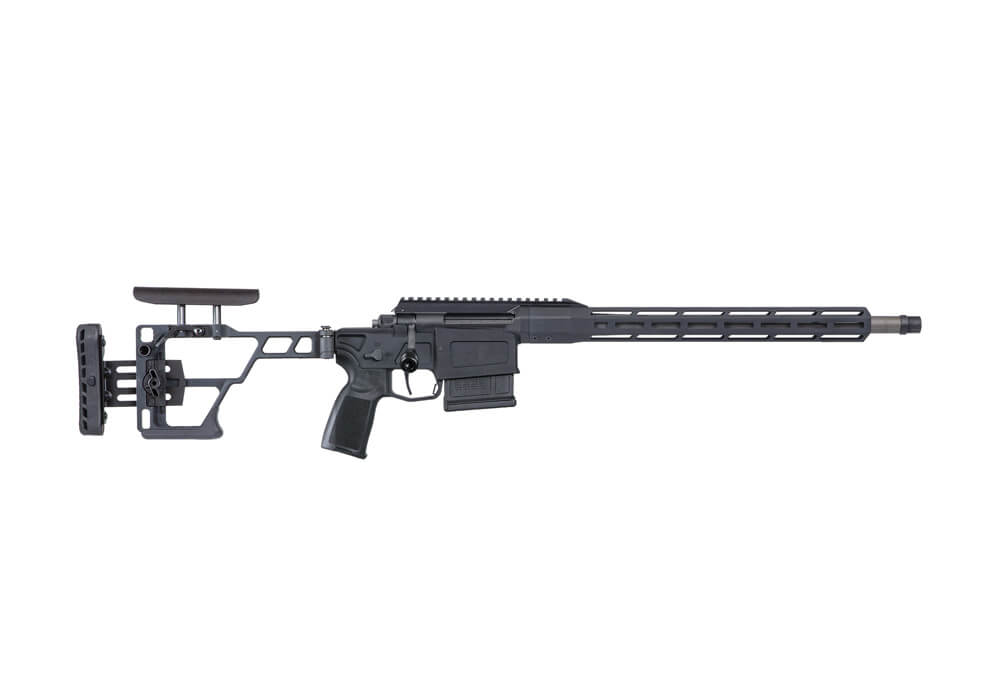
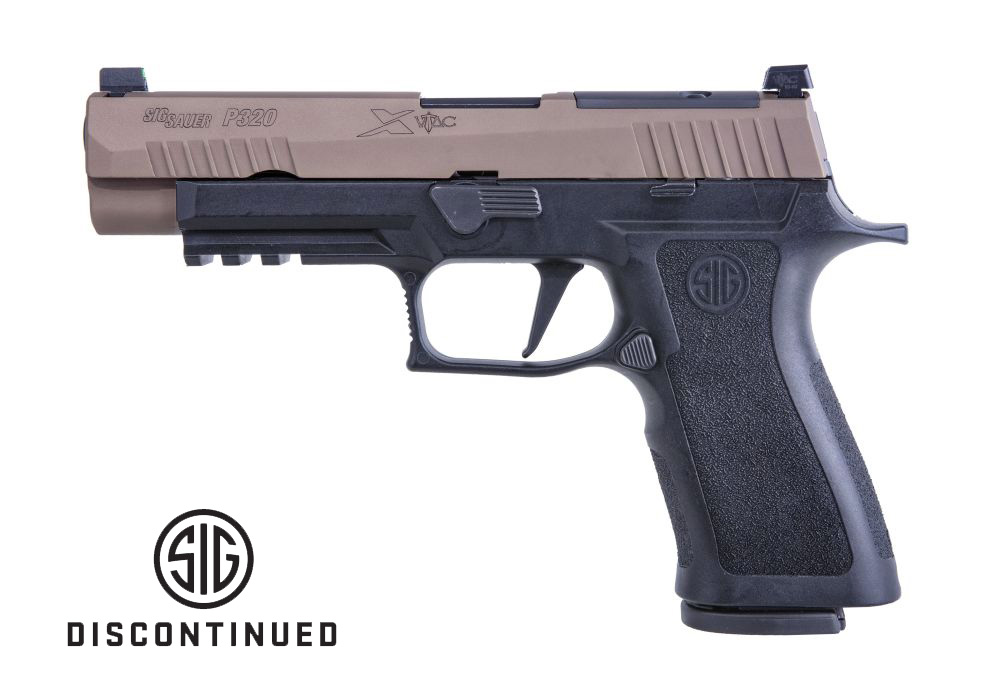
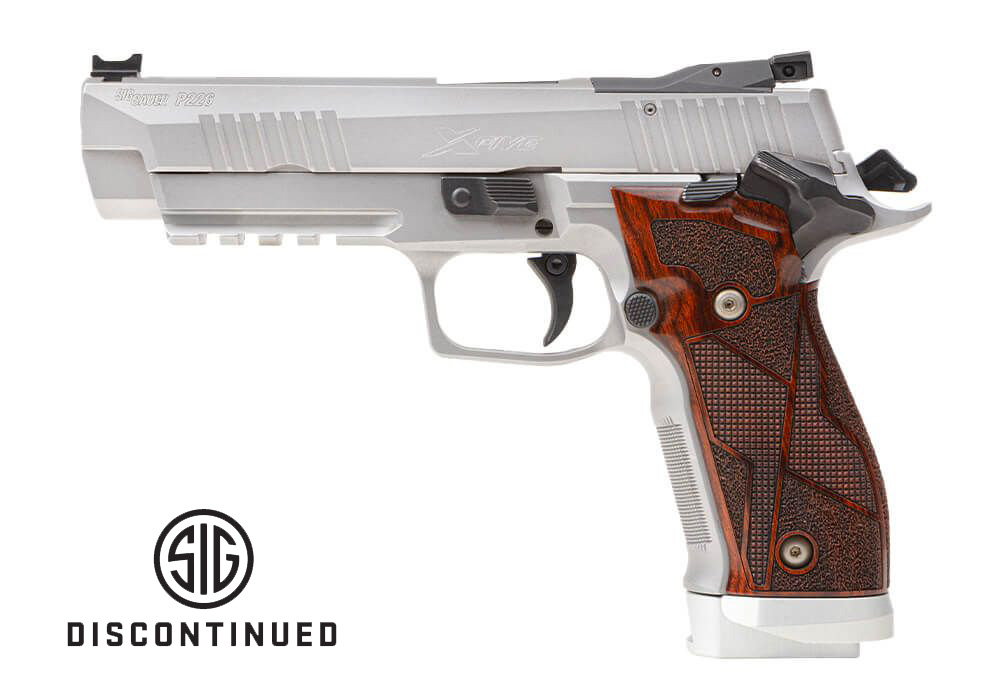
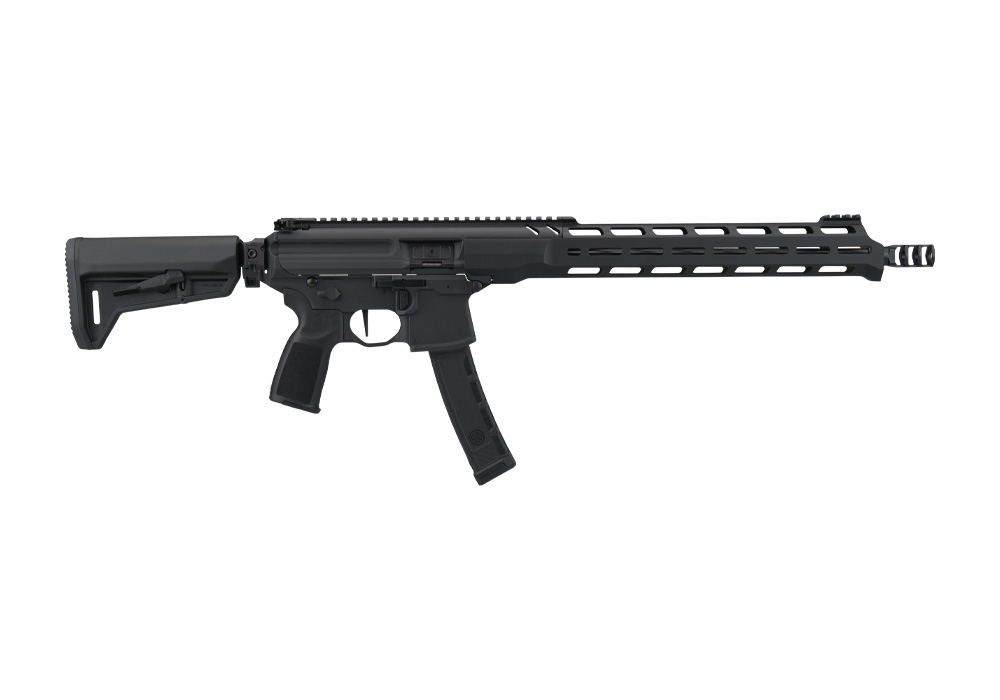
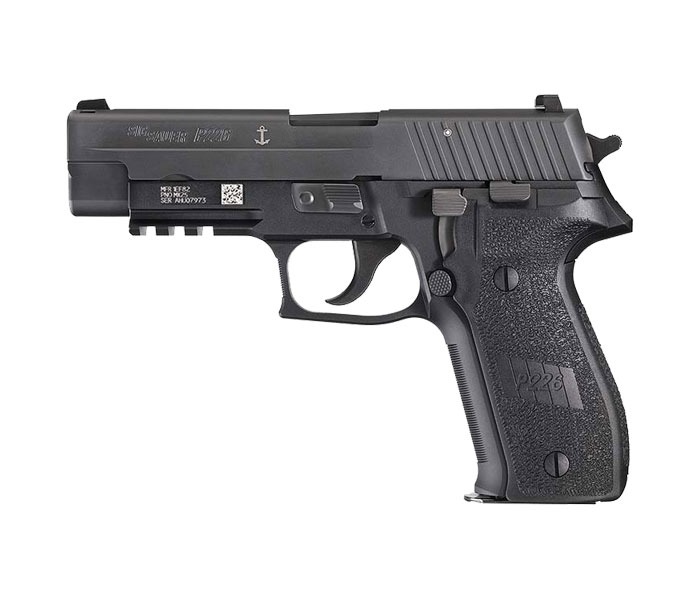
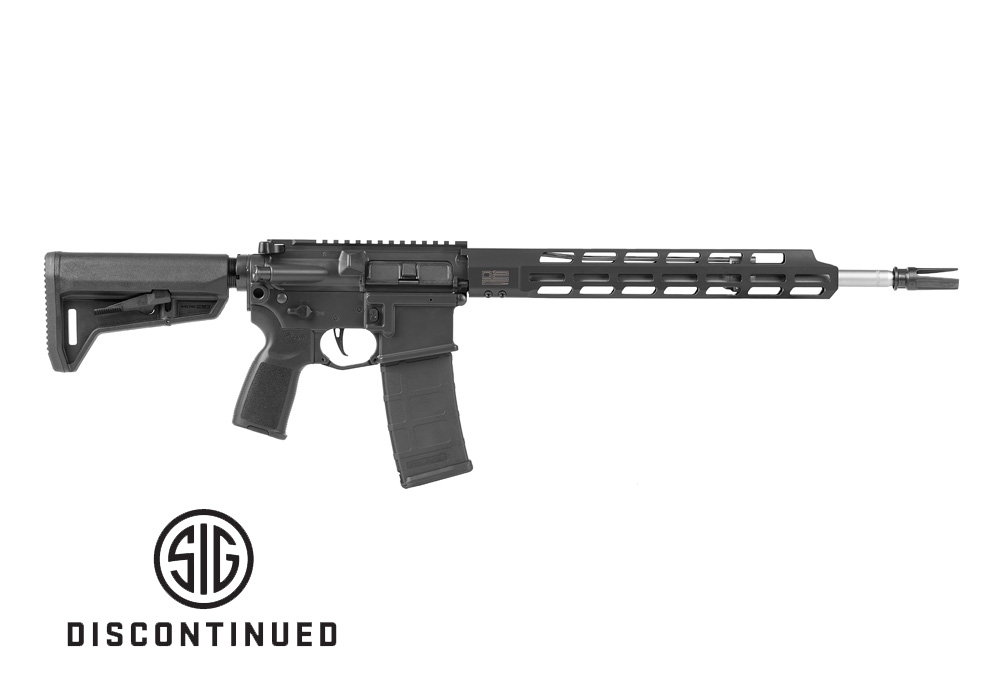
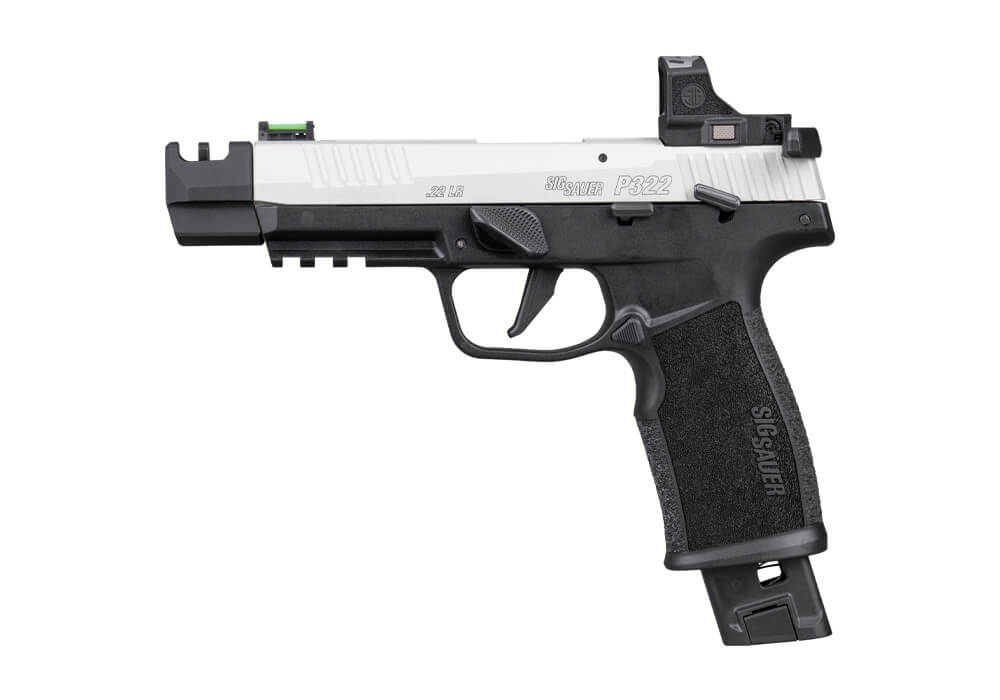
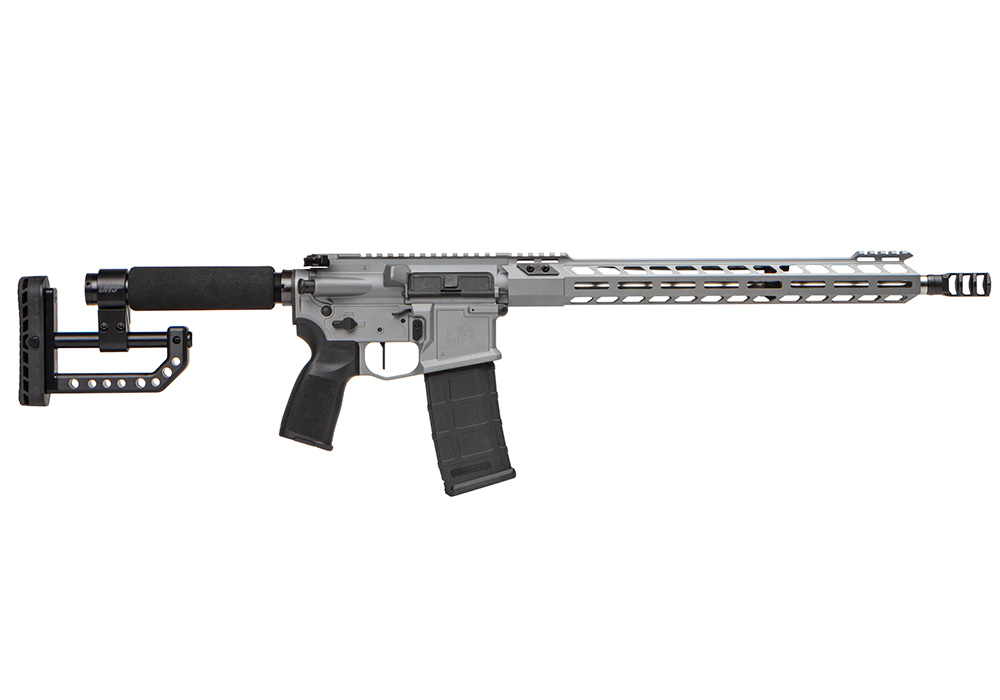
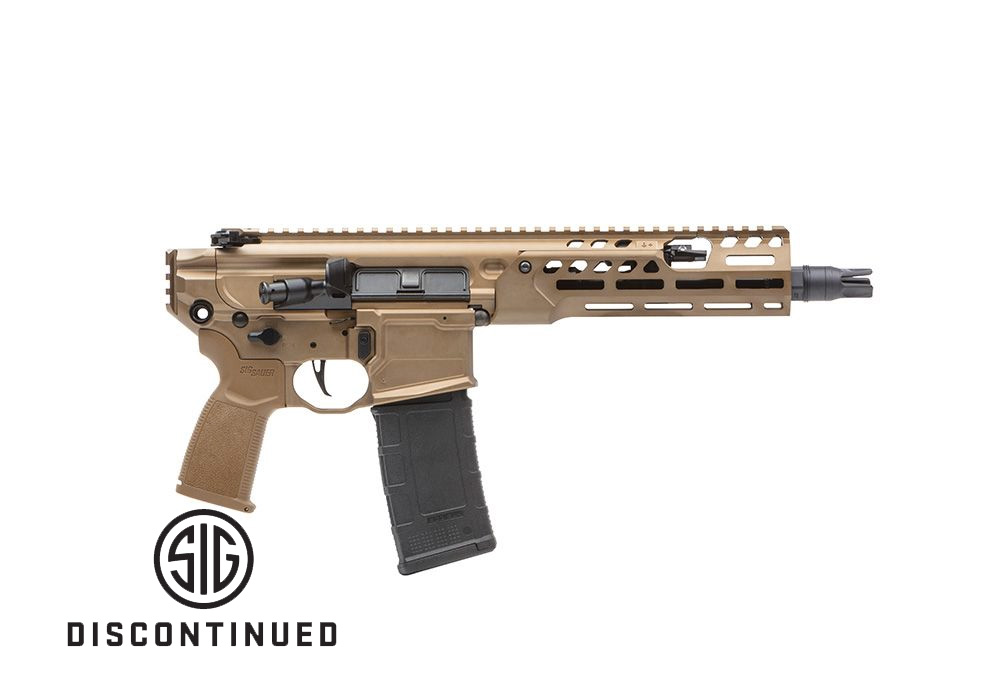
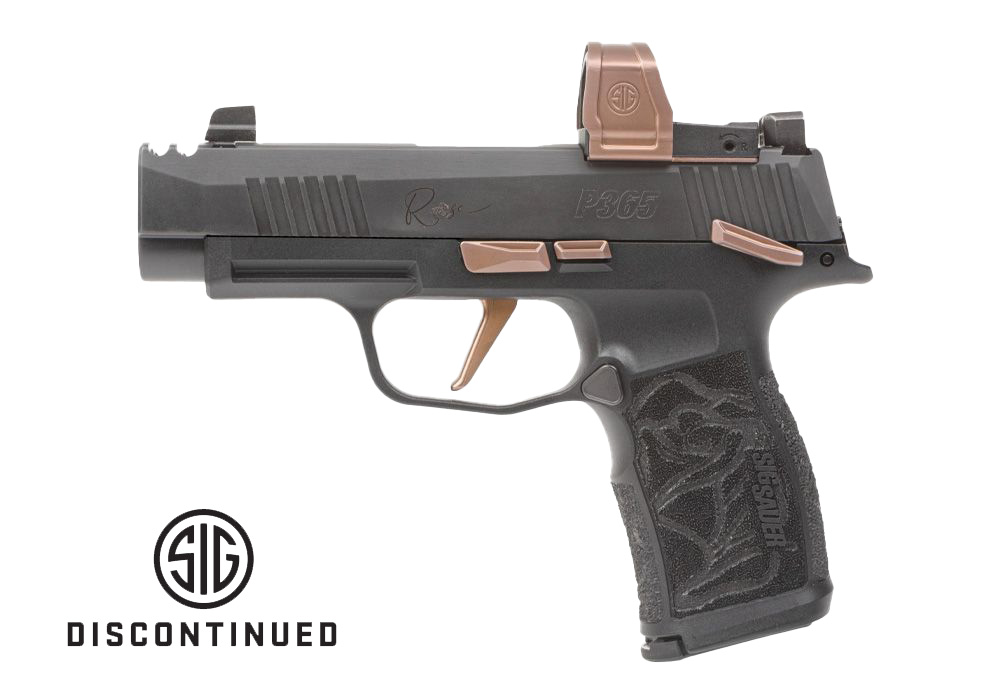
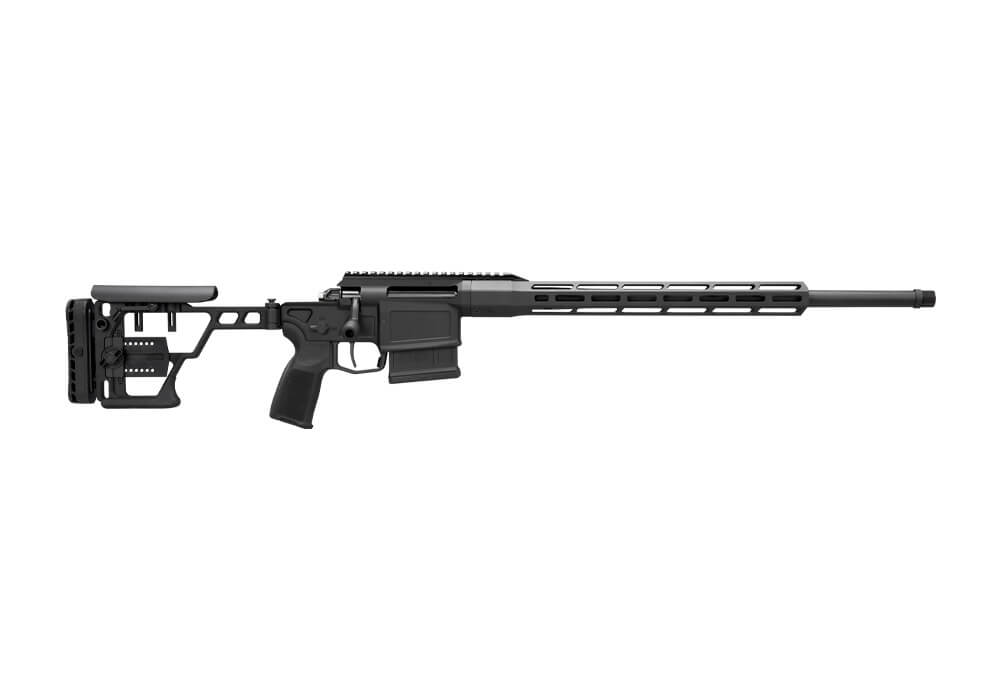
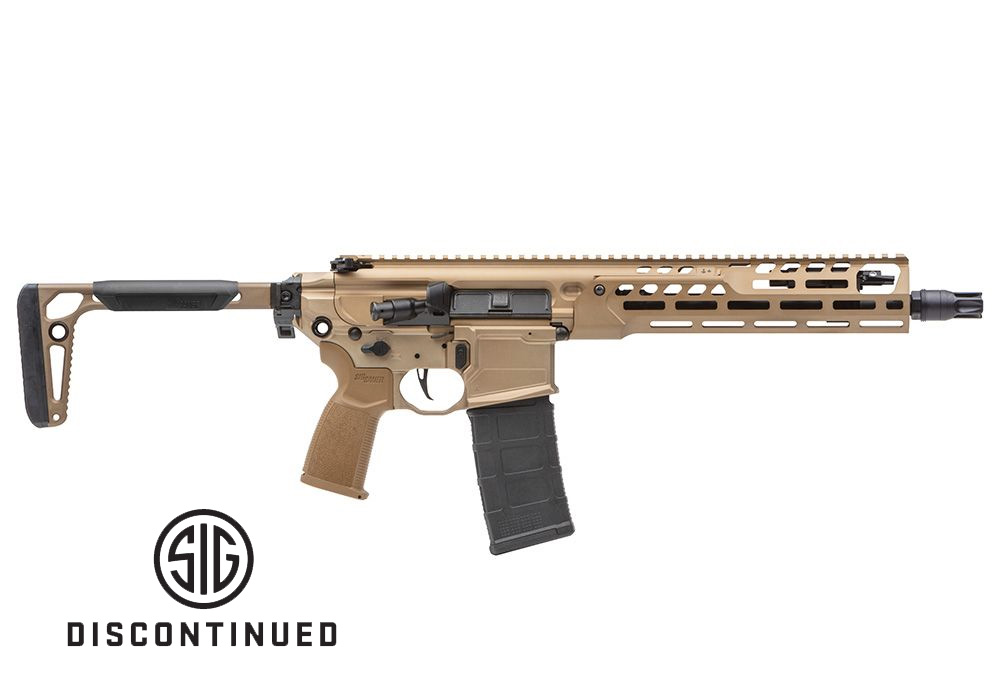
Firearms for shooting range enthusiasts include rimfire pistols and rifles for approachable target practice, centerfire handguns for regular training and organized competition, rifles for precision shooting, and shotguns for clay target sports. Each category supports a different kind of range experience, from an unhurried session with paper targets to the concentration of a sanctioned match. Rimfire firearms, commonly chambered in .22 LR, are often appreciated for their mild recoil and manageable report, although appropriate hearing protection remains essential. They can suit newcomers working with qualified instructors as well as experienced shooters who enjoy focused practice without the physical demands of larger chamberings. Centerfire pistols offer another familiar range experience, with configurations suited to recreational target shooting, structured instruction, and competitive disciplines. Full-size handguns often provide more room for the hands and greater weight than compact alternatives, characteristics that some shooters find comfortable during longer sessions. Rifles serve a broad range of interests, including casual target shooting from a supported position and the deliberate pace of precision competition. Their suitability depends on the firearm’s chambering, configuration, and the distances and activities permitted at the facility. Shotguns bring a different rhythm to the range through trap, skeet, and sporting clays, where moving targets and established shooting stations shape the experience. The right category depends less on a universal definition of a range firearm than on the activities a shooter genuinely enjoys. Someone who looks forward to an hour at an indoor pistol lane has different needs from someone who spends a morning at a clay course or attends organized rifle matches. Range rules, ammunition restrictions, and discipline requirements help define which configurations belong in each setting. For handgun-focused interests, Pistols for Shooting Enthusiasts offers a more focused category. Across these uses, comfortable handling, suitable dimensions, dependable function, and compatibility with the intended activity matter more than an extensive feature list.
Materials and fit influence how a range firearm feels over repeated visits. Steel contributes strength and weight, while aluminum alloys can offer structural rigidity with less weight in appropriate components. Polymer frames provide another balance of weight, shape, and durability. No single material is automatically best for every shooter; the complete design, chambering, and individual fit determine the experience. A heavier handgun may feel steadier to one person but tiring to another, especially during a lengthy supervised class. Grip shape, texture, and reach to the controls deserve attention because hands vary considerably in size and strength. A comfortable grip should not depend on an awkward stretch, and controls should be accessible without compromising safe handling. On long guns, stock dimensions and the relationship between the shoulder, hands, and sights affect comfort. A firearm that feels natural during a brief inspection may feel different over a full range session, making supervised rental experiences or professional instruction useful opportunities to evaluate fit where permitted. Sight systems also shape the experience. Clearly visible iron sights appeal to shooters who prefer a straightforward setup, while compatible optical sights can provide an alternative aiming reference for recreational or competitive use. Any sighting equipment must suit the firearm, the activity, and applicable rules. Trigger characteristics vary across firearm types, and a predictable feel can matter to shooters who value consistency; appropriate factory configurations and professional service help preserve the firearm’s intended operation. Durability involves more than surface appearance. Protective finishes, well-fitted components, and manufacturer-supported maintenance all contribute to long-term serviceability. Repeated handling, transport, and use can leave ordinary signs of wear, so access to inspection guidance and authorized service is worth considering alongside appearance. The best fit is a practical one: a firearm that matches the shooter’s physical needs, remains comfortable through the intended session, and suits the discipline without unnecessary complexity.
Regular range use also brings ownership considerations that extend beyond time on the firing line. Ammunition must match the firearm’s specified chambering and comply with the range’s rules; similar-looking cartridge names do not establish compatibility. Manufacturer instructions remain the reference for approved ammunition, inspection, cleaning, lubrication, and service intervals. Care requirements differ among designs and finishes, and excessive lubricant or unsuitable cleaning chemicals can create problems rather than prevent them. Routine care is best approached as part of responsible ownership, with firearms handled according to the manufacturer’s safety directions and ammunition kept separate during maintenance. A protective case helps shield surfaces and sights during transport, while secure storage restricts access by unauthorized people, particularly children. Transport and storage arrangements must also follow applicable laws. At the range, eye and hearing protection, clear communication with staff, and attention to posted procedures are essential parts of the experience. New shooters often benefit from qualified instruction before evaluating unfamiliar firearm types, while experienced enthusiasts may seek coaching when entering a different discipline. Organized events add another consideration: equipment permitted for casual practice may not meet a particular competition’s rules. Confirming those requirements helps keep the firearm aligned with its intended role. Comfort matters over time as well. A shooter who enjoys a few deliberate targets may value different handling characteristics from someone attending an extended class, and neither experience requires the most elaborate configuration. For a milestone gift, firearm selection is especially personal, with the recipient’s preferences, eligibility, and all applicable purchase and transfer requirements central to the decision. Lasting satisfaction usually comes from a clear match between the firearm and the experience: relaxed recreational shooting, continued instruction, the precision of measured target work, or the shared structure of a club event. A suitable range firearm supports that purpose with manageable handling, sound construction, straightforward care, and a configuration the owner can use responsibly and comfortably.