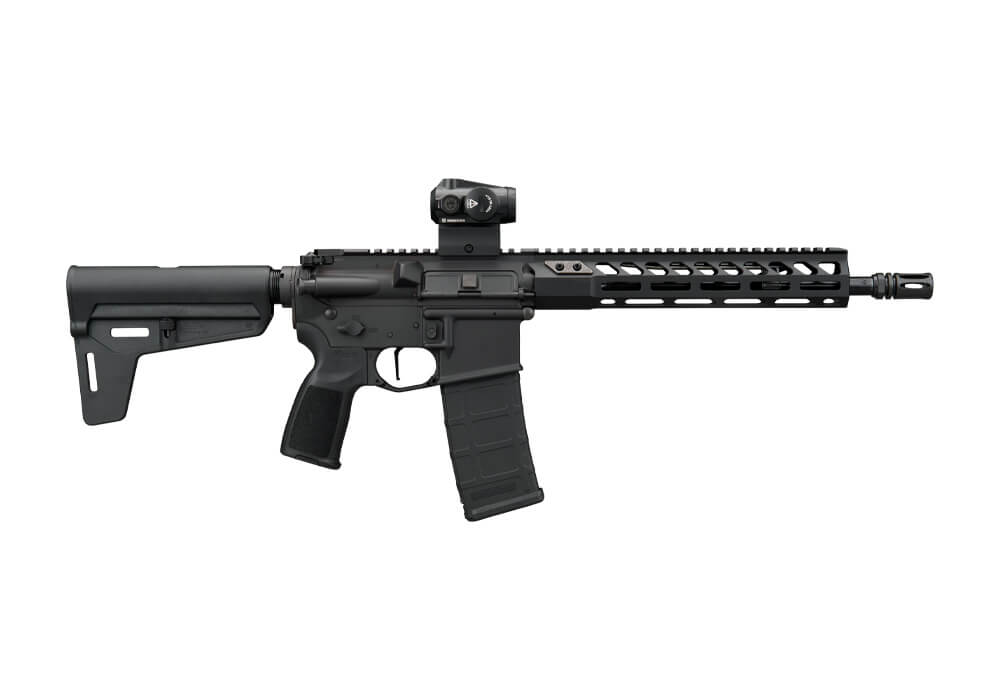
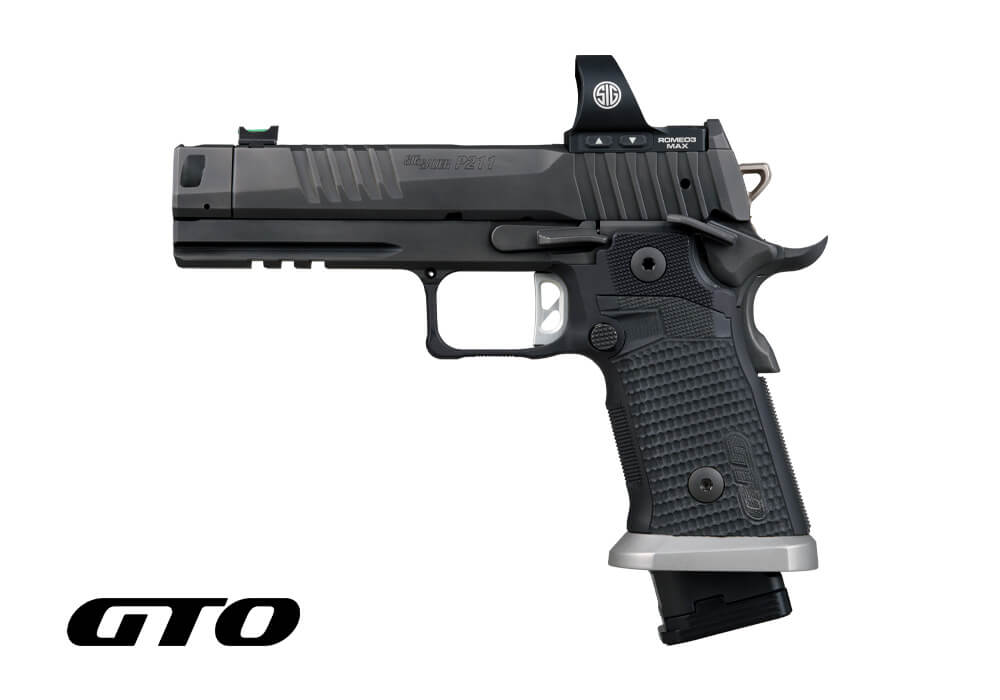
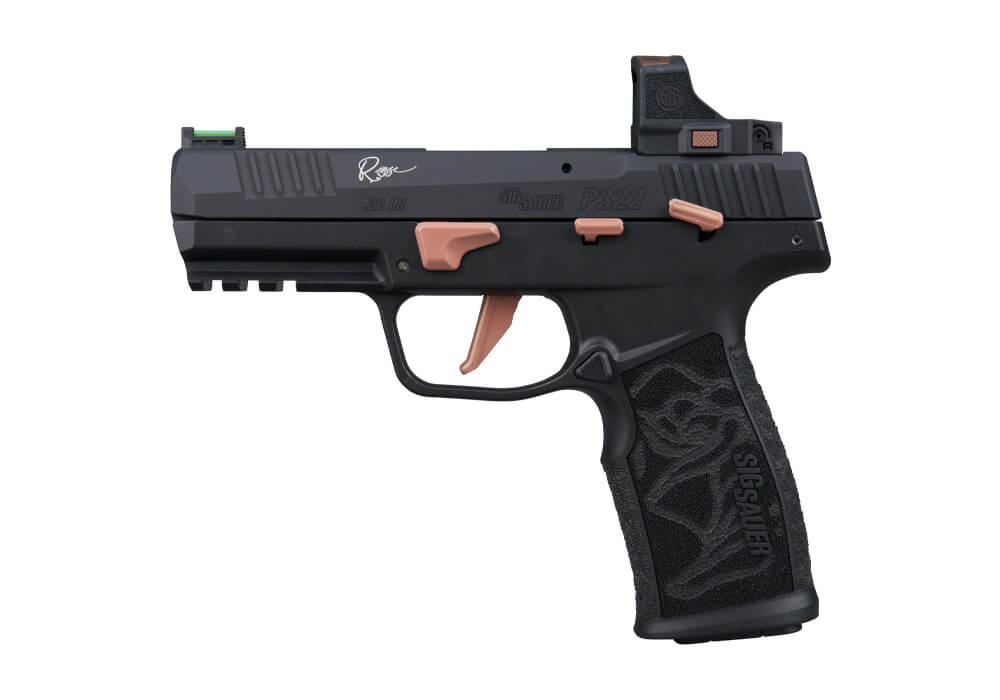
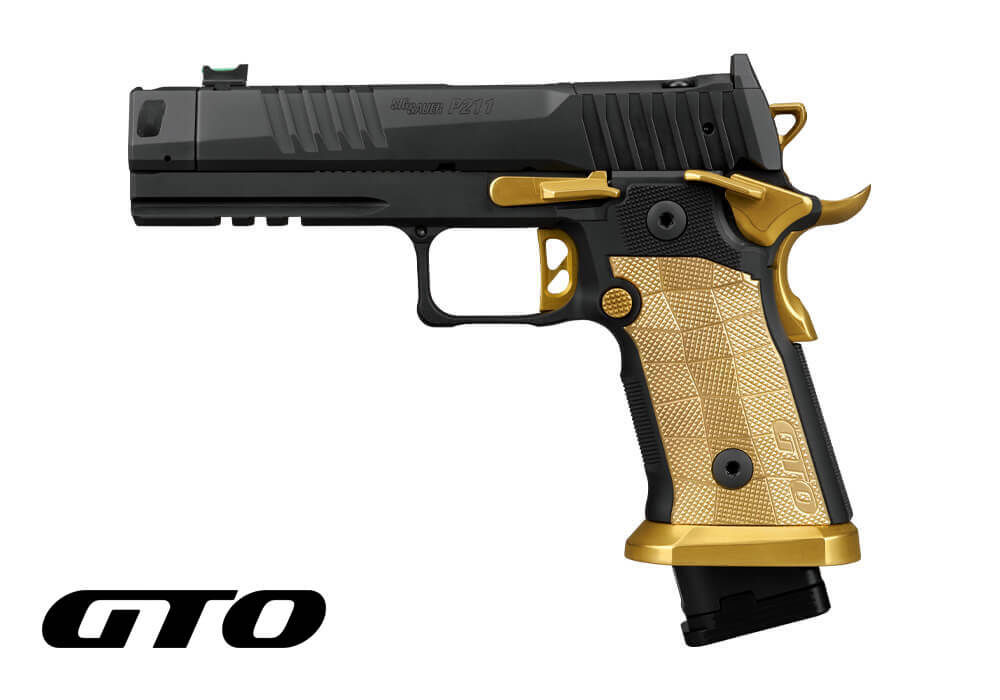
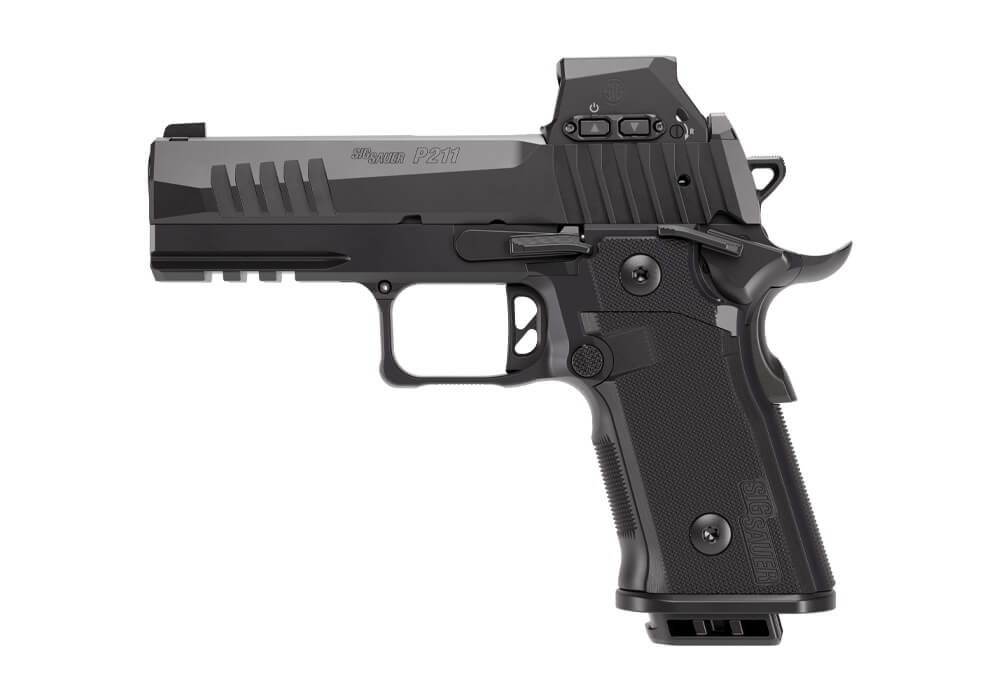
Firearms for competitive shooting are selected with a different set of priorities than firearms intended strictly for personal defense, field use, or casual plinking. A competition firearm should work as an extension of the shooter, helping them move between targets, manage recoil, recover the sights, and maintain a consistent grip through an entire stage. The best choice depends first on the discipline and division, since organizations establish specific requirements for firearm configuration, ammunition, optics, magazines, holsters, and other equipment. USPSA emphasizes speed, power, accuracy, and movement, while IDPA uses defensive-style stages with equipment and firearm rules intended to reflect practical scenarios. Other matches may focus on precision, timed accuracy, rimfire practice, rifle skills, or shotgun handling. Before purchasing, review the current rules for the division you plan to enter and confirm that the firearm’s barrel length, sighting system, trigger configuration, magazine format, and standard or extended capacity options are permitted. A firearm that performs beautifully in one division may place a shooter at a disadvantage—or fail to qualify—in another. New competitors often benefit from attending a local match, speaking with range staff, and observing how experienced shooters prepare their gear. The sights, controls, grip texture, balance, and trigger reach that feel natural during a short range session become especially important after several stages and repeated presentations from the holster.
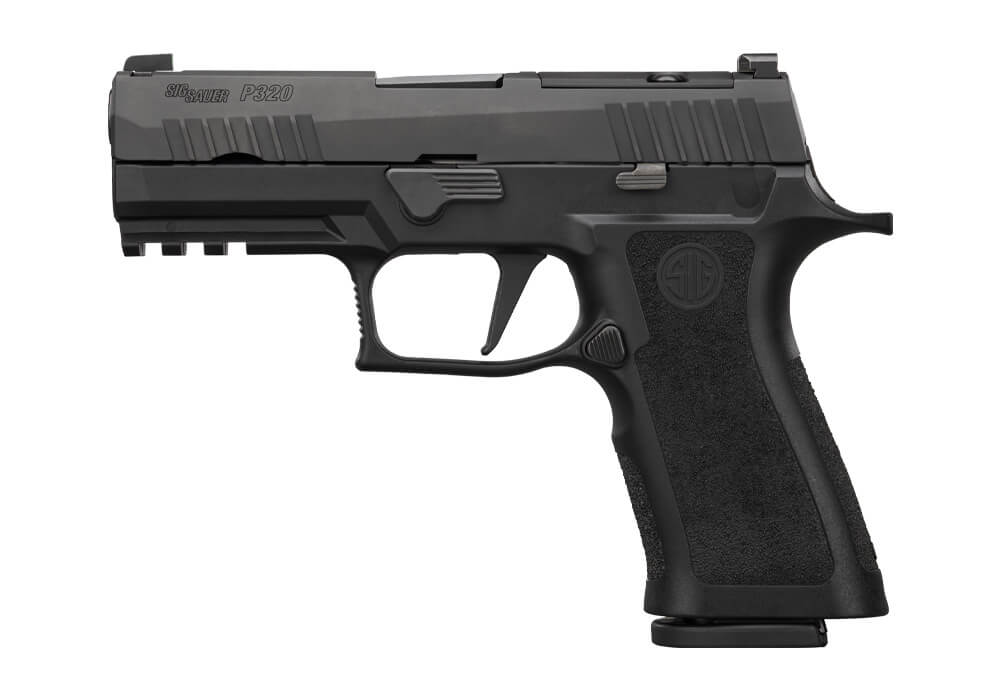
For many competitors, a 9mm semi-automatic pistol is a practical starting point because it offers manageable recoil, broad ammunition availability, and a balance of speed and control that suits a variety of match formats. A heavier frame can help reduce muzzle movement and make the sights return quickly, while a lighter design may be easier to carry between stages and more comfortable during long practice sessions. Trigger quality matters, but a predictable, well-defined trigger is generally more valuable than an extremely light pull that feels unfamiliar or requires unusual handling. Sight choice is equally personal. Traditional iron sights can build strong fundamentals and remain simple to maintain, while a slide-mounted optic can provide a clear aiming reference and support fast target transitions when the rules allow it. Controls should be easy to reach without shifting the firing grip, magazines should seat positively, and the firearm should cycle reliably with the ammunition used for training and competition. Fit deserves an honest assessment: a competitor with smaller hands may prefer a slimmer grip and shorter trigger reach, while another shooter may value a fuller grip that fills the palm during rapid fire. Try a comparable firearm at a supervised range when possible, and pay attention to whether the sights track naturally, whether recoil feels straight back or disruptive, and whether the controls can be operated safely while wearing the gloves or hand protection used in competition. A firearm can be technically capable yet still be a poor match if it encourages a tense grip, awkward wrist angle, or inconsistent presentation. Competitors should also budget for quality magazines, a secure holster where permitted, magazine pouches, eye and ear protection, a safe storage solution, and enough practice ammunition to establish reliable handling before entering a match.
The products in this collection can serve established competitors refining their equipment as well as newer shooters building a dependable setup around regular practice. They may also be appropriate gifts for an experienced shooter, provided the recipient’s preferences, match division, and local laws are understood in advance. Firearms should never be given as a surprise without confirming the legal transfer process and the recipient’s ability to possess them; a gift certificate, professional training session, range membership, or opportunity to choose the firearm personally can be a more considerate option when those details are uncertain. During the cooler months, indoor ranges and well-organized practice sessions can provide a comfortable way to work on grip pressure, sight alignment, reloads, movement, and shot cadence, while outdoor competitors can use changing conditions to improve their preparation and equipment checks. Keep a simple log of ammunition, malfunctions, practice drills, and match results. Small observations—such as a magazine that is difficult to seat under pressure or a front sight that disappears against a particular target background—can guide useful adjustments before the next event. Clean and inspect the firearm according to the manufacturer’s instructions, replace worn components through qualified service channels, and transport and store it in compliance with applicable law. Shooters looking for a firearm suited to practice outside formal matches may also explore Firearms for Shooting Range Enthusiasts. With the right division, a comfortable fit, reliable ammunition, and consistent coaching, a competition firearm becomes more than equipment on a bench; it becomes a dependable tool for building focus, confidence, and repeatable performance one stage at a time.