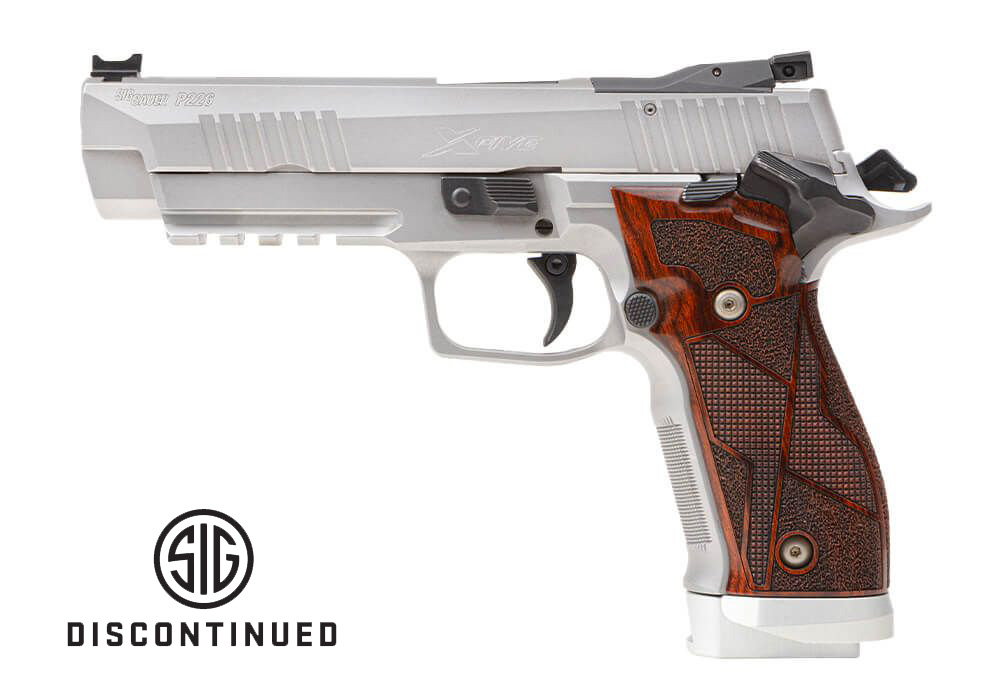
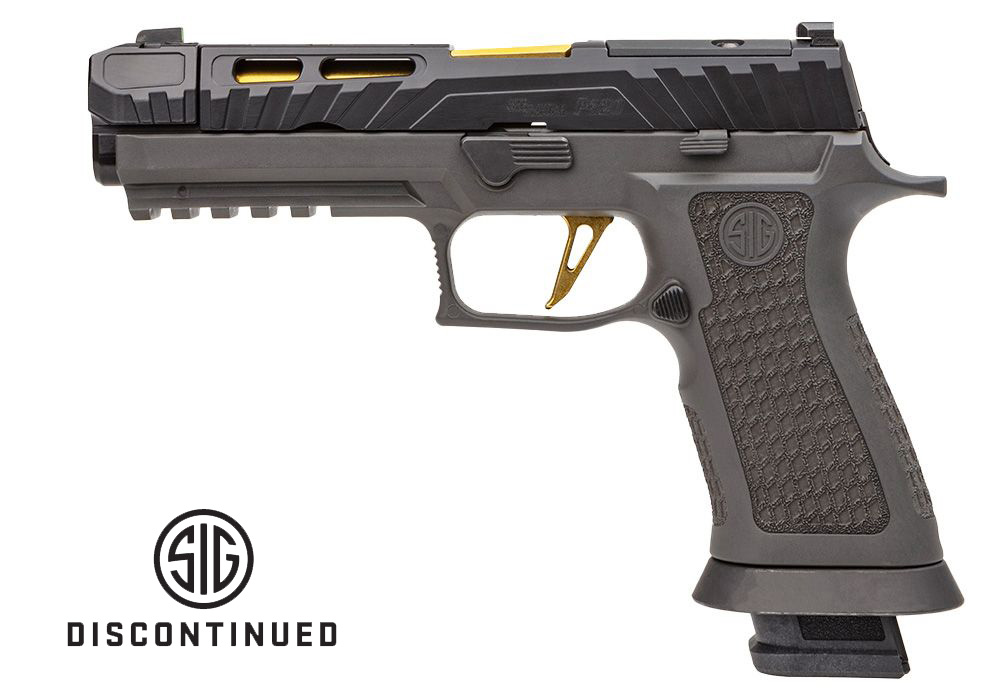
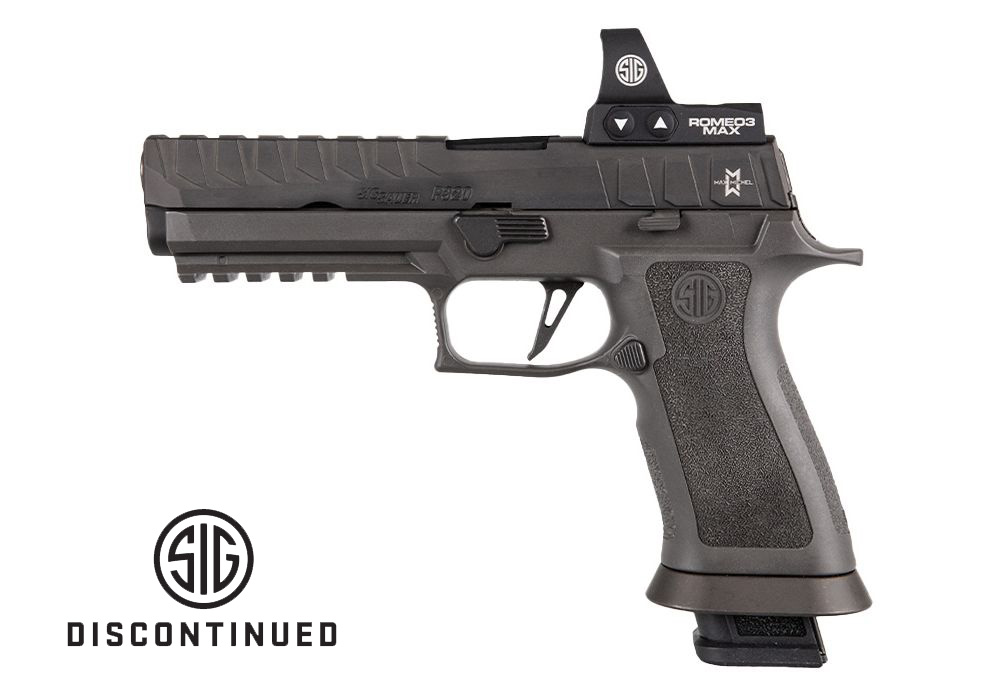
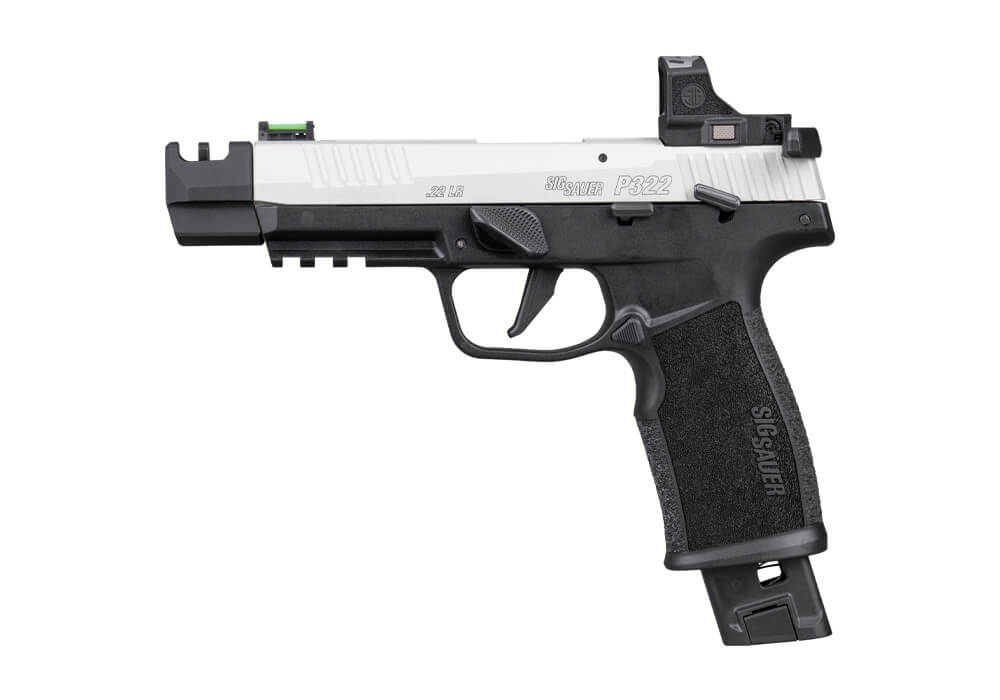
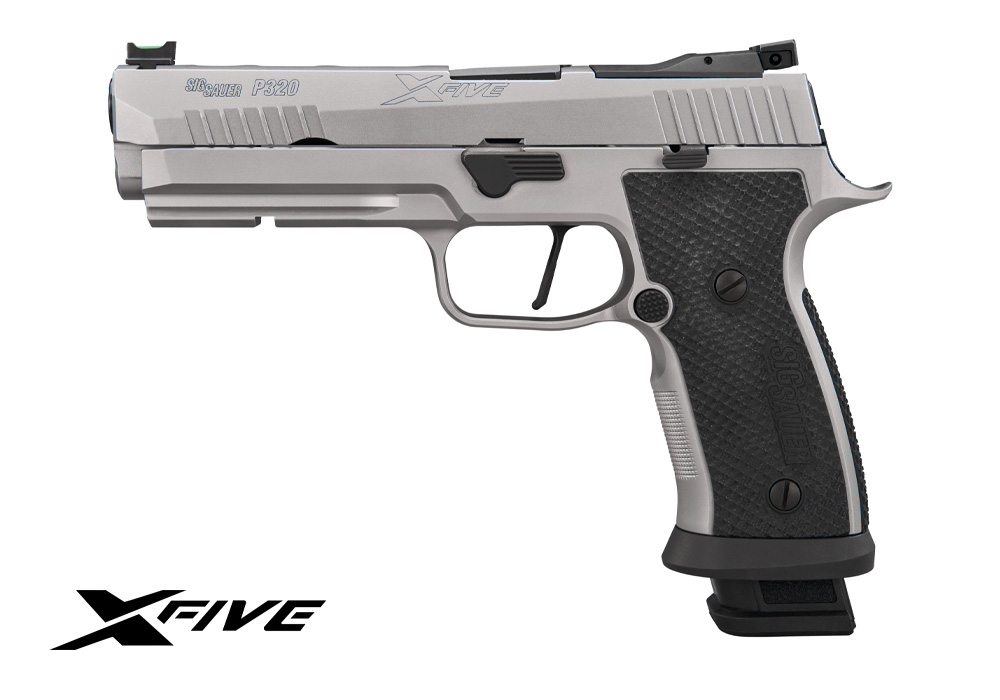
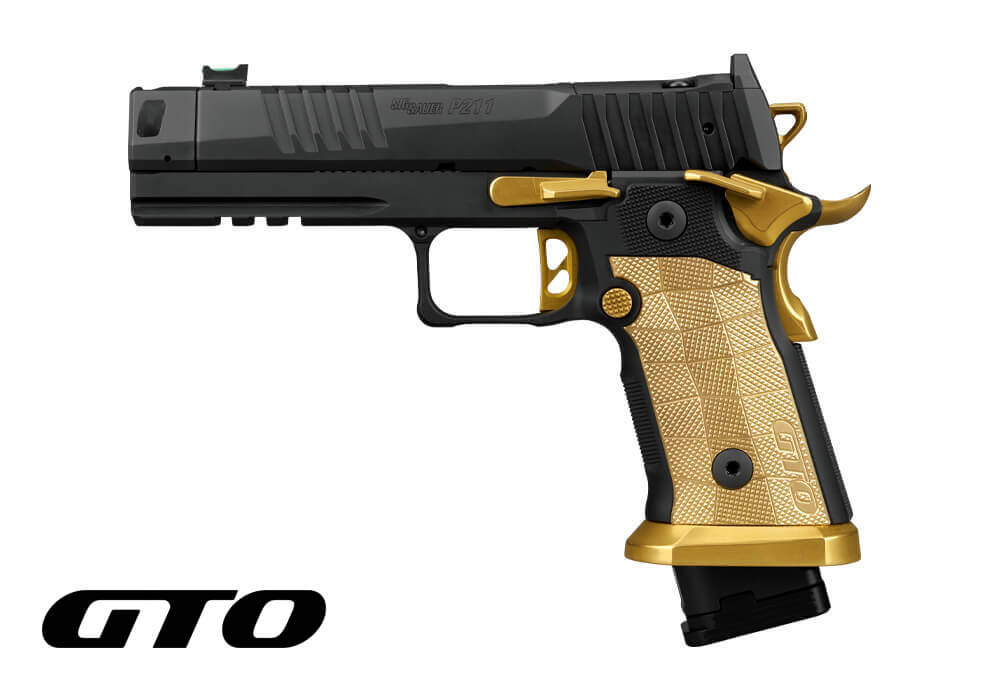
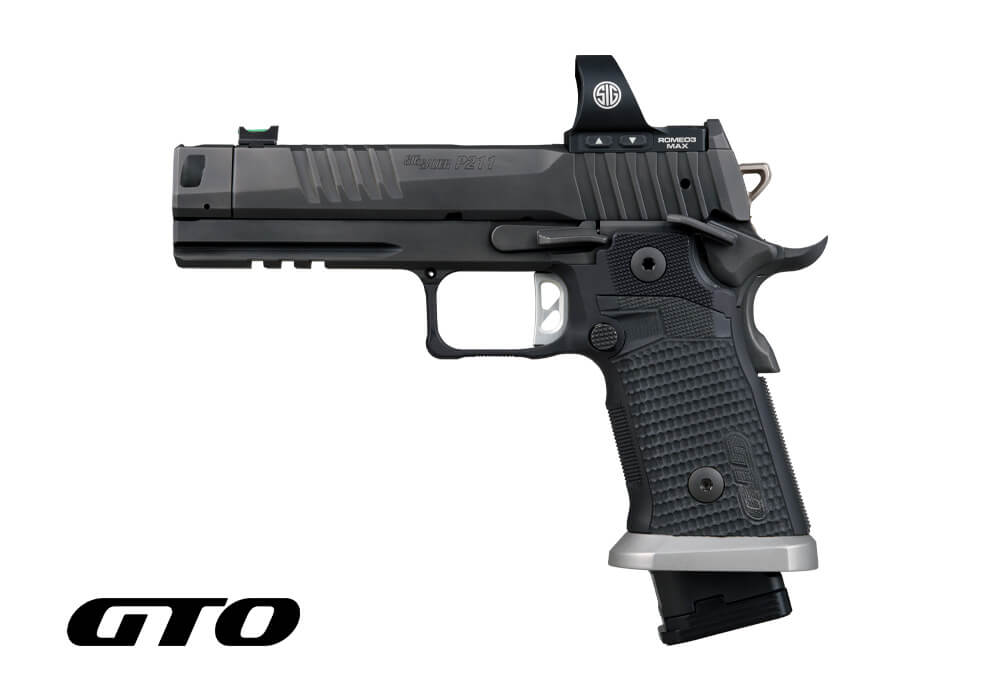
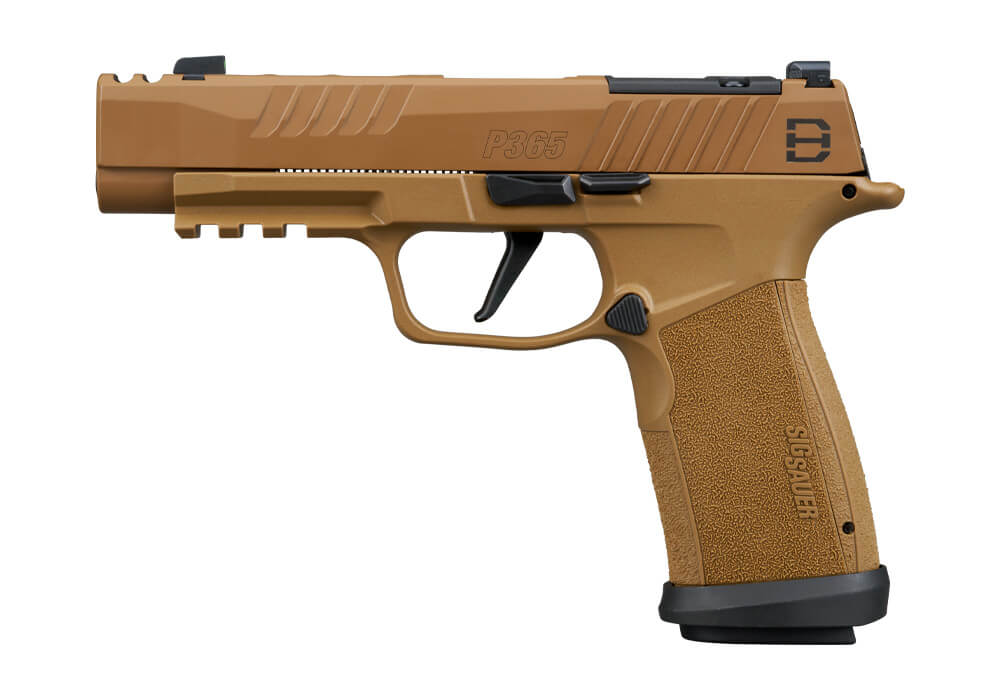
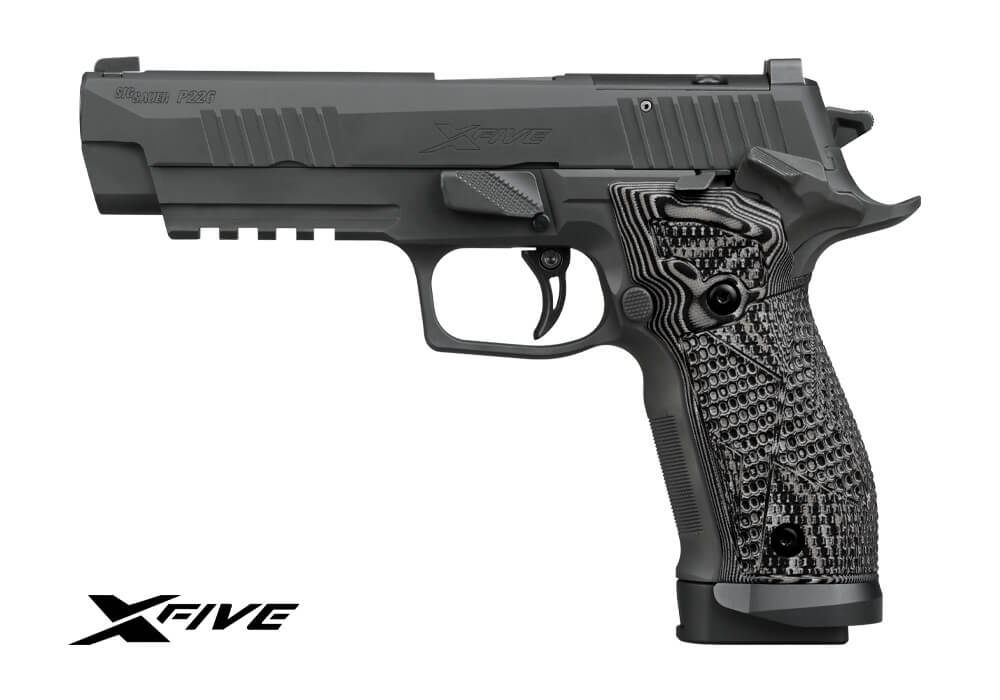
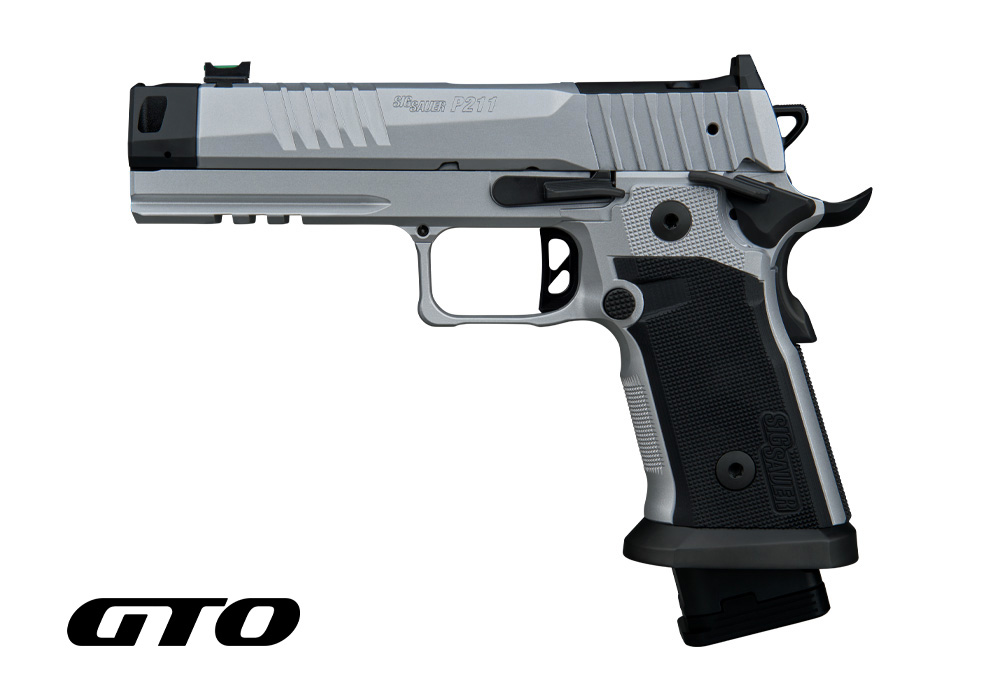
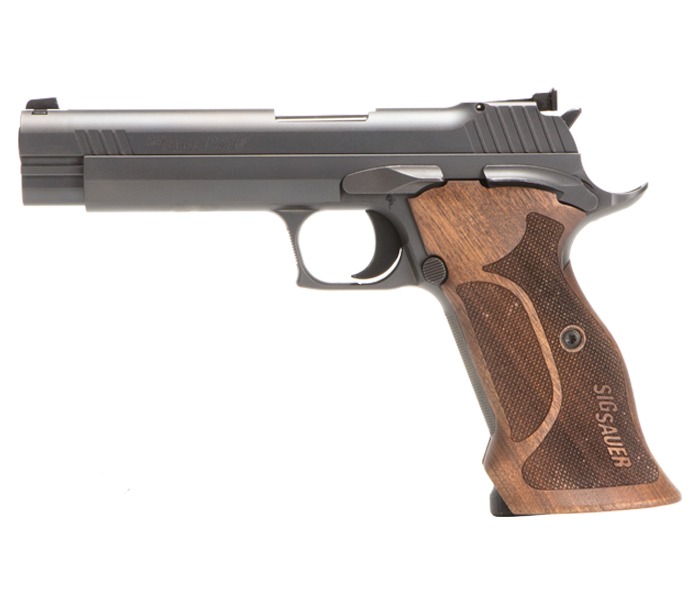
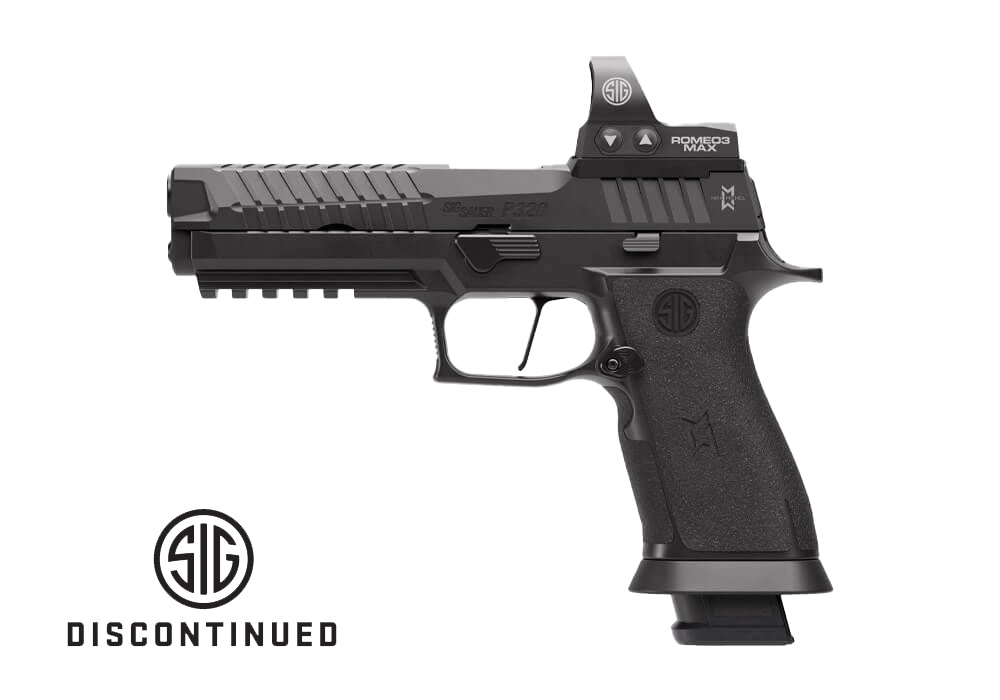
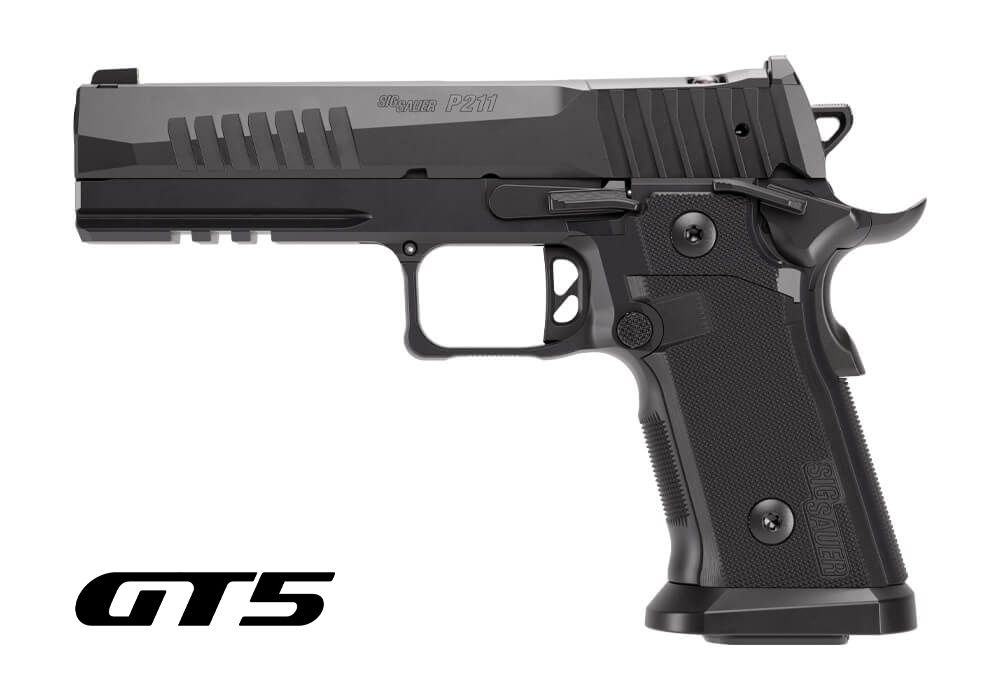
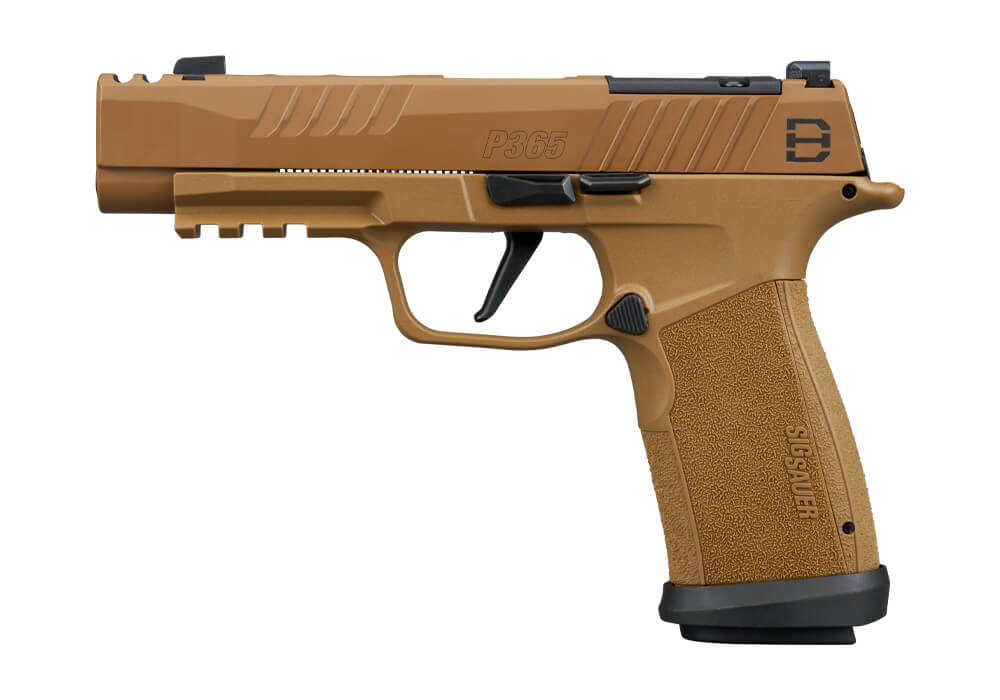
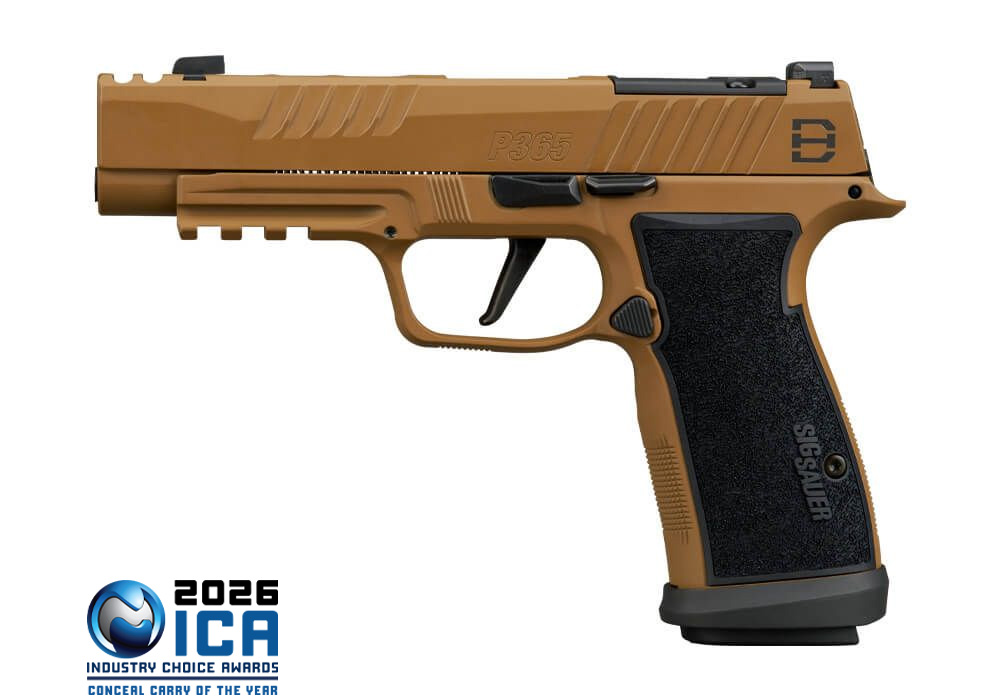
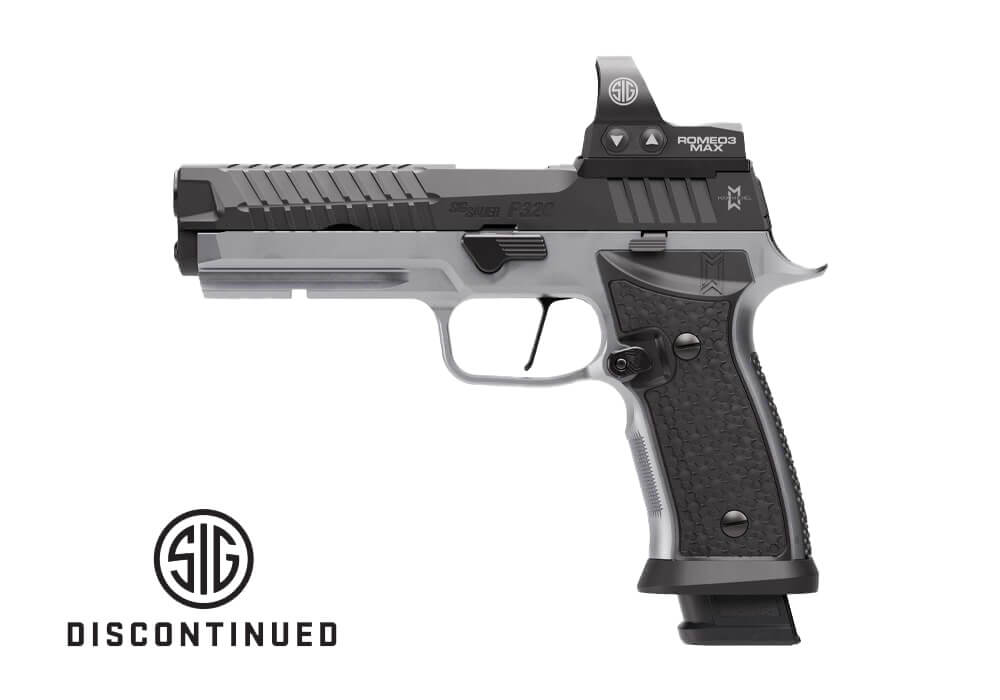
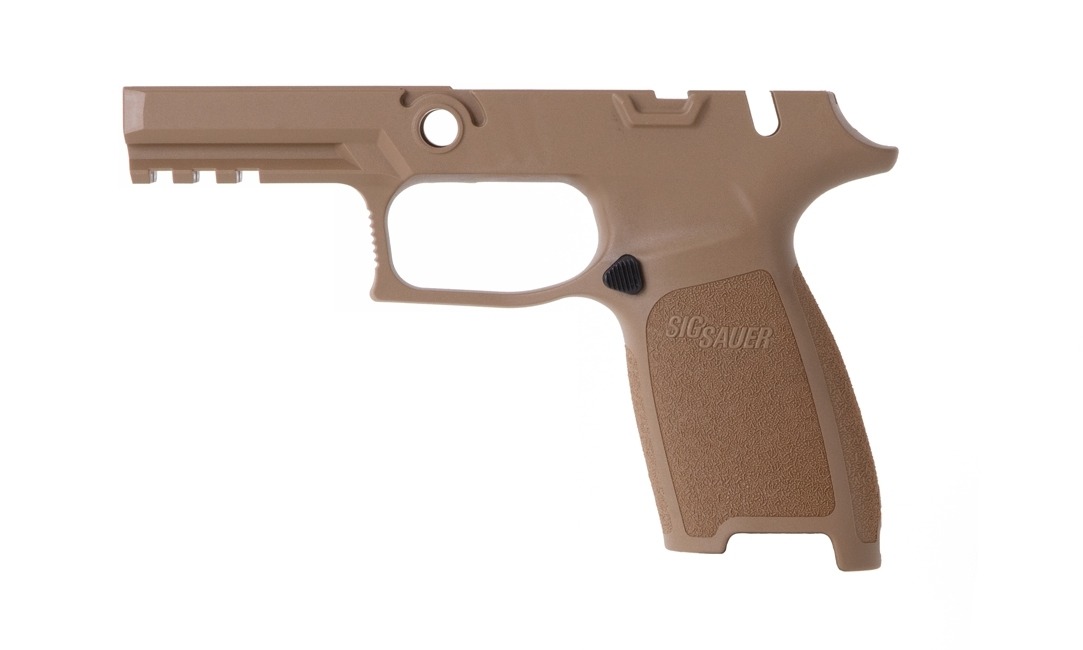
Handguns for fall shooting competitions are selected with a balance of speed, control, reliability, and match-division rules in mind. As cooler weather settles in and outdoor ranges take on crisp air, changing light, and firmer footing, competitors often look for a handgun that feels consistent from the first stage to the last. The right choice depends on the discipline, classification, and equipment rules involved, whether you participate in USPSA, IDPA, Steel Challenge, or another organized format. A competition handgun should point naturally, track smoothly between targets, and return to the aiming point quickly after each shot. Frame weight, grip shape, sight radius, trigger design, barrel length, and recoil characteristics all influence that experience. Heavier steel-frame handguns can provide a steady feel and help soften movement during rapid strings, while polymer-frame options may be easier to carry between stages and more comfortable for shooters who prefer a lighter setup. A longer slide and barrel can support a longer sight radius and a stable presentation, while a compact configuration may feel faster and less tiring during extended practice. Shooters should also consider whether they prefer a hammer-fired or striker-fired operating system, as each offers a distinct trigger feel and method of preparation. An adjustable rear sight, fiber-optic front sight, or optic-ready slide can help competitors adapt to varied target distances and lighting conditions. During the cooler months, gloves, layered clothing, and reduced daylight may also affect how a handgun fits the hand and how quickly controls can be reached, making a familiar grip and clear sight picture especially valuable.
Division requirements should guide the search before individual features take priority. In Production divisions, competitors typically favor practical configurations with conventional sights and a balanced combination of accuracy, controllability, and dependable operation. Carry Optics divisions call for a handgun that can support a slide-mounted reflex sight while preserving a clean draw, secure grip, and unobstructed view of the target. For Limited and Open Optics competition, shooters may place greater emphasis on a race-oriented platform, extended sighting solutions, compensator compatibility where permitted, and a frame that remains steady during fast transitions. Steel Challenge rewards rapid target acquisition and efficient movement between plates, so a crisp trigger reset, predictable recoil, and a natural index can be particularly helpful. IDPA equipment rules may place more emphasis on practical carry dimensions and concealment, while USPSA stages can reward a setup tuned for high-volume movement and rapid target engagement. Review the current rules for the division before choosing a handgun, because details involving optics, magazine length, holsters, external modifications, and standard or extended magazine size can affect eligibility. A competition-focused handgun should also be paired with a secure belt and holster designed for the selected ruleset, magazines that feed reliably, a magazine pouch arrangement that supports smooth access, and eye and ear protection suited to long range sessions. Responsible storage and transport remain essential, including a locked container, separate ammunition storage where appropriate, and careful adherence to local laws and range policies. New competitors may benefit from renting or borrowing comparable configurations at a supervised range before committing, while experienced shooters often appreciate a platform that allows gradual refinement through grip panels, sights, springs, and other approved components.
These handguns can serve a wide range of shooters, from someone entering a first local match to a seasoned competitor refining stage times through the cooler seasons. A beginner may value a forgiving, full-size setup with manageable recoil and straightforward controls, giving them room to focus on stance, sight alignment, movement, and safe handling rather than chasing specialized equipment. An experienced shooter may seek a more precise trigger, faster reset, enhanced optic compatibility, or a frame profile that supports a consistent grip under pressure. For a thoughtful gift, a competition handgun may suit an adult family member or range partner who already participates in organized shooting and has a clear understanding of the division they want to enter; because fit, legal requirements, and personal preference vary so widely, gift buyers should involve the recipient and complete every required purchase step through an authorized retailer. Many competitors also use the same handgun for practice sessions, informal steel matches, and structured training, building confidence through repetition as the sun sits lower and range conditions change. Those who want a lower-noise practice option for fundamentals can explore Air Pistols For Fall Shooting Sports, which can support work on presentation, sight alignment, trigger control, and follow-through where permitted. Before a match, inspect the handgun, magazines, sights, optic mounting hardware, and holster; confirm that controls operate as expected; and test the complete setup during practice rather than introducing unfamiliar changes at the firing line. A dependable competition setup is less about chasing a single celebrated configuration and more about finding a handgun that fits the shooter, complies with the rules, and performs predictably through every stage.