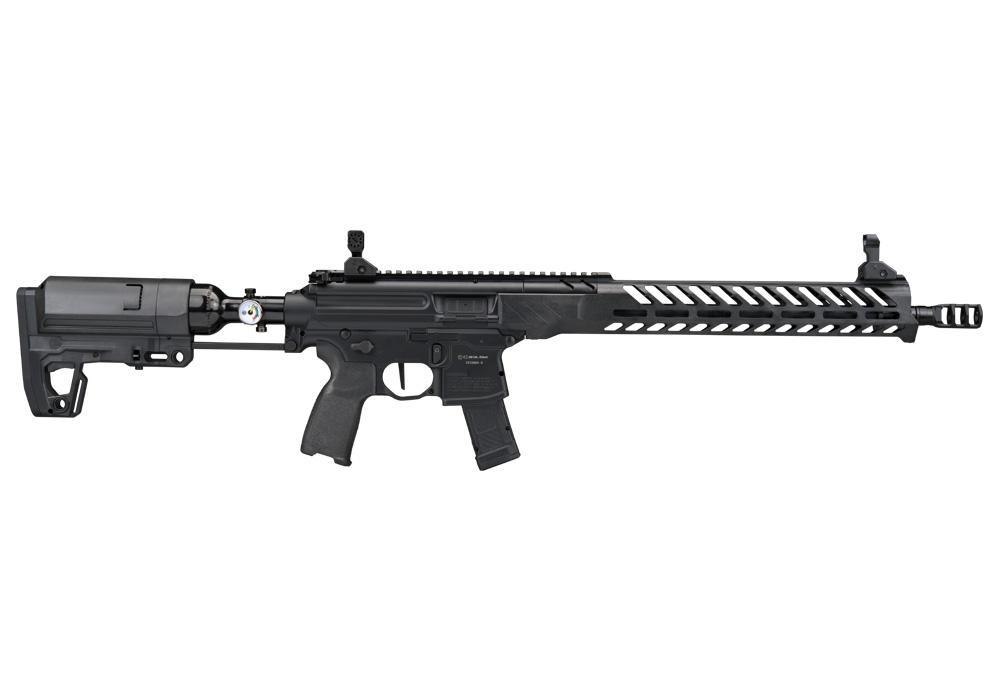
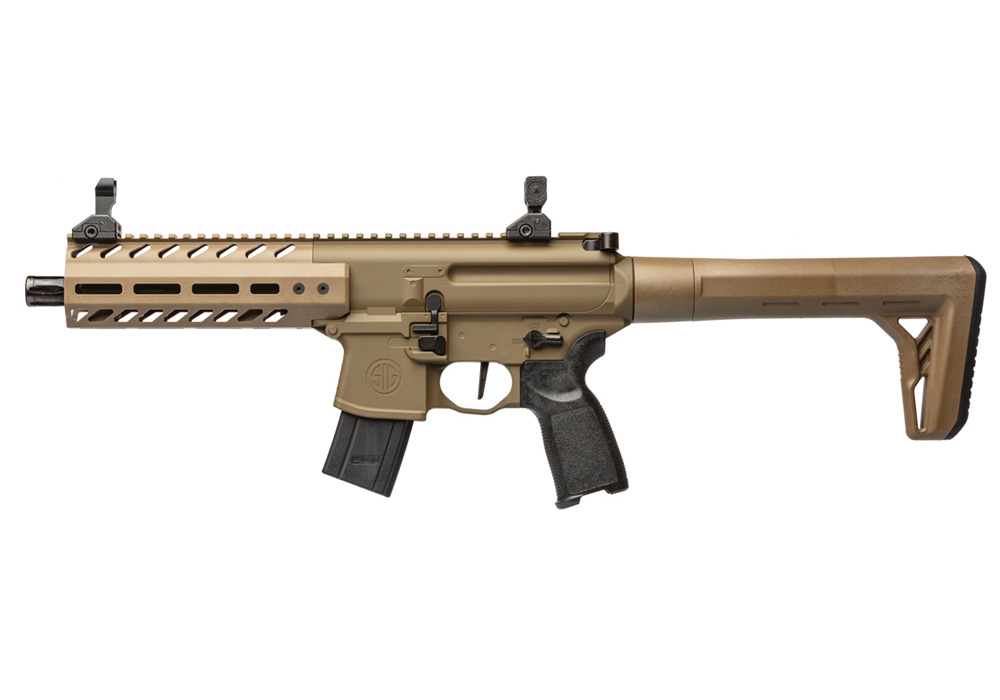
Air rifles selected for fall shooting competitions can serve a wide range of disciplines, from quiet 10-meter indoor matches to outdoor field target, benchrest, and three-position events. The right choice begins with the rules of the competition, because a rifle suited to a standing precision course may be very different from one configured for supported long-range shooting. Formal 10-meter events commonly favor .177 caliber rifles and emphasize repeatable accuracy, refined balance, and a low, predictable shot cycle. Outdoor disciplines may allow .22, .25, or .30 caliber options, where pellet or slug selection, wind conditions, target distance, and energy limits play a greater role. Pre-charged pneumatic, or PCP, systems are popular with experienced competitors because a regulated air supply can provide consistent velocity from shot to shot with minimal recoil. That consistency is especially valuable during the cooler months, when changing temperatures, shifting breezes, and shorter daylight can make a familiar course feel completely different from one practice session to the next. Spring-piston and single-stroke pneumatic rifles can also have a place in training and entry-level sporter competition, particularly for shooters who appreciate a self-contained setup. When reviewing the products listed here, consider the specific class, course of fire, and equipment rules before focusing on features. A rifle that feels perfectly balanced from a standing position may not be the best fit for a benchrest setup, while a lightweight sporter can be an excellent introduction for a junior competitor learning safe handling, sight alignment, breathing control, and follow-through. For a family member or new shooter receiving an air rifle as a gift, a straightforward platform with manageable operation, accessible controls, and room to grow can make practice more enjoyable and help build good habits from the beginning.
Trigger quality and stock adjustability deserve close attention when choosing an air rifle for competition use. A crisp, adjustable two-stage trigger allows a shooter to establish a consistent first-stage take-up before applying deliberate pressure to the second stage, which can reduce disturbances at the moment of release. Trigger settings should always be adjusted conservatively and verified in accordance with the manufacturer’s instructions and applicable competition rules. A stock with an adjustable cheek riser, butt pad, grip, or fore-end can help align the eye naturally with the sights or optic while supporting a repeatable stance. Those details become apparent during a long practice session: the right cheek height keeps the head relaxed, a properly positioned butt pad settles into the shoulder without shifting, and a stable hand stop or palm support can make the rifle feel like an extension of the body rather than something being held in place. Standing, kneeling, prone, and benchrest positions each place different demands on balance and support, so examine the adjustment range as carefully as the rifle’s advertised accuracy. Weight distribution also matters. A slightly forward-balanced rifle may settle well on a rest, while a more neutral balance can feel easier to manage during standing stages. Look for durable sights or a compatible optic system, a solid mounting interface, and controls that can be operated without breaking position. Air management is another important consideration for PCP users. Confirm the rifle’s fill pressure, usable shot count, regulator design, gauge arrangement, and compatibility with the air source available at home or at the range. A dependable hand pump, compressor, or filled air cylinder can be just as important to a match-day setup as the rifle itself. Keep pellets or slugs protected from deformation, and test the chosen ammunition at the distance and temperature where the rifle will be used. Even a carefully tuned setup can respond differently to ammunition changes, so consistency in projectile weight, fit, and lot selection is worth preserving.
Preparation for a fall competition is often as much about dependable routine as equipment. Before heading to the range, inspect the rifle, confirm that the action is clear, check fasteners and mounts, and review the event’s rules for caliber, power, optics, rests, shooting clothing, and air-filling procedures. Eye protection, a safe backstop, and strict muzzle awareness remain essential, even with lower-powered airguns. At an outdoor course, a notebook can help record temperature, wind direction, sight settings, fill pressure, and ammunition performance; a few lines written after each session may reveal patterns that are easy to miss from memory. During a cool morning practice, for example, a shooter may notice that the first group settles differently as the rifle and air supply reach a stable temperature, or that a crosswind affects exposed targets more than sheltered ones. These observations can guide equipment selection without replacing hands-on testing. Choose clothing that allows a full range of movement and layers comfortably for changing conditions, while avoiding anything that interferes with the stock or trigger hand. Hearing protection may still be appropriate around mixed-use ranges, and a compact case, spare seals, approved tools, targets, and a stable shooting mat can simplify the day. Air rifles can also be a thoughtful gift for a responsible adult, a junior athlete enrolled in a supervised program, or an experienced shooter looking for a focused way to practice fundamentals between larger matches. New competitors may benefit from beginning with coaching and structured range time rather than immediately pursuing maximum adjustability or power. Experienced shooters may prioritize fine stock fitting, a match-grade trigger, a regulated PCP action, or a configuration that can be tuned to a particular course. Shooters who also compete with other platforms can browse Handguns for Fall Shooting Competitions for equipment suited to a different match format. Across every discipline, the most useful air rifle is the one that complies with the event, fits the shooter naturally, produces dependable results with carefully selected ammunition, and encourages steady practice as the weather changes from warm afternoons to crisp range days.