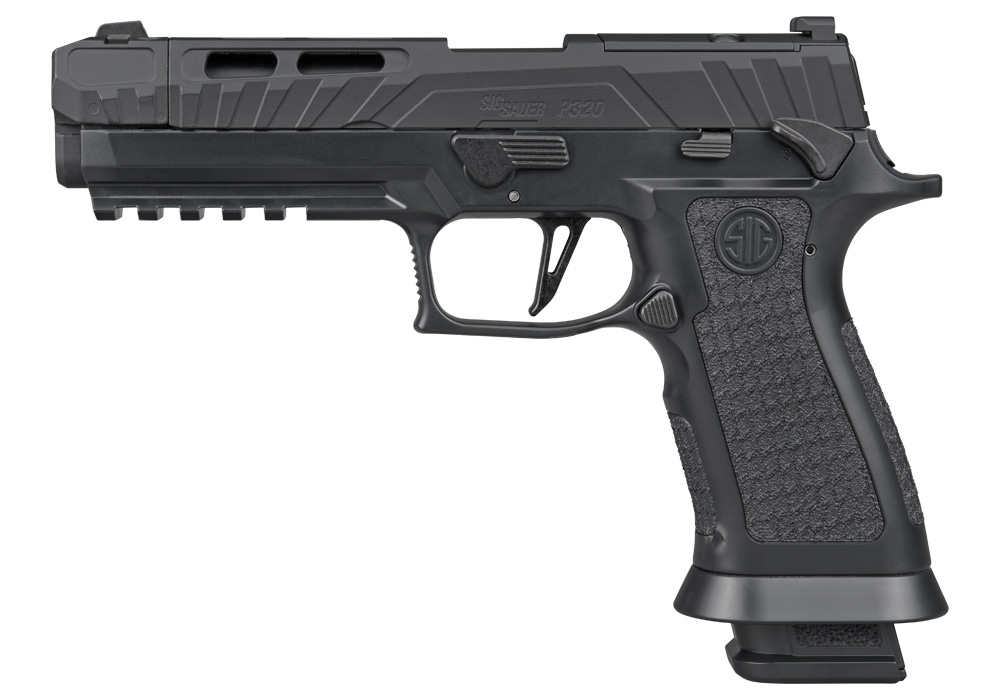
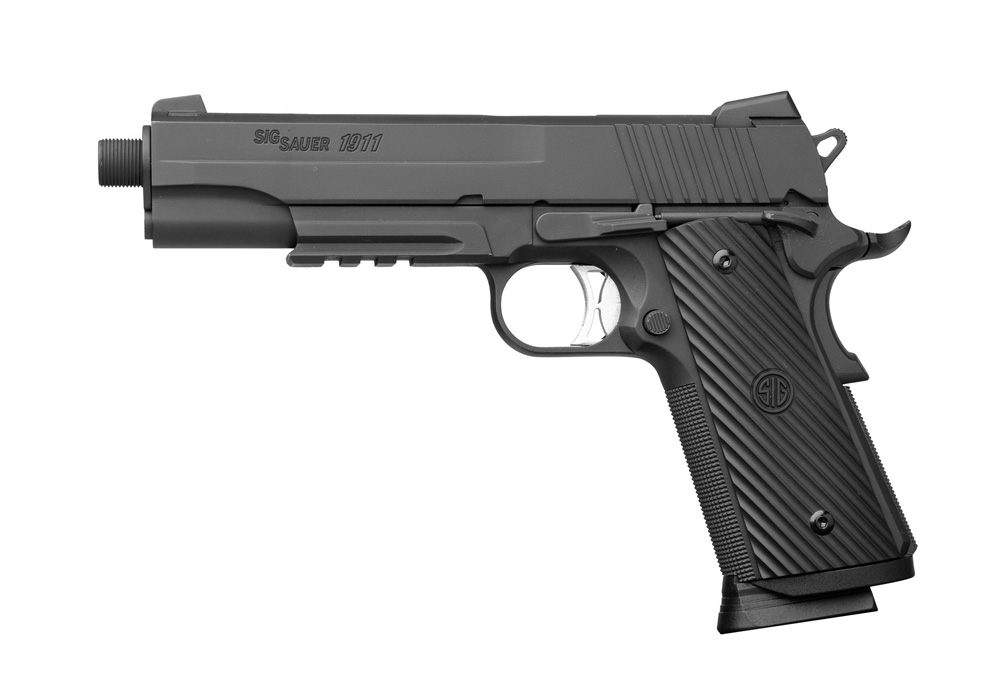
Air pistols are a practical choice for fall shooting sports, offering a convenient way to keep practicing as the weather shifts from warm afternoons to cooler outdoor sessions. Their relatively quiet report, modest operating cost, and broad range of designs make them useful for formal target practice, backyard plinking where permitted, indoor range use, and action-oriented drills. A .177-caliber pellet pistol is often selected for precision work and 10-meter-style training because the caliber is widely supported and suited to paper targets, while BB pistols can provide an accessible option for recreational shooting and realistic handling practice with appropriate targets. Before choosing a model, consider the type of shooting you expect to do, the available space, and whether the pistol will be used indoors or outside. A single-shot design can encourage careful loading, sight alignment, breathing, and trigger control, while a repeating pistol may better suit casual practice or action-shooting games. CO2-powered pistols are popular for their straightforward operation and familiar handling, with readily available cartridges that make them convenient for a range bag or weekend outing. Keep in mind that cooler temperatures can affect CO2 pressure and velocity, particularly during late-fall sessions, so storage, cartridge management, and realistic expectations for performance matter. Pre-charged pneumatic, or PCP, pistols are another option for shooters who prioritize consistent power and a refined target experience; they require an air source such as a hand pump, compressor, or compressed-air tank, but can offer a smooth shot cycle and dependable performance when properly maintained. Spring-powered pistols may appeal to those who prefer a self-contained setup without cartridges or external air equipment. Whichever power source you select, look for clear specifications, a comfortable grip, usable sights, and a trigger that supports deliberate, repeatable shooting. Adjustable sights or an optic rail can be valuable as skills develop, while an adjustable grip or palm shelf may make a noticeable difference during longer bullseye sessions.
The best air pistol for fall shooting sports depends as much on the shooter as on the mechanism. Beginners often benefit from a manageable platform that makes fundamentals easy to understand: establishing a stable stance, maintaining a consistent grip, aligning the sights, and pressing the trigger without disturbing the sight picture. Youth participants in supervised shooting programs may use appropriately sized air pistols for structured drills, provided the equipment, range, and instruction meet program requirements. Adults returning to shooting after time away may appreciate an air pistol as a low-pressure way to rebuild confidence and practice the basics before moving to other platforms. Experienced competitors may focus on balance, trigger adjustability, sight radius, grip ergonomics, and shot-to-shot consistency, especially when preparing for precision disciplines. Shooters interested in practical handling can look for realistic controls, familiar dimensions, and a comfortable holster-compatible format, while keeping all practice within the rules of the range and the capabilities of the equipment. Air pistols can also make thoughtful gifts for a responsible adult who enjoys target sports, outdoor recreation, or mechanical equipment, though the recipient’s age, local regulations, storage needs, and intended use should be considered before purchase. A useful gift may include not only the pistol but also properly rated eye protection, paper targets, a safe backstop, pellets or BBs matched to the manufacturer’s specifications, a case, and a supply of replacement CO2 cartridges when applicable. For shooters comparing related recreational equipment, Airsoft Pistols For Fall Tournaments offer a different experience and should not be confused with pellet or BB air pistols; ammunition, target materials, protective equipment, and field rules vary between the two categories. Reading the product specifications carefully helps avoid mismatches, including selecting the wrong ammunition type, an unsuitable power source, or a pistol that does not fit the intended target system.
Fall range time is most enjoyable when preparation is part of the routine. Cooler air, changing light, damp leaves, and shifting wind can all affect an outdoor session, even at modest distances, so choose a protected shooting area with a stable firing line and a reliable backstop designed for the type of ammunition being used. Never rely on improvised materials, thin fencing, loose cardboard, or a surface that may allow a pellet or BB to ricochet. Eye protection should be worn by every person on or near the range, even when an air pistol produces less noise than a conventional firearm, and hearing protection remains a sensible choice when required by the facility or when other firearms are being used nearby. Treat every air pistol as loaded until it has been safely cleared, keep the muzzle pointed in a safe direction, keep fingers outside the trigger guard until ready to fire, and use a chamber flag or other approved safety indicator when a club, school, or youth program requires one. Secure storage is essential in a home with children or visitors, and ammunition, CO2 cartridges, and air equipment should be stored responsibly according to the manufacturer’s guidance. Inspect seals, fasteners, sights, and the barrel area before use, and follow the owner’s manual for lubrication, charging, unloading, and maintenance. A simple fall practice session might begin with a few unhurried shots at a large paper target, continue with groups at a measured distance, and finish with a careful equipment check before the pistol is put away. That steady rhythm—safe setup, deliberate practice, and proper storage—helps air pistols remain useful throughout the warmer-to-cooler transition and supports enjoyable shooting sports for beginners, families, club members, and experienced competitors alike.