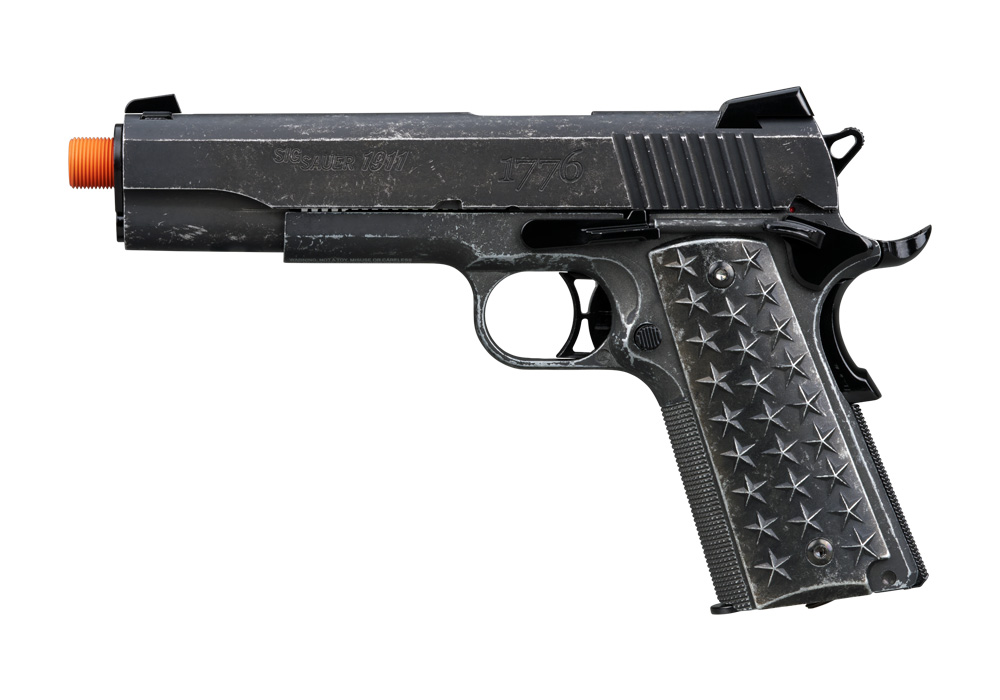
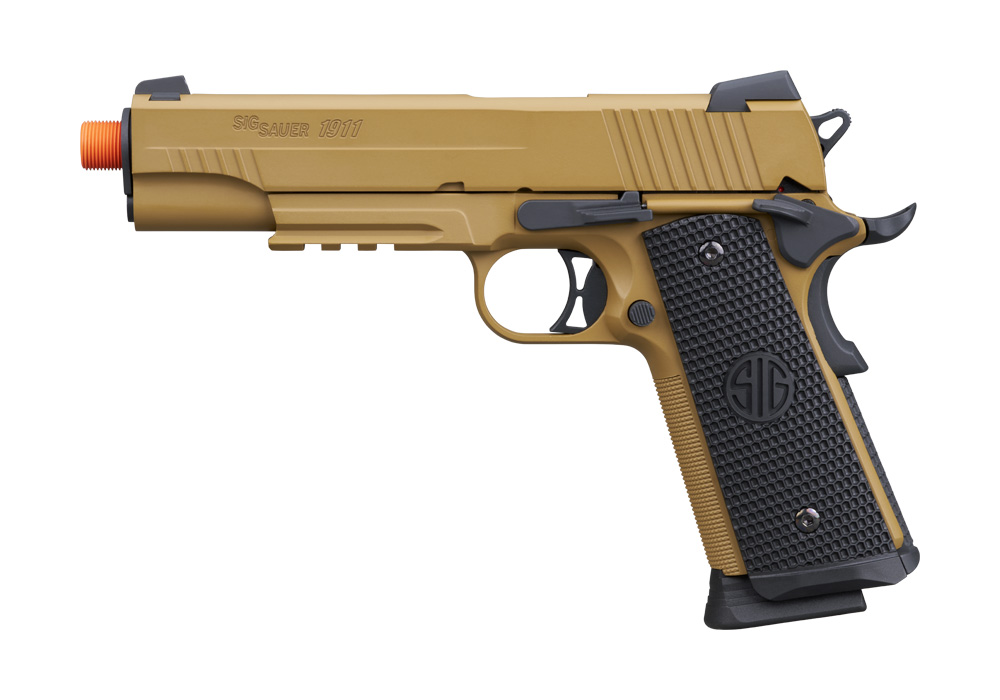
Airsoft pistols for fall tournaments are selected for more than appearance. A dependable sidearm needs to feel natural in the hand, cycle consistently, and remain manageable through rapid stages, close-quarters drills, or longer outdoor matches where conditions can change from bright and mild to cool and damp. Competitors often look for crisp gas blowback, a fast cycle rate, predictable trigger response, and controls that can be operated without shifting their grip. Weight and balance matter as well. A pistol that feels lively and points naturally can help during quick transitions between targets, while a slightly heavier frame may provide a steadier sight picture for deliberate shots. Consider the type of tournament before choosing a platform. Indoor speed-focused play typically rewards a compact, responsive setup with easy magazine changes and a smooth draw from the holster. Outdoor leagues and field events may place more emphasis on range consistency, adjustable hop-up performance, weather resistance, and compatibility with heavier BBs. A standard-capacity magazine can keep a setup lighter and easier to handle, while an extended-capacity option may reduce reloads during demanding stages, provided it complies with the event’s rules. Compatibility with spare magazines, holsters, magazine pouches, replacement parts, and performance accessories is another practical consideration, particularly for players who plan to compete regularly. Strong aftermarket support can make it easier to maintain a familiar trigger feel or fine-tune the pistol over time, but a reliable out-of-the-box setup is often the better starting point for a newer player. Before purchasing, review field and tournament requirements for muzzle energy, magazine capacity, ammunition type, permitted firing modes, and chronograph procedures. Joule limits can vary between venues, and measured energy may change with BB weight, gas type, temperature, or the condition of the magazine. A pistol that is suitable for recreational play may still require adjustment before entering a sanctioned event. Safe handling remains essential at every stage: use approved eye protection, keep the replica pointed in a safe direction, treat it as loaded when a magazine is inserted, and follow the range’s transport and staging rules.
Cooler weather brings a few additional details into focus. Gas-powered airsoft pistols can behave differently as temperatures fall because lower temperatures reduce gas pressure and may slow cycling, weaken blowback, or cause inconsistent shots. Players using green gas should allow magazines to warm naturally between stages, avoid excessive rapid firing that chills the magazine, and carry properly maintained spares when tournament rules permit. CO2-powered options may offer more consistent performance in cooler conditions, but they still require attention to seals, lubrication, and the specific operating requirements of the platform. Keep magazines protected from unnecessary moisture and inspect valves and O-rings for wear before heading to the field. A small maintenance kit with silicone-safe lubricant, cleaning supplies, spare O-rings, batteries where applicable, and the correct loading tools can prevent a minor issue from ending a match. BB selection deserves equal attention. Use quality ammunition in the weight and diameter recommended for the pistol, and confirm that heavier BBs remain within the tournament’s energy limits after chronographing. For players building a dedicated competition setup, testing should take place in conditions similar to the event, since a pistol that performs smoothly indoors may respond differently in an open field with wind and cooler air. New competitors may appreciate a straightforward sidearm with familiar controls and readily available magazines, while experienced players may prioritize adjustable controls, a refined trigger, a stable hop-up unit, or a platform that supports careful upgrades. These pistols can also make thoughtful gifts for an adult airsoft player, especially when paired with protective equipment, a compatible holster, spare magazines, or a secure range bag rather than chosen solely for appearance. Gift buyers should confirm the recipient’s preferred gas system, hand size, dominant hand, tournament format, and local field rules before ordering. Players comparing options for a broader competition setup can also review Airsoft Pistols For Airsoft Tournaments to consider platforms suited to organized play. As the weather shifts through late summer and fall, the best preparation is simple and repeatable: inspect the pistol, test the magazines, confirm the chrono limits, pack appropriate ammunition and maintenance supplies, and practice reloads with the same equipment used on the field. That preparation helps a sidearm perform as an intentional part of a tournament kit rather than an afterthought carried only for emergencies.