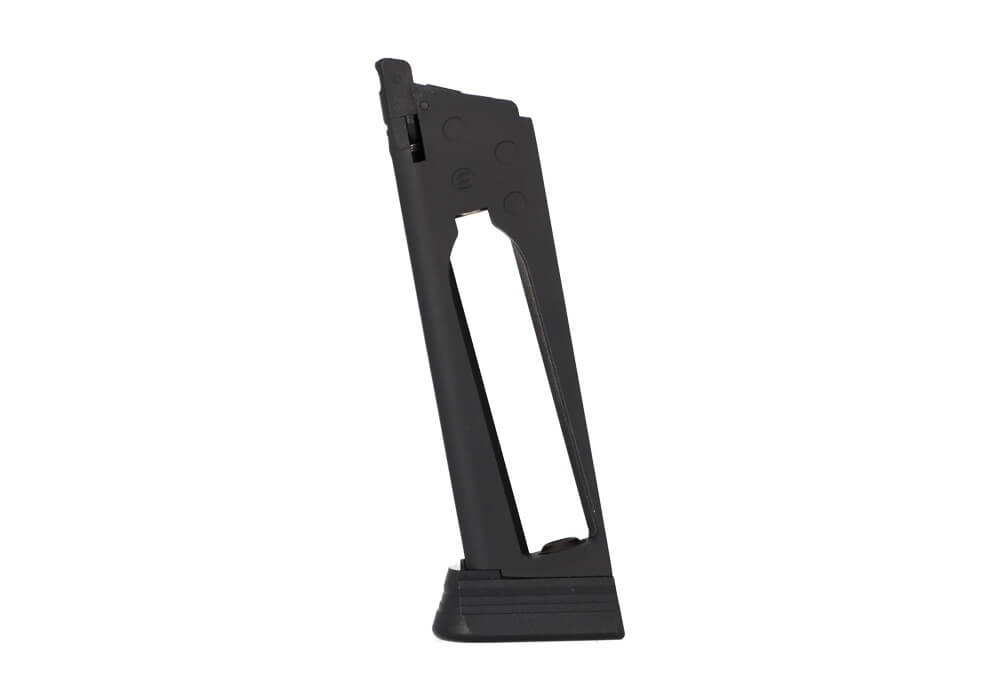
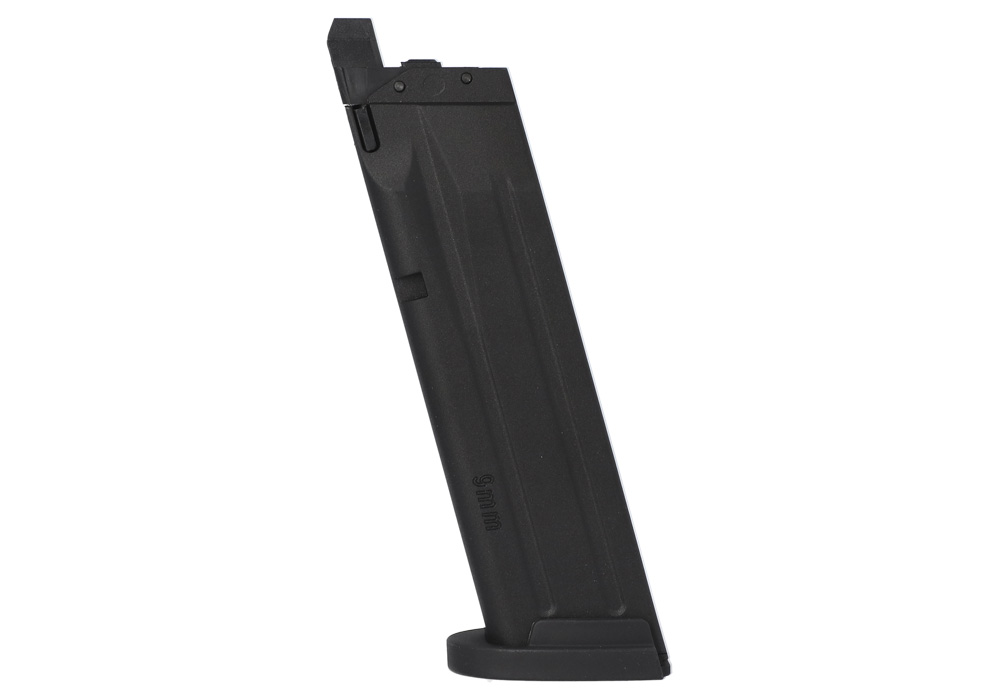
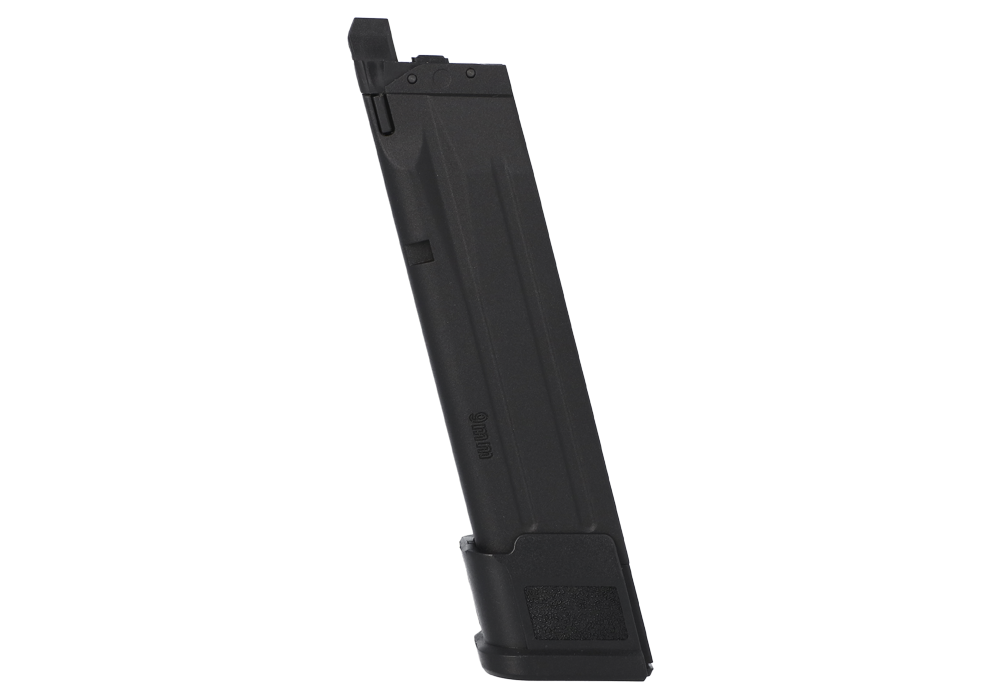
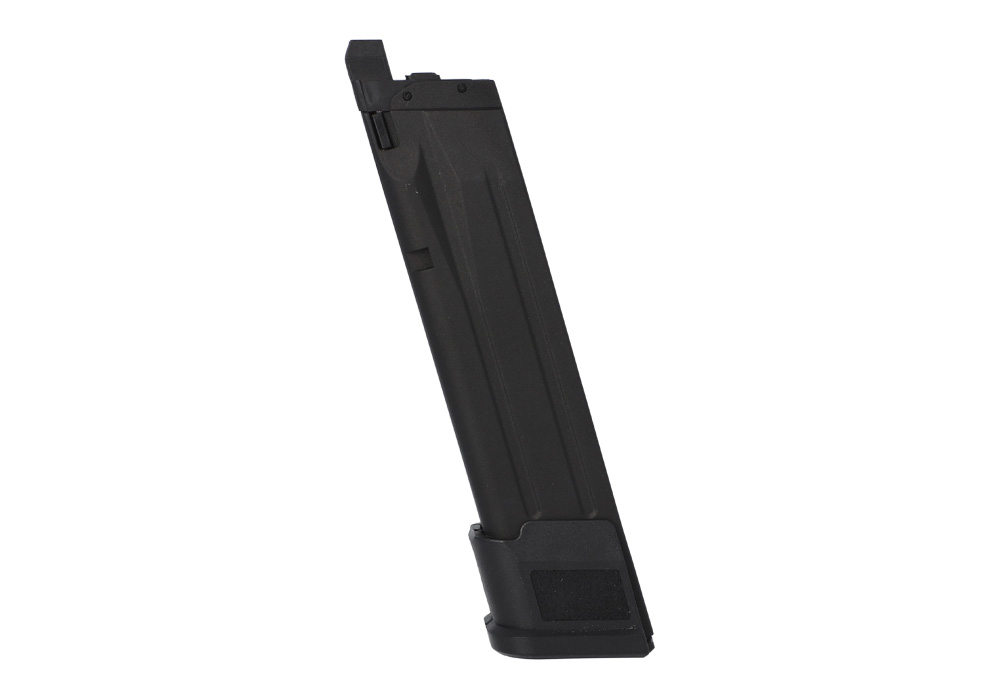
Airsoft magazines for fall tournaments need to match the airsoft platform, feed BBs consistently, and suit the event’s equipment rules. Those basics matter more than an aggressive-looking shell or a familiar profile. A magazine that resembles the correct fit can still have a different feed opening, locking notch, or internal design, so compatibility should be confirmed against the replica manufacturer’s specifications. Electric airsoft rifles commonly use spring-fed mid-cap magazines or winding-style magazines, while gas-powered pistols and rifles require magazines designed for their particular operating system. Spring-fed mid-cap designs are often useful for tournament play because they keep BBs under spring tension rather than loose in a large reservoir, reducing the rattle associated with reservoir-style designs. Many mid-cap magazines hold roughly 80 to 150 BBs, although the actual count varies by model and should be checked alongside the event’s limits. Winding-style magazines work differently and may require periodic winding to maintain feeding; whether they suit a tournament depends on its rules and the player’s preferences. Consistent feeding also depends on the interaction between the magazine, the replica, and the BBs. Correctly sized, quality airsoft BBs help prevent avoidable interruptions, while a compatible speed loader makes filling spring-fed magazines easier between rounds. For a player moving from casual games into organized competition, familiar operation can be more valuable than carrying the largest possible BB load. A magazine that seats securely, releases normally, and fits the player’s existing pouches keeps equipment handling predictable. Picture a staging table scattered with gloves, eye protection, and score sheets: clearly identified magazines that have already been checked with the intended replica are easier to organize than a mixed collection of similar-looking shells. Matching the magazine type to tournament rules, replica compatibility, and realistic use creates a dependable foundation for a fall event, whether the schedule includes short matches, longer scenario rounds, or several sessions with limited time between them.
Materials and construction influence how airsoft magazines feel, carry, and hold up to repeated handling. Polymer shells generally keep weight lower and cannot develop surface rust on the shell itself, although internal metal components still need protection from moisture. Metal shells can offer a solid feel and resistance to everyday abrasion, but their finish, edges, and seams deserve attention after contact with damp ground or wet equipment. Neither material guarantees durability on its own. Shell thickness, assembly quality, the condition of the feed lips, and the protection around exposed components all contribute to service life. Textured surfaces can improve grip with gloves, while pronounced ribs or wider baseplates may affect pouch fit. A magazine should be easy to grasp without requiring so much force to remove from a pouch that it catches on fabric or pulls the pouch out of position. Fall tournaments can involve wet leaves, muddy staging areas, and temperature differences between an indoor preparation space and an outdoor field. These conditions make clean feed openings and protected storage particularly useful. Gas magazines need additional consideration because temperature affects gas pressure and can change cycling and feeding behavior. Repeated use can also cool a gas magazine, so performance may differ between a brief function check and a longer round. Green gas and CO2 magazines are not automatically interchangeable, and a different propellant is not a universal solution for cold-weather operation. Only the magazine and gas type approved for the specific airsoft replica should be used. Seals, valves, and feed lips should be inspected according to the manufacturer’s directions, with any leak or visible damage addressed before play. For electric platforms, cooler conditions do not create the same propellant-pressure issue, but moisture and debris can still interfere with otherwise dependable equipment. The most useful choice is one suited to the platform and field conditions, not simply one marketed as heavier, tougher, or more weather resistant.
Care and organization help airsoft magazines remain useful beyond a single tournament. After an event, loose dirt should be removed from the exterior, moisture wiped away, and magazines allowed to dry before they return to a closed gear bag. Feed channels and gas components need the cleaning methods specified by their manufacturer; household oils, heavy grease, and improvised solvents can leave residue or affect materials that were not intended for them. Spring-fed magazines should be stored according to their instructions, generally without BBs pressing against the spring for extended periods. Gas magazines have different storage requirements, so the same routine should not be assumed suitable for both types. A separate pouch or compartment keeps feed lips from rubbing against loose tools, while simple exterior markings can distinguish tested magazines from those awaiting inspection. Before tournament day, checking fit, feeding, and pouch compatibility with the actual equipment is more useful than discovering a mismatch at the registration table. A compatible speed loader, clean BB container, and cloth for exterior cleanup can make the preparation area less cluttered without adding unnecessary complexity. Spare magazines are practical for regular competitors, recreational players entering their first organized event, and teammates who share the same compatible platform. They can also be thoughtful gifts, provided the recipient’s exact replica and preferred magazine type are known; appearance alone is not enough to establish fit. Players who also participate in late-summer holiday events may find a useful seasonal connection in Airsoft Magazines for Labor Day Games, where the same attention to compatibility and dependable feeding applies. For fall tournaments, the lasting priorities are straightforward: secure fit, suitable construction, manageable weight, and care appropriate to the magazine’s operating system. Those details support a kit that feels familiar when gloves are on, the staging area is busy, and the next round is approaching. Reliable equipment earns its place through repeated use, with magazines that remain easy to identify, maintain, and pair with the airsoft platform they were designed to serve.