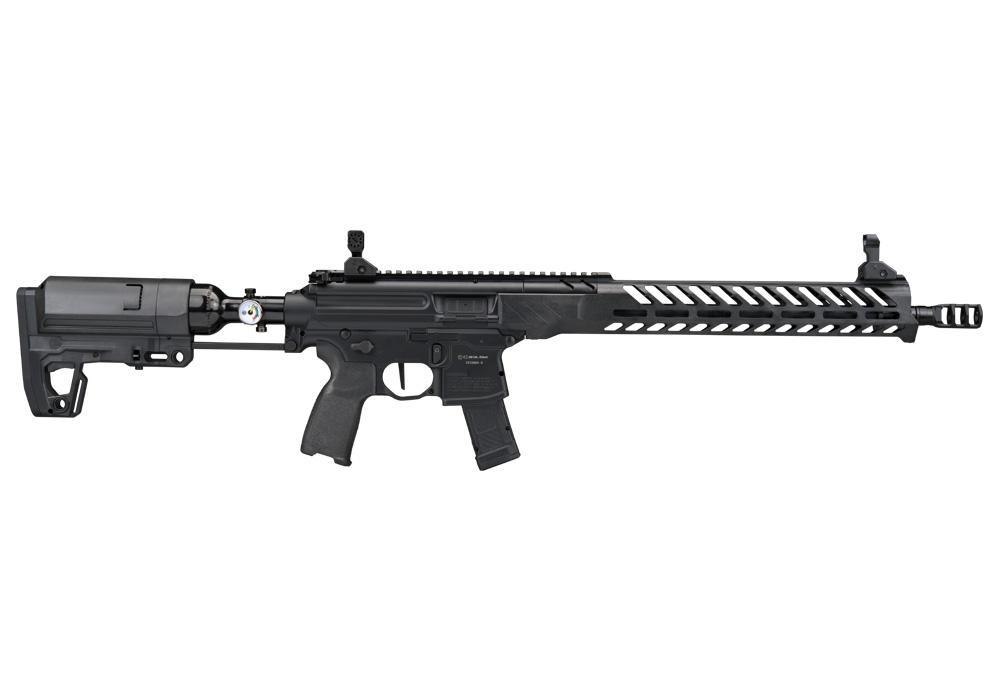
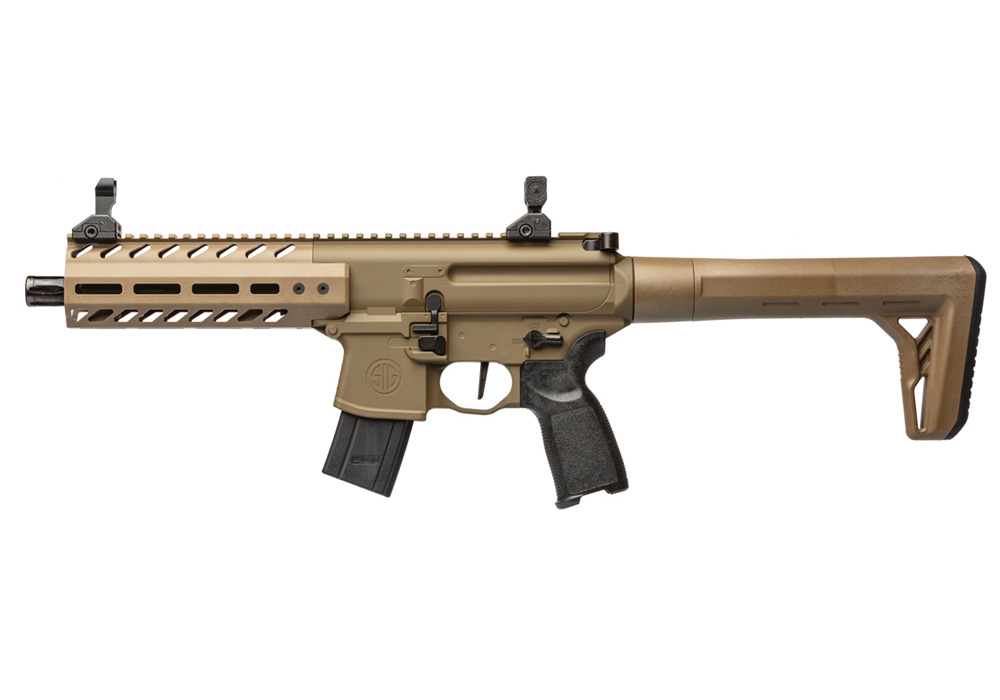
Air rifles are a practical choice for a range of outdoor activities during the transition from warm weather into the cooler months. Whether the plan involves informal target shooting, backyard plinking, organized practice, or lawful small-game hunting, the right rifle should match the setting, the shooter’s experience, and the intended use. A .177 caliber air rifle is a familiar choice for paper targets, spinners, and cans because pellets are widely available, economical, and generally well suited to recreational shooting at shorter distances. A .22 or .25 caliber option may be preferable when greater impact and energy are needed for approved hunting or pest-management applications, subject to local regulations and responsible shot placement. Along with caliber, consider the rifle’s power source. Break-barrel and spring-piston rifles are straightforward, self-contained choices that do not require a separate air tank or cartridge; each shot is loaded by cocking the barrel, making them useful for deliberate practice and simple field use. Gas-piston systems offer a similar self-contained format with a smooth, modern feel. CO2-powered rifles can be convenient for casual shooting and may offer quicker follow-up shots, but performance can change as temperatures drop, so they are best evaluated with the conditions in mind. Pre-charged pneumatic, or PCP, rifles are known for consistent accuracy and a smooth firing cycle, though they require an appropriate hand pump, air tank, compressor, or other filling solution. Some modern air rifles use a self-contained nitrogen cartridge system, providing a practical alternative for outdoor excursions where carrying additional equipment is inconvenient. Comparing specifications such as velocity, muzzle energy, shot count, cocking effort, fill pressure, noise level, and overall weight can make the selection process easier without losing sight of how the rifle will actually be used.
Fall outdoor shooting often means changing light, damp ground, cooler temperatures, and more layers of clothing, all of which can affect comfort and handling. For backyard practice, look for an air rifle with a manageable report, a stock that feels secure against a jacket or sweatshirt, and controls that are easy to operate without shifting position. A reliable optic or open-sight setup can help make the most of a crisp afternoon spent working through steady groups, while an adjustable stock or suitable length of pull may be important for younger or smaller-framed shooters. For open fields or wooded property, balance becomes especially valuable; a rifle that feels comfortable during a short walk may be more enjoyable than one that is unnecessarily heavy. PCP models can offer excellent accuracy for longer-range target work, while a break-barrel rifle may appeal to someone who values a compact, independent setup. Pellet selection also deserves attention. Match-style pellets are commonly associated with paper targets, while hunting pellets are designed for different performance characteristics, but compatibility varies by rifle and barrel. Always follow the manufacturer’s recommendations, test ammunition in a safe environment, and use a sturdy backstop capable of stopping both the pellet and any fragments. Eye protection should be standard, and every shooter should keep the muzzle pointed in a safe direction, treat the rifle as loaded until it has been checked, and keep fingers outside the trigger guard until ready to fire. A secure case, pellet container, cleaning supplies, and a stable rest can make an afternoon session more organized, especially when changing weather turns a clear shooting lane into a muddy one. For ideas that carry naturally from warmer days into outdoor practice later in the year, browse Air Rifles For Summer Shooting.
Air rifles can also be thoughtful gifts for responsible adults, experienced hobbyists, and new shooters who are ready to learn under proper supervision. A .177 caliber rifle paired with targets and eye protection can create an approachable introduction to marksmanship, while a more advanced PCP setup may suit someone who already enjoys precision shooting and has access to the equipment needed for filling it. When choosing a gift, consider more than appearance or advertised velocity. A first-time shooter may benefit from a lighter rifle with simple controls and modest operating requirements, while an experienced outdoorsperson may value accuracy, a refined trigger, weather-resistant construction, or an extended shot count between refills. Storage is equally important: the rifle should be secured from unauthorized access, ammunition should be stored separately when appropriate, and every user should understand the rules that apply to transport and discharge. Air rifles are not automatically permitted everywhere, and municipal, state, and local hunting regulations may address minimum calibers, seasons, permitted species, land access, shooting distances, and required licenses. Before using an air rifle for small game or pest control, confirm the regulations and make sure the rifle and ammunition are suitable for an ethical, lawful harvest; never shoot at an animal beyond the rifle’s practical accuracy or the shooter’s skill level. For recreational use, establish a clearly defined range away from roads, homes, trails, livestock, and neighboring properties, and pause whenever visibility, wind, or footing becomes uncertain. The best air rifle for fall activities is ultimately the one that fits the shooter, the environment, and the purpose, with dependable operation and safe handling taking priority over a single performance number.