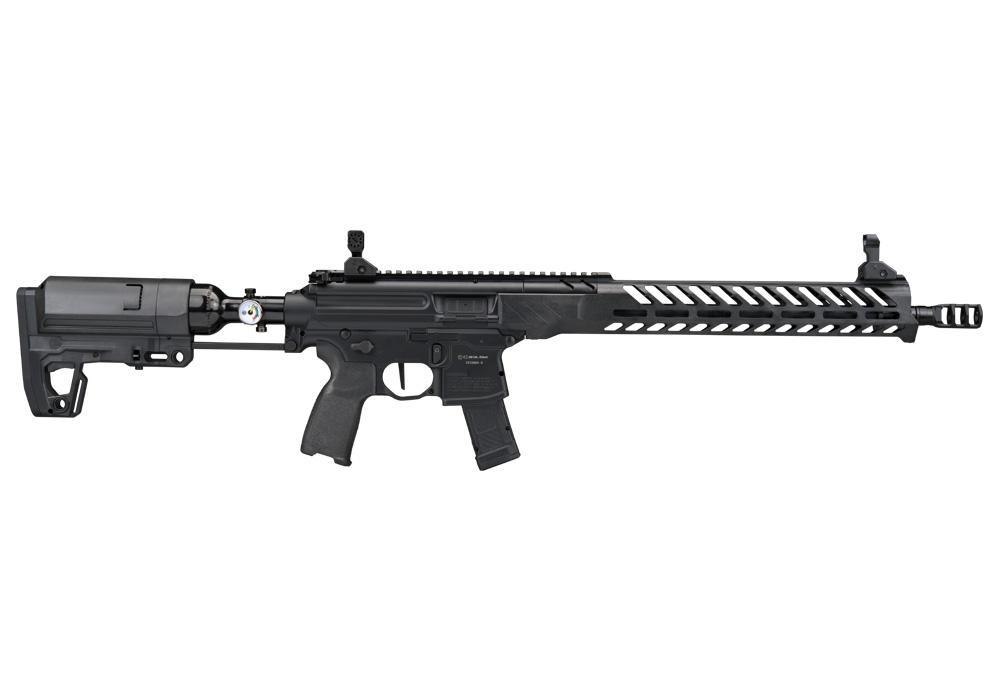
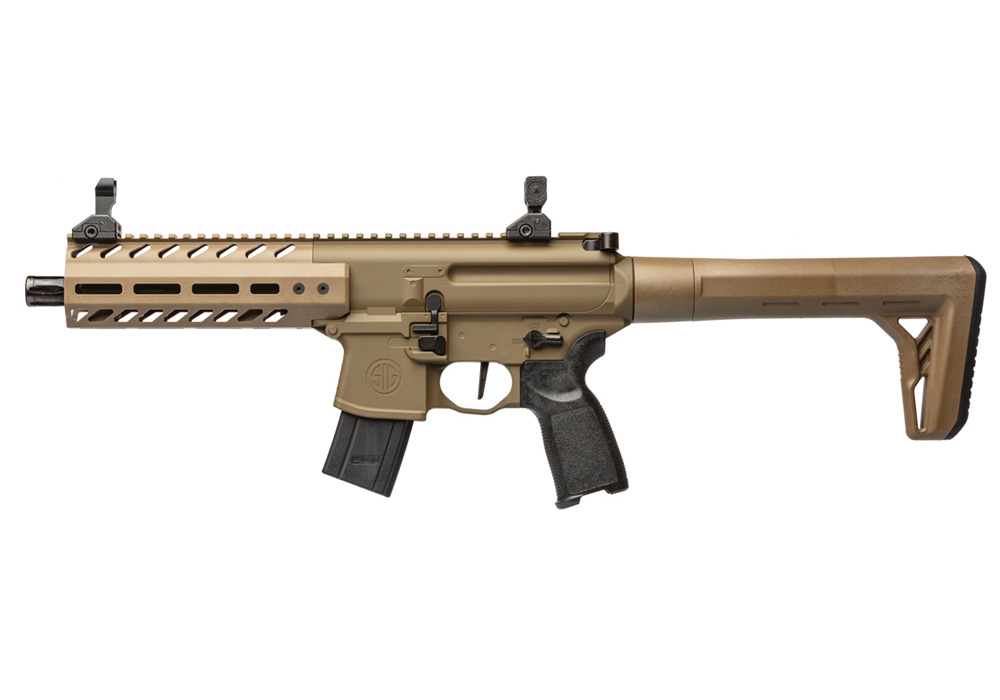
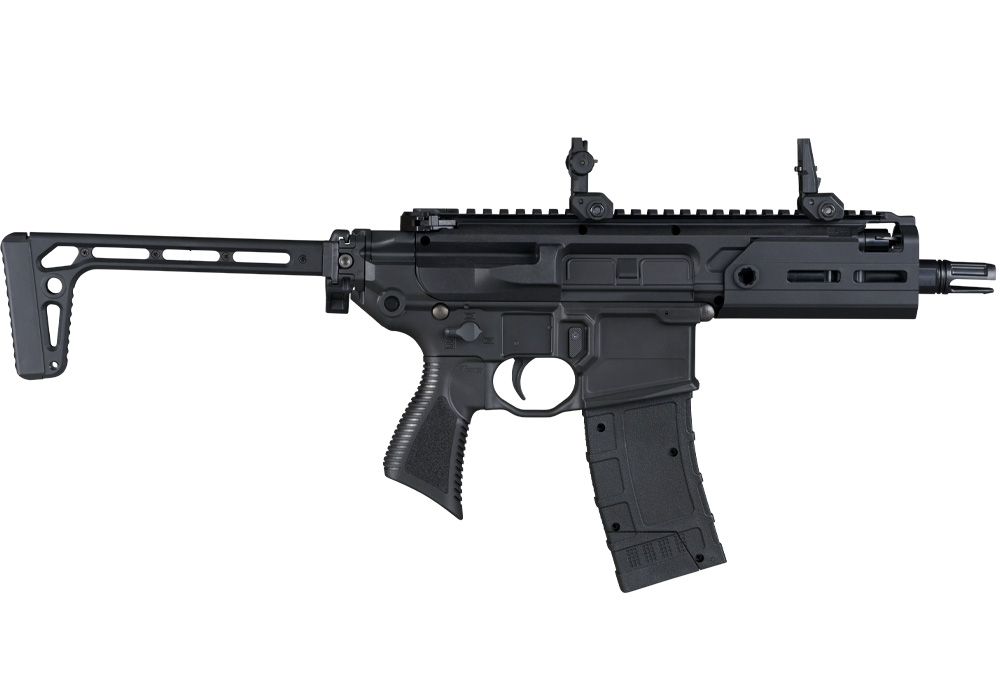
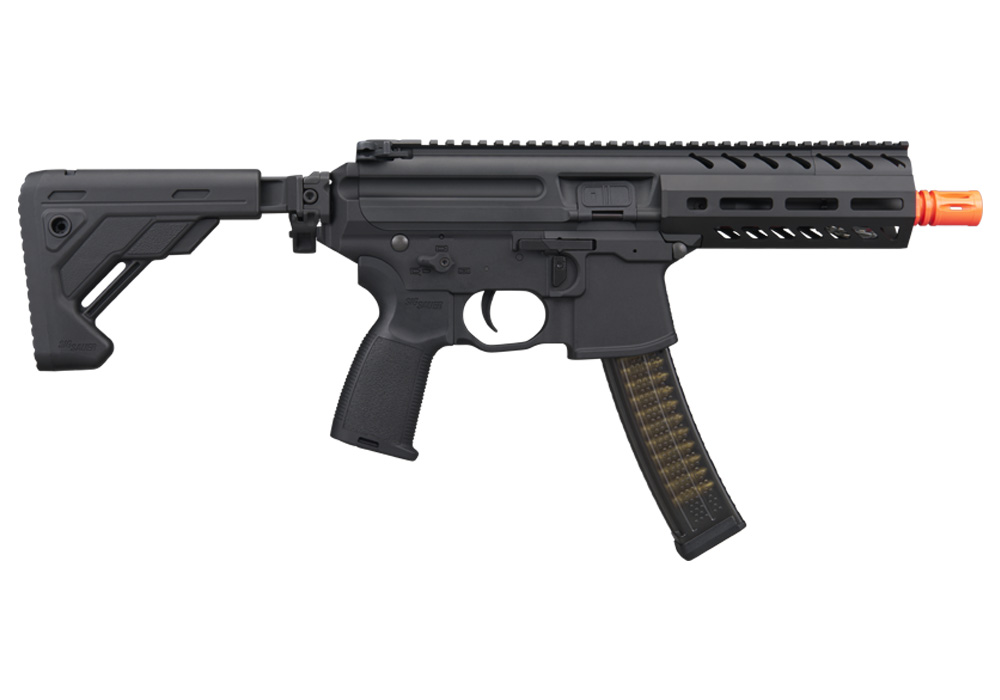
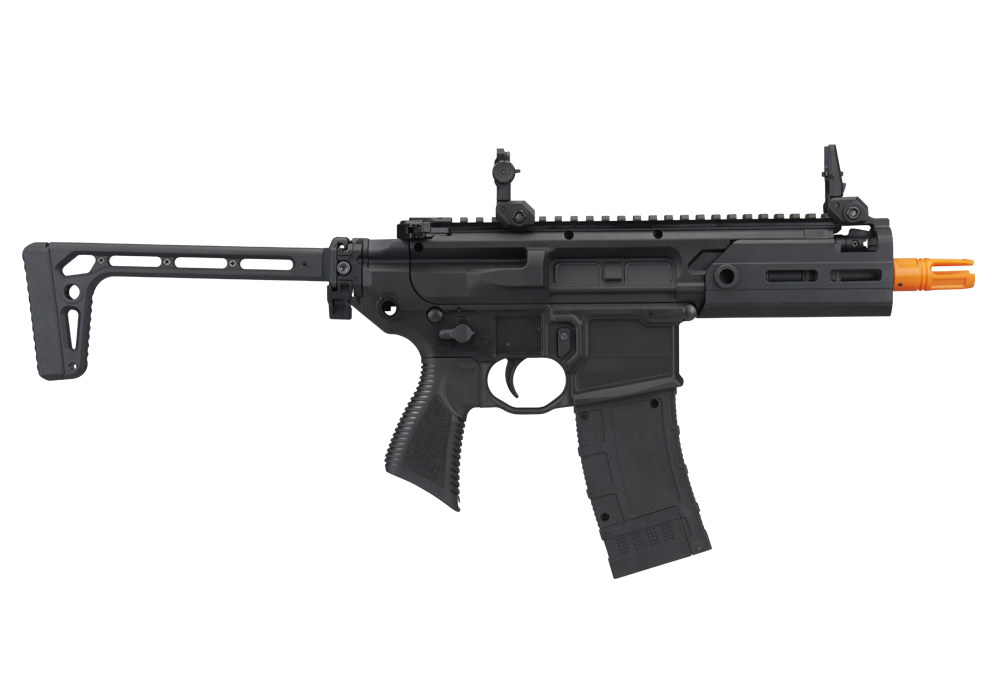
Air rifles for summer shooting offer a practical way to spend time outdoors, build marksmanship skills, and enjoy relaxed target practice as the weather warms and remains comfortable into the cooler months. They can be used for paper targets, reactive targets designed specifically for airguns, informal plinking, and, where permitted by local law, carefully managed pest control. Because air rifles vary widely in power, operating system, caliber, noise level, and overall size, choosing the right one begins with considering how and where it will be used. A compact rifle can be convenient for carrying to a camp, property, or established range, while a full-length model may provide a steadier hold from a bench or supported shooting position. Breakbarrel rifles, including spring-piston and gas-piston designs, are self-contained and do not require a separate air tank or compressor, making them a straightforward choice for shooters who appreciate a simple setup. Spring-piston rifles have a familiar mechanical feel and can provide years of dependable target use when handled and maintained properly. Gas-piston systems often offer a smooth cocking cycle and may be appealing to shooters who want a modern alternative to a traditional spring. Pre-charged pneumatic, or PCP, rifles use compressed air stored in a reservoir and are known for consistent performance, light felt recoil, and precise shot placement. They do require additional equipment, such as a compatible hand pump, compressor, or fill source, so the complete system should be considered before purchase. Variable-pump rifles allow the shooter to adjust the number of pumps per shot, offering flexibility for casual practice and different distances. Every air rifle should be used only in a location with a safe shooting direction, a dependable backstop, and enough space to prevent pellets from reaching people, animals, roads, buildings, or neighboring property. A purpose-built pellet trap or other substantial backstop is essential; thin boards, makeshift containers, and materials that can permit ricochets are not suitable substitutes. Eye protection should be worn by everyone in the shooting area, and adult supervision is important whenever younger or inexperienced shooters are involved. Check applicable laws, local ordinances, property rules, and airgun restrictions before shooting, transporting, or using an air rifle for any purpose.
Caliber is another central consideration when comparing air rifles for summer shooting. A .177 caliber rifle is a popular choice for paper targets, plinking, and practice because pellets are widely available, generally economical, and often travel with a relatively flat trajectory. That flatter trajectory can make it easier to learn holdover and sight adjustment across common target distances. A .22 caliber rifle launches a larger pellet and may deliver more impact energy, making it a consideration for small-game hunting or pest management where those activities are lawful and the rifle is appropriate for the task. Pellet shape and weight also influence accuracy, penetration, and performance, so testing several quality pellet types can help identify what a particular barrel prefers. Shooters who plan to spend long afternoons on the range may value an adjustable stock, a comfortable cheek weld, a clear optic or dependable open sights, and controls that are easy to operate without shifting the shooting position. A model with a standard or extended magazine can reduce interruptions during practice, while a single-shot design encourages a deliberate rhythm of loading, breathing, aiming, and follow-through. Noise is worth considering in residential areas and shared outdoor spaces, but a quieter report does not make an air rifle harmless or exempt from local restrictions. PCP and CO2-powered rifles can be especially pleasant for informal shooting, though CO2 performance may change as temperatures rise or fall. Heat can increase pressure and affect velocity consistency, while cooler conditions may reduce gas pressure and alter point of impact. Shooters using CO2 equipment should keep cartridges and rifles out of direct sunlight, avoid leaving them in a hot vehicle, and allow the system to settle before judging accuracy. Air rifles can also make thoughtful gifts for a new enthusiast, a recreational shooter, or someone who enjoys hands-on outdoor hobbies, provided the recipient can store and use the rifle legally and safely. A beginner may appreciate a manageable rifle with uncomplicated controls, while a more experienced shooter may prefer the tuning potential, precision, or efficiency of a PCP platform. Pairing an air rifle with appropriate pellets, a safe target system, eye protection, and a secure locking case can create a more responsible and useful gift than selecting a rifle alone.
Summer sessions often bring sweat, dust, humidity, and grass clippings into contact with the rifle, so a small amount of care goes a long way. After shooting, unload the rifle according to the manufacturer’s instructions, confirm that it is clear, and wipe exposed metal surfaces with a clean, lightly treated cloth to remove moisture from hands and the air. This is especially helpful after hot, humid outings, when condensation and perspiration can encourage surface corrosion. Keep pellets dry and protected from dirt, and inspect seals, screws, scope mounts, and stock hardware periodically. PCP rifles should be filled only to the recommended pressure, using compatible equipment and a gauge that can be read accurately. Breakbarrel rifles should never be left cocked unless the manufacturer specifically directs otherwise, and every air rifle should be stored unloaded, secured from unauthorized access, and separated from ammunition when appropriate. During late-summer evenings and the transition into cooler weather, changing light can make targets and sights appear different from one session to the next, so confirm zero and use a clearly visible target before settling into a longer practice routine. For property owners considering an air rifle for nuisance animals, the correct equipment depends on the species, distance, backdrop, local regulations, and the shooter’s ability to make a clean and responsible shot. Review our Air Rifles For Pest Control In Summer selection for options suited to that specific purpose, and remember that humane pest management may also require prevention, habitat changes, or professional assistance. With the right caliber, operating system, accessories, and safety habits, an air rifle can turn a quiet stretch of yard or an approved outdoor range into a rewarding place to practice patience, consistency, and confident marksmanship throughout the changing season.