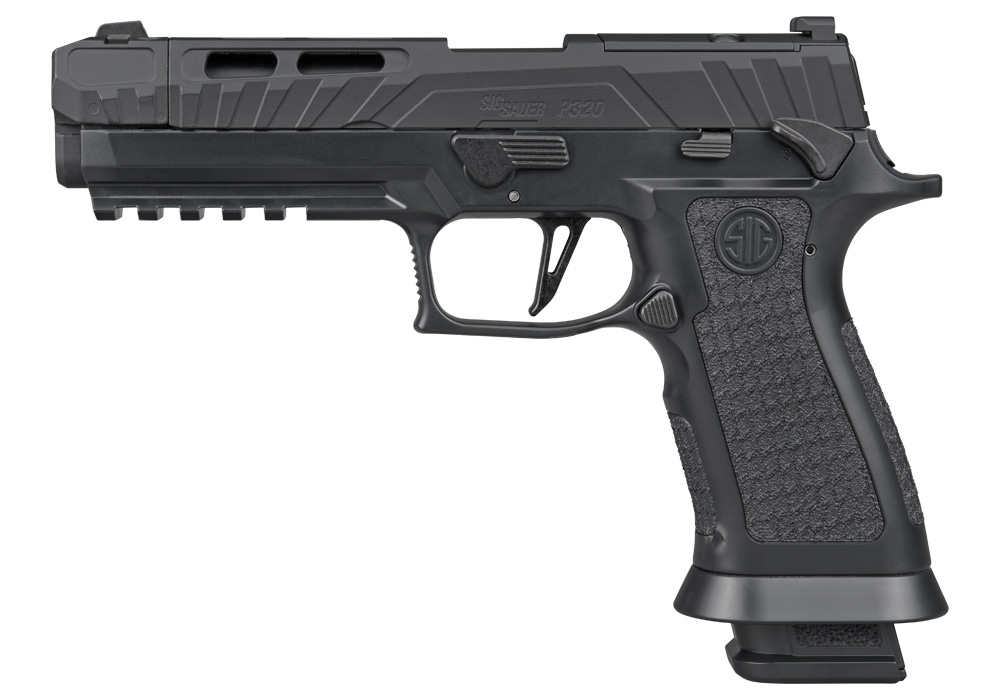
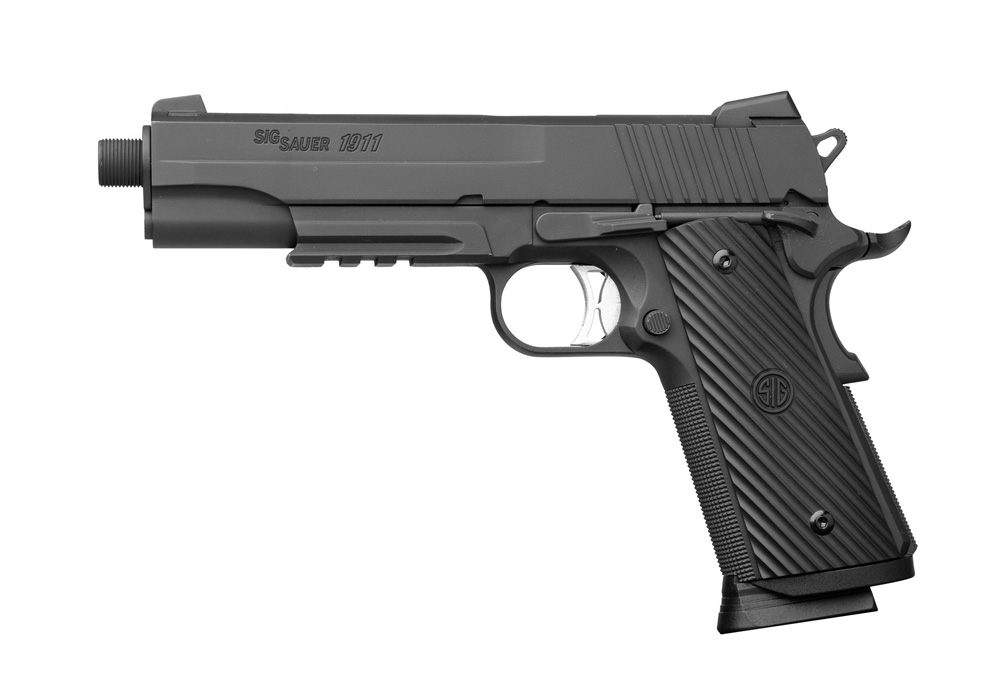
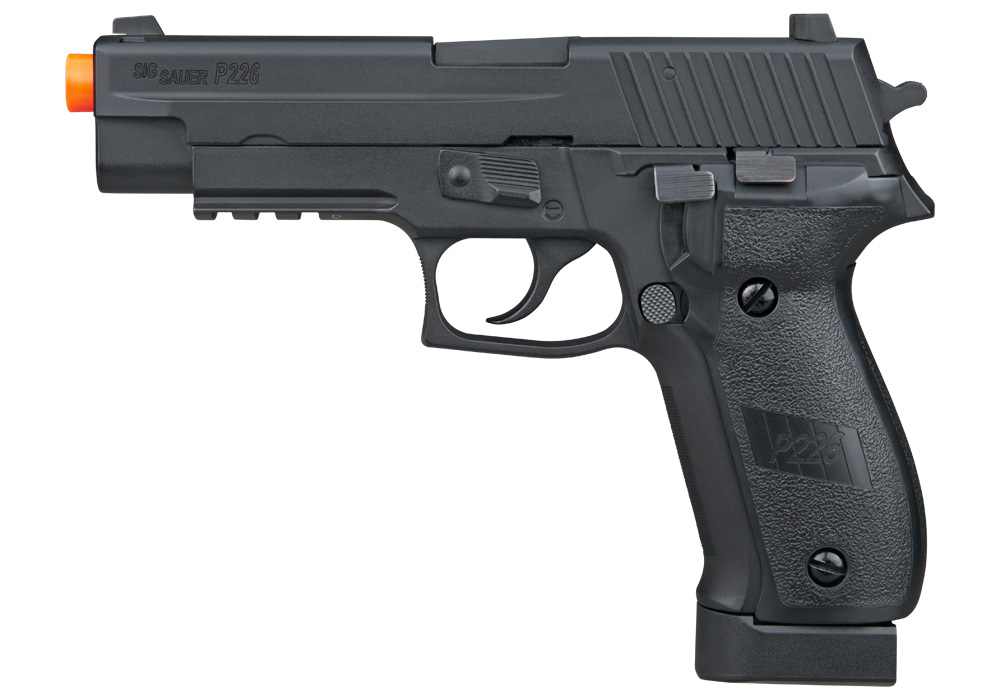
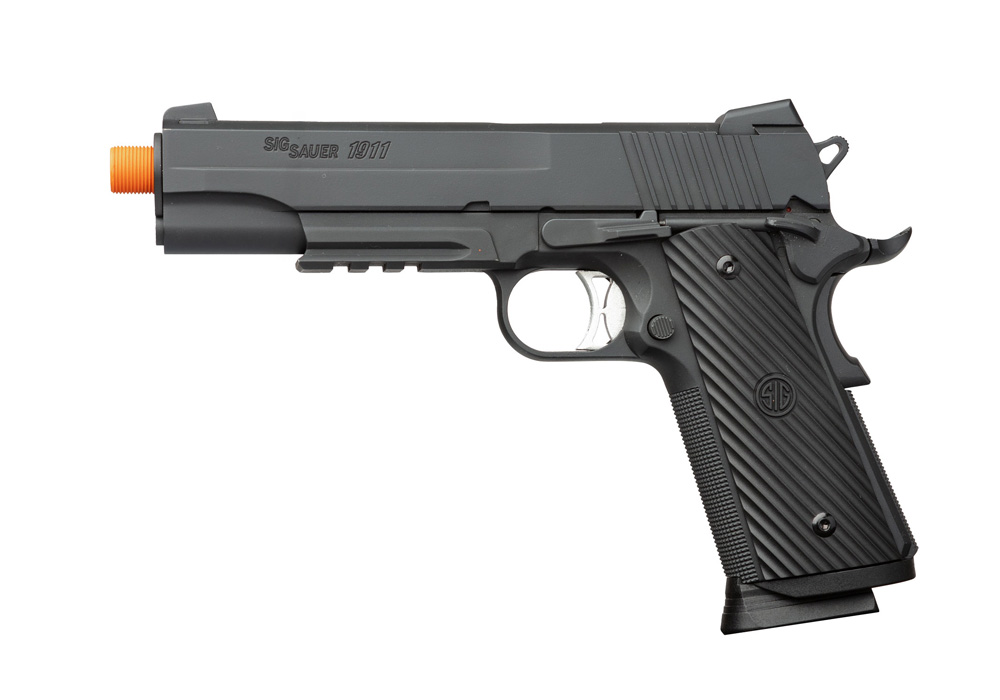
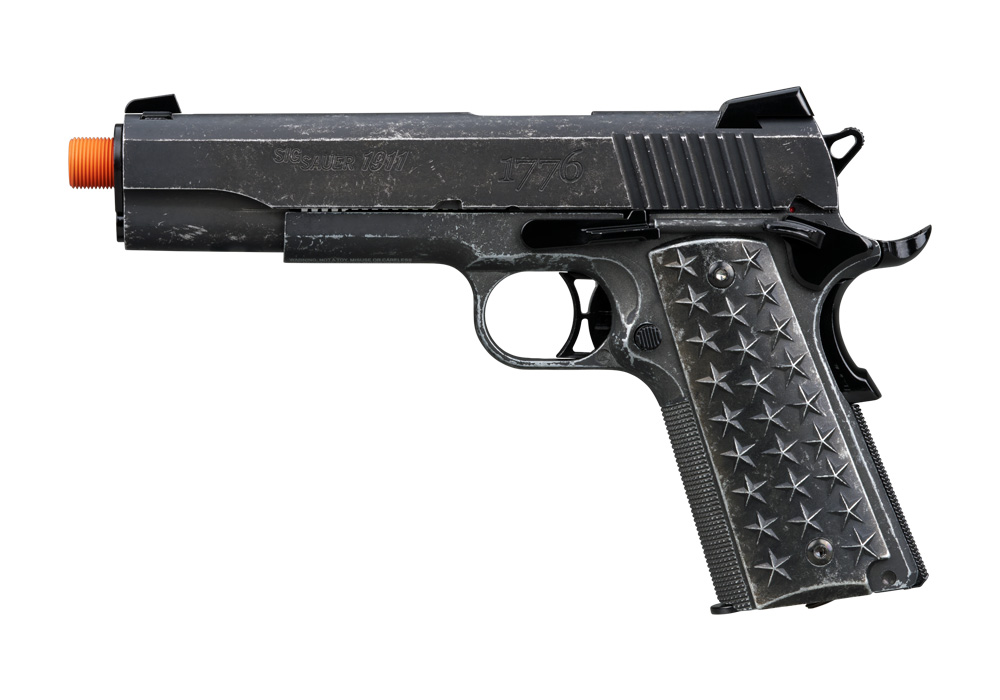
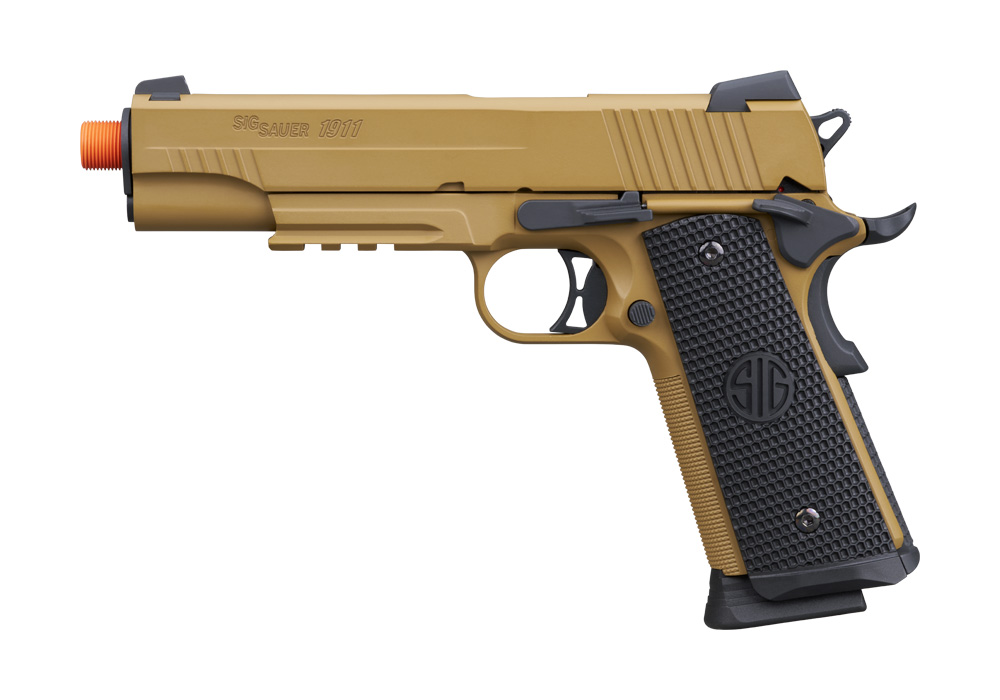
Air pistols for summer shooting offer a convenient way to spend more time practicing marksmanship, learning safe handling, or enjoying relaxed target sessions outdoors. Their relatively compact size makes them easy to transport to an appropriate shooting area, while their lower operating cost can make regular practice more approachable than shooting a firearm. Depending on the design, an air pistol may use CO2 cartridges, a spring-piston system, or a multi-pump pneumatic mechanism. CO2 models are often selected for their realistic operation, repeat-shot convenience, and familiar controls, making them useful for recreational drills and introductory practice. They generally perform consistently in mild to warm conditions, although temperature can influence gas pressure and shot performance. Keep CO2 cartridges and loaded air pistols out of direct sunlight, never leave them in a hot vehicle, and store them in a cool, dry place according to the manufacturer’s instructions. Pneumatic and spring-powered designs do not rely on disposable gas cartridges and can be a practical choice for deliberate target work, especially when a shooter prefers a simple setup and a slower, more measured pace. When comparing air pistols for summer shooting, consider whether the intended use is casual plinking, formal target practice, skills training, or collecting realistic replicas. BB pistols are often chosen for informal shooting at suitable reactive or paper targets, while pellet pistols with rifled barrels are generally better suited to tighter groups and more precise aiming. .177 caliber is a common option for both BB and pellet air pistols, but ammunition must always match the specific model. Check the owner’s manual before purchasing ammunition, and never assume that a BB, pellet, or other projectile is interchangeable simply because it appears to fit.
A good choice begins with the shooter’s experience, the available shooting space, and the amount of practice planned. Someone new to airguns may appreciate a straightforward model with manageable controls, a comfortable grip, and sights that are easy to acquire in changing outdoor light. An experienced shooter may place greater importance on trigger feel, barrel design, adjustable sights, grip texture, operating method, or the ability to use a familiar training routine. Weight also deserves attention: a realistic, heavier air pistol can help reinforce a steady two-handed hold, while a lighter design may be more comfortable during longer sessions or for smaller-framed users. A model with a fixed barrel and rifling can support careful pellet shooting, whereas a repeater may add convenience during informal practice. Magazine style and spare ammunition storage can also affect the pace of a session; browse Airgun Magazines For Summer Outdoor Shooting when looking for compatible ways to keep an outing organized. For a backyard session, the most important purchase may be a reliable pellet trap or rated backstop rather than additional accessories. Choose a location where projectiles cannot leave the property, place the target against a substantial backstop designed for the ammunition being used, and inspect the trap regularly for wear or deformation. Avoid hard surfaces that may cause ricochets, and do not shoot at glass, rocks, water, or improvised targets. Eye protection should be worn by everyone in the shooting area, including observers. Keep the muzzle pointed in a safe direction, treat every air pistol as loaded until it has been checked, keep fingers outside the trigger guard until ready to fire, and establish a clear cease-fire procedure before anyone moves downrange. Local laws, property rules, age requirements, and restrictions on discharging airguns can vary, so confirm the regulations that apply to the intended location before use.
These products can also make thoughtful gifts for adults who enjoy hands-on hobbies, mechanical design, outdoor recreation, or skill-based activities. A compact air pistol can provide a new shooter with an approachable way to learn the fundamentals of stance, sight alignment, breathing, trigger control, and follow-through without committing to a full day at a range. For a family gift, adult supervision and a clearly defined shooting area are essential; an air pistol should never be presented as a toy, and children should only use one when permitted by applicable rules and directly supervised by a responsible adult. During warmer weather, a short practice session in the morning or near sunset can turn a quiet corner of suitable property into a focused routine, with paper targets recording gradual improvement from one outing to the next. As conditions become cooler, air pistols remain useful for covered outdoor spaces or approved indoor ranges with proper ventilation, target systems, and facility rules. Seasonal changes can affect visibility, hand comfort, and CO2 performance, so dress appropriately, keep equipment dry, and allow gear to adjust to the environment before shooting. Store the air pistol unloaded and secured from unauthorized access when the session ends, separate ammunition when appropriate, and follow the manufacturer’s cleaning and maintenance instructions. Whether the goal is informal plinking, more disciplined bullseye practice, replica-style handling drills, or a practical gift for an adult enthusiast, the right air pistol balances operating system, ammunition type, ergonomics, accuracy, maintenance needs, and the realities of the shooting space. Careful selection and consistent safety habits help make air pistols for summer shooting an enjoyable part of an outdoor routine that can continue through the cooler months.