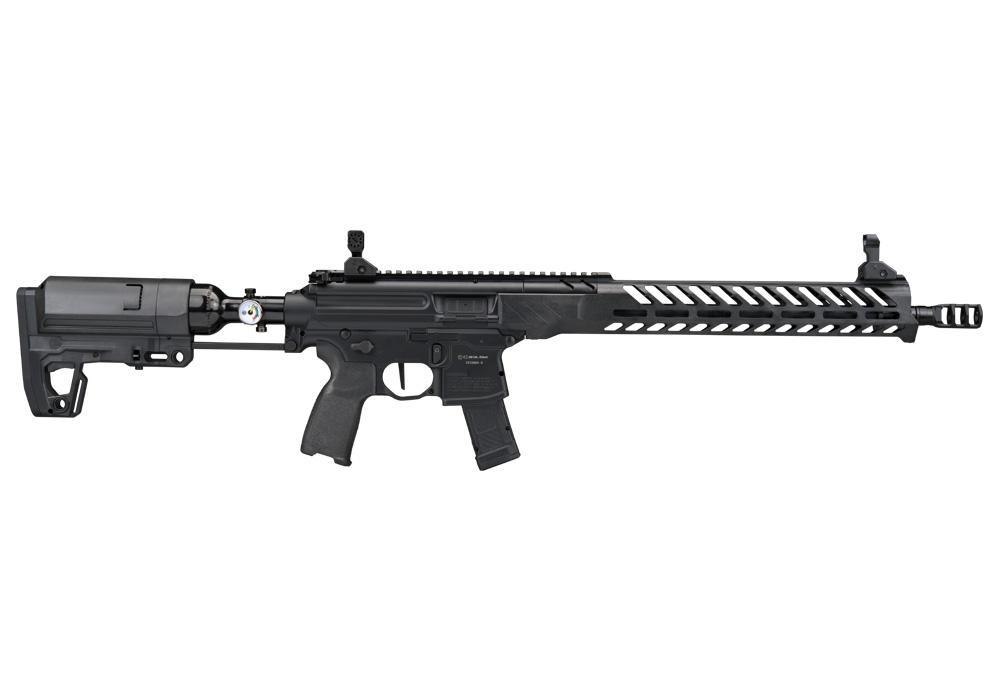
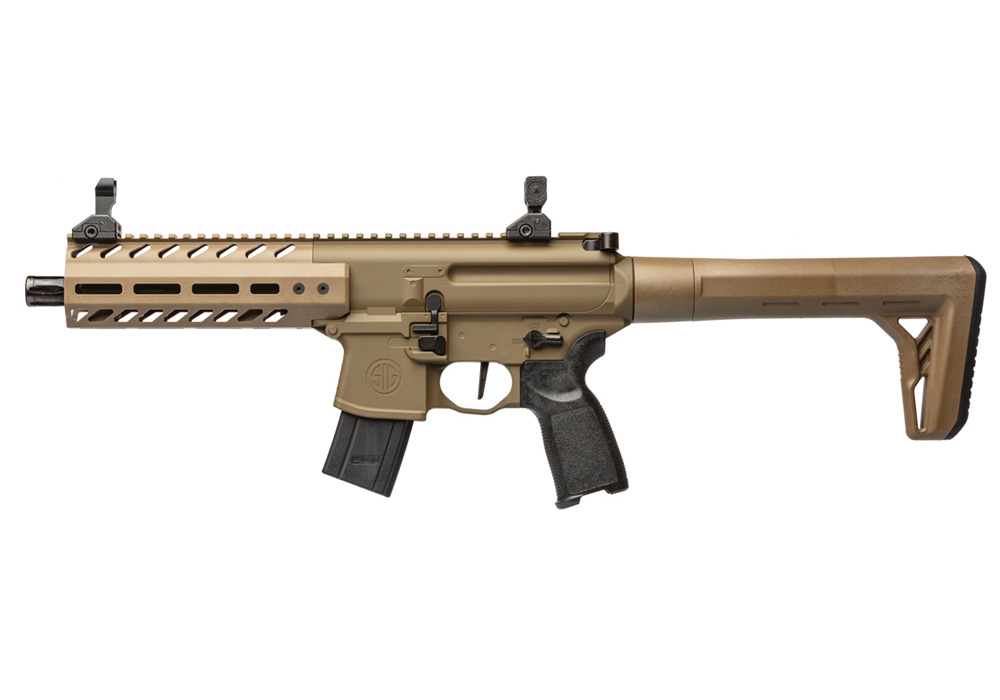
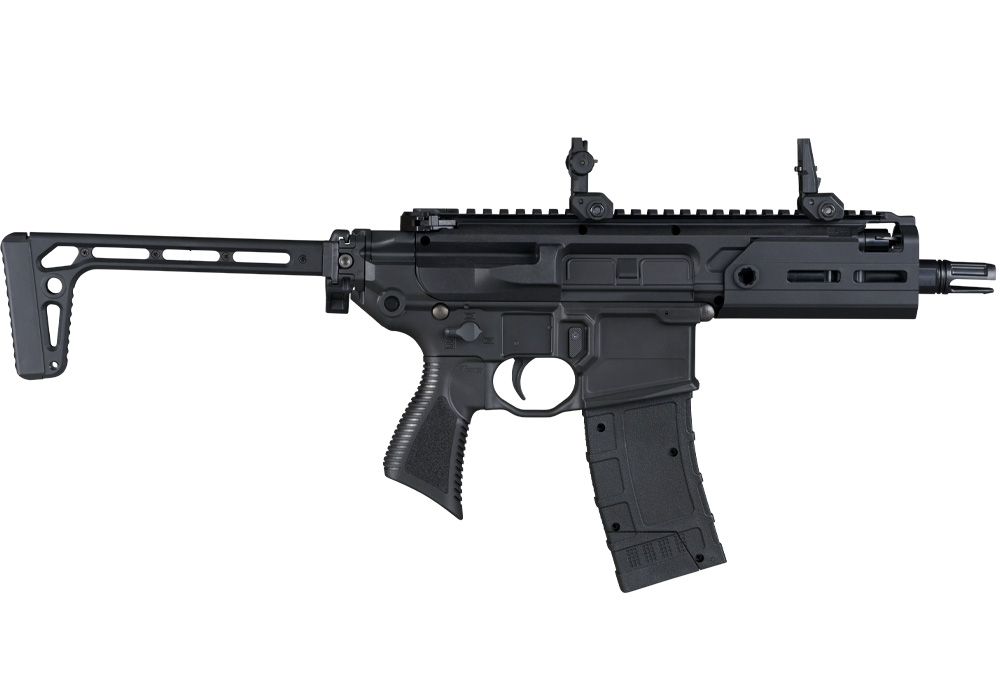
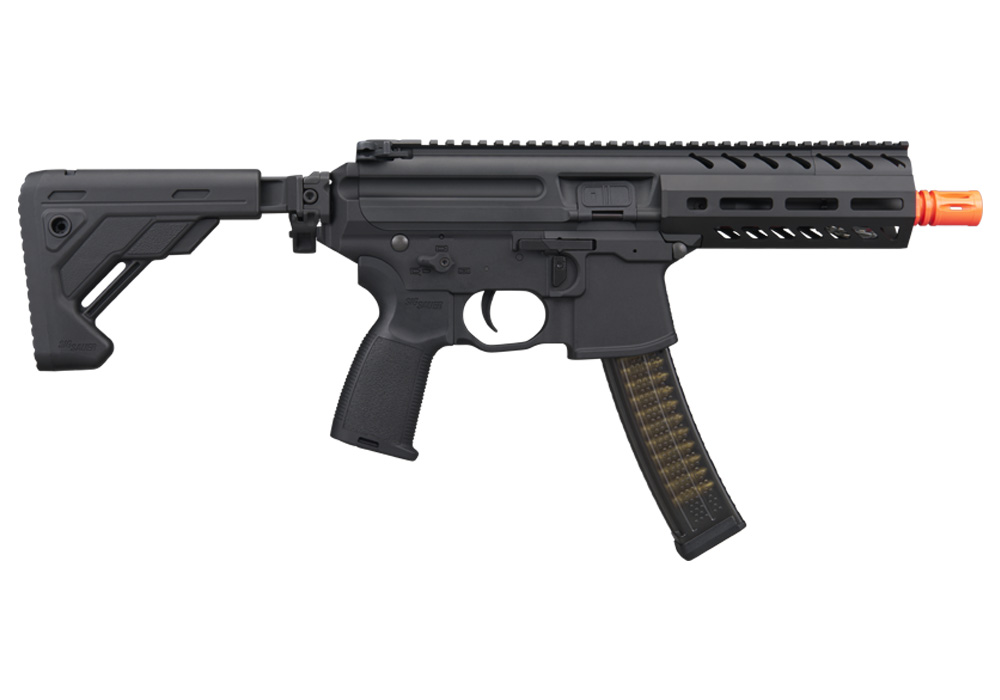
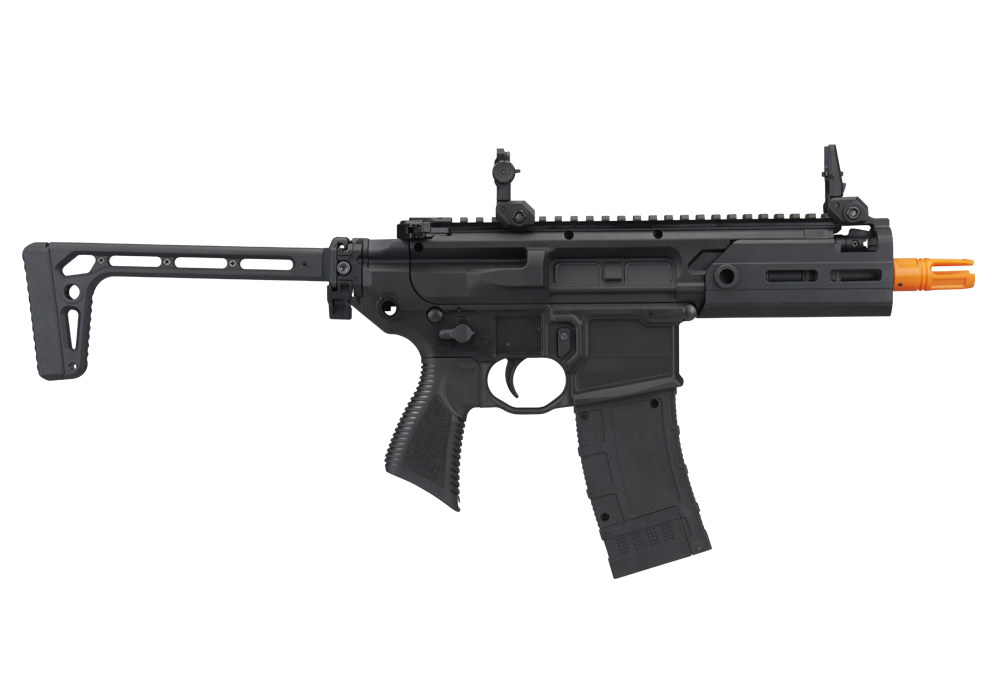
Air rifles can offer a practical option for managing certain pest populations around rural properties, gardens, barns, orchards, and outbuildings as the weather warms and remains active through the cooler months. They are generally quieter and easier to handle than centerfire firearms, but they still require the same deliberate approach to safety, target identification, and local regulations. Before choosing an air rifle for pest control, confirm that discharge is permitted where you live and that the species involved may legally be taken. Municipal rules, property boundaries, seasonal restrictions, protected-species laws, and nuisance-animal regulations can vary widely. Air rifles are commonly considered for small pest species such as rats, starlings, sparrows, certain invasive birds, chipmunks, gray squirrels, and rabbits, but the appropriate choice depends on the animal, the distance, the environment, and the shooter’s experience. A .177 caliber rifle is often selected for smaller targets and flatter trajectories, while .22 or .25 caliber options may be preferred when a larger pellet and greater impact are appropriate. Caliber alone does not determine suitability; pellet design, shot placement, rifle power, accuracy, and the shooter’s ability to make a clean, ethical shot all matter. Muzzle velocity figures can be useful for comparison, but they should not be treated as the sole measure of performance. A well-made rifle that produces consistent accuracy is usually more valuable for responsible pest control than an advertised velocity number that does not translate into dependable results in the field.
The two common power systems are spring-piston or gas-piston rifles and pre-charged pneumatic, or PCP, rifles. Spring and gas-piston models are self-contained, making them convenient for property owners who want a straightforward setup without a separate air tank or compressor. They can be a sensible choice for occasional use around a homestead, provided the shooter is comfortable with their cocking effort and hold-sensitive behavior. PCP rifles typically offer minimal recoil, smooth operation, and convenient multi-shot functionality, which can be useful when a pest population is active around a garden edge or feeding area. They do require an appropriate air source and regular attention to fill pressure, seals, and storage. Break-barrel, sidelever, and bolt-action designs each have advantages, so handling comfort and familiarity should guide the decision. Opt for a stock that fits securely, controls that are easy to operate without shifting the rifle, and sights or an optic that remain clear in changing light. During summer, dense leaves, tall grass, and thick brush can conceal both pests and hazards, making a steady rest and a clear field of view especially important. Early morning and late evening may bring more animal activity as temperatures ease, but visibility must always be sufficient for positive target identification. Avoid shooting through foliage, because leaves and small branches can deflect a pellet. Instead, maintain clean lanes toward lawful targets and use a solid, visible backstop capable of safely stopping the pellet. Lush grass and dry vegetation can hide rocks, hard soil, fencing, buildings, and other surfaces that may create unpredictable ricochets, so inspect the area from the intended shooting position before loading the rifle.
A suitable pest-control setup also includes dependable pellets matched to the rifle, eye protection, a secure case, and a safe method for transporting and storing the equipment. Pellet shape and weight influence accuracy and terminal performance, and testing several lawful options from a stable rest can help identify what the individual rifle shoots consistently. Use only ammunition recommended for the rifle and never substitute steel BBs in a firearm designed for pellets. Keep the air rifle unloaded until the shooting area is confirmed safe, engage the safety when applicable, keep the muzzle pointed in a safe direction, and store the rifle and ammunition separately from children and unauthorized users. These products may appeal to experienced landowners, gardeners, farm operators, and adult recreational shooters who value a compact option for managing permitted nuisance pests, while a quality air rifle can also be a thoughtful gift for a responsible adult who already understands safe handling and local requirements. It is not an appropriate unsupervised gift for a child. For shooters who expect to spend extended periods outdoors, spare magazines can make range practice and field preparation more organized; explore Airgun Magazines For Summer Outdoor Shooting for compatible options and related equipment. Whether used around a vegetable patch, along a barn wall, or near an outbuilding during the changing seasons, responsible airgun pest control depends on patience, accurate identification, careful equipment selection, and respect for people, property, wildlife, and the law.