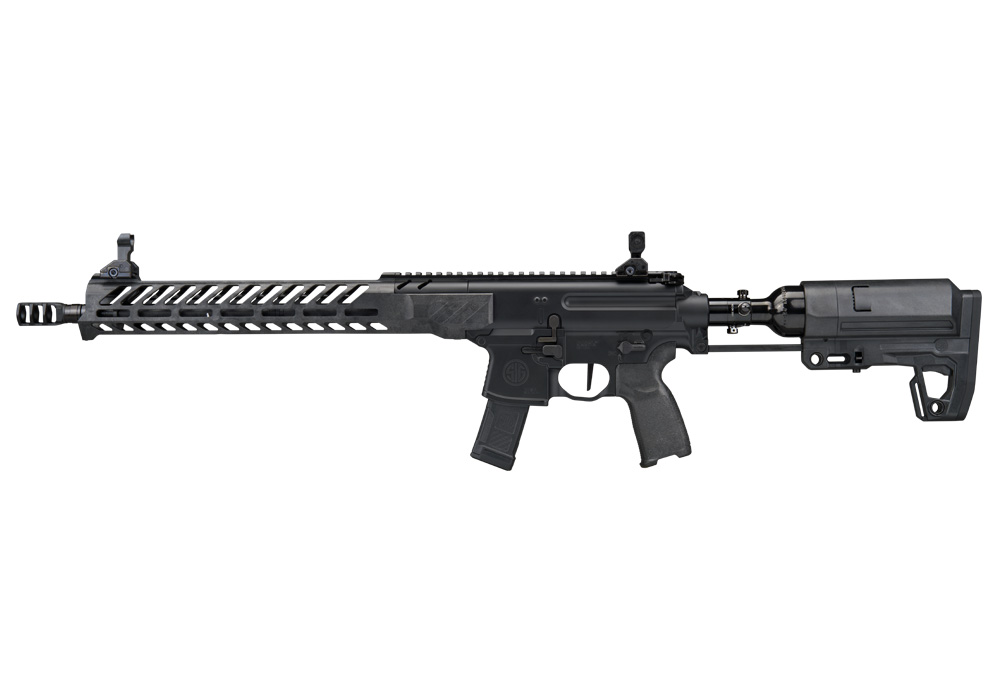
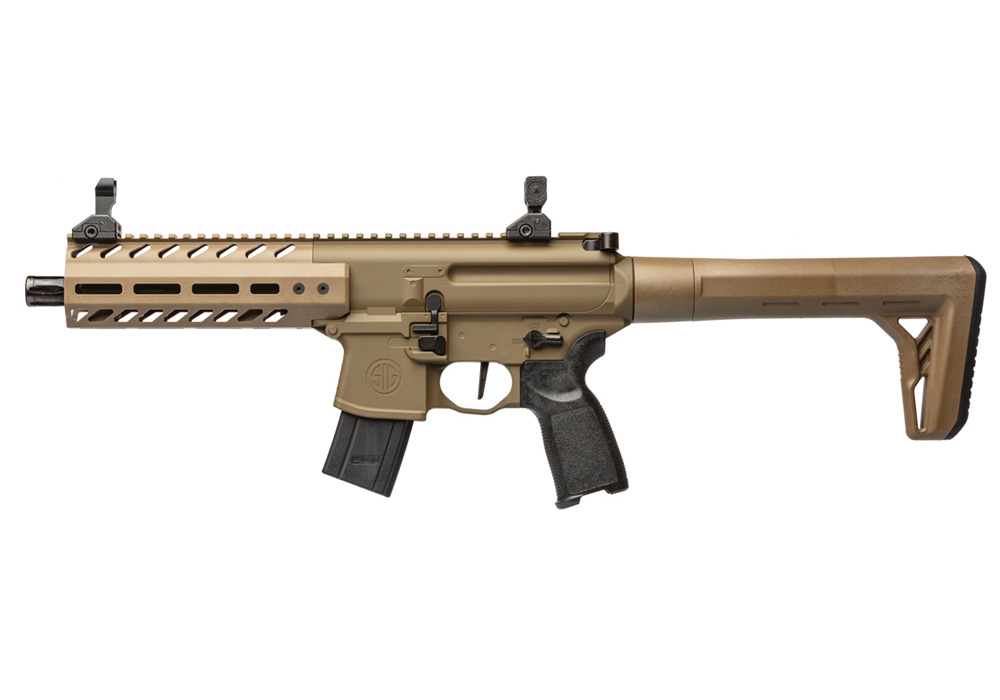
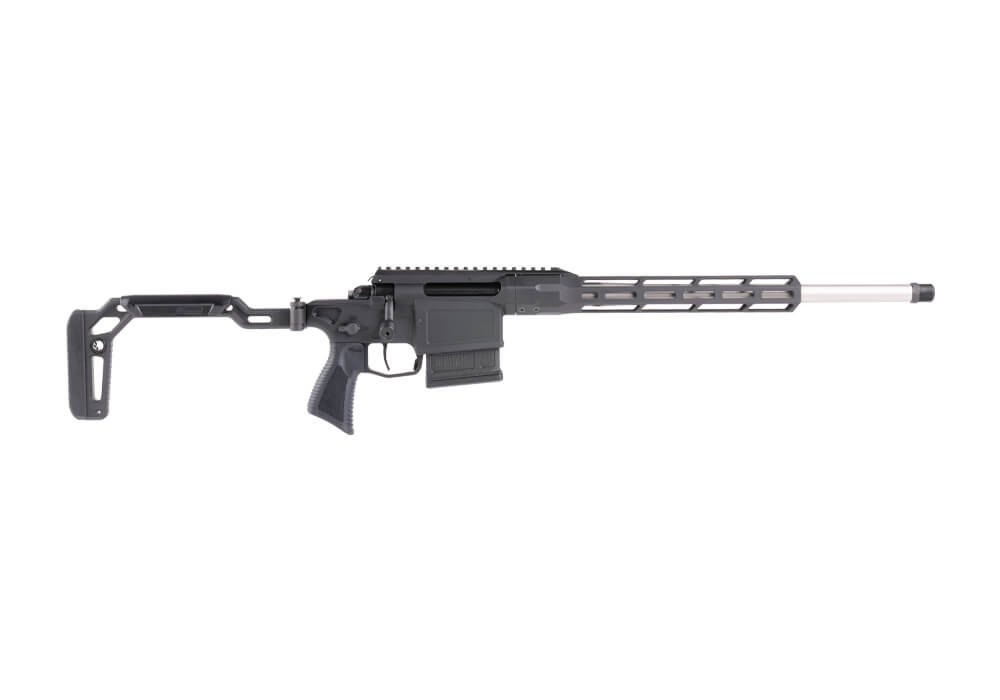
Air rifles selected for tactical summer camps can give participants a structured way to practice safe handling, target awareness, and basic marksmanship fundamentals without the weight, noise, or recoil associated with many traditional firearms. For camp directors, instructors, and families comparing options, the most useful starting points are caliber, action type, power source, fit, and supervision requirements. A .177-caliber air rifle is often a practical choice for organized youth programs because pellets and BBs are widely available, economical for regular practice, and well suited to paper targets and other approved range systems. Multi-pump pneumatic designs allow an instructor to manage the power level through the number of pumps, while CO2-powered platforms offer a familiar repeating format with consistent operation when cartridges are properly installed and stored. Break-barrel models can be straightforward to operate, though their cocking effort and overall fit should be evaluated carefully for each participant. More specialized pre-charged pneumatic systems may offer a refined shooting experience, but they also require additional equipment, filling procedures, and trained staff. For most camps, a simple operating system that instructors can explain clearly and inspect quickly is more valuable than unnecessary complexity. Weight matters as well, especially when rifles are carried between a classroom, a range, and outdoor training areas. A lighter platform with a comfortable stock, manageable length, and controls that are easy to reach can help campers maintain a stable position without straining their arms. Adjustable stocks or adaptable fit features are useful when equipment must serve participants of different ages and sizes. Tactical-style air rifles can also provide familiar ergonomics, accessory mounting options, and sighting configurations that make supervised drills feel organized and purposeful. Browse Air Rifles With Tactical Accessories to compare configurations intended for training setups that benefit from practical add-ons and a more structured handling experience.
The right setup extends beyond the rifle itself. Every camp should establish a clearly defined range with a dependable backstop, visible firing lines, controlled access, and a safe direction for the muzzle at all times. Safety glasses should be mandatory for shooters, instructors, and anyone near the firing area, and targets should be selected for the specific ammunition and power level in use. Paper targets, reactive targets designed for air rifles, and other approved systems can help campers see progress while keeping the activity focused on accuracy rather than speed. During orientation, instructors may find it helpful to teach a simple MAT reminder: muzzle downrange, action open and empty when not actively firing, and trigger finger off the trigger until ready to shoot. That phrase is easy to repeat during movement between stations and reinforces habits that matter every time the rifle is handled. Camp staff should inspect each rifle before use, confirm that the action and safety operate correctly, and keep ammunition secured until participants are seated or positioned at the firing line. Clear commands such as “range is hot,” “cease fire,” and “range is clear” should have consistent meanings, with every participant expected to follow them immediately. A short demonstration followed by one-on-one coaching is often more effective than a long lecture. I have seen even hesitant beginners settle into the activity once an instructor adjusts the stock, helps them find a comfortable stance, and celebrates a carefully placed shot rather than focusing only on the score. That patient approach supports confidence while keeping safety at the center. Camps should also review applicable laws, age restrictions, transport rules, and local range requirements before purchasing or using air rifles, since regulations and program policies can vary by jurisdiction.
For organizers choosing equipment for late-summer programs and continued use during the cooler months, durability and maintenance deserve the same attention as appearance. Look for construction that can withstand regular supervised handling, controls that remain easy to operate after repeated use, and a design that can be cleaned and inspected without specialized procedures. CO2 systems should be stored according to the manufacturer’s instructions, with cartridges handled by trained adults and spare supplies kept away from heat and unauthorized access. Pneumatic rifles should be checked for seals, pumping or cocking components, and signs of damage before each session. A simple inventory system can track rifles, magazines or loading devices, protective equipment, and ammunition so that gear returns complete after every activity. Tactical accessories may include sights, slings, rails, or other fit and handling features, but each addition should serve a clear training purpose and should not complicate safe operation. Accessories must be securely installed, compatible with the rifle, and checked regularly for looseness or damage. Air rifles can be a thoughtful gift for an older camper who has demonstrated maturity and a genuine interest in target sports, but they should never be presented as an unsupervised toy or chosen solely for realistic styling. A responsible gift includes a secure storage plan, eye protection, appropriate targets, instruction from a qualified adult, and a commitment to following local requirements. For camps, the best equipment is the gear that staff can explain, inspect, and control consistently from the first safety briefing through the final range-clear command. With suitable fit, a manageable power source, reliable backstops, and attentive supervision, air rifles can support a memorable outdoor program built around discipline, concentration, and respect for safe handling.