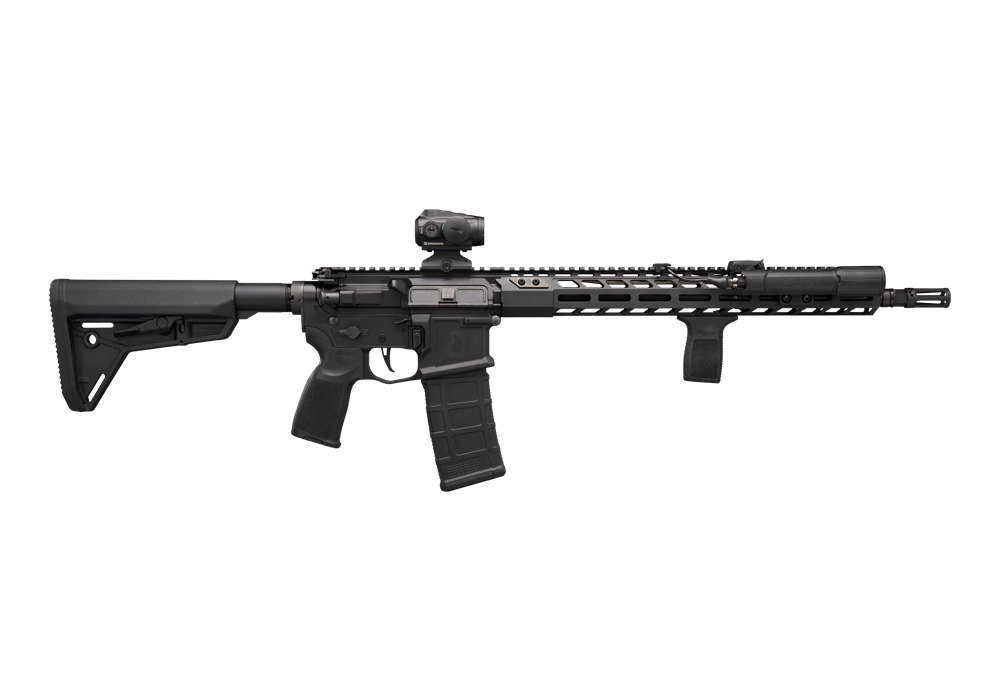
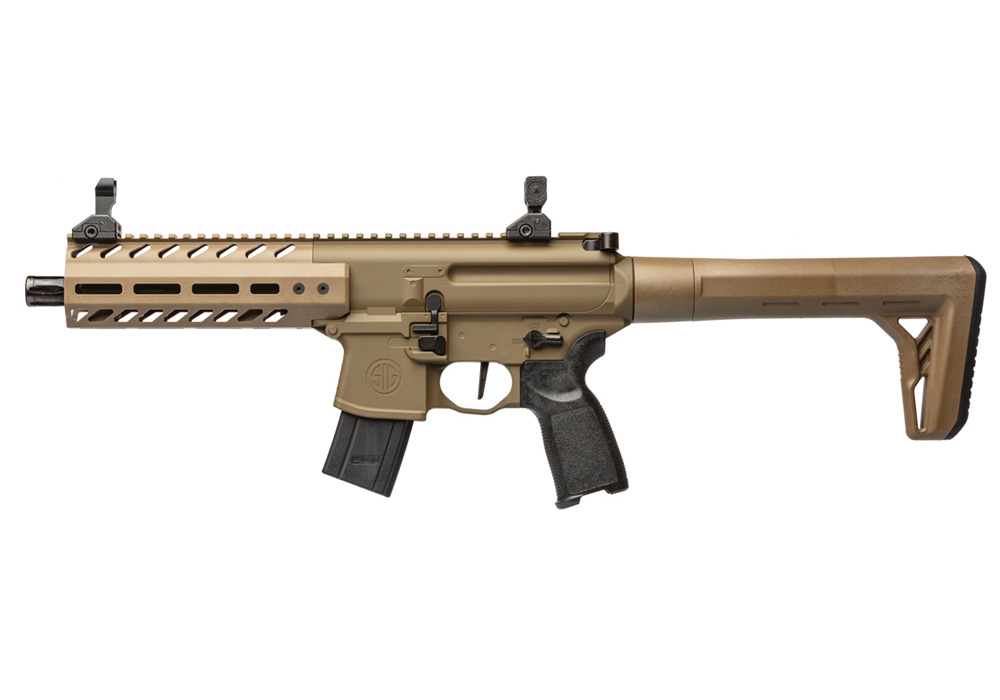
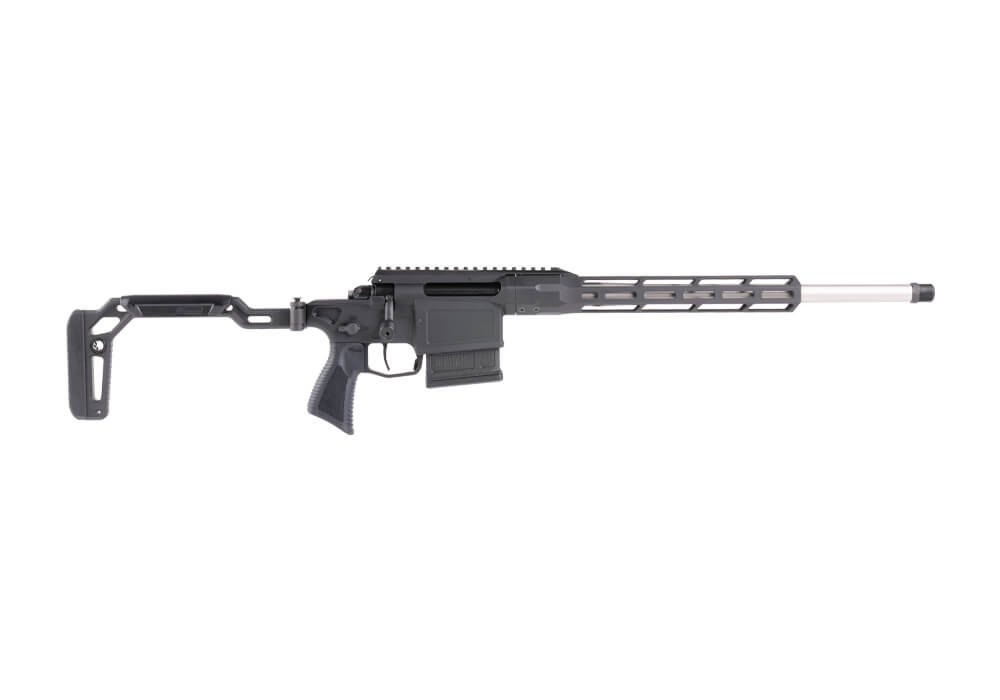
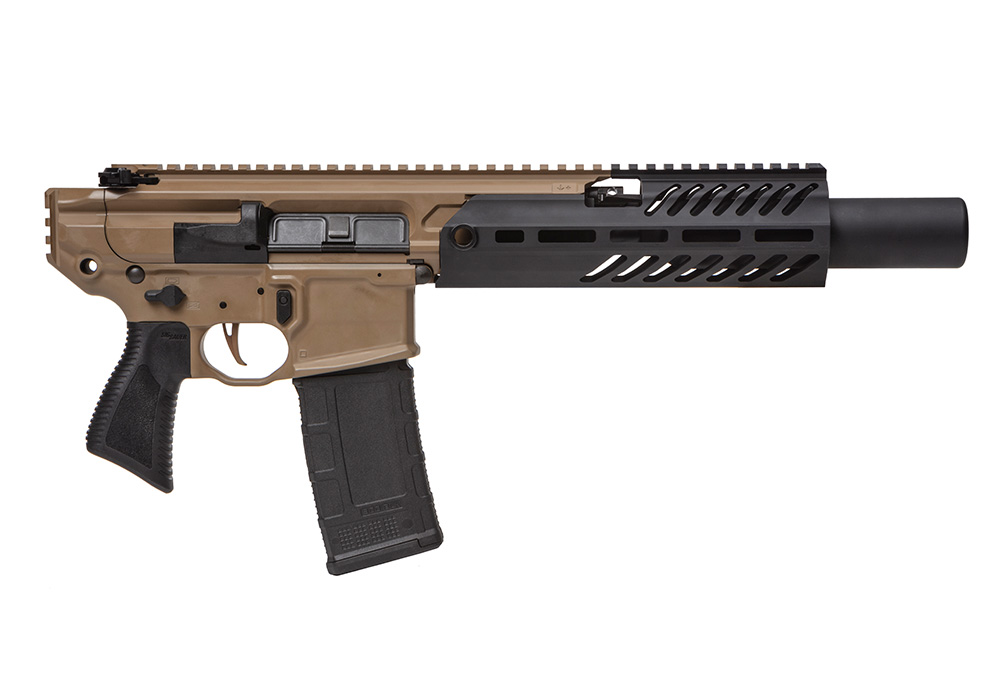
Air rifles with tactical accessories bring a practical, adaptable feel to target shooting, backyard practice where permitted, and organized airgun competition. Unlike a traditional sporter-style air rifle, a tactical setup is typically built around modular features such as an adjustable stock, a railed handguard, an accessory-ready receiver, or multiple mounting points along the top, sides, and underside of the platform. These interfaces make it easier to configure an air rifle around the way it fits and the way it will be used. A red dot sight can provide a fast, uncomplicated aiming reference for close-range targets, while a magnified scope may be better suited to careful shooting at greater distances. A folding or quick-detach bipod can provide a steady rest from a bench or field position, and an adjustable foregrip may offer more control when shooting from an unsupported stance. For additional options, browse Air Rifles With Picatinny Rails, where rail compatibility can make it easier to select and position accessories. Buyers should also consider the air rifle’s power source. Pre-charged pneumatic, or PCP, systems are filled from a compatible hand pump, compressor, or compressed-air tank and are often selected for their consistent performance and repeatable shooting experience. CO2-powered platforms use cartridges or cylinders and can offer a convenient option for recreational shooting, though temperature and cartridge management may affect performance. Break-barrel designs have their own straightforward appeal, requiring no external air source, but their cocking effort and accessory compatibility should be reviewed before purchase.
The most satisfying setup is usually the one that balances capability with comfort rather than simply adding every available accessory. Start with the intended shooting distance, target type, and preferred shooting position. A compact air rifle with a simple optic and a lightweight accessory arrangement can be comfortable for informal range sessions, while a longer platform with a stable stock, magnified optic, and bipod may suit deliberate target work from a fixed bench. Check the mounting standard before ordering an optic, light, laser, or other accessory, and confirm that the rifle has enough usable rail space without making the controls difficult to reach. Adjustable cheek rests and buttstocks can help align the eye naturally behind an optic, an especially useful feature when more than one person will use the air rifle. Pay attention to the airgun’s weight once accessories are installed; a rifle that feels lively on its own can become noticeably heavier with a scope, mount, bipod, and illumination device attached. Magazine style, spare magazine availability, loading method, and the location of the safety and charging handle also influence the overall experience. Some shooters appreciate a rotary magazine for efficient target sessions, while others prefer a single-shot tray for slow, careful practice. Accessories should be selected for their actual purpose, with durable mounts and properly matched rings helping an optic hold its position through repeated use. Sound-reducing features may be integrated into some air rifles, but they do not eliminate the need to follow local laws, range rules, and safe handling practices.
These air rifles can appeal to experienced airgun users who enjoy fine-tuning a platform, as well as newer shooters looking for an approachable way to learn sight alignment, trigger control, breathing, and follow-through. They may also be considered as gifts for an adult family member or friend who enjoys target sports, outdoor recreation, or the hands-on process of configuring equipment. A thoughtful gift often includes the essentials needed to use the rifle responsibly, such as suitable targets, eye protection, a secure storage solution, and the correct air supply or CO2 cartridges, rather than focusing only on the rifle itself. Before giving or purchasing one, confirm age requirements and applicable regulations, since airgun rules can vary by jurisdiction and may address power, transport, storage, hunting, and where shooting is allowed. Safe use begins with treating every air rifle as loaded, keeping the muzzle pointed in a safe direction, keeping fingers outside the trigger guard until ready to fire, and using a suitable backstop that can safely stop both pellets and BBs. During the warmer part of the year, outdoor sessions can be paired with informal practice in an approved area, while cooler months often make a covered range or indoor facility more appealing. Whichever season brings the most use, a well-matched tactical air rifle and accessory setup can provide a comfortable, repeatable platform for building skill, evaluating equipment, and enjoying the focused rhythm of airgun shooting.