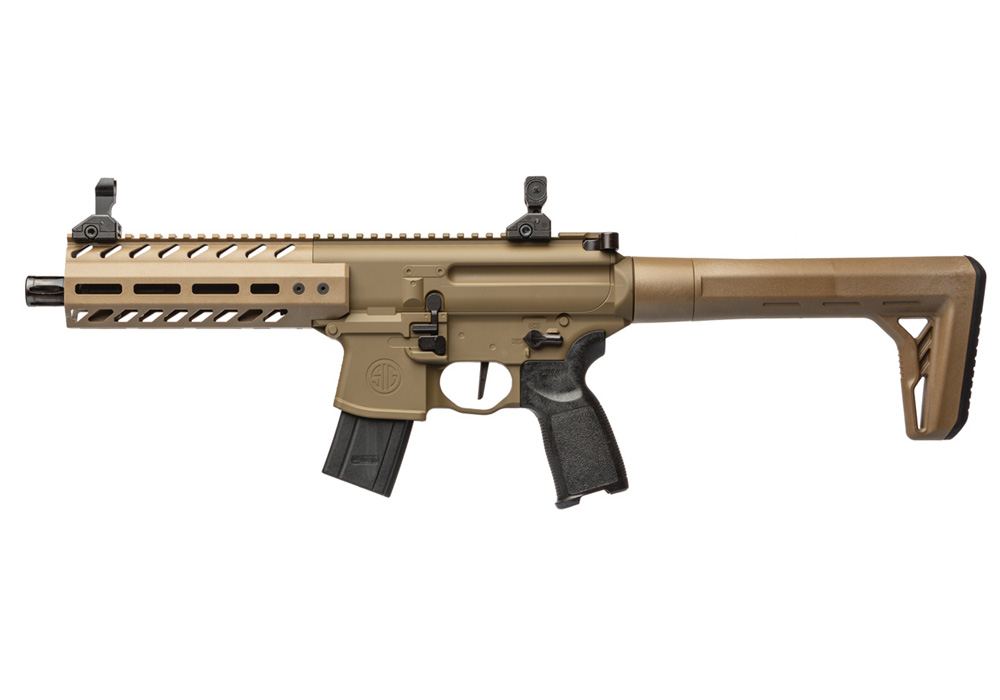
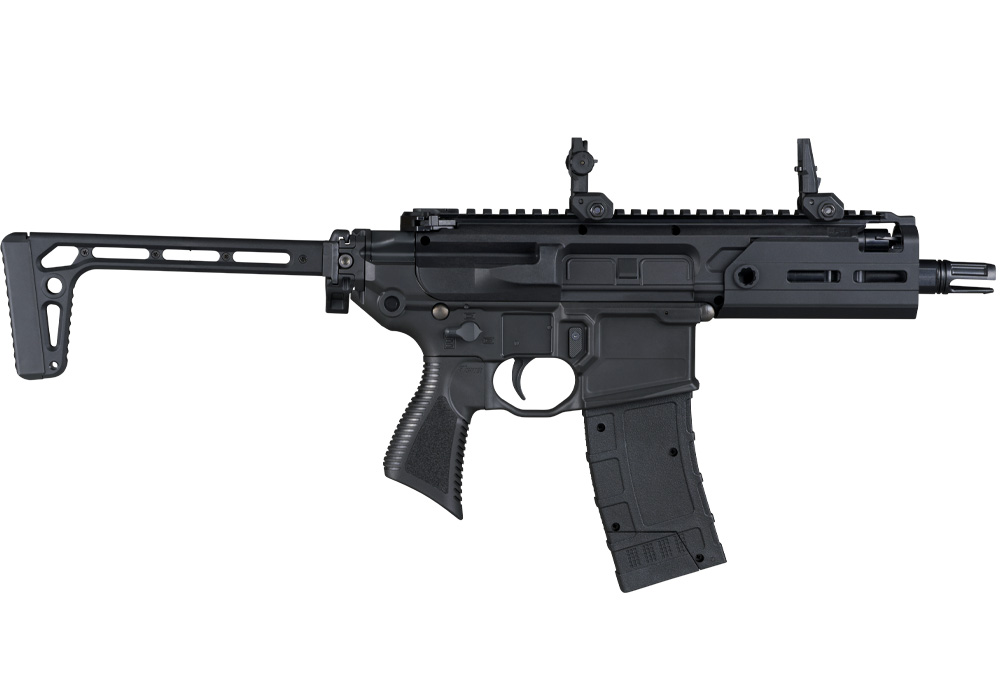
Air rifles with tactical grips combine a distinct pistol-style grip with a stock and fore-end designed around a secure, comfortable hold. The grip typically sits beneath the action rather than blending into a traditional sporting stock, giving the shooting hand a more upright position. That layout can feel familiar to recreational shooters who prefer modern rifle ergonomics, but its value depends on fit rather than appearance alone. Grip angle, surface texture, trigger reach, and the space around the trigger guard all influence how naturally the rifle settles into the hands. A pronounced palm swell may suit a larger hand, while a slimmer profile can feel less crowded for someone with shorter fingers. Stippling, molded checkering, and rubberized panels offer different textures; an aggressive pattern that feels secure during a brief hold may become distracting over a longer target session. These air rifles can appeal to adult newcomers seeking an approachable introduction to target shooting, experienced airgun enthusiasts who enjoy contemporary styling, and recreational shooters who appreciate familiar controls. Depending on the design, power may come from replaceable CO2 cartridges, a pre-charged pneumatic system, or a spring-driven mechanism. CO2 systems require the correct cartridge type, while pre-charged pneumatic, or PCP, systems use a compressed-air reservoir and require compatible filling equipment. The grip style does not identify the power system, firing mechanism, or ammunition requirements, so those details remain separate considerations. Likewise, a tactical appearance does not establish suitability for every shooting activity. For paper targets, reactive targets intended for airguns, or supervised range recreation, a comfortable layout and manageable overall weight often matter more than an elaborate exterior. A rifle that rests naturally against the shoulder, leaves the wrist relaxed, and permits a clear view through the sights can make a range session more enjoyable without requiring an extensive collection of accessories. The best match is a coherent package of fit, operating requirements, and intended use, not simply the most angular silhouette.
Materials and construction shape how an air rifle feels after the first few minutes of handling. Synthetic grip panels and stocks can offer textured contact surfaces without excessive weight, while metal receivers, chassis components, and accessory interfaces may contribute a more substantial feel. The exact combination varies by design, and neither material alone guarantees comfort or durability. Cleanly finished edges, firmly secured components, and an absence of distracting movement at the grip or stock are useful signs of sound construction. Balance deserves equal attention: a rifle that feels light when lifted can still seem tiring if much of its weight sits far forward. During a seated target session, fore-end shape and the position of the supporting hand become especially noticeable. From a standing position, overall length and the way the stock meets the shoulder may have a greater influence on comfort. On air rifles with adjustable stocks, changes to stock length can help accommodate different arm lengths and shooting positions, although the adjustment range and locking system vary. A cheekpiece also affects the relationship between the shooter’s eye and the sights; a comfortable grip cannot compensate for a stock that requires an awkward head position. Some tactical-style air rifles include accessory rails, attachment slots, or replaceable grip components, but a modular appearance does not guarantee universal compatibility. Mounting dimensions, hardware, clearance, and manufacturer guidance determine whether an accessory belongs on a particular platform. A grip that resembles a common firearm pattern may still use a proprietary attachment. Folding stocks, sliding stocks, and fixed stocks also serve different preferences, with each arrangement affecting packed dimensions and handling. For many recreational shooters, a straightforward configuration with dependable sights and an uncluttered fore-end is more satisfying than a heavily accessorized rifle. Useful features are those that solve a real fit or handling need while preserving access to controls and keeping the rifle comfortable to carry between a case, a shooting bench, and a secure storage area.
Ownership considerations extend beyond the grip and stock to ammunition compatibility, routine care, storage, and the practical rhythm of a shooting session. Air rifles are designed for specified ammunition types and dimensions; pellets and spherical steel projectiles are not interchangeable unless the manufacturer expressly permits both. Feeding arrangements also differ, so loading procedures and compatible magazines depend on the individual design. For CO2 and PCP systems, seals and pressure-bearing components need care consistent with the owner’s manual, including only the lubricants and servicing methods specified for that system. Exterior maintenance is usually less complicated: handling marks, dust, and moisture should be addressed with materials appropriate for the finish, while textured grip surfaces benefit from attention to the recesses where residue can collect. Strong solvents can damage some polymers, rubber surfaces, seals, and finishes, making product-specific care directions more useful than a general-purpose cleaning habit. Secure fasteners and a solid stock connection help preserve the intended feel, but repairs and adjustments outside routine maintenance belong with a qualified service provider. A suitable case protects the rifle’s sights and exterior during transport, and locked storage helps prevent unauthorized access. Air rifles are not toys; responsible use includes appropriate eye protection, a designated shooting area, a backstop suitable for the airgun, and compliance with applicable rules. A compact silhouette or familiar control layout does not lessen those responsibilities. As a gift for an adult enthusiast, an air rifle with a tactical grip is most thoughtful when it matches the recipient’s preferred shooting activity, hand fit, and willingness to maintain the relevant power system. Someone who enjoys quiet concentration over paper targets may value comfortable contact surfaces and simple operation, while an established airgun hobbyist may appreciate compatible adjustment options. Across those preferences, lasting satisfaction comes from a rifle that feels natural, receives appropriate care, and suits the place and purpose for which it will be used.