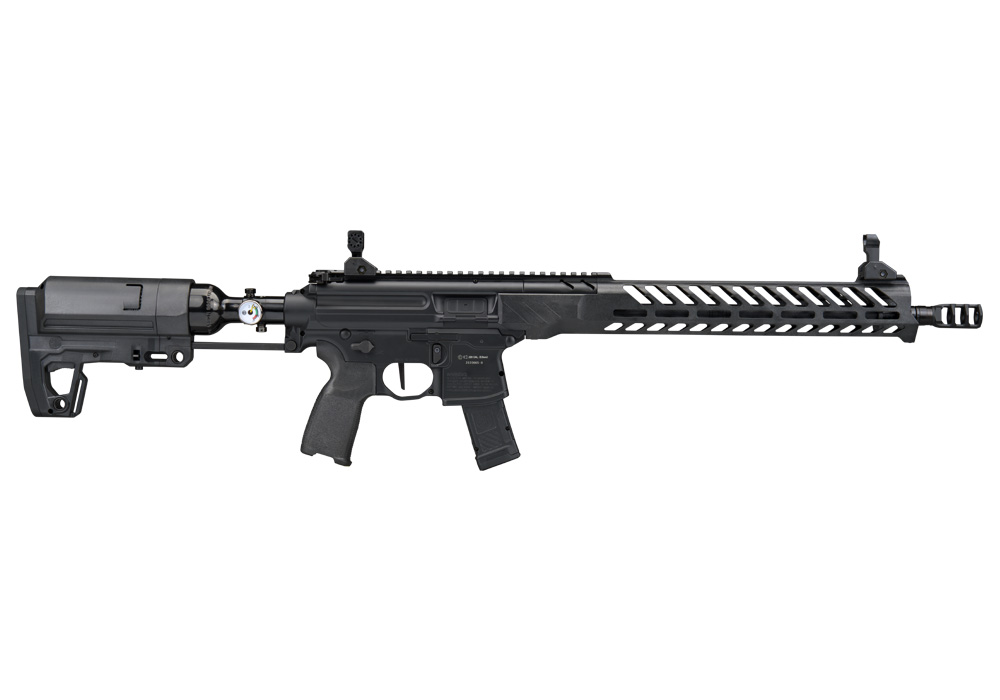
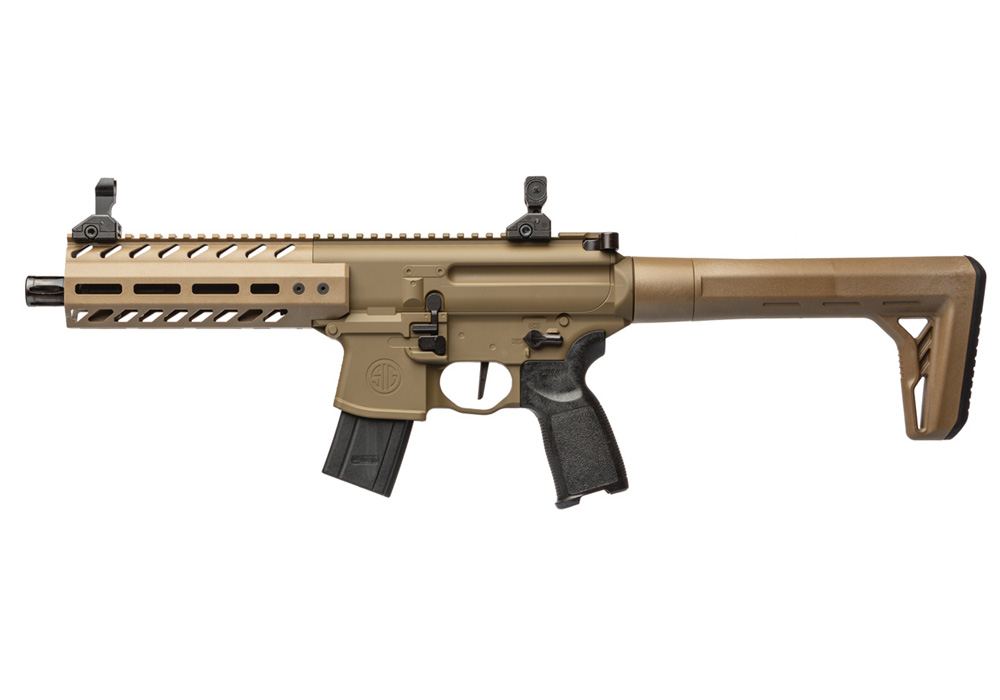
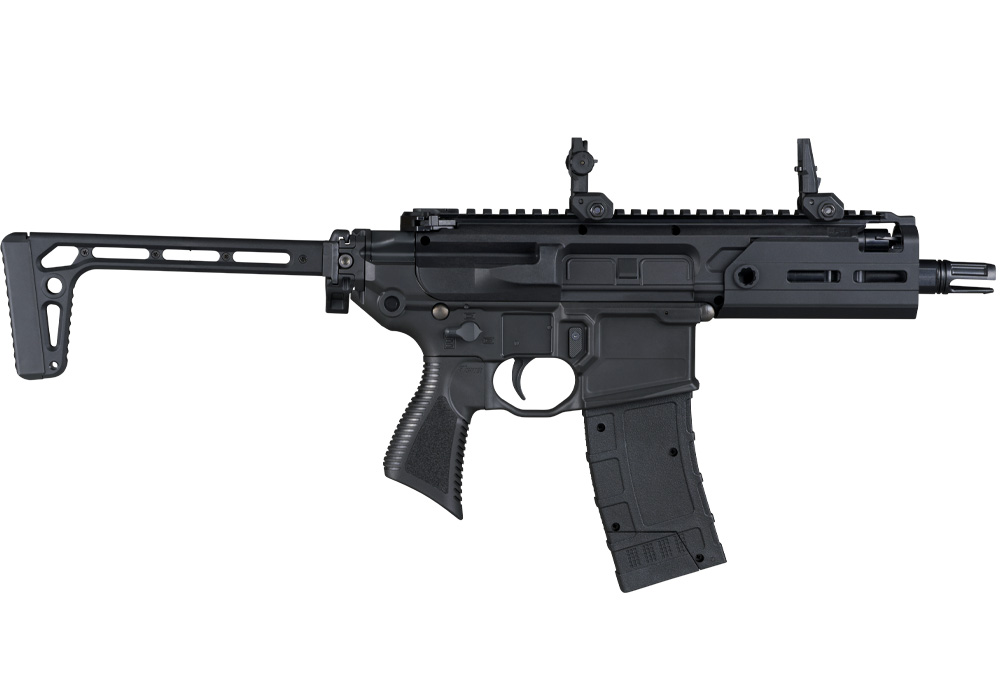
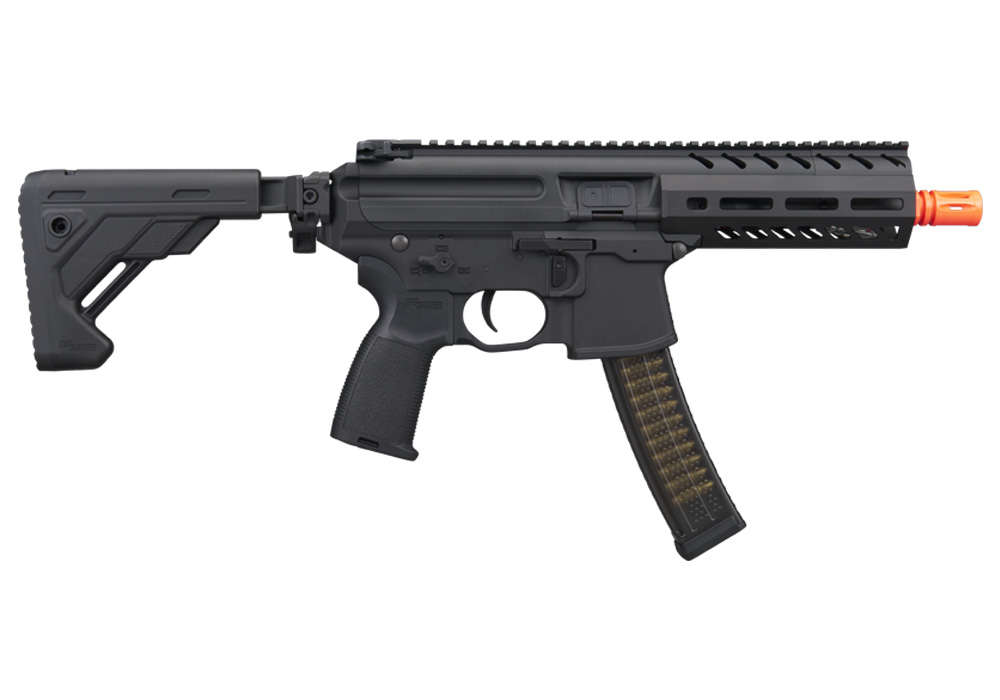
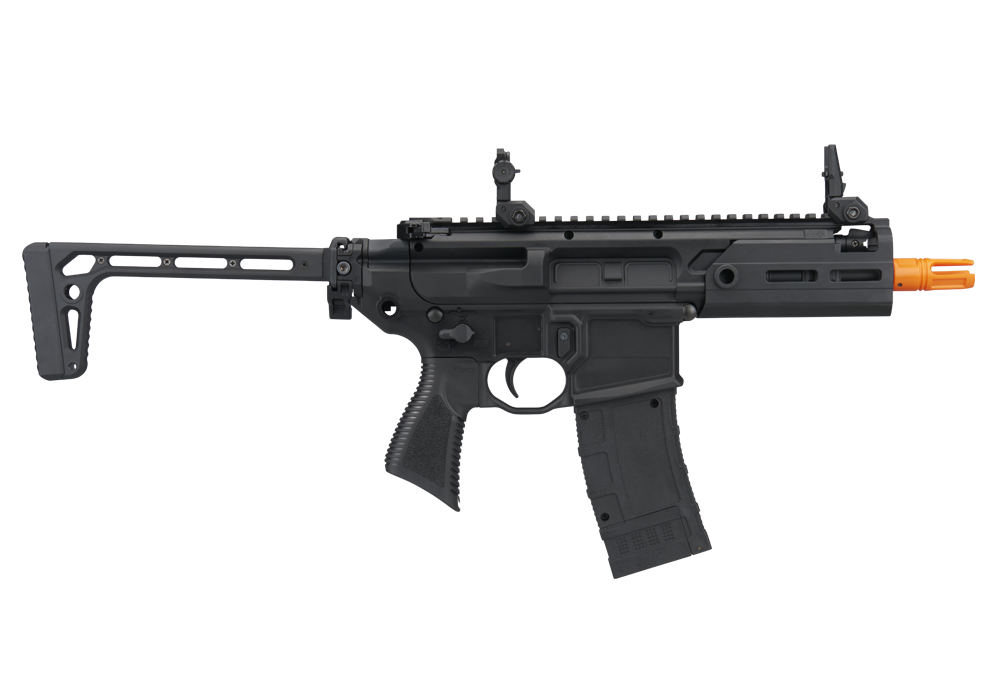
Air rifles with Picatinny rails provide a standardized, cross-slot mounting interface for compatible scopes, red dot sights, and other supported accessories. Depending on the rifle’s design, rails may sit above the receiver, along the fore-end, or in both locations. A receiver rail supports a sighting system, while a fore-end rail can provide an attachment point for compatible shooting supports. This distinction matters because a rail’s location, length, and relationship to the stock help determine how an accessory fits into the complete setup. Picatinny rails have defined slot dimensions and spacing, but compatibility still depends on the accessory’s mounting hardware. Weaver-style mounts may fit some Picatinny rails, while the reverse is not always true; dovetail mounts use a different interface and should not be assumed to fit either system directly. For a shopper comparing rail-equipped air rifles, the useful details extend beyond the presence of slots on the receiver. Usable mounting space, clearance around the loading area, access to operating controls, and the height of the sight above the stock all influence everyday comfort. A scope that sits too high can make a natural cheek position difficult, while an accessory positioned near a loading port may interfere with routine handling. Red dot sights generally offer a straightforward aiming reference for recreational target sessions, while magnified optics can help a shooter see smaller aiming marks more clearly. Neither is automatically the better match for every rifle or every target distance. An air rifle’s rail also does not determine its caliber, approved projectile, propulsion system, or practical shooting distance; those remain separate specifications. For someone who enjoys a quiet rhythm of paper-target practice, the appeal is flexibility: a mounting platform that can support a comfortable sight picture without forcing the shooter to work around an awkward fit. The strongest match brings the rifle, mount, sight, and intended activity together as a coherent setup rather than a collection of attachments.
Materials and construction play an important role in how that setup feels and holds its alignment through repeated use. Aluminum rails can offer useful rigidity without excessive weight, while steel mounting hardware provides strength at clamping points. Polymer stocks and fore-ends can help keep overall weight manageable, although the rail’s attachment to the underlying structure remains just as important as the rail material itself. An integrated rail and a separately attached rail have different construction details, so secure fit should be evaluated according to the rifle’s design rather than appearance alone. Extra accessories also change balance. Weight near the muzzle can become noticeable during unsupported target shooting, while a heavier optic can affect how naturally the rifle settles against the shoulder. For a shooter spending an afternoon at a bench, those differences may feel less significant than they do during standing practice. The operating system adds another consideration. Spring-piston actions can subject optics to forces in more than one direction, so a sight should be explicitly suitable for that action type, not simply equipped with a compatible clamp. Pneumatic and CO2-powered designs have their own maintenance and storage requirements, particularly around seals and pressurized components. Across these designs, manufacturer recommendations for mounts, fastener torque, cleaning products, and lubrication are more useful than assumptions carried over from another rifle. Routine care includes keeping grit out of rail slots, checking mounting hardware at appropriate intervals, and protecting exposed surfaces from moisture left by handling. A soft cloth and suitable cleaning supplies help preserve finishes without introducing abrasive residue around adjustment controls or attachment points. Excess oil is not a substitute for proper care, especially near optics and seals. Protective storage also helps prevent pressure against a mounted sight during transport. Durability comes from compatible components, sensible handling, and consistent maintenance—not from an aggressive profile or the number of accessories attached to the rifle.
For recreational target shooters, an air rifle with a Picatinny rail offers room to tailor the shooting experience while keeping attention on fundamentals such as a stable position, a clear aiming reference, and consistent trigger control. A compact sight may suit someone who prefers an uncluttered view of a paper target, while another shooter may value magnification for seeing the center ring more distinctly from a bench. An adjustable stock, where included in the design, can help accommodate different body proportions, but adjustment range should be considered alongside overall length, grip shape, and the reach to operating controls. Comfort is especially noticeable over a longer practice session: the shoulder contact should feel natural, the head should settle behind the sight without strain, and essential controls should remain accessible. These considerations are relevant to newer adult enthusiasts as well as experienced shooters seeking a dedicated recreational setup. Familiar controls and a rail-mounted optic can support practice with basic handling habits, although an air rifle does not reproduce every characteristic of a firearm and does not replace appropriate instruction. For an experienced adult target shooter receiving one as a gift, fit preferences, permitted shooting locations, and local ownership requirements deserve attention before accessories become the focus. Responsible use includes eye protection, a controlled shooting area, and a backstop rated for the projectile and energy involved. A target alone is not a backstop, and air rifles require careful handling even when they are used only for recreation. Storage should prevent unauthorized access and follow the manufacturer’s directions for the rifle’s particular operating system. For a broader look at accessory-oriented configurations, Air Rifles With Tactical Accessories offers a related category to explore. Whether the preference is a simple optic-equipped rifle or a setup with compatible shooting support, the most useful features are the ones that contribute to comfortable handling, dependable attachment, and enjoyable, responsible target practice.