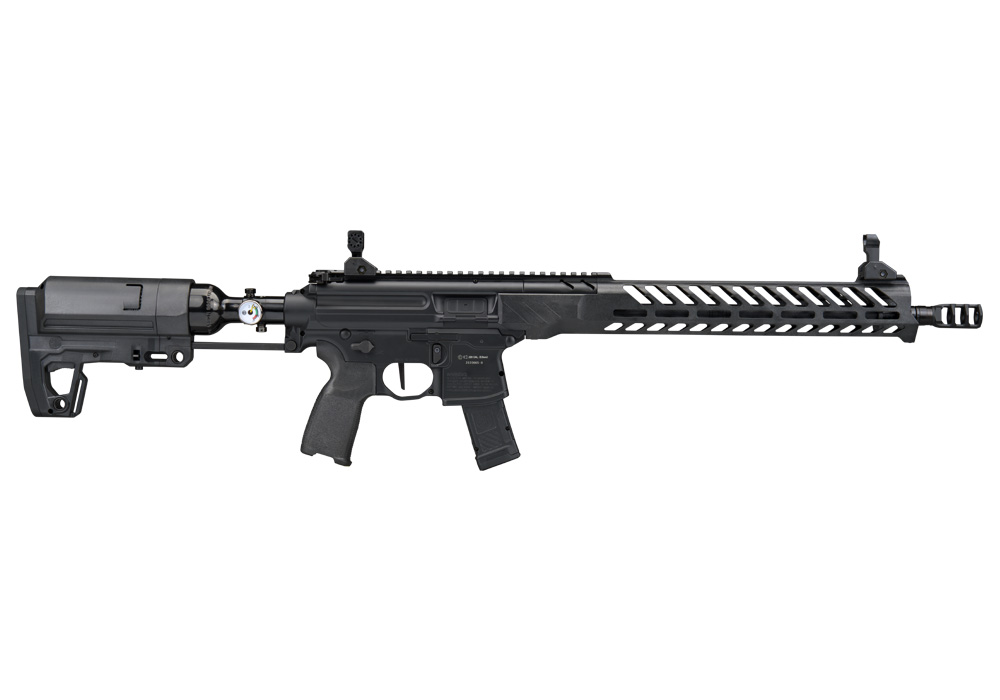
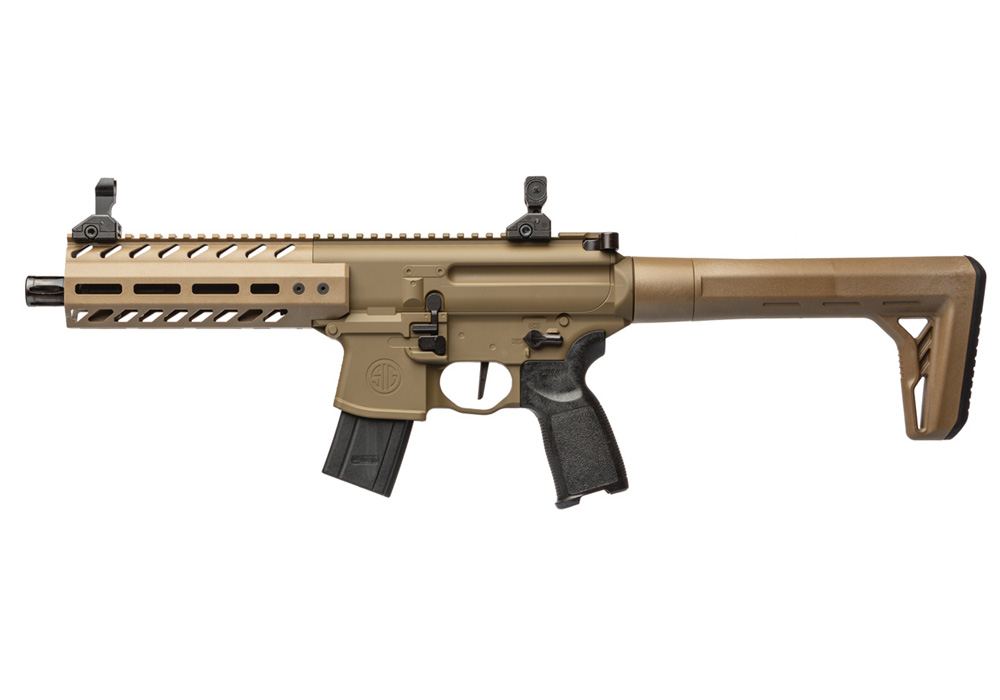
Air rifles with adjustable stocks offer a more adaptable fit by allowing changes to the way the buttstock meets the shoulder and, on some designs, the height at which the cheek rests. The most common adjustment is length of pull: the distance between the trigger and the rear of the buttstock. A shorter or longer setting can help accommodate different arm lengths and shooting positions without forcing the shooter to stretch forward or crowd the rifle. An adjustable cheek piece serves a different purpose, supporting a repeatable head position behind the sights or an optic. Some designs also include a buttpad that moves vertically or changes angle, although these features are not universal. The distinction matters because an adjustable length of pull does not necessarily mean that cheek height or buttpad position can also be changed. For recreational target shooters, the practical benefit is comfort that lasts beyond the first few shots. A rifle that feels manageable while standing may meet the shoulder differently at a bench, and a useful adjustment range provides room to accommodate those differences. Shared range equipment can also benefit from adaptable dimensions, provided each shooter has an appropriate fit and understands the controls. Good fit supports consistent contact between the shooter and rifle; it does not increase the air rifle’s power or guarantee smaller groups. Stock shape, grip angle, overall weight, and balance remain important parts of the experience. A broad cheek surface may feel supportive behind an optic, while a slimmer profile may suit someone who prefers a less substantial feel against the face. For left-handed shooters, an ambidextrous cheek piece and accessible adjustment controls deserve particular attention. Clearly defined positions, secure locking hardware, and minimal movement at the adjustment points contribute to a reassuring feel every time the rifle is shouldered. The most useful configuration is one that supports a natural posture without requiring the shooter to lift the head awkwardly, tense the shoulder, or reach uncomfortably for the controls.
Materials and construction influence how an adjustable air rifle feels in the hands and how its moving interfaces hold up to repeated use. Synthetic stocks are common because they can combine modest weight with resistance to routine scuffs and moisture. Their texture varies considerably: a smooth cheek surface can feel comfortable against the face, while textured areas around the grip and fore-end help provide purchase. Metal adjustment components can add rigidity at joints and locking points, though overall construction matters more than the presence of any single material. Wood stocks offer a different feel and appearance, with finishes that require care appropriate to the surface. Across these materials, durability depends partly on the quality of the adjustment mechanism and partly on how the rifle is handled and maintained. A buttstock should remain secure at its selected setting rather than shift under normal shoulder pressure, and exposed fasteners should receive the inspection specified in the owner’s manual. Adjustment range deserves attention alongside material choice. Several indexed length positions provide a different experience from a continuously adjustable mechanism, while a cheek piece may offer limited movement or a broader range. Neither arrangement is automatically preferable; the useful range is the one that suits the shooter and the intended sighting setup. The air rifle’s operating system remains a separate consideration. Spring-piston, gas-piston, CO2, and precharged pneumatic designs have different handling characteristics and maintenance requirements, and an adjustable stock does not erase those differences. Some spring-powered systems also require optics designed for their recoil characteristics. Ammunition must match the rifle’s stated caliber and projectile type; pellets and steel BBs are not interchangeable unless the manufacturer specifically permits both. Routine care generally includes wiping away handling residue, protecting the finish, and keeping adjustment interfaces free of grit. Lubricants, cleaning methods, storage conditions, and any work involving pressure systems should follow the manufacturer’s directions rather than assumptions drawn from a different type of air rifle.
For paper targets, reactive targets rated for airgun use, and recreational plinking where permitted, an adjustable stock can make repeated practice more comfortable and equipment sharing more practical. A shooter returning to the same bench benefits from recognizable settings, while someone alternating between supported and standing target work may value a configuration that accommodates both without feeling cumbersome. Balance matters here: a longer buttstock can change the rifle’s proportions without reducing the weight carried forward of the hands. Younger participants need age-appropriate equipment, direct adult supervision, and a fit that does not compromise safe control; adjustability alone does not make an adult-size rifle suitable for every shooter. An air rifle can also be a thoughtful gift for an adult target-shooting enthusiast when the recipient’s experience, preferred power system, storage arrangements, and local requirements are understood. Familiarity with those preferences is more useful than assuming that the widest adjustment range will suit everyone. Sight choice is another part of the overall setup. Related options in Pellet Air Rifles With Adjustable Sights highlight a separate form of adjustment: stock settings influence physical fit, while sight settings establish the aiming reference in relation to pellet impact. An elevated optic may call for more cheek support than a low sight line, but compatibility depends on the rifle’s actual dimensions and mounting arrangement. Comfort should support safe handling, never replace it. Air rifles require responsible storage, appropriate eye protection, a secure target area, and a backstop suitable for the projectile and energy involved. Hard surfaces and water can create ricochet hazards, and the area beyond the target must remain safe. Within that responsible setting, adjustable stocks offer a straightforward advantage: more flexibility in how the rifle fits the person using it. Secure construction, sensible dimensions, accessible controls, and care suited to the materials help turn that flexibility into a comfortable, dependable part of regular target practice.